Senior Rabbit Care: Aging Signs, Diet, and Comfort
By Dr. Zubair Khalid, DVM, MS, PhD ·
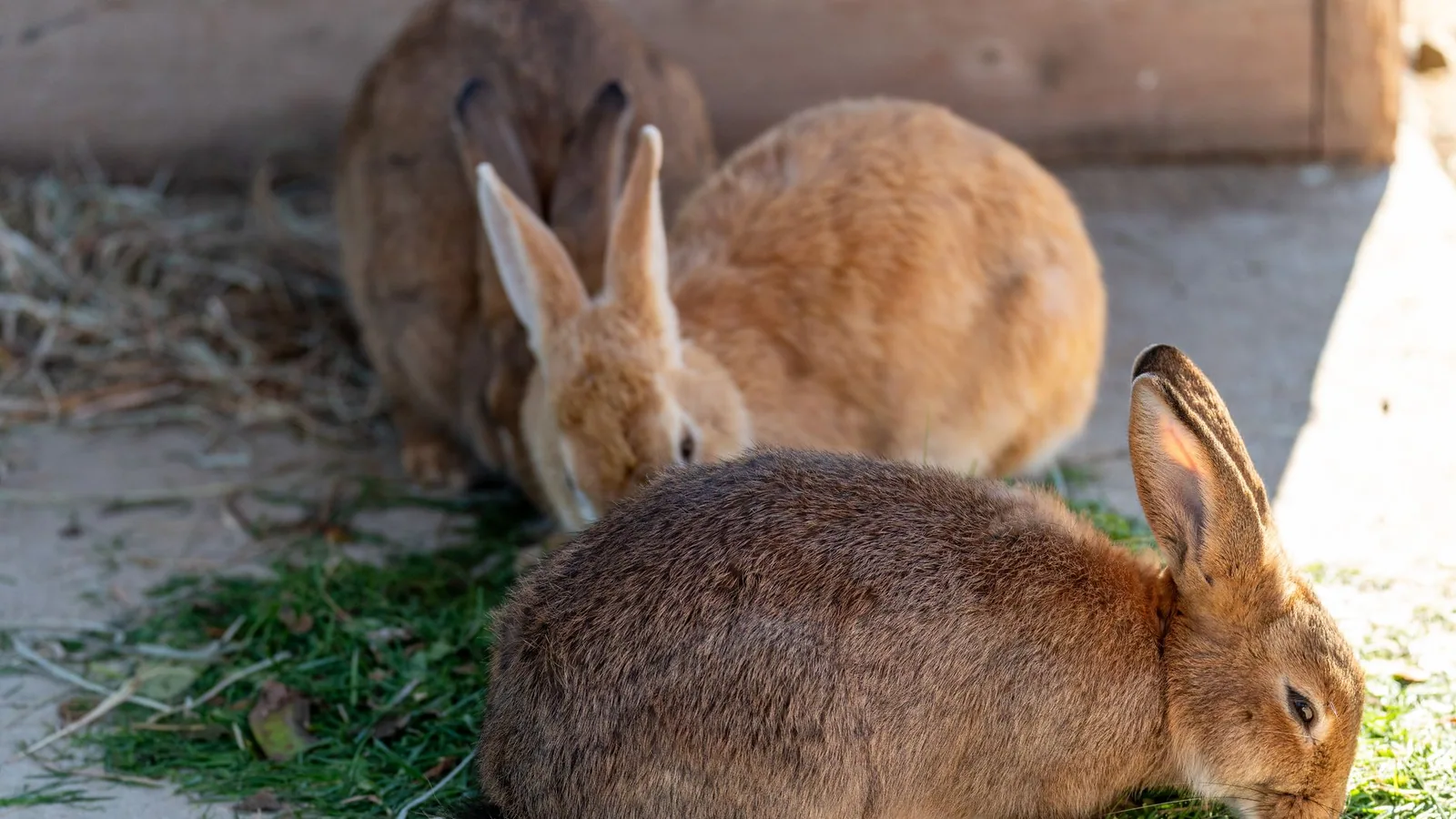
Senior rabbit care is the practice of adjusting diet, housing, handling, and veterinary monitoring as a rabbit moves through the later part of its life. The goal is simple: keep the rabbit eating, moving, grooming, and interacting comfortably for as long as possible. Aging in rabbits is gradual, and the first changes are often small shifts in weight, coat quality, mobility, or appetite rather than one dramatic event.
Rabbits are long-lived small mammals compared with many other pocket pets. A rabbit acquired as a baby can remain a household companion for many years, and those years are exactly when chronic dental, mobility, and digestive problems tend to surface. Owners who learn to read subtle changes early have more options for keeping an older rabbit comfortable.
This article is educational and is not a substitute for veterinary diagnosis or treatment.
Senior Rabbit Care at a Glance
Use this table as a daily and weekly reference. It is not a replacement for an examination, but it keeps the most important tasks visible.
| Focus | Practical action | Why it matters |
|---|---|---|
| Diet | Offer unlimited grass hay and fresh water every day. | Fiber keeps the gut moving and helps wear teeth. |
| Weight | Run your hands along the spine, ribs, and hips at least weekly. | Muscle loss and obesity both affect comfort and health. |
| Output | Check feces and urine daily. | Droppings and urine are early warning signs for gut and urinary problems. |
| Mobility | Watch hopping, jumping, and resting posture. | Stiffness changes comfort, hygiene, and exercise tolerance. |
| Nails | Check length every few weeks. | Overgrown nails are common in pet rabbits and can change how a rabbit walks. |
| Grooming | Brush regularly and check the rear end daily. | Older rabbits may struggle to reach their back and bottom. |
| Housing | Provide soft, non-slip flooring and low-entry litter boxes. | Hard floors and high jumps increase strain on aging joints. |
| Enrichment | Offer safe chews, foraging opportunities, and hiding places. | Enrichment is a core part of care, not an optional extra. |
| Handling | Keep sessions short and support the hindquarters. | Handling causes measurable stress responses in rabbits. |
| Veterinary care | Schedule regular wellness checks and ask about senior monitoring. | Early detection gives more room to manage problems. |
A useful daily routine takes about a minute. Watch the rabbit move across the floor. Look at the eyes and nose. Check the ears for discharge or scratching. Offer a small piece of hay or a favorite green and watch chewing. Inspect the litter box for feces and urine. Run your hands along the body to feel the spine and ribs. Check the rear end for soiled fur. Look at the nails. Any change from the rabbit's normal pattern deserves attention.
How Old Is a Senior Rabbit?
There is no single birthday that turns a rabbit into a senior. Senior status is a life stage, not a precise age. A rabbit is usually treated as senior when it has reached the later part of its expected life and begins showing age-related changes in body condition, mobility, teeth, coat, or behavior. Because pet rabbits vary widely in size, breed, and lifetime health, veterinarians typically combine age with physical examination findings rather than relying on a number alone.
The label is useful because it changes the schedule of care. A senior rabbit may need more frequent weight checks, a closer look at the teeth, softer flooring, easier access to food and water, and more frequent wellness visits. A rabbit that is still agile and eating well may not need major changes yet, but it still benefits from a baseline record that makes future changes easier to spot.
Body size and breed can shift the timeline. Giant and large breeds often age differently from small breeds, and individual rabbits within the same breed can age at different rates. A rabbit with a known conformation-related risk, such as a flat face or lop ears, may need closer monitoring earlier because those shapes are linked to specific health problems [1]. The practical answer is to stop thinking in terms of one cutoff date and start thinking in terms of trends.
Rabbit Lifespan and the Shape of Senior Care
Rabbits are long-lived small mammals. Many pet rabbits reach old age, and some live well beyond the point where owners first notice gray hairs or a slower hop. That long lifespan is good news, but it also means age-related problems have time to develop quietly. Dental overgrowth, nail overgrowth, obesity, muscle loss, and reduced mobility are all problems that can build over months.
A life-stage approach to rabbit welfare tracks clinical, behavioral, and physiological markers from birth through aging and flags late-onset changes against an individual baseline [2]. Owners can borrow the same logic without any laboratory equipment. Keep a simple record of weight, appetite, fecal output, activity level, grooming, and social behavior. A single entry tells you little. A series of entries shows whether a rabbit is drifting.
Preventive care is the backbone of senior management. Rabbit husbandry guidance covers housing, nutrition, restraint, recognizing illness, and preventive care from the first visit through geriatric visits [3]. Those geriatric visits are where subtle dental, ocular, cardiac, and musculoskeletal changes are most likely to be found before they become crises.
Signs of Aging in Rabbits
Signs of aging in rabbits are usually cumulative and subtle. The most useful skill an owner can develop is comparison against the rabbit's own normal, not comparison against another rabbit. A change that would be unremarkable in a young rabbit can be meaningful in an older one.
Physical Signs
Weight and muscle are the first things to check. Some older rabbits lose muscle along the spine and hips, which makes the backbone feel more prominent. Others gain weight as activity declines. Both patterns matter. In a large UK cohort of 162,107 pet rabbits, obesity was recorded in 8.82% of a random sample, which shows how common weight problems are in the species [1].
The coat often changes before anything else. An older rabbit may groom less thoroughly, leaving a duller or patchier coat. Haircoat disorder was recorded more often in brachycephalic rabbits in that same cohort [1]. Mats behind the ears, under the chin, or around the rear end are a signal to check for pain, dental problems, or reduced mobility.
Nails are another early indicator. Overgrown nails were the most common disorder recorded in the UK cohort, affecting 28.19% of the sampled rabbits [1]. Nails grow continuously, and a rabbit that moves less wears them down less. A long nail can change the angle of the foot, catch on surfaces, and make walking uncomfortable.
Teeth change with age as well. Overgrown molars were recorded in 14.90% of the sampled rabbits [1]. Rabbit teeth grow throughout life and depend on chewing to wear evenly. An older rabbit that eats less hay, drops food, drools, or takes much longer to finish a meal may have dental disease.
Eyes and tear ducts deserve a close look. Tear duct abnormality was recorded more often in brachycephalic and lop-eared rabbits [1]. Wetness, staining, or discharge around the eye should be evaluated rather than wiped away and ignored.
The rear end is easy to overlook and important to check. Perineal fecal impaction was recorded more often in brachycephalic and lop-eared rabbits [1]. A rabbit that cannot reach its bottom may accumulate feces, urine, or matted fur. That is a comfort problem and a health problem.
Behavioral Signs
Behavioral changes are often the first thing owners notice. An older rabbit may sleep more, explore less, jump less, or spend more time resting in one spot. Some rabbits become less interested in social interaction. Others become clingier. A life-stage welfare framework treats behavior as a measurable marker alongside clinical and physiological data [2]. That is a useful reminder that behavior is data, not background noise.
Pain in rabbits is often subtle. A rabbit that sits hunched, grinds its teeth, stops grooming, or refuses favorite foods may be painful rather than simply old. Rabbit care guidance includes clinical signs associated with pain in rabbits, and owners can learn to recognize them with their veterinarian's help [3]. Sudden changes in posture or activity should never be written off as normal aging.
Digestive and Dental Signs
The litter box is a daily report card. Small, dry, or sparse feces suggest reduced intake or slowed gut movement. Soft feces, diarrhea, or mucus warrant prompt attention. Rabbits are hindgut fermenters, and their digestive system depends on a steady flow of fiber. When that flow slows, the whole system can deteriorate quickly.
Gastrointestinal stasis is one of the disorders recorded in pet rabbits [1]. Any rabbit that stops eating or stops producing feces should be evaluated promptly. Older rabbits may be less resilient during a gut slowdown because they have less reserve.
Dental signs often appear as eating changes rather than obvious mouth problems. Watch for dropping food, chewing on one side, drooling, weight loss despite a good appetite, or a sudden preference for soft foods. These signs deserve a dental examination, not a wait-and-see approach.
Mobility and Comfort Signs
Mobility changes are easy to miss because rabbits compensate well. An older rabbit may stop jumping onto favorite furniture, take shorter hops, or hesitate before stepping onto a smooth floor. It may sit more often than it lies down. It may slip on hard surfaces or struggle to get up from a resting position.
Look at the feet as well. Sores, redness, or matted fur on the soles suggest that weight distribution or flooring is a problem. Urine staining on the rear end suggests that the rabbit is not grooming or not moving enough to stay clean. Both findings deserve a veterinary examination.
Breathing changes are less common as a pure aging sign but are always important. Increased respiratory effort, open-mouth breathing, or a rabbit that suddenly cannot settle should be seen urgently.
The Senior Rabbit Diet
The senior rabbit diet is built on the same foundation as the adult diet: grass hay, fresh water, measured pellets, and a variety of leafy greens. What changes is the margin for error. An older rabbit has less reserve to recover from a sudden diet change, a period of poor intake, or a dental problem that makes hay painful to eat.
Hay First
Grass hay should be available at all times. It is the main source of fiber, the main driver of gut motility, and the main tool for wearing down teeth. Rabbit welfare guidance links ad libitum hay and continuous gnawing opportunities with better husbandry outcomes [4]. The Merck Veterinary Manual describes rabbits as hindgut fermenters that depend on a high-fiber diet to keep the digestive system moving, which is why hay is not a garnish.
Offer fresh hay daily and remove soiled hay. A senior rabbit may prefer softer or leafier hay if its teeth are sensitive, but hay should not be removed from the diet because of dental problems. Removing hay makes dental disease worse and slows the gut. If a rabbit cannot manage long hay, talk to your veterinarian about safe alternatives and about treating the underlying dental problem.
Pellets and Portion Control
Pellets are a supplement, not the base of the diet. Many owners free-feed pellets because the rabbit enjoys them, and that is one of the most common paths to obesity and reduced hay intake. In the UK cohort, obesity was recorded in 8.82% of sampled rabbits [1]. An older rabbit that moves less may need fewer pellets, while an older rabbit that is losing weight may need more. The decision should be based on body condition and weight trend, not on appetite alone.
Measure pellets rather than topping up a bowl. A measured portion makes it obvious when intake changes. If a rabbit suddenly stops eating pellets but still eats hay, that is a clue about dental comfort or preference. If a rabbit stops eating altogether, that is an urgent problem.
Vegetables, Greens, and Treats
Leafy greens add variety, moisture, and micronutrients. Introduce new greens one at a time and watch the litter box for soft feces. A senior rabbit with a sensitive gut may do better with a consistent routine than with a rotating menu of new foods.
Treats should be small, occasional, and low in sugar. A piece of carrot or apple is not a meal. Commercial treat sticks and sugary snacks can crowd out hay and contribute to weight gain. If a rabbit needs encouragement to eat, a favorite green is a better tool than a sweet treat.
Water and Hydration
Fresh water should be available at all times. Offer both a bowl and a bottle if the rabbit will use both, and clean both regularly. Older rabbits may drink more or less than they used to, and a change in water intake is worth reporting. Hydration supports gut function and kidney health, and a rabbit that is not drinking is often a rabbit that is not eating.
Dental Wear and Chewing
Chewing wears teeth. Continuous gnawing opportunities are part of good rabbit husbandry [4]. Safe chews include untreated wood, cardboard, hay cubes, and rabbit-safe toys. Avoid plastic, treated wood, and anything small enough to swallow. A senior rabbit may need softer or more accessible chews if its teeth or jaw are sore.
Dental checks should be part of every senior wellness visit. Overgrown molars were recorded in 14.90% of the UK cohort [1]. Dental disease can develop slowly, and a rabbit may eat enough to survive while gradually losing weight. A veterinarian can examine the mouth and decide whether sedation is needed for a full dental evaluation.
Weight Monitoring
Weigh the rabbit regularly and record the number. A kitchen scale works well for most pet rabbits. Combine the number with a hands-on body condition check. You should be able to feel the ribs under a thin layer of fat, and the spine should not feel sharp. A rabbit that is losing weight despite a good appetite needs a veterinary examination.
Diet Changes in a Senior Rabbit
Diet changes may be needed for dental disease, kidney disease, gastrointestinal problems, or weight management. Make changes gradually and only with veterinary guidance when a medical condition is involved. Never restrict hay to control weight. Never switch foods abruptly. Monitor fecal output and appetite after any change, and call your veterinarian if the rabbit stops eating or produces fewer droppings.
Comfort and Environment
Comfort is not a luxury for an older rabbit. It is part of preventive care. Small environmental changes can reduce strain on joints, improve hygiene, and make food and water easier to reach.
Space and Housing
Housing should give the rabbit room to lie fully stretched on its belly and to sit upright without its ears touching the roof. Those benchmarks come from welfare recommendations for rabbit transport, and they are useful at home as well [5]. A senior rabbit also needs room to turn around, hop a few steps, and change resting positions without struggling.
Choose a solid floor over wire mesh. Provide a low-entry litter box so the rabbit does not have to climb or jump. Keep food and water within easy reach. Add a ramp or a shallow step to favorite resting spots instead of expecting an older rabbit to jump.
Flooring and Foot Support
Non-slip flooring matters more as rabbits age. Smooth wood, tile, and linoleum can be slippery for a rabbit with weak hindquarters. Use washable mats or rugs with a rubber backing. Check the soles of the feet regularly for redness, sores, or matted fur.
Avoid wire-bottomed cages and abrasive surfaces. A rabbit that spends more time lying down needs soft, dry bedding. Litter should be changed often enough that the rabbit is not sitting in moisture.
Resting Spots and Temperature
Provide a quiet, draft-free resting area with a hide box. Older rabbits often appreciate a warm spot, but avoid direct sun and heat lamps without veterinary guidance. Rabbits can overheat quickly in a hot room. Shade, ventilation, and fresh water are basic comfort measures.
Keep the environment predictable. Senior rabbits often do better with a stable routine and familiar smells. Move furniture and food stations gradually rather than rearranging the whole room at once.
Enrichment and Exercise
Environmental enrichment is a core component of animal care, on par with nutrition and veterinary care [6]. Enrichment gives rabbits opportunities to perform species-typical behavior, and it should be evaluated by whether the rabbit actually uses it. A senior rabbit may not want a complex obstacle course, but it still benefits from foraging opportunities, tunnels, cardboard boxes, and safe chews.
Short, frequent exercise is better than one long session. Let the rabbit set the pace. If it lies down after a few minutes, that is enough. A review of rabbit welfare in intensive systems identifies environmental enrichment, appropriate nutrition, disease prevention, and biosecurity as core welfare pillars [7]. The same principles apply at home in a simpler form.
Social Housing
Rabbits are social animals, and social housing is part of good welfare. A survey of pet rabbit owners found that perceived knowledge had little or no association with social housing and access to free movement, which suggests that these are areas where owners may need more support [8]. A senior rabbit that has lost a bonded companion may need careful, gradual companionship or extra human contact, depending on the individual.
Litter and Cleaning
Clean litter daily and change the full box regularly. Paper-based or wood-pellet litter is easy to manage. Avoid clumping clay litter, which can stick to fur and be ingested during grooming. Keep cleaning products mild and rinse surfaces well. A strong-smelling environment is stressful for rabbits, and a dirty litter box can worsen urinary and skin problems.
Handling, Grooming, and Daily Care
Gentle Handling
Support the hindquarters whenever you lift a rabbit. Never pick a rabbit up by the ears or the scruff alone. Keep handling sessions short and calm. Repeated handling and blood collection have been shown to produce measurable physiological stress responses in rabbits, including cortisol changes and fecal stress metabolites that remain elevated for days [9]. That does not mean handling is bad. It means handling should be purposeful, gentle, and followed by a quiet recovery period.
Fecal corticosterone metabolites are a non-invasive way to assess stress-axis activity in pet rabbits [10]. Owners do not need to measure them at home, but the finding is a useful reminder that stress is a real physiological event, not just a behavior.
Nail Care
Check nails every few weeks. Overgrown nails were the most common disorder recorded in the UK pet rabbit cohort, affecting 28.19% of sampled rabbits [1]. Trim nails with a proper rabbit-safe clipper, or have a veterinarian or veterinary technician do it. Cut small amounts at a time. If you are unsure where the quick is, stop and get help.
Grooming and Haircoat
Brush the coat regularly, and increase brushing during shedding periods. Haircoat disorder was recorded more often in brachycephalic rabbits [1], and any rabbit that grooms less will benefit from help. Pay attention to the area behind the ears, under the chin, and around the rear end. Mats pull on the skin and can hide sores or moisture.
Do not bathe a rabbit unless a veterinarian directs you to. Rabbits groom themselves, and bathing can cause stress and hypothermia. Spot-clean soiled areas with a warm, damp cloth and dry thoroughly.
Bottom Checks
Check the rear end daily. Perineal fecal impaction was recorded more often in brachycephalic and lop-eared rabbits [1], and older rabbits of any shape can struggle to reach the area. Gently clean away feces or matted fur with warm water, dry the skin, and investigate why the rabbit could not keep itself clean. The answer may be arthritis, dental pain, obesity, or a digestive problem.
Stress Signals
Watch for freezing, hiding, thumping, rapid breathing, wide eyes, and sudden attempts to escape. These are signs that a rabbit is overwhelmed. Stop handling and let the rabbit settle. A senior rabbit may take longer to recover from a stressful event than a young one.
Veterinary Care for the Senior Rabbit
Wellness Exams
Regular wellness visits are the foundation of senior care. Rabbit husbandry guidance covers preventive care from the first visit through geriatric visits, including examination recommendations and anesthetic considerations [3]. Many veterinarians recommend more frequent checks for older rabbits, often every six months, especially when a chronic problem is being monitored.
A senior wellness exam should include a full physical examination, weight and body condition scoring, dental evaluation, eye and ear examination, abdominal palpation, skin and nail checks, and a review of appetite, output, and behavior. Bring a written list of changes you have noticed. A short video of the rabbit hopping can be helpful if the rabbit is too stressed to move naturally in the clinic.
Dental Checks
Dental disease is common and often hidden. Overgrown molars were recorded in 14.90% of the UK cohort [1]. A full dental examination may require sedation or anesthesia, and your veterinarian will decide whether that is appropriate based on the rabbit's health. Do not wait for drooling or severe weight loss before asking about the teeth.
Bloodwork and Monitoring
Baseline bloodwork can help establish normal values for an older rabbit and detect problems early. A life-stage monitoring framework uses clinical, behavioral, and physiological markers to detect late-onset changes [2]. In practice, that means your veterinarian may recommend bloodwork, urinalysis, and weight monitoring as part of a senior health plan. Follow-up timing depends on the findings and on the rabbit's other health conditions.
Pain Recognition
Rabbits hide pain well. A rabbit that is quiet, hunched, reluctant to move, or eating less may be painful. Rabbit care guidance includes clinical signs associated with pain, and your veterinarian can assess whether pain management is appropriate [3]. Never give human pain medications to a rabbit without veterinary direction. Some common drugs are unsafe for the species.
Preventive Care and Parasite Control
Preventive care should be tailored to the individual rabbit. Ear mites are a common cause of ear disease in rabbits and a significant welfare concern [11]. If a rabbit scratches its ears, shakes its head, or has discharge or crusting in the ear canals, have it examined. Do not use over-the-counter ear treatments without veterinary guidance.
Common Mistakes in Senior Rabbit Care
The most common mistake is assuming that weight loss, reduced activity, or a dull coat is just normal aging. Those changes are common, but they are not harmless. They deserve an examination.
Free-feeding pellets is another common problem. Pellets are convenient and palatable, and rabbits will often eat them instead of hay. Over time, that pattern leads to obesity, dental problems, and reduced fiber intake. In the UK cohort, obesity was recorded in 8.82% of sampled rabbits [1].
Removing hay because a rabbit has dental problems is a serious mistake. Hay is the foundation of the diet and the main tool for wearing teeth. If a rabbit cannot eat hay, the answer is dental treatment, not hay removal.
Skipping nail trims is easy to do and easy to regret. Overgrown nails were the most common disorder in the UK cohort [1]. Long nails change gait and can cause foot problems.
Using unsuitable housing is another common issue. Surveys of rabbit owners have found that many rabbits are housed alone, in cages of unsuitable size, and are not checked daily [4]. Owners who view rabbits as low-investment starter pets are more likely to provide restricted space and to skip continuous gnawing opportunities, ad libitum hay, and routine healthcare [4].
Owner confidence is not the same as good practice. In a survey of 529 rabbit owners, 85.6% reported high knowledge of rabbit care, but that confidence did not consistently match housing, social, or feeding practices [8]. Another survey of 306 owners found that 69% fed hay as the primary food, but only 47% scheduled regular checkups [12]. The lesson is to check habits against current guidance rather than against confidence.
Troubleshooting: Common Senior Rabbit Problems
Reduced Appetite or No Feces
A rabbit that has not eaten or produced feces since the last check should be seen promptly. Do not wait to see whether it improves overnight. Check the litter box, offer a favorite green, and call your veterinarian. Gut slowdown can become serious quickly.
Weight Loss
Weight loss despite a good appetite is a reason for a veterinary visit. Common areas to investigate include dental disease, gastrointestinal problems, kidney disease, and chronic pain. Bring a weight log if you have one. A sudden drop is more urgent than a gradual decline, but both deserve attention.
Stiffness or Reluctance to Move
Offer soft, non-slip flooring and low-entry litter boxes. Keep food and water close. Ask your veterinarian about pain management and whether any underlying joint or spinal problem needs treatment. Do not assume that stiffness is untreatable.
Overgrown Nails
Trim the nails or have them trimmed. If a nail is curled into the pad or the rabbit is limping, see a veterinarian. Check all four feet, not just the front ones.
Drooling or Difficulty Eating
Drooling, dropping food, chewing on one side, or a sudden preference for soft food suggests dental disease. Book a dental examination. Do not wait for the rabbit to stop eating entirely.
Soiled Bottom or Matted Fur
Clean the area gently and dry it thoroughly. Check for diarrhea, urinary problems, obesity, arthritis, and dental pain. If the soiling keeps happening, the underlying cause needs to be addressed. Soiled fur can lead to skin irritation and infection.
Increased Thirst or Urination
A change in water intake or urine volume is worth reporting. Your veterinarian may recommend urinalysis and bloodwork. Do not restrict water without veterinary guidance.
Breathing Changes or Lethargy
Labored breathing, open-mouth breathing, collapse, or sudden weakness is an emergency. Call your veterinarian or an emergency clinic immediately. Do not wait for a regular appointment.
Welfare and Safety Points
A structured welfare assessment for rabbits covers physical, behavioral, environmental, training, procedural, and culture-of-care domains [13]. That framework is a useful checklist for senior care at home. Physical needs include food, water, shelter, and veterinary care. Behavioral needs include enrichment, exercise, and social contact. Environmental needs include space, flooring, temperature, and cleanliness. Procedural needs include gentle handling and low-stress veterinary visits.
Housing conditions can influence immune and inflammatory gene expression in rabbits, which supports treating environment as a health variable rather than background scenery [14]. A drafty, dirty, or cramped environment is not neutral. It affects the rabbit's physiology.
Safety matters as well. Keep the rabbit away from electrical cords, toxic plants, and predators. Make sure the enclosure is escape-proof. Provide hiding places so the rabbit can retreat when it feels vulnerable. Use positive, force-free handling. A senior rabbit that feels safe is more likely to eat, move, and sleep normally.
Limitations and When to Contact a Veterinarian
This article provides general guidance. Individual rabbits vary, and a veterinarian who has examined your rabbit is the right person to make decisions about diet changes, pain management, dental treatment, and monitoring schedules.
Contact a veterinarian promptly if a rabbit stops eating, stops producing feces, has diarrhea, breathes with effort, collapses, has a seizure, bleeds, cannot urinate, has a bloated abdomen, or shows signs of severe pain. Also seek care for sudden weakness, a suspected fracture, a persistent soiled bottom, weight loss despite a good appetite, a new lump, or any change in behavior that lasts more than a day or two. When in doubt, call. Rabbits can decline quickly, and early intervention is almost always easier than emergency care.
Frequently Asked Questions
How old is a senior rabbit?
There is no single age that makes a rabbit senior. A rabbit is usually treated as senior when it reaches the later part of its life and begins showing age-related changes in weight, mobility, teeth, coat, or behavior. Your veterinarian can help you decide when closer monitoring is warranted.
What are the first signs of aging in rabbits?
The first signs are often subtle. Watch for less jumping, reduced grooming, weight change, overgrown nails, slower eating, and more time spent resting. Compare the rabbit against its own baseline rather than against another rabbit.
How long do pet rabbits live?
Rabbits are long-lived small mammals, and many reach old age. Lifespan varies with breed, body size, genetics, and lifetime care. The practical point is that senior care is a long-term project, not a short final stage.
What should I feed a senior rabbit?
Grass hay should be available at all times, with fresh water, measured pellets, leafy greens, and only small amounts of treats. Adjust portions based on weight and body condition, and make medical diet changes with veterinary guidance.
Do senior rabbits need fewer pellets?
Some do, especially if they are less active and gaining weight. Others need more if they are losing weight. Base the decision on body condition and weight trend, not on appetite alone. Never reduce hay to control pellets.
How often should a senior rabbit see a veterinarian?
At least once a year for a healthy senior, and more often if the rabbit has a chronic condition. Many veterinarians recommend twice-yearly wellness visits for older rabbits. Follow your veterinarian's schedule for rechecks and monitoring.
Is it normal for an old rabbit to sleep more?
More rest can be normal as activity slows, but a sudden increase in sleeping, reluctance to move, or withdrawal from social contact is not. Have any marked change examined.
How can I keep an old rabbit comfortable?
Use soft, non-slip flooring, low-entry litter boxes, and easy access to food and water. Keep the environment clean and predictable. Provide safe enrichment and gentle handling. Ask your veterinarian about pain management and dental care when changes appear.
Sources
- Conformation-associated health in pet rabbits in the UK: A VetCompass cohort study.
- A rabbit is not a mouse: a framework for the initial welfare assessment and long-term monitoring of genetically altered laboratory rabbits.
- Rabbit care and husbandry.
- Perceptions of the rabbit as a low investment 'starter pet' lead to negative impacts on its welfare: Results of two Danish surveys.
- Effect of stocking density and crate height on the welfare of fattening rabbits during transport to the slaughterhouse under mild Mediterranean summer conditions.
- Environmental enrichment for laboratory rodents and rabbits: requirements of rodents, rabbits, and research.
- Enhancing Rabbit Welfare in Intensive Production Systems: A Review.
- Perceived Rabbit Care Knowledge Does Not Consistently Align with Owner-Reported Husbandry Practices: A Survey of Pet Rabbit Owners in Croatia.
- Infrared Thermal Imaging and Blood and Faecal Cortisol Measurements for Stress Assessment in Rabbits During Blood Sampling.
- Methodological differences in fecal corticosterone metabolite extraction in pet rabbits: implications for welfare assessment.
- In Vivo Acaricidal Effect of Linoleic Acid and Olive Oil Against Psoroptes cuniculi Mites in Experimentally Infested Rabbits.
- An investigation into how ownership factors influence the lifestyle and health management of rabbits.
- A Welfare Assessment Tool to Harmonize Care and Management for Research Rabbits.
- Differential Effects of Five Rearing Systems on Immune-Related Gene Expression in the Blood and Spleen of Termond White Rabbits.