Senior Gerbil Care: Aging Signs, Diet, and Comfort
By Dr. Zubair Khalid, DVM, MS, PhD ·
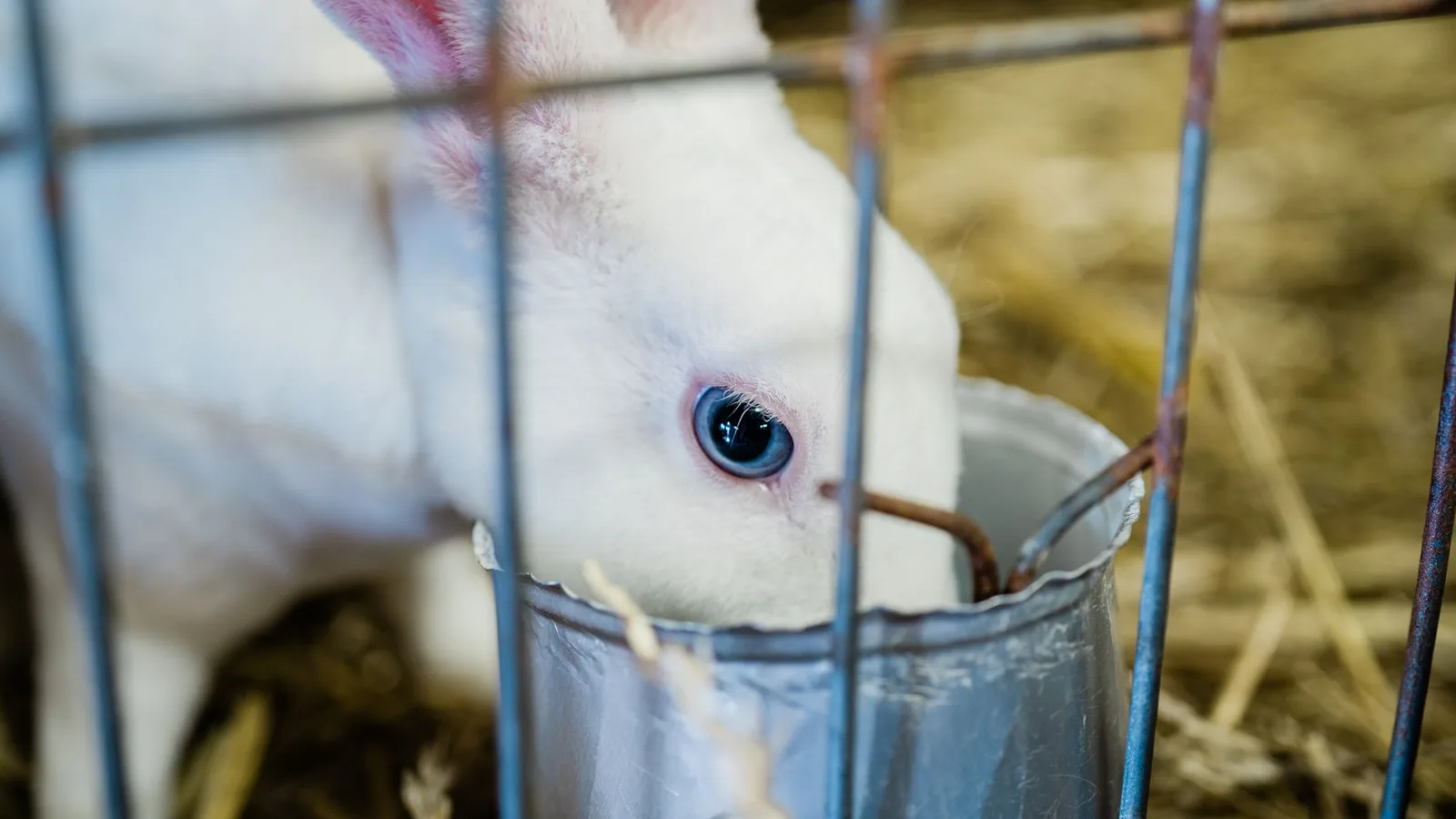
Senior gerbil care is the practice of adjusting housing, diet, monitoring, and handling as a gerbil enters the later part of its life. The first step is to stop using age alone as the trigger. A gerbil becomes a senior patient when it shows age-related changes or when it is in the later portion of its expected lifespan, and that judgment should include body condition, activity, dental health, mobility, and organ function. Mongolian gerbils (Meriones unguiculatus) are the common pet gerbils, and they are small rodents with limited reserve when illness develops [1]. Owners see them at home far more often than a veterinarian does, so daily observations and a simple health log matter.
This article is educational and is not a substitute for veterinary diagnosis or treatment.
At a Glance
| Area | Do this today | Why it helps |
|---|---|---|
| Weight | Record a baseline on a small kitchen scale | A weight trend is more useful than one reading |
| Food | Keep the current staple diet stable until a review | Sudden diet changes can disrupt intake |
| Water | Check the bottle and offer a shallow dish if safe | Hydration support is part of daily care |
| Housing | Add a low-entry burrow and remove fall hazards | Burrows meet a core gerbil need |
| Bedding | Use soft, dust-controlled bedding | Comfort and easier burrowing |
| Social | Watch the pair for bullying or isolation | Companionship can support welfare |
| Enrichment | Offer short, calm foraging or training sessions | Mental engagement without fatigue |
| Handling | Let the gerbil approach your hand | Lower stress during contact |
| Monitoring | Check breathing, eyes, mouth, and droppings daily | Early detection of illness |
| Vet | Schedule a senior wellness review | Baseline exam and advice |
| Records | Keep a simple log | Trends guide decisions |
| Emergency plan | Save vet and transport information | Faster care when problems start |
Senior Gerbil Care: The Core Priorities
Senior gerbil care rests on four practical priorities. Keep the gerbil eating and drinking. Keep the body condition stable. Keep the environment low-stress and easy to move through. Watch for changes early enough to involve a veterinarian.
A gerbil that is slowing down may be normal. A gerbil that is slowing down, losing weight, drooling, and sleeping away from its companion is not simply old. It needs an examination. The same is true for a gerbil that suddenly stops digging or starts chewing at the cage bars. Housing and husbandry shape gerbil behavior strongly, and stereotypic digging and bar chewing have been linked to specific housing and rearing conditions in laboratory gerbils [1].
Small mammals depend heavily on what owners provide for housing, food, and daily care. A survey of small mammal owners found that access to suitable enclosures was a major barrier to good welfare, while most owners were willing and able to provide good care [2]. For a senior gerbil, suitable housing means less climbing, softer surfaces, easier access to food and water, and a quiet place to rest.
How Old Is a Senior Gerbil?
There is no single calendar age that makes a gerbil senior. A gerbil can be in the later part of its life and still look active, and a younger gerbil can look old because of dental disease, pain, or organ disease. Use age as one piece of information, then look at the whole animal.
A practical approach is to ask three questions. Is this gerbil in the later portion of its expected lifespan? Has it changed in activity, weight, grooming, eating, or social behavior? Does the change persist or worsen? If the answer to more than one question is yes, senior-focused care is reasonable even without a precise age.
Gerbil lifespan is a range rather than a fixed number. It varies with genetics, housing, diet, stress, and disease. The same husbandry that supports good welfare in early life continues to matter in old age. A gerbil that has lived in a stable social group, had a burrow, and eaten well may enter old age with better reserve than a gerbil that has lived with chronic stress or conflict. Your veterinarian can estimate life stage from the physical examination and history, but the estimate is not a deadline.
Gerbil Lifespan and the Senior Window
Gerbil lifespan is best treated as a planning horizon. Use it to schedule preventive visits, to prepare a hospital cage, and to think about who will care for the gerbil if you are away. Do not use it to decide that a treatable problem is untreatable.
The senior window is the period when reserve capacity declines. A gerbil may still eat, groom, and interact, but it has less margin for dehydration, pain, dental disease, or a sudden change in housing. That is why senior care is mostly about small adjustments made early. A lower food dish, a softer burrow, and a weekly weight record can prevent a crisis.
Lifespan also depends on social and environmental stability. Gerbils are sensitive to housing conditions, and refinement of housing can reduce stress-related behavior [1]. In a home setting, that means keeping the cage dry, providing a usable burrow, avoiding sudden changes in group composition, and preventing a senior gerbil from being trapped away from food or water.
Signs of Aging in Gerbils
Signs of aging in gerbils are usually trends, not single events. One missed meal or one sleepy day can be normal. A cluster of changes, or a change that persists for more than a day or two, deserves a veterinary call. Owners often use behavioral indicators to judge health and welfare at home, but prey animals can hide illness until they are quite compromised [2].
| Body area | What to watch | What to do |
|---|---|---|
| Activity | Less exploration, more sleep, slower recovery after activity | Record the change and check for pain or illness |
| Coat | Dull, greasy, unkempt, thinning, or poor grooming | Check for dental pain, arthritis, or skin disease |
| Weight | Loss or gain, especially a rapid change | Weigh and call the veterinarian |
| Face | Drooling, eye discharge, cloudy eyes, squinting | Book a dental or eye examination |
| Mobility | Stiffness, reluctance to climb, altered gait | Lower the cage layout and reduce fall risk |
| Digestion | Softer droppings, smaller feces, straining | Check hydration and contact the veterinarian |
| Social | Less interaction, hiding from companions, bullying | Observe closely and seek advice before separating |
| Breathing | Faster breathing, labored breathing, clicking sounds | Treat as urgent |
Early Signs
Early signs include sleeping more, moving more slowly, and spending less time digging. The coat may look less tidy. The gerbil may take longer to come out for food or may eat in shorter sessions. These changes can be normal aging, but they can also be the first signs of dental disease, arthritis, or kidney disease.
Compare the gerbil with its own baseline. A gerbil that was always quiet may be normal. A gerbil that was active and now sits hunched in the burrow is not normal. Keep a short log of what you see and when it started.
Mobility and Comfort
A senior gerbil may stiffen after rest or avoid climbing. It may slide on smooth surfaces or struggle to get into a burrow. Make the cage easier to navigate. Use one level or gentle ramps. Put food and water near the sleeping area. Avoid high shelves and narrow tubes that require twisting.
A gerbil that cannot bear weight, drags a limb, or cries when picked up needs a veterinary examination. Do not assume arthritis without checking for injury, infection, or a mass.
Dental and Eating Changes
Dental disease can change how a gerbil eats before the owner notices weight loss. Watch for drooling, food dropping, chewing on one side, reduced appetite, or a preference for soft food. A gerbil that is interested in food but cannot eat needs a dental examination.
Do not soften food or change the diet long term without veterinary advice. A softened diet may be a short-term bridge to a dental visit, but it can also worsen body condition if the gerbil refuses it or takes in less food.
Sensory Changes
Cloudy eyes, reduced hearing, and slower reactions can appear with age. A senior gerbil may startle less or may startle more because it cannot see or hear you approach. Announce yourself with a gentle voice before touching the cage. Move slowly. Keep the cage in a quiet area away from loud appliances and other pets.
Social and Behavior Changes
Gerbils are social, and changes in group dynamics matter. A senior gerbil may be pushed away from food, blocked from the burrow, or groomed less by companions. Watch for weight loss, bite wounds, or a gerbil that stays in a separate corner. Do not separate a bonded pair just because one gerbil is slower. If there is bullying or injury, ask your veterinarian or a behavior specialist for a plan.
New bar chewing or repetitive digging can signal frustration, dental discomfort, or inadequate housing. In laboratory gerbils, bar chewing was linked to premature separation of juveniles from their family, and stereotypic digging was linked to the lack of a burrow [1]. In a senior home, these behaviors deserve attention rather than punishment.
Senior Gerbil Diet
A senior gerbil diet is not simply a lower-calorie version of adult food. The goal is to keep intake, body condition, dental function, hydration, and digestion stable. Nutrition is part of owner-controlled husbandry, and small mammal welfare depends heavily on what owners provide [2]. A veterinarian should review the current staple food, portion, treat pattern, and body condition before any major change.
Start With the Current Diet
Record what the gerbil actually eats, including the staple food, treats, table food, and any supplement. Bring the label or a photo of the label to the visit. A diet review is easier when the veterinarian can see the product and the portion.
Keep the staple food stable while you gather information. Sudden diet changes can reduce intake and upset the digestive tract. If the gerbil is eating well and maintaining weight, there may be no reason to change the food at all.
Body Condition and Weight
Weigh the gerbil on a small kitchen scale. Use the same scale each time and record the number. A single weight is less useful than a trend. Ask your veterinarian to show you how to assess body condition by feeling the spine, ribs, and hips. A senior gerbil can be overweight, underweight, or normal, and the feeding plan should match the examination.
Weight loss is not a normal part of aging. It can reflect dental pain, reduced appetite, competition for food, digestive disease, kidney disease, or a mass. Book a veterinary visit. Weight gain can also be a problem, especially if the gerbil is less active.
Dental Function
Teeth affect every part of the diet. If the gerbil is dropping food, drooling, or eating less, the mouth needs to be checked. A veterinarian can examine the teeth and decide whether dental work, pain control, or a temporary food adjustment is needed. Do not wait for the gerbil to stop eating completely.
Hydration
Fresh water should be available every day. Check the bottle for leaks or blockage and refresh the water. A shallow dish can be added if the gerbil can use it safely. Monitor urine and droppings. A sudden change in water intake, urination, or stool consistency needs a veterinary call.
Treats and Supplements
Keep treats small and infrequent. Do not add vitamins, minerals, protein powders, or herbal supplements without veterinary advice. Senior gerbils may have reduced kidney or liver reserve, and more is not better. If a product claims to support aging, ask the veterinarian whether it is appropriate for this gerbil and this diet.
Feeding Setup for Seniors
Use shallow dishes that are easy to reach. Place food and water near the sleeping area. If there are multiple gerbils, use more than one feeding station so the senior is not displaced. Hand feeding can be useful for a shy gerbil, but keep sessions calm and short. If the gerbil cannot maintain weight on its current diet, the veterinarian may recommend a specific feeding plan.
Comfort and Housing
Comfort is a medical issue. A senior gerbil that cannot reach water, cannot turn around in a tube, or slips on a smooth floor is at risk of dehydration, falls, and stress. Housing should be adjusted before a crisis.
Burrows and Bedding
The strongest housing change is a usable burrow. In laboratory gerbils, the lack of a burrow caused stereotypic digging, and an artificial burrow system prevented it [1]. A senior home burrow should have a wide entrance, a soft interior, and a stable floor. Avoid narrow tunnels and sharp edges. Use dust-controlled bedding that supports burrowing without irritating the eyes or nose.
Space and Layout
Choose housing that allows normal movement, burrowing, and separation of sleeping, feeding, and toileting areas. For a senior, reduce climbing and fall risk. Use one level or gentle ramps. Put the burrow, food, and water within easy reach. Keep the cage escape-proof. Check for gaps, loose wires, and areas where a slower gerbil could become trapped.
Temperature, Lighting, and Noise
Keep the cage away from drafts, direct sun, and loud equipment. Provide a quiet sleep area. A predictable light cycle and a stable routine help reduce stress. Do not use a heat lamp or heating pad without veterinary guidance because a gerbil can overheat or burn.
Social Housing and Conflict
Gerbils are social, and familiar companions can be a source of comfort. Do not separate a bonded pair without a plan. Watch for bullying, food guarding, blocked access to the burrow, and bite wounds. If separation is needed for medical care, ask the veterinarian how to manage scent, housing, and reintroduction.
Enrichment and Low-Stress Handling
Mental engagement matters in senior care. Clicker training was adapted for Mongolian gerbils and was fast, efficient, and well tolerated. Trained gerbils, particularly females, showed increased voluntary interaction with the experimenter's hand [3]. For a senior, short training sessions with a food reward can make hand contact predictable and less stressful.
Let the gerbil approach your hand. Use a scoop or a low, supported lift. Do not chase, grab, or pick up a gerbil by the tail. Keep sessions brief and end before the gerbil becomes tired or tense.
Preventive Care and Monitoring
Senior care is not a one-time cage makeover. It is a schedule of observation, record keeping, and veterinary review. The earlier a problem is found, the more options remain.
Veterinary Examination
A senior wellness visit should include a full physical examination. The veterinarian will check weight, body condition, teeth, eyes, ears, skin, abdomen, heart, lungs, and movement. Bloodwork may be considered. In gerbils, blood sample collection and hemogram interpretation are part of small mammal practice, and a veterinarian can use those results with the physical examination [4]. The need for bloodwork is a clinical decision.
Home Monitoring
Check the gerbil at least once daily. Look at activity, appetite, water intake, droppings, breathing, eyes, and mouth. Look at the group pattern. Is the senior gerbil eating with the others? Is it sleeping in the burrow? Is it grooming? A quick daily check is often enough to catch a change.
Weigh regularly and write down the number. Keep a note of any new behavior, such as bar chewing, circling, head tilt, or reluctance to move. Record what the gerbil eats and whether it finishes the food.
Records and Trends
A simple notebook or phone note is enough. Record weight, appetite, water intake, droppings, activity, and any veterinary visits. Trends are more useful than isolated observations. A steady decline over two weeks matters more than one quiet morning.
Recheck Timing
Your veterinarian will set the recheck interval based on the problem. Follow that plan. If a gerbil is being monitored for weight loss, dental disease, or a mass, keep the appointment even if the gerbil seems better. Senior gerbils can improve briefly and then decline.
Common Mistakes and Troubleshooting
Common mistakes in senior gerbil care include assuming that slowing down is normal, changing the diet abruptly, separating a bonded pair, removing the burrow because it is hard to clean, and ignoring weight loss. Another common mistake is using a heat lamp or human medication without veterinary advice.
| Problem | First steps | Urgency |
|---|---|---|
| Not eating | Check teeth, food, water, and droppings. Offer familiar food. Call the veterinarian. | Urgent |
| Weight loss | Weigh and record. Review competition for food. Book a visit. | Soon |
| Labored breathing | Minimize stress. Keep the gerbil warm. Call the veterinarian. | Emergency |
| Drooling or food dropping | Check the mouth. Do not wait for complete refusal. | Soon |
| Diarrhea | Check hydration. Clean the cage. Call the veterinarian. | Soon |
| Seizure | Protect from falls. Keep the environment quiet. Call the veterinarian. | Emergency |
| New mass | Note the size and location. Do not squeeze it. Book a visit. | Soon |
| Straining to urinate | Call the veterinarian immediately. | Emergency |
Troubleshooting starts with one question. Is the gerbil stable enough to wait for a routine appointment, or is this an emergency? Breathing difficulty, collapse, seizure, bleeding, inability to urinate, and severe diarrhea are emergencies. Dental pain, weight loss, and a new mass are usually urgent but not always immediate.
Welfare and Safety Points
Welfare in senior gerbil care rests on nutrition, environment, health, behavior, and mental state. The Five Domains model is used to organize these areas, and owner surveys show that behavioral indicators are often used at home to judge welfare [2]. For a senior gerbil, good welfare means access to food and water without competition, a soft burrow, a quiet place to rest, familiar companions, and choices about contact.
Safety points include an escape-proof cage, safe bedding, no access to electrical cords, and supervision during out-of-cage time. Keep other pets away. Do not use human pain relievers, antibiotics, or sedatives. Do not add supplements without veterinary advice. Store food properly and check for spoilage.
Comfort points include soft bedding, low-entry housing, shallow dishes, gentle handling, and a predictable routine. A senior gerbil may prefer to stay in the burrow more often. Allow that choice while still checking appetite, weight, and hydration.
Limitations and When to Contact a Veterinarian
This article is educational and is not a substitute for veterinary diagnosis or treatment. Individual cases need a veterinarian who can examine the gerbil, review the history, and make a plan.
Contact a veterinarian immediately for labored breathing, collapse, seizure, bleeding, inability to urinate, severe diarrhea, or a suspected fracture. Contact the same day for complete refusal to eat, rapid weight loss, drooling, a new mass, eye injury, or a gerbil that cannot move normally. Book a routine senior visit for gradual slowing, coat changes, or questions about diet and housing.
Owner resources such as the Merck Veterinary Manual's exotic and laboratory animal pages and VCA small mammal guides can help you prepare questions for a visit. They do not replace an examination. Bring your weight log, diet label, and a list of changes to the appointment.
Frequently Asked Questions
How old is a senior gerbil?
There is no single calendar age that defines senior status. A gerbil is treated as senior when it is in the later part of its expected lifespan or shows age-related changes in weight, activity, teeth, mobility, or organ function.
What are the first signs of aging in gerbils?
Early signs often include less activity, more sleep, slower grooming, and subtle weight change. A persistent change or a cluster of changes should prompt a veterinary visit.
How long do gerbils live?
Gerbil lifespan is a range and varies with genetics, housing, diet, stress, and disease. Ask your veterinarian for an estimate based on the individual gerbil.
Should I change my senior gerbil's diet?
Not automatically. Keep the staple diet stable until a veterinary review. Diet changes should be based on body condition, dental health, digestion, and laboratory findings.
Do senior gerbils need a different cage?
Most senior gerbils benefit from a lower, easier layout. Reduce climbing, add a wide-entry burrow, use shallow dishes, and keep food and water close to the sleeping area.
Are supplements helpful for senior gerbils?
Do not add supplements without veterinary advice. A senior gerbil may have reduced organ reserve, and unnecessary supplements can do more harm than good.
Can senior gerbils live alone?
Gerbils are social, and familiar companions can support welfare. Do not separate a bonded pair without a plan. If bullying or injury occurs, seek veterinary or behavior advice.
How often should a senior gerbil see a vet?
The schedule depends on the individual gerbil and any diagnosed problems. Ask your veterinarian after the senior wellness examination and follow the recommended recheck interval.
Sources
- Refinement of gerbil housing and husbandry in the laboratory.
- Small mammal owners' experiences of housing challenges and animal welfare: A COM-B and word frequency analysis.
- Enhancing Gerbil Welfare Through Positive Reinforcement Training in Research Environments.
- Hematologic Assessment in Pet Rats, Mice, Hamsters, and Gerbils: Blood Sample Collection and Blood Cell Identification.