Senior Chinchilla Care: Aging Signs, Diet, and Comfort
By Dr. Zubair Khalid, DVM, MS, PhD ·
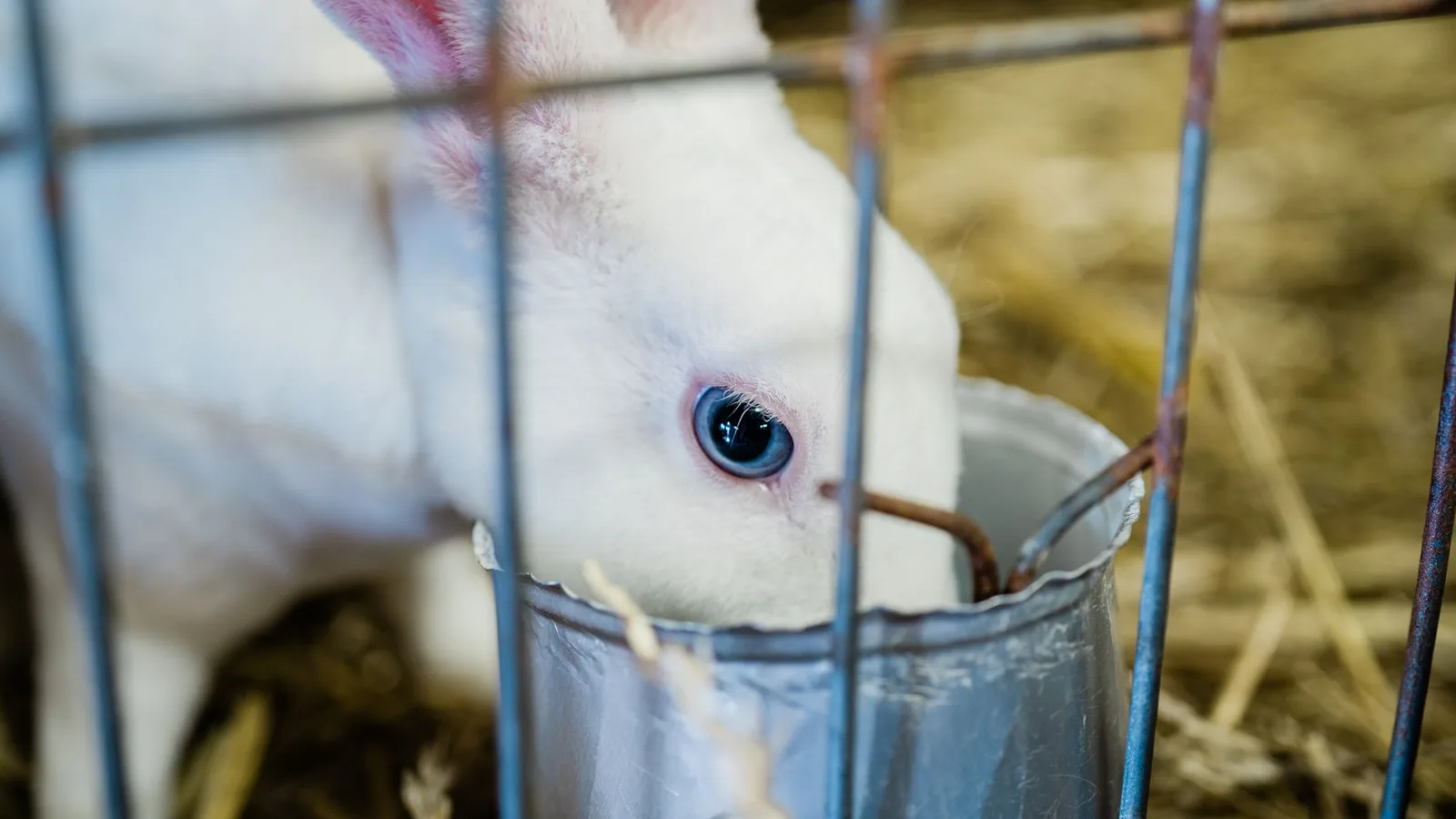
A chinchilla is generally treated as a senior once it reaches roughly 8 to 10 years of age, which is about the point where muscle mass, activity, dental health, and heat tolerance begin to shift. Senior chinchilla care is less about buying new products and more about protecting three things: a high-fiber diet the teeth can still process, steady water intake, and a cage that asks less of aging joints and senses.
Chinchillas are long-lived rodents, and a well-cared-for animal can stay with a family for well over a decade. That long window is good news, and it also means the senior years deserve a plan rather than a shrug. The changes that matter most are usually gradual, measurable, and easy to miss unless you record them.
This article is educational and is not a substitute for veterinary diagnosis or treatment.
At a Glance: Senior Chinchilla Care Checklist
| Task | Why it matters | Frequency |
|---|---|---|
| Weigh on a gram scale at the same time of day | Detects muscle loss and dental-driven decline before the coat or behavior changes | Weekly |
| Offer fresh grass hay and confirm it is being eaten | Fiber drives tooth wear and normal gut movement | Daily |
| Check and record water intake | Water is one of the earliest markers of change in older small mammals | Daily check, weekly record |
| Inspect the mouth, incisors, and chewing style | Dental disease is a leading senior concern in chinchillas | Daily |
| Check the soles of the feet and the fur around the tail and belly | Sores and mats begin quietly and are easier to fix early | Weekly |
| Review ramps, ledges, and litter entry height | Lower jump heights reduce fall and strain risk | Monthly, or after any mobility change |
| Book a wellness exam with a veterinarian who treats exotics | Early findings on teeth, eyes, heart, and weight trend | Yearly, more often if your veterinarian advises |
| Keep a short behavior and appetite log | Owners detect welfare changes mainly through behavior | Continuous |
How Old Is a Senior Chinchilla?
Chinchillas are hystricomorph rodents with a comparatively slow life history for a small mammal, and that shapes how their care should be organized [1]. Standard husbandry references such as the Merck Veterinary Manual describe the chinchilla as a long-lived species, and many healthy animals live into their teens. Because of that, most clinicians begin to call a chinchilla senior somewhere between 8 and 10 years of age, and treat anything past about 12 as geriatric.
The exact cutoff matters less than the trend. A 9-year-old chinchilla that holds its weight, eats hay well, and moves confidently needs fewer changes than a 7-year-old that has dropped 60 grams over two months. Age is a starting point for more frequent monitoring, not a diagnosis.
Chinchilla Lifespan and Age Bands
| Stage | Approximate age | Main care focus |
|---|---|---|
| Juvenile | Birth to 8 months | Growth, socialization, establishing a hay-based diet |
| Young adult | 8 months to 4 years | Routine husbandry, building a weight baseline |
| Mature adult | 4 to 8 years | Dental monitoring, weight trend, early habit changes |
| Senior | 8 to 10 years onward | Earlier detection, diet refinement, comfort-focused housing |
| Geriatric | 12 years and beyond | Comfort, frequent exams, quality-of-life planning |
Age at acquisition is often unknown. Chinchillas bought from pet stores or adopted from shelters frequently arrive without a reliable birth date. In those cases, ask your veterinarian to estimate age from the teeth, body condition, coat quality, and eye clarity, then treat that estimate as your working baseline. Record it once and stop guessing every visit.
Chinchillas have been farmed and kept in captivity for about a century, yet published research on their behavior and optimal housing remains limited [2]. That gap is one reason why owner observations matter so much. Much of what is known about the daily life of a pet chinchilla comes from careful watching at home.
Signs of Aging in Chinchillas
Aging in chinchillas rarely announces itself. Owners usually notice a change in routine first, then a change in body condition. Behavioral observation is the tool owners reach for most often, and surveys of small mammal owners show that behavior is the primary way people judge health and welfare at home [3]. What follows are the patterns worth tracking, and the ones worth a phone call.
Activity and Sleep Changes
In a controlled study of female chinchillas, the animals spent about 68% of the day resting, 23% in locomotion, and the rest eating and performing other activities [2]. Rest already dominates the chinchilla day. In older animals, the resting share typically climbs and the active window narrows.
What to watch for is a change from your own baseline. A senior that used to run a lap of the cage at dusk and now stays in the nest box, or one that sleeps through a feeding that once brought it out immediately, has given you useful information. Sudden inactivity is more urgent than a slow decline over a year.
Weight and Muscle Loss
Weight is the single most useful number in senior chinchilla care. Muscle is lost first along the spine and over the hips, so a chinchilla can look normal in the body and still be losing condition. Weigh weekly on a small digital kitchen scale and keep the numbers in one place.
A steady downward drift over three or four weeks deserves a veterinary exam even if the animal is eating normally. Weight loss in an older chinchilla can reflect dental pain, reduced hay intake, kidney or liver change, or simply a diet that no longer matches the animal's needs. The scale gives your veterinarian a starting point that no physical exam can replace.
Coat, Skin, and Self-Grooming
Chinchillas are fastidious groomers. When grooming slips, the first signs appear as small mats behind the ears, under the tail, and along the belly. A dull or greasy coat in an animal that usually looks dense and dry suggests something upstream, often reduced mobility, dental discomfort, or weight loss.
Check the fur at the base of the tail weekly. Mats there are common in older animals that sit more and move less. Do not cut mats out with scissors near the skin. Ask your veterinarian or a technician to handle dense mats, and treat recurring mats as a symptom rather than a grooming problem.
Eyes, Ears, and Nose
Cloudiness in the lens, a bluish tint, or a white reflection can appear as chinchillas age, and any of these warrants an exam. Discharge from the eyes or nose, squinting, or a head tilt are not normal aging and need same-week veterinary attention.
Ears should be clean and pale. Dark debris, odor, or head shaking points to a problem that is easier to treat early.
Mobility, Feet, and Posture
Older chinchillas often stop using the highest ledge before an owner notices anything else. Watch how the animal gets down from a shelf, whether it lands heavily, and whether it hesitates before a jump. Reluctance to jump, a stiff gait, or a new preference for the floor are common early signs of joint discomfort.
Check the soles of the hind feet each week. Chinchillas kept on wire floors concentrate pressure on a small area of the foot, and older, heavier, or less mobile animals are the most vulnerable. The chinchillas in the cage-type study showed the most timid reactions to humans when housed on standard wire floors [2], and wire is also the least forgiving surface for aging feet. Solid flooring with deep litter is the easier choice on both counts.
Teeth and Eating
Dental problems are among the most common reasons an older chinchilla stops thriving. Poor diets are a recognized route to disease in this species [1], and the mouth is usually where owners see the consequences first. Chinchilla teeth grow continuously and depend on abrasive fiber to wear correctly.
Daily signs to watch:
- Hay left untouched while pellets disappear
- Dropping food, or chewing on one side
- Wet fur under the chin or around the mouth
- Swelling along the jaw or under the eye
- A sudden preference for soft treats over hay
- Reduced fecal output, or smaller, harder droppings
Any of these means a veterinary visit, not a diet tweak at home. A chinchilla that cannot grind hay is at risk of rapid deterioration.
Water Intake Changes
Water intake in chinchillas varies widely between individuals and is closely tied to how much they eat, the ambient temperature, and the amount of calcium the kidneys are excreting [4]. Because of that natural variation, no single daily volume applies to every animal. The water to feed ratio is a more meaningful indicator than a fixed number, and it only works if you know your own animal's normal [4].
Adequate water supply matters for health reasons, including prevention of urolithiasis, and it matters for welfare [4]. Water intake can also rise as a substitute behavior in animals with behavioral problems, which is one reason a sudden increase should prompt questions about the whole environment and not only the kidneys [4]. Track the bottle level or bowl volume over 24 hours once a week and note any sustained shift.
Temperature and Heat Tolerance
Chinchillas are not built for heat, and older animals compensate less well. A senior that sprawls, breathes faster, or seems dull on a warm day needs a cooler room immediately. Keep the cage out of direct sun, away from radiators, and away from the warmest corner of the room. Air movement in summer matters more than any other single change.
Behavior and Temperament
Some older chinchillas become more tolerant of handling, some become less. Both are worth noting. A senior that suddenly resists being picked up may be in pain rather than grumpy. A chinchilla that stops vocalizing, or vocalizes more, is giving you a signal that belongs in your log and in your next veterinary conversation.
Housing also shapes behavior. Chinchillas kept in enlarged cages with deep shavings litter showed significantly less timid reactions to humans than those kept in standard cages with wire floors or standard cages with shavings [2]. Comfortable housing does not just protect the body. It changes how the animal relates to people.
A Quick Reference for Senior Signs
| Sign | Common explanation in older chinchillas | Urgency |
|---|---|---|
| Gradual weight loss | Dental pain, reduced hay intake, organ change | Veterinary visit within days |
| Sudden refusal of food | Dental disease, gut slowdown, pain | Same-day veterinary care |
| Increased drinking | Heat, dietary change, calcium excretion, behavior | Vet visit if sustained beyond a few days |
| Reduced jumping | Joint discomfort, muscle loss, vision change | Vet visit at next opening |
| Mats and dull coat | Reduced grooming, weight loss, mobility limits | Weekly monitoring, vet if progressing |
| Cloudy eyes | Lens changes, age-related eye disease | Vet visit to confirm |
| Sore soles | Pressure on wire or hard flooring | Vet visit, change bedding now |
| New aggression toward a cage mate | Pain, crowding, social stress | Separate and call the vet |
Senior Chinchilla Diet
The senior chinchilla diet is not a new diet. It is the same high-fiber, hay-first diet the species needs at every age, delivered with more precision and less improvisation. What changes is the margin for error. An older animal has less reserve to absorb a week of poor hay or a bag of sugary treats.
Hay Is the Foundation
Grass hay should be available at all times, fresh, dry, and clean. Hay does two jobs that no pellet can replace. It wears the continuously growing teeth, and it provides the fiber bulk that keeps the gut moving. A chinchilla that stops eating hay has lost the foundation of its diet, and that is a veterinary question, not a menu question.
Check the hay daily for dust, mold, and dampness. Older animals with reduced immunity are less tolerant of spoiled feed. Store hay dry and off the floor, and replace anything that smells musty.
Pellets: Measure Instead of Free-Feeding
Pellets are a supplement to hay, not a replacement. In a senior animal, offer a measured portion rather than a bowl that stays full, so you can see exactly how much is being eaten and adjust with your veterinarian. A full bowl hides a declining appetite until the animal has already lost condition.
If your chinchilla is leaving pellets and eating hay normally, that can be fine. If the pattern reverses, treat it as a warning sign and get the mouth checked.
Water and Hydration
Water is the easiest thing to overlook and one of the most informative. The water requirement of small mammals is not well standardized, and species differ substantially in how much they drink relative to what they eat [4]. That is why general recommendations for water supply are difficult to give and why individual tracking is the practical answer [4].
Practical steps:
- Offer water in a bottle, a bowl, or both, and check twice daily that water is actually moving.
- Measure intake over 24 hours once a week and write it down next to the weight.
- Note ambient temperature on the same line, since heat changes drinking [4].
- Clean bottles and bowls frequently. Older animals are less able to cope with bacterial contamination.
- Report a sustained increase or decrease to your veterinarian, along with any change in food intake.
Treats and Chews
Keep treats small, infrequent, and hay-based. Senior chinchillas do not need a broader diet, they need a more consistent one. New foods introduced late in life are harder to evaluate because the animal has less reserve if something disagrees with it.
Safe chew items support normal tooth wear and give an older animal something to do without demanding athletic effort. Avoid anything hard enough to chip a weakened tooth, and avoid sticky or sugary items entirely.
Diet Transitions
When a change is necessary, such as switching hay due to supply or moving to a different pellet, mix the new food into the old in increasing proportions over a week or more. A sudden switch in an older animal can trigger refusal or loose droppings. If your chinchilla refuses the new food, stop and speak with your veterinarian before pushing through.
Dental-Driven Adjustments
If a chinchilla cannot chew hay because of dental disease, do not solve it with softened food at home. The underlying problem needs a diagnosis. Soaked pellets, softened hay, or recovery diets are sometimes part of a post-treatment plan, but the choice belongs to the veterinarian who has examined the mouth.
Medications and Antibiotic Caution
Chinchillas are among the small mammals with recognized antibiotic toxicity, and drug administration in this species requires specific care [1]. Never give an antibiotic, antiparasitic, or supplement on the advice of a pet store, a forum, or an old bottle from another pet. Any medication for a senior chinchilla should come from a veterinarian who has weighed the animal and reviewed its history.
Comfort and Housing for the Senior Chinchilla
Housing is where senior care becomes concrete. The right setup reduces the physical cost of every movement, keeps the animal warm and dry, and lowers the chance of a fall that ends in a fracture.
Space and Complexity
Space and cage complexity affect chinchilla behavior, and larger enclosures with deep litter produced calmer responses to humans in a controlled study of female chinchillas [2]. That study involved farmed animals, so apply it as a direction rather than a precise prescription. The principle holds: more room and better footing support more natural behavior.
Owners who want to improve housing often face a practical barrier rather than a motivational one. In a survey of 723 small mammal owners, the availability of suitable enclosures was the main obstacle to better housing, while capability and motivation were generally present [3]. If cost or space is the constraint, prioritize flooring, low resting spots, and a quiet location over sheer size.
Flooring and Litter
Solid flooring with deep shavings is the senior-friendly default. It distributes weight across the foot, absorbs urine, and gives the animal something to dig into. Wire floors concentrate pressure and are the least suitable surface for an older, heavier, or less mobile chinchilla.
Keep the litter clean and dry. Damp bedding against the feet and belly is a direct route to skin problems in an animal that sits more than it used to.
Rest Spots and Jump Heights
Replace high ledges with wide, low shelves. Add a ramp to anything the chinchilla still wants to reach. Provide a covered nest box so the animal can sleep away from light and drafts. The goal is to keep the cage interesting without requiring the same athleticism it did five years ago.
Temperature, Ventilation, and Drafts
Keep the room cool, dry, and ventilated. Avoid placing the cage against a window that receives direct afternoon sun, above a radiator, or in a draft between a door and a window. Older chinchillas lose some ability to regulate body temperature, and heat is the most dangerous environmental stressor for the species.
Light, Noise, and Routine
Chinchillas rest for most of the day [2], so a quiet, dim corner supports better sleep. Keep household noise predictable. Feed and clean at roughly the same times each day. Predictability is a comfort measure in its own right for a prey animal that is slowing down.
Cage Mates and Social Stress
A bonded pair can stay together into old age, and company is often calming. Watch for competition over food and water, mounting, guarding of the nest box, and new squabbling. A senior that is being pushed away from the food bowl needs a second feeding station or a temporary separation, and a sudden change in a long-standing pair is worth a veterinary look because pain often shows up as irritability.
Handling
Handling an older chinchilla should be quiet and brief. Support the hindquarters, keep the animal close to your body, and never lift by the tail or scruff. Approach from the side rather than from above. Proper handling technique is part of basic chinchilla husbandry and is covered in standard clinical reviews of the species [1].
If your chinchilla has stopped tolerating being picked up, that change is medical information. Mention it at the next visit rather than working around it.
Dust Baths
Chinchillas need dust baths to keep the coat clean and dry. Older animals with reduced mobility may struggle to roll in a deep container, so use a shallow dish and supervise the session. Keep baths short and offer them a few times a week, adjusting to coat condition. Skip the bath if the skin is broken or the animal is recovering from surgery, and ask your veterinarian for guidance in that situation.
Enrichment That Fits an Older Body
Enrichment for a senior should be low-effort and high-interest. Hiding hay in a paper bag, offering a new chew item, or rearranging a low tunnel gives the animal something to investigate without requiring a jump. Rotate a few items rather than filling the cage. Novelty is useful, but too much change at once is stressful.
Senior Chinchilla Care: The Daily and Weekly Routine
A simple routine catches problems earlier than any gadget. This is the version worth putting on the refrigerator.
- Morning: check water flow, refresh hay, remove wet litter, and look at the animal's eyes, nose, and posture.
- Evening: offer the measured pellet portion, observe how eagerly the animal comes out, and note the active window.
- Daily: scan the droppings for size, number, and moisture, and check that hay is actually being eaten rather than scattered.
- Weekly: weigh, check the soles of the feet, check for mats, measure water intake, and write everything on one sheet.
- Monthly: inspect ramps, ledges, and the litter container for sharp edges, instability, or height that no longer suits the animal.
- Quarterly: review the weight chart with your veterinarian's office and confirm the next exam date.
- Yearly or as advised: wellness examination with an exotics-proficient veterinarian.
Monitoring: What to Record and What Changes Matter
Four numbers and two observations cover most of senior monitoring.
- Weight in grams, same scale, same time of day.
- Water intake over 24 hours, once a week.
- Hay consumption, judged by how much is gone versus how much is scattered.
- Dropping output, judged by count and appearance.
- Activity window, meaning when the animal is awake and moving.
- Appetite and interest in treats or novel items.
Record them in one place. A single weight is a snapshot. A line of weights over three months is a clinical tool your veterinarian can act on.
Behavior deserves equal weight to the numbers. Owners identify positive health and welfare mainly through behavioral indicators, and that approach maps well onto structured welfare frameworks such as the Five Domains, which consider nutrition, environment, health, and mental state together [3]. A senior chinchilla that still investigates, grooms, sleeps in a normal posture, and interacts with its cage mate is doing well even if one number looks odd.
Common Mistakes Owners Make
Waiting for obvious symptoms. Chinchillas hide decline. By the time an older animal looks sick, it has often been losing weight for weeks.
Free-feeding pellets to a senior. A full bowl hides reduced intake and encourages the animal to fill up on pellets instead of hay.
Removing hay because the chinchilla "prefers" pellets. Hay is the part of the diet that protects the teeth and gut. Reversing the preference requires veterinary input, not a menu change.
Keeping the cage layout unchanged. A cage that worked for a 4-year-old can be a hazard for a 12-year-old. Jump height matters more every year.
Treating mats as a grooming problem. Recurring mats usually reflect reduced grooming, weight loss, or pain.
Giving antibiotics from a previous prescription. Antibiotic toxicity is a real risk in chinchillas and drug selection requires veterinary judgment [1].
Assuming increased drinking is normal aging. A sustained rise in water intake can reflect heat, dietary change, calcium excretion, or behavior, and it deserves a conversation with your veterinarian [4].
Skipping the yearly exam because the animal seems fine. Wellness exams are how baseline values and weight trends get established before a crisis.
Troubleshooting: Common Senior Scenarios
The chinchilla stops eating hay but still takes pellets and treats. Treat this as a dental signal. Book an exam and stop offering treats until the mouth has been checked.
Weight is dropping but appetite looks normal. Check water intake, hay quality, and dropping output, then book an exam. Normal-looking appetite in a chinchilla can still mean reduced calorie intake if the animal is dropping food.
Drinking has increased sharply. Note the room temperature, any diet change, and whether the animal is urinating more. Report all three to your veterinarian [4].
The chinchilla is dull and cool to the touch. Warm the room, offer a hide, and contact a veterinarian promptly. A cold, quiet chinchilla is an emergency until proven otherwise.
There is a bare, red patch on the sole of a hind foot. Change bedding immediately, keep the surface soft and dry, and arrange a veterinary visit. Foot sores in small mammals worsen quickly when pressure continues.
The chinchilla has stopped producing droppings. This is urgent. Contact a veterinarian the same day. Do not wait to see if it resolves overnight.
A bonded pair has started fighting. Separate them, provide two of everything, and have the senior examined for pain before attempting reintroduction.
Cloudiness has appeared in one eye. Have it examined. Some age-related eye changes are manageable, and some are painful.
Welfare and Safety Points
Welfare in a senior chinchilla covers more than the absence of disease. It includes a diet the animal can actually eat, an environment that does not punish weak joints, freedom from fear, and the ability to express normal behavior such as grooming, digging, and investigating.
Behavioral indicators are the most commonly used welfare markers among small mammal owners, and they are a legitimate first-line assessment [3]. Use them as a prompt for professional input rather than a substitute for it.
Safety points worth repeating:
- Solid flooring with deep litter, especially for animals that sit more.
- No wire shelves at a height the animal can fall from.
- A cool room in summer, with no direct sun on the cage.
- Dust baths in a shallow dish, supervised.
- No new medications, supplements, or diets without veterinary input.
- A second water source during any period of reduced mobility.
Limitations and When to Contact a Veterinarian
This article describes general patterns. Individual chinchillas vary, and only a veterinarian who has examined your animal can diagnose or treat a specific problem.
Contact a veterinarian promptly if you see any of the following:
- Refusal of food or water for more than a few hours
- No droppings, or a sharp drop in droppings
- Weight loss that continues across two consecutive weekly weigh-ins
- Drooling, wet fur under the chin, or dropping food
- Labored breathing, open-mouth breathing, or a blue tinge to the gums
- A cold, limp, or unresponsive chinchilla
- Sores or swelling on the feet
- Discharge from the eyes or nose, head tilt, or a sudden change in balance
- A new lump, or a wound that is not healing
- Sudden aggression toward a cage mate
- A sustained change in water intake that lasts more than a few days
Call sooner rather than later. Small mammals deteriorate faster than dogs and cats, and a senior chinchilla has less reserve than a young one.
Frequently Asked Questions
How old is a senior chinchilla?
Most clinicians consider a chinchilla senior from around 8 to 10 years of age, with geriatric care beginning near 12.
What are the first signs of aging in chinchillas?
Reduced jumping and activity, gradual weight loss along the spine and hips, and a duller coat are usually the earliest changes.
How long do chinchillas live?
Chinchillas are long-lived rodents, and many healthy animals live into their teens, which is why senior care can span several years.
What should a senior chinchilla eat?
A senior chinchilla needs unlimited fresh grass hay, a measured portion of pellets, and water tracked for changes, with only small hay-based treats.
How much water should a senior chinchilla drink?
There is no single correct volume because intake varies widely between chinchillas and depends on food, temperature, and calcium excretion.
Do older chinchillas need a different cage?
Most do benefit from changes. Lower ledges, solid flooring with deep litter, and a covered nest box reduce strain and fall risk.
Can senior chinchillas still have dust baths?
Yes. Use a shallow dish, keep sessions short, and supervise if the animal has trouble rolling.
How often should a senior chinchilla see a veterinarian?
At least once a year, and more often if your veterinarian recommends it after reviewing the weight trend and dental health.
References used in this article
- Łapiński S, Niedbała P, Markowska K, et al. The effects of age, size, and cage complexity on the behaviour of farmed female chinchillas (Chinchilla lanigera). Scientific Reports. 2023. https://pubmed.ncbi.nlm.nih.gov/37059744/
- Carroll G, Taylor K, Stallard C, et al. Small mammal owners' experiences of housing challenges and animal welfare: A COM-B and word frequency analysis. Animal Welfare. 2025. https://pubmed.ncbi.nlm.nih.gov/40988868/
- Wolf P, Cappai MG, Kamphues J. Water consumption in small mammals (dwarf rabbits, Guinea pigs and chinchillas): New data about possible influencing factors. Research in Veterinary Science. 2020. https://pubmed.ncbi.nlm.nih.gov/32987296/
- Donnelly TM, Brown CJ. Guinea pig and chinchilla care and husbandry. Veterinary Clinics of North America: Exotic Animal Practice. 2004. https://pubmed.ncbi.nlm.nih.gov/15145394/
Sources
- Guinea pig and chinchilla care and husbandry.
- The effects of age, size, and cage complexity on the behaviour of farmed female chinchillas (Chinchilla lanigera).
- Small mammal owners' experiences of housing challenges and animal welfare: A COM-B and word frequency analysis.
- Water consumption in small mammals (dwarf rabbits, Guinea pigs and chinchillas): New data about possible influencing factors.