Why Is My Hedgehog Sleeping at Night? What It Means
By Dr. Zubair Khalid, DVM, MS, PhD ·
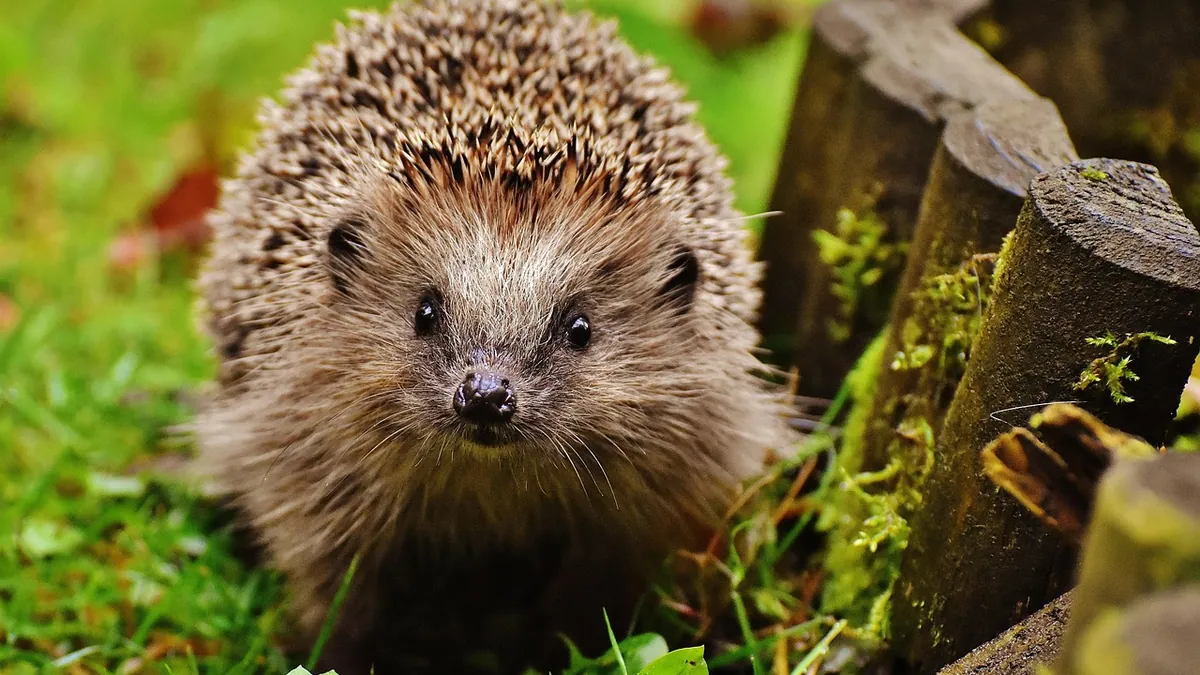
Hedgehogs are naturally nocturnal, so most healthy hedgehogs wake up after dark and sleep through much of the day. If your hedgehog is sleeping at night instead, the first thing to check is whether its "night" has simply shifted to daytime hours. A true change in the sleep-wake pattern, especially with less eating or activity, can point to illness, stress, or a problem with its environment.
This article is educational and is not a substitute for veterinary diagnosis or treatment.
Quick Answer
- A healthy hedgehog usually sleeps during the day and is active at night, so sleeping at night is unusual and worth investigating.
- The most common harmless reason is a flipped schedule, where the hedgehog is awake during the day and asleep when you expect activity.
- Cold temperatures, bright lights, and daytime disturbances can push a hedgehog to sleep more at night.
- True lethargy, meaning your hedgehog is weak, cold, or hard to rouse, is a medical concern and needs a veterinarian.
- Track eating, drinking, weight, breathing, and droppings for 24 to 48 hours before you decide what is going on.
Normal Hedgehog Sleep Patterns
Hedgehogs Are Nocturnal by Nature
Hedgehogs are built for life after dark. In the wild, they move around at night, and research on West European hedgehogs found that movement tended to increase before dawn [1]. That tells you the natural rhythm is sleep during daylight and activity in the dark hours.
A pet hedgehog usually follows the same pattern. It may stir briefly during the day, especially around feeding time, then sleep in short bouts. Most owners see the real activity start in the evening and continue overnight.
What a Normal Sleep Cycle Looks Like
Hedgehogs do not sleep in one long block like people do. They cycle through periods of sleep and wakefulness. Your hedgehog may wake, eat, run on its wheel, groom, then go back to sleep several times in a night.
This is why a hedgehog that sleeps at night but is busy during the day is not necessarily sick. It may simply have its active hours reversed. The question is whether the hedgehog is healthy and behaving normally during its awake time.
Daytime Sleeping Is Expected
If you searched for "hedgehog daytime sleeping," the answer is simple. Daytime sleeping is normal for this species. A hedgehog curled up and asleep at noon is doing exactly what its body tells it to do.
The problem starts when the pattern flips and the hedgehog sleeps through the hours it should be active. That is when you look for a cause.
Why Is My Hedgehog Sleeping at Night? Common Reasons
A Flipped Schedule
The most common reason is a reversed schedule. If your hedgehog is awake and active during the day, it may be sleeping at night because its body clock has shifted. This often happens when daytime noise, light, or handling keeps the hedgehog awake when it should be resting.
Over time, the hedgehog learns to sleep when the house is quiet, which is often at night. This is a schedule problem, not a disease, but it can still affect your hedgehog's health if it never gets consistent rest.
Environmental Stressors
Hedgehogs are sensitive to their surroundings. Bright lights left on at night, a cage in a busy room, or a nearby predator (like a dog or cat) can all change when a hedgehog feels safe enough to be active. Stress hormones rise with these pressures, and researchers use fecal glucocorticoid metabolites to measure that stress response in hedgehogs [2].
A stressed hedgehog may hide and sleep more, including at night. Look at the cage location, lighting, and noise level before you assume illness.
Temperature and Hibernation Instincts
Hedgehogs can enter torpor or hibernation when temperatures drop and food is scarce. Hibernation is a natural state of low metabolism that helps animals survive cold and hunger [3]. A pet hedgehog kept too cool may become sluggish and sleep far more than usual.
This is not true hibernation in most pet cases, but the behavior can look similar. If your hedgehog is cool to the touch and sleeping heavily, check the cage temperature and contact your veterinarian.
Age and Individual Variation
Some hedgehogs are simply less active than others. Older hedgehogs may sleep more. A hedgehog that has always been calm may not change much with age.
The key is change. If your hedgehog's sleep pattern is new, that matters more than the pattern itself.
Medical Causes to Rule Out
Lethargy vs. Normal Sleep
Lethargy is not the same as sleeping. A lethargic hedgehog is weak, slow to respond, and may not uncurl when you touch it. It may also stop eating or drinking.
If your hedgehog is sleeping at night and also seems weak or unresponsive, treat this as a medical problem. Do not wait to see if it improves on its own.
Infection and Enteritis
Infectious disease can cause a hedgehog to become quiet and sleep more. An outbreak of hemorrhagic enteritis in young hedgehogs caused appetite loss, weight loss, and diarrhea, and more than a third of affected animals died [4]. Salmonella was found in the internal organs of several hedgehogs that died [4].
If your hedgehog has diarrhea, bloody droppings, or has stopped eating, contact a veterinarian right away. These signs can worsen quickly.
Parasites and Myiasis
Fly larvae (maggots) can infest hedgehogs, especially in warm months. In one study, 15.6% of hedgehogs brought to rehabilitation centers carried fly eggs or larvae, and the problem was most common in summer [5]. Larvae were found most often around the body openings and in wounds [5].
A hedgehog with myiasis may be weak, sleep more, and smell bad. Check your hedgehog's skin, folds, and openings if it seems unwell.
Pain and Injury
Pain can make any animal sleep more and move less. A hedgehog with a sore foot, a wound, or a dental problem may avoid its wheel and stay curled up. Watch for limping, swelling, or sensitivity when you handle it.
Metabolic and Organ Problems
Liver, kidney, and heart problems can all cause low energy. These conditions need a veterinarian to diagnose. There is no home test that can rule them out.
When Sleeping at Night Becomes a Problem
Signs That Point to Illness
A sleep change is more likely to be medical when it comes with any of these:
- Not eating or drinking for more than 24 hours
- Weight loss you can feel along the spine
- Diarrhea, bloody stool, or no stool
- Labored breathing, wheezing, or clicking sounds
- A cold body temperature or a hedgehog that will not uncurl
- Discharge from the eyes, nose, or mouth
- A bad smell or visible wounds
Any one of these signs means you should call a veterinarian.
Signs That Point to a Schedule Problem
A schedule problem usually looks different. The hedgehog is bright and alert when it is awake. It eats well, gains or maintains weight, and uses its wheel during the day. It simply sleeps when you expect it to be active.
If that describes your hedgehog, the fix is usually environmental and routine-based.
Why the Difference Matters
Treating a schedule problem like an illness wastes time. Treating an illness like a schedule problem can be dangerous. The signs above help you tell them apart, but a veterinarian makes the final call.
What to Do Step by Step
Step 1: Observe for 24 to 48 Hours
Write down when your hedgehog sleeps, when it wakes, what it eats, and what its droppings look like. Note the cage temperature and light levels. This record helps your veterinarian.
Step 2: Check the Basics
Make sure the cage is warm enough, dark enough at night, and quiet during the day. A hedgehog that is too cold will sleep more. A hedgehog kept in bright light at night may not settle into a normal rhythm.
For a full review of housing, diet, and health basics, see Pet Hedgehog Care: Housing, Diet, and Health Management.
Step 3: Reset the Schedule Gently
Keep the room dark and quiet at night. Move the cage away from TVs, lamps, and foot traffic. Offer food and a wheel in the evening. Do not wake your hedgehog during the day to play. Let it sleep.
Over one to two weeks, many hedgehogs shift back to a normal pattern. If nothing changes, move to the next step.
Step 4: Add Enrichment
A bored hedgehog may sleep more. Add a safe wheel, tunnels, and items to explore. Rotate toys so the cage stays interesting. Enrichment supports normal activity, but it will not fix an underlying illness.
Step 5: Weigh and Track
Weigh your hedgehog weekly on a small kitchen scale. Weight loss is one of the earliest signs of illness. If the number drops, call your veterinarian.
Step 6: Call Your Veterinarian
If the sleep change lasts more than a few days, or if any red flag appears, book an exam. Bring your notes and the weight log.
What Not to Do
Do Not Punish or Wake Your Hedgehog
Never punish a hedgehog for sleeping. Hedgehogs do not learn from punishment, and waking one repeatedly causes stress. Stress can make the sleep problem worse.
Do Not Force Activity
Do not pull your hedgehog out of its hide to make it play. If it is sick, forced activity can harm it. If it is healthy, it will wake on its own schedule.
Do Not Rely on Myths
A common myth is that a hedgehog sleeping at night is always fine because "hedgehogs sleep a lot." That is only partly true. Hedgehogs do sleep a lot, but they should still be active at night. A true reversal deserves a look.
Another myth is that a warm room cures everything. Warmth helps, but it does not treat infection, parasites, or pain.
Do Not Skip the Vet to Save Money
Delaying care often costs more in the end. If you are unsure, call your veterinarian and ask whether the signs need an exam.
When to Involve a Veterinarian or Behavior Professional
Call a veterinarian who treats exotic pets or small mammals if your hedgehog's sleep pattern changes and does not return to normal within a few days. Call sooner if you see any red flag from the list above.
A certified behavior professional can help if your veterinarian finds no medical cause and the schedule problem continues. Behavior help is most useful after medical causes are ruled out.
If you want to compare sleep changes in other species, these articles may help you think about patterns and when to worry: Why Do Dogs Sleep So Much? Understanding Canine Sleep Patterns and Why Is My Cat Crying at Night?.
Limitations and When to Contact a Veterinarian
No article can diagnose your hedgehog. Every hedgehog is an individual, and only a veterinarian who examines yours can tell you what is wrong.
Contact a veterinarian the same day if your hedgehog:
- Has not eaten in 24 hours
- Has diarrhea or bloody stool
- Is cold, weak, or will not uncurl
- Has trouble breathing
- Has a wound, a bad smell, or visible maggots
Go to an emergency clinic now if your hedgehog is unresponsive, gasping, having seizures, or bleeding.
Schedule a routine visit if the sleep change lasts more than a few days, if your hedgehog is losing weight, or if you are unsure whether the behavior is normal.
Frequently Asked Questions
Is it normal for a hedgehog to sleep at night?
No, it is not typical for a healthy hedgehog to sleep through the night. Hedgehogs are nocturnal and should be most active after dark. A hedgehog that sleeps at night may have a flipped schedule or an underlying health problem.
Can a hedgehog's sleep schedule be fixed?
Yes, many schedule problems improve with changes to light, temperature, and routine. Keep the room dark and quiet at night, and avoid disturbing your hedgehog during the day. If the pattern does not improve in one to two weeks, see a veterinarian.
How do I know if my hedgehog is lethargic or just sleeping?
A sleeping hedgehog will uncurl and respond when gently touched. A lethargic hedgehog stays weak, may not uncurl, and often stops eating or drinking. Lethargy is a medical sign and needs prompt veterinary care.
Does a cold cage make a hedgehog sleep more?
Yes, cool temperatures can make a hedgehog sluggish and sleepy. Hedgehogs can enter a low-metabolism state when cold, which is similar to hibernation [3]. Check your cage temperature and warm the area if needed, then call your veterinarian if your hedgehog does not perk up.
Should I wake my hedgehog to play during the day?
No, you should not wake your hedgehog during the day to play. Daytime is when it needs to rest. Offer interaction in the evening when your hedgehog is naturally awake, and let it sleep undisturbed during the day.
Related Articles
- Pet Hedgehog Care: Housing, Diet, and Health Management
- Why Is My Hedgehog Not Eating? Causes and What to Do
- How to Tell If My Hedgehog Is Dying: End-of-Life Signs
- Why Is My Hedgehog Shaking? Causes and When to Worry
References
- Home Range, Movement, and Nest Use of Hedgehogs (Erinaceus europaeus) in an Urban Environment Prior to Hibernation. Animals : an open access journal from MDPI, 2023.
- Spikes in the data: biological validation and applications of an assay for detecting faecal glucocorticoid metabolites in Western European hedgehogs (Erinaceus europaeus). Conservation physiology, 2026.
- Mechanisms of Protection Against Oxidative Stress During Hibernation. International journal of molecular sciences, 2026.
- Outbreak of an infectious enteritis in western European hedgehogs (Erinaceus europaeus) in a rescue centre. Veterinary research communications, 2026.
- Myiasis in European hedgehogs (Erinaceus europaeus). The veterinary quarterly, 2025.