Can Hamsters Eat Chicken and Other Meat?
By Dr. Zubair Khalid, DVM, MS, PhD ·
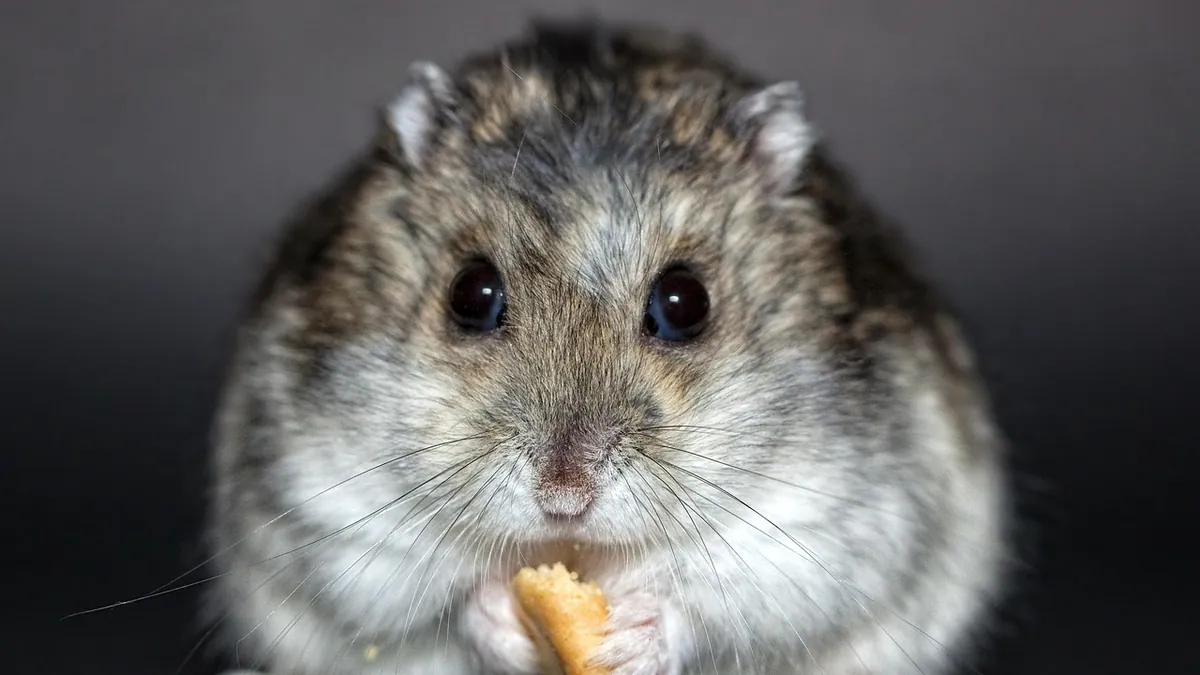
Yes, hamsters can eat chicken meat. Plain, cooked, unseasoned chicken is safe for hamsters in very small amounts as an occasional treat. Hamsters are omnivores, meaning they naturally eat both plant and animal foods, so meat fits their biology when it is offered correctly.
This article is educational and is not a substitute for veterinary diagnosis or treatment.
Quick Answer
- Plain cooked chicken with no salt, oil, garlic, onion, or seasoning is safe in pieces no larger than a pea.
- Meat is a treat, not a meal. A complete pelleted hamster diet should make up the bulk of what your hamster eats [1].
- Deli meat, hot dogs, sausage, bacon, and hamburger patties from restaurants are unsafe because of salt, preservatives, and added ingredients.
- Never give raw or undercooked meat, bones, skin, fried coatings, or meat with sauces.
- If your hamster eats a dangerous meat product, call your veterinarian or a pet poison hotline right away.
Can Hamsters Eat Chicken Meat? The Short Answer
Yes, can hamsters eat chicken meat safely when it is plain and cooked. Wild Syrian hamsters are omnivorous and eat green vegetation, seeds, fruit, and meat [1]. That natural diet tells you a lot about what a pet hamster's body can handle.
The catch is preparation. A plain piece of boiled or baked chicken breast with nothing added is very different from a slice of deli turkey or a bite of a fast-food chicken nugget. The first is a reasonable treat. The second can make your hamster sick.
Hamsters are small. A Syrian hamster weighs about 110 to 140 grams, and dwarf species weigh even less [1]. That means a portion that looks tiny to you can be a full meal to your pet. Portion control matters as much as the type of meat.
Can Hamsters Eat Meat at All?
Yes, hamsters can eat meat. They are omnivores, not strict herbivores. Their wild diet includes animal protein along with plants and seeds [1].
That said, being able to eat something is not the same as needing it. A quality commercial hamster diet already contains the protein your pet requires. Meat is a supplement, not a staple.
If you want to offer animal protein, keep it plain and occasional. Think of it as a rare snack, not a regular menu item.
Do Hamsters Eat Meat in the Wild?
Yes, wild hamsters eat meat. Wild Syrian hamsters eat many kinds of green vegetation, seeds, fruit, and meat [1]. Insects, small prey, and scavenged animal material can all be part of that picture.
This is one reason meat does not shock a hamster's digestive system the way it might for a strict herbivore like a guinea pig. If you keep guinea pigs, their diet rules are very different, and you can read more in What Guinea Pigs Can and Cannot Eat.
Still, wild foraging is not the same as a bowl of deli slices. Wild hamsters eat small amounts of lean animal tissue. They do not eat processed, salted, or seasoned meat.
What Protein Does a Hamster Actually Need?
Hamsters need protein, but the amount is modest and comes mostly from their base diet. A complete, balanced, pelleted hamster diet is the recommended foundation for captive hamsters [1].
Generic seed mixes are a poor choice because hamsters pick out the seeds they like and leave the pellets behind [1]. When that happens, your hamster may eat a lot of fat and not enough balanced nutrition. A pelleted diet helps prevent that selective eating.
Your veterinarian can tell you whether your specific hamster needs any protein adjustment based on age, weight, and health. Do not add meat to "boost" protein without asking, because too much animal protein and fat can upset a small digestive system.
Is Chicken Safe for Hamsters?
Plain cooked chicken is one of the safer meat choices for a hamster. It is lean, mild, and easy to break into tiny pieces.
Safe chicken means:
- Cooked all the way through
- No salt or seasoning
- No oil, butter, or frying
- No garlic or onion
- No breading or sauce
- No bones or skin
Boiled or baked plain chicken breast works best. Let it cool completely before offering it. Cut a piece no bigger than a pea for a Syrian hamster, and smaller for a dwarf hamster.
Which Meats Are Safe and Which Are Not?
| Form | Safe? | Notes |
|---|---|---|
| Plain boiled or baked chicken breast | Yes, in tiny amounts | No salt, oil, or seasoning. Pea-sized piece or smaller. |
| Plain cooked turkey | Yes, in tiny amounts | Same rules as chicken. Skip deli turkey. |
| Plain cooked lean beef | Yes, in tiny amounts | Must be fully cooked and unseasoned. |
| Plain cooked egg | Yes, in tiny amounts | Cook thoroughly with no butter or salt. |
| Deli or sandwich meat | No | High salt, preservatives, and often added sugar or flavoring. |
| Hamburger meat (plain, cooked) | Sometimes | Only if plain and fully cooked. Restaurant or seasoned patties are unsafe. |
| Hot dogs, sausage, bacon | No | High salt, fat, nitrates, and seasonings. |
| Fried chicken or breaded meat | No | Grease, coating, and seasoning can cause digestive upset. |
| Raw or undercooked meat | No | Risk of bacterial contamination. |
| Meat with bones | No | Choking and injury risk. |
Can Hamsters Eat Hamburger Meat?
Plain, fully cooked hamburger meat can be offered in a tiny amount, but most hamburger meat is not plain. Restaurant patties, frozen seasoned patties, and anything from a fast-food bag usually contain salt, onion powder, garlic powder, or binders.
Onion and garlic are toxic to many small animals, and hamsters are no exception. Even small amounts of these ingredients can cause problems. Salt is also a concern for a pet that weighs only a few ounces.
If you cook plain ground beef at home with no seasoning at all, a crumb-sized piece is acceptable as a rare treat. If there is any doubt about what went into the meat, skip it.
Can Hamsters Eat Sandwich Meat?
No, sandwich meat is not a safe choice for hamsters. Deli turkey, ham, roast beef, and chicken slices are cured or processed. They are loaded with sodium and often contain preservatives, sugar, and flavorings.
A hamster's body is built for a low-sodium diet. Processed meat can lead to digestive upset and, over time, more serious problems. There is no version of deli meat that is a good treat for a hamster.
If you want to give your hamster chicken, cook a plain piece yourself. Do not reach into the refrigerator for lunch meat.
Risks of Feeding Meat to Hamsters
Digestive Upset
Hamsters have a sensitive digestive tract. Sudden new foods, greasy meat, or seasoned meat can cause diarrhea, bloating, or a drop in appetite. Because hamsters cannot vomit, their bodies cannot quickly clear something that disagrees with them.
Watch for drooling, not eating, small or no droppings, bloating, hunching, lethargy, or diarrhea. Any of these signs after a new food deserves a call to your veterinarian.
Choking and Blockage
Small bones, gristle, and tough chunks can choke a hamster or cause a blockage. Always remove bones, skin, and cartilage. Cut meat into very small, soft pieces.
Toxic Additives
Onion and garlic are dangerous for hamsters. So are xylitol and other artificial sweeteners found in some processed foods. Salt, preservatives, and heavy seasoning add risk without any benefit.
High Fat and Obesity Risk
Fatty meats and fried foods are hard on hamsters. Research in striped hamsters shows that a chronic high-fat diet can lead to obesity in some individuals, while others resist or avoid it [2]. Individual responses vary, but the takeaway for owners is simple. High-fat food is not a healthy regular addition to a hamster's diet.
How to Offer Chicken Safely
Follow these steps to keep the treat safe:
- Cook plain chicken breast by boiling or baking with no salt, oil, or seasoning.
- Cool it completely.
- Remove all bones, skin, and gristle.
- Cut a piece no larger than a pea for a Syrian hamster, smaller for a dwarf.
- Offer it once or twice a week at most, alongside the regular pelleted diet [1].
- Remove any uneaten meat within a few hours so it does not spoil.
Keep the rest of the diet on track. A complete pelleted hamster diet should be the main food, and seed mixes should be avoided because hamsters pick out the seeds and ignore the pellets [1]. Treats should never replace the base diet.
If you also have cats or dogs, their meat rules are different. For example, Can Cats Eat Cooked chicken? Bones & Protein Guidelines covers how cats handle cooked chicken, and Can Dogs Eat Raw Chicken? Salmonella and Campylobacter Risk explains why raw poultry is a concern for dogs.
What If Your Hamster Ate Too Much or the Wrong Kind of Meat?
If your hamster ate a large amount of plain cooked chicken, watch for digestive signs over the next 24 hours. Drooling, not eating, small or no droppings, bloating, hunching, lethargy, or diarrhea all mean you should call your veterinarian.
If your hamster ate deli meat, seasoned meat, onion, garlic, or anything containing xylitol, treat it as more urgent. Call your veterinarian or a pet poison hotline right away. Do not wait for symptoms.
Never try to make your hamster vomit. Hamsters cannot vomit, and any attempt could cause serious harm.
Safer Alternatives to Meat
If you want to offer protein-rich treats without the risks of processed meat, try these instead:
- Plain cooked egg in a tiny amount
- A small piece of plain cooked chicken or turkey
- A single mealworm or small insect, if your veterinarian approves
- A small piece of plain cooked lean beef
For everyday treats, stick with hamster-safe vegetables and small pieces of fruit. Keep portions tiny and introduce new foods one at a time so you can spot any reaction.
Limitations and When to Contact a Veterinarian
This article covers general guidance, but every hamster is an individual. Your veterinarian is the only one who can assess your pet's specific needs.
Call your veterinarian the same day if your hamster shows drooling, refuses food, stops producing droppings, has diarrhea, looks bloated, hunches over, or seems unusually tired after eating meat.
Go to an emergency clinic now if your hamster ate onion, garlic, xylitol, or a large amount of processed or seasoned meat, or if it is struggling to breathe, collapsing, or having seizures.
Schedule a routine visit if you want help building a balanced diet, if your hamster has a history of digestive problems, or if you are unsure whether a food is safe.
Frequently Asked Questions
Can hamsters eat chicken every day?
No, chicken should be an occasional treat, not a daily food. A complete pelleted hamster diet should provide the bulk of your pet's nutrition [1]. Offer plain chicken once or twice a week at most, in a piece no larger than a pea.
Can hamsters eat raw chicken?
No, raw chicken is not safe for hamsters. Raw poultry can carry bacteria that cause serious illness in small animals. Always cook meat thoroughly and let it cool before offering it.
Can hamsters eat chicken bones?
No, never give your hamster chicken bones. Bones can splinter and cause choking, mouth injuries, or internal damage. Remove all bones, skin, and gristle before offering any meat.
Can hamsters eat chicken skin?
No, chicken skin is high in fat and often coated in seasoning or oil. Fatty foods are hard on a hamster's digestive system and can contribute to obesity over time [2]. Stick to plain, skinless meat.
Do hamsters need meat in their diet?
No, hamsters do not need meat in captivity. A complete, balanced, pelleted hamster diet provides the protein they need [1]. Meat is an optional treat, not a required part of their diet.
Related Articles
- Can Hamsters Eat Eggs? Boiled, Scrambled, and Raw
- Can Hamsters Eat Nuts? Macadamia, Almond, and Salted
- Can Hamsters Eat Rice? Raw, Cooked, and Brown
References
- Hamsters - Exotic and Laboratory Animals. Merck Veterinary Manual.
- Individual differences in response to a chronic high-fat diet in striped hamsters (Cricetulus barabensis). Comparative biochemistry and physiology. Part A, Molecular & integrative physiology, 2025.