Pemphigus and Eosinophilic Folliculitis in Cats
By Dr. Zubair Khalid, DVM, MS, PhD ·
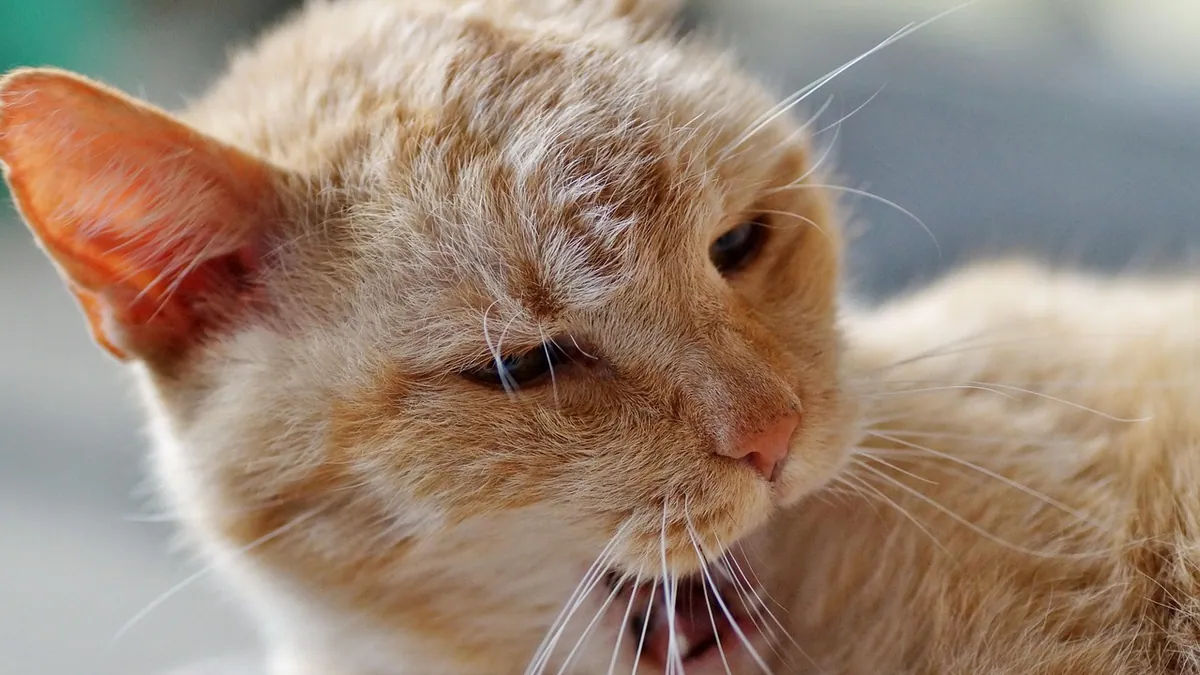
Pemphigus folliculitis in cats is not one disease. It is a group of crusting skin conditions, and the two most often confused are pemphigus foliaceus (an autoimmune disease) and eosinophilic folliculitis (an allergic disease). They can look almost identical on your cat, but they have different causes and different treatments, so a skin biopsy is usually the only way to tell them apart.
This article is educational and is not a substitute for veterinary diagnosis or treatment.
Quick Answer
- Crusting, scabbing sores on the face, ears, and paws are the classic sign of both conditions, and they can look nearly the same to the eye.
- Pemphigus foliaceus is the most common autoimmune skin disease in cats, and it happens when the immune system attacks the outer layer of the skin [1].
- Eosinophilic folliculitis is part of the eosinophilic skin disease group, and it is usually driven by an allergic reaction to fleas, food, or something in the environment [2].
- A skin biopsy is the test that separates them. Cytology can support a suspicion but cannot confirm it [1].
- Most cats with pemphigus foliaceus reach remission with immunosuppressive medication, but relapse is common and treatment is often long term [3][4].
What These Two Conditions Are in Plain Words
Your cat's skin is built in layers. The outer layer, the epidermis, is held together by tiny connections between skin cells. In pemphigus foliaceus, the immune system makes antibodies that target the surface of those skin cells [4]. The connections break down, cells separate, and fluid and inflammatory cells collect just under the surface. That is what forms the pustules, crusts, and scaling you see [4].
Eosinophilic folliculitis belongs to a different family. Cats get three main eosinophilic skin diseases: eosinophilic ulcer, eosinophilic plaque, and focal eosinophilic granuloma [2]. These are grouped together because one cat can have more than one at the same time [2]. The common thread is an allergic hypersensitivity reaction, most often to insects, something in the environment, or a food ingredient [2]. When the inflammation centers on hair follicles, the crusting can mimic pemphigus closely.
The names get tangled because both diseases can produce crusts around hair follicles. That overlap is exactly why your veterinarian will want a biopsy instead of guessing from appearance alone.
Signs Owners Notice First
The signs overlap a lot, so do not try to diagnose at home.
Pemphigus Foliaceus Signs
Pemphigus foliaceus in cats is a crusting dermatosis that mainly involves the ears, head, paws, and the skin around the claws (ungual folds) [1]. Owners often notice:
- Thick, yellowish or brown crusts on the ear tips and the bridge of the nose
- Scaling and flaking that starts on the face and spreads
- Crusting and swelling around the nail beds, sometimes with pus
- Patches of hair loss where crusts have formed
- Itching, which varies from mild to significant
One report described a cat with itching, pus-filled inflammation around the claws, scaling, crusting, and hair loss that fell out on its own [5]. That mix of signs is typical of how pemphigus can present.
Eosinophilic Folliculitis Signs
Eosinophilic skin disease in cats can show up in a few patterns. An eosinophilic ulcer is a well-defined, red, eroded or ulcerated sore, most often on the upper lip, and it is usually not painful or itchy [6]. An eosinophilic plaque is a raised, red, well-defined wound, most often on the belly and thighs, and it is extremely itchy, so cats scratch and rub at it [6]. These plaques are often infected with bacteria, which makes the problem worse [6]. Eosinophilic granulomas are raised, circular, yellow to pink nodules that can appear anywhere but are most common on the head, face, nose bridge, ears, paw pads, lips, chin, mouth, and thighs [6].
When the inflammation settles into hair follicles, you get crusting and scabbing that looks a great deal like pemphigus. If your cat has any of these patterns, the related guide on eosinophilic granuloma in cats walks through the full picture.
Causes and Risk Factors
Pemphigus Foliaceus
This is an autoimmune disease. The body's immune system becomes dysregulated and produces immunoglobulin G autoantibodies aimed at the keratinocyte cell surface, which is the outer surface of skin cells [4]. The exact reason this starts is not well understood [4].
Pemphigus foliaceus is uncommon in cats, but it is still the most common autoimmune skin disorder seen in the species [1]. It can affect cats of any age or breed. In one study of 48 cats with confirmed pemphigus foliaceus, cases were managed across 47 hospitals in six countries, which shows how widely it turns up in general practice [3].
There is one important link owners should know about. A case report described a cat with exfoliative dermatitis and pemphigus foliaceus that was later found to have a thymoma, a tumor of the thymus gland [5]. The authors concluded that any cat with exfoliative dermatitis and pemphigus foliaceus should be thoroughly checked for a thymoma, possibly with advanced imaging [5]. That does not mean every cat with pemphigus has a tumor. It means your vet may recommend chest imaging as part of a complete workup.
Eosinophilic Folliculitis
The most common underlying cause is a hypersensitivity reaction to an allergen, such as insects, environmental allergens, or an adverse food reaction [2]. In some cats, no trigger is ever found [2].
Risk factors are the same ones that drive allergies in general: flea exposure, outdoor access, a diet that does not agree with your cat, and a home environment with dust, pollen, or mold. Because the trigger is often allergic, treating the skin without addressing the trigger tends to produce a cat that improves and then flares again.
How Veterinarians Tell Them Apart
This is the part owners ask about most, because the two diseases look so similar.
Cytology Comes First
Your vet may press a slide against a crust or pustule and look at the cells under a microscope. In pemphigus, cytology can show inflammatory cells and acantholytic cells, which are skin cells that have lost their grip on their neighbors. Cytology is helpful for supporting a diagnosis, but it is not enough on its own [1].
Biopsy Is the Decisive Test
A definitive diagnosis of pemphigus foliaceus requires a biopsy of pustules or crusts for histopathology [1]. Your vet will typically take several small samples under sedation or brief anesthesia. The lab looks for the pattern of cell separation within the outer skin layer along with the type of inflammation present.
This matters because the treatment for an autoimmune disease is different from the treatment for an allergic one. Giving immunosuppressive drugs to a cat that actually has an allergic condition exposes it to risk for no benefit. Missing an autoimmune disease and treating only for allergies lets the disease progress.
Ruling Out Other Problems
Your vet will also want to rule out skin infections, parasites, and other causes of crusting. Bacterial infection is common alongside eosinophilic plaques and makes them worse [6]. A cat on long-term immunosuppression is also more vulnerable to opportunistic infections, including drug-resistant staph [7]. That is another reason a full workup matters before treatment starts.
| Feature | Pemphigus Foliaceus | Eosinophilic Folliculitis |
|---|---|---|
| Root cause | Autoimmune, antibodies against skin cells [4] | Allergic hypersensitivity, often to insects, environment, or food [2] |
| Typical locations | Ears, head, paws, claw folds [1] | Lips, belly, thighs, head, face, paw pads [6] |
| Itch level | Variable | Often intense with plaques, mild with ulcers [6] |
| Key test | Biopsy of pustules or crusts [1] | Biopsy plus allergy workup |
| Main treatment | Immunosuppressive medication [4] | Trigger control plus anti-inflammatory therapy |
| Long-term outlook | Often needs long-term or lifelong therapy [4] | Depends on whether the trigger can be removed |
Treatment Options
Treating Pemphigus Foliaceus
Management relies on long-term to lifelong prescription of immunosuppressive medications [4]. Your veterinarian will calculate the exact dose from your cat's weight and health status, and that number may change over time.
Of the 40 cats in that study with follow-up information, 90 percent achieved disease remission [3]. Relapse happened in 29 cats (73 percent) after remission, which required medication adjustments [3]. Severe treatment-related side effects occurred in eight cases [3]. Those numbers tell an honest story. Most cats do well, but this is a disease you manage over months and years, not a short course of pills.
Other drugs are used when steroids alone do not control the disease or when side effects are too much. Your vet may combine medications or switch to a different immunosuppressant. Newer options continue to be studied for both dogs and cats with pemphigus [4]. For a broader look at this disease across species, see pemphigus foliaceus in dogs and cats.
Treating Eosinophilic Folliculitis
Treatment here starts with finding and removing the trigger. That means strict flea control, a diet trial if food allergy is suspected, and reducing environmental allergens where possible. Corticosteroids or other anti-inflammatory drugs are often used to calm the skin while you work on the trigger. If a bacterial infection is present, it needs treatment too, because infection worsens these lesions [6].
Managing Infections on Immunosuppression
Cats on immunosuppressive therapy can develop stubborn skin infections. One case report described an Abyssinian cat with pemphigus foliaceus on prednisolone and cyclosporine that developed a localized infection with methicillin-resistant Staphylococcus pseudintermedius despite prior systemic antibiotics [7]. The team stopped systemic antibiotics and used a strict topical regimen with chlorhexidine, povidone-iodine, and topical gentamicin, which resolved the lesions completely [7]. The cat reached remission and was able to taper off immunosuppressive therapy [7]. This is a good reminder that topical care is not a minor detail. It can be the difference between control and a recurring infection.
Recovery, Outlook, and Long-Term Management
Expect this to be a marathon. Pemphigus foliaceus usually needs long-term or lifelong medication to stay controlled [4]. The good news is that most cats respond to proper therapy [1]. The realistic news is that relapses are common and dose adjustments are part of normal care [3].
Plan on regular rechecks. Your vet will want to monitor the skin, check for infections, and watch for side effects from immunosuppression. Bloodwork is typically part of that monitoring. Do not stop or change medication on your own, because sudden withdrawal can trigger a flare.
For eosinophilic disease, the outlook depends on whether the trigger can be identified and removed. Cats with a clear flea or food trigger often do very well once that trigger is controlled. Cats with no identifiable trigger may need ongoing anti-inflammatory therapy.
If your cat has crusting that comes and goes with other skin signs, the guide on eosinophilic granuloma complex in cats covers the related conditions in more depth. If your cat's coat looks greasy or matted instead of crusted, that points toward a different set of problems, which are covered in why is my cat having greasy matted fur.
Prevention
You cannot prevent an autoimmune disease from starting. What you can do is reduce the things that make skin disease worse and catch problems early.
- Keep flea prevention current all year. Flea allergy is a common driver of eosinophilic skin disease [2].
- Feed a consistent diet and work with your vet on a proper elimination trial if food allergy is suspected.
- Keep up with recheck appointments, even when the skin looks good. Relapse is common in pemphigus and often shows up first as a small new crust [3].
- Watch for new sores, increased scratching, or changes in appetite and energy while your cat is on immunosuppressive medication.
- Do not use over-the-counter creams or human medications on your cat's skin without asking your vet first.
Limitations and When to Contact a Veterinarian
No article can diagnose your cat. Crusting skin disease has many causes, and the treatment for one can make another worse. Your cat needs an in-person examination and, in most cases, a biopsy.
Contact your veterinarian the same day if you notice:
- Rapidly spreading crusts or sores
- New pus, foul odor, or open wounds on the skin
- Your cat stops eating or drinking
- Vomiting, diarrhea, or lethargy while on immunosuppressive medication
- Sudden swelling of the face, ears, or paws
Seek emergency care now if your cat has trouble breathing, collapses, or has a seizure. These are not typical signs of pemphigus or eosinophilic folliculitis, and they point to a different and more urgent problem.
Schedule a routine visit if you see new crusting, scaling, or hair loss, even if your cat seems comfortable. Early biopsy and early treatment give you the clearest picture and the best chance of control.
Frequently Asked Questions
Is pemphigus folliculitis in cats contagious to other pets or to people?
No, pemphigus foliaceus is an autoimmune disease, so it cannot spread to other cats, dogs, or people. The immune system is attacking the cat's own skin cells, and there is no infectious agent being passed around. Eosinophilic disease is also not contagious, though the allergies behind it can run in families.
Can my cat be cured of pemphigus foliaceus?
Most cats reach remission, but cure is uncommon. In one study, 90 percent of cats with follow-up information achieved remission, yet 73 percent relapsed afterward and needed medication changes. Treatment is usually long term or lifelong to keep the disease controlled.
Will my cat need steroids forever?
Many cats need ongoing immunosuppressive therapy, but the dose often changes over time. Veterinarians aim for the lowest dose that keeps the skin quiet, and some cats can taper. Never adjust the dose yourself, because stopping suddenly can trigger a severe flare.
Does diet help eosinophilic folliculitis in cats?
Sometimes, yes. Allergic hypersensitivity, including adverse food reactions, is the most common underlying cause of eosinophilic skin disease in cats. A proper elimination diet trial guided by your veterinarian is the only way to know whether food is a trigger for your cat.
Can crusty skin in cats be something other than these two diseases?
Yes, and that is why biopsy matters. Bacterial infections, parasites, fungal disease, and other skin conditions can all cause crusting that looks similar. Some cats also have more than one problem at once, which is common with eosinophilic disease.
Related Articles
- Eosinophilic Granuloma In Cats: Comprehensive Veterinary Reference Guide
- Pemphigus Foliaceus in Dogs and Cats: Autoimmune Crusty Skin Treatment
- Can Cats Get Psoriasis
- Eosinophilic Granuloma Complex Cats: Comprehensive Veterinary Reference Guide
- Why Is My Cat having greasy matted fur? Hyperthyroidism and Seborrhea
- Psychogenic Overgrooming in Cats: Stress-Induced Alopecia vs Flea Allergies
- Folliculitis in Cats: Causes, Treatment, and Recovery
- High Eosinophils in Cats: What Eos on Bloodwork Means
- Pyoderma Gangrenosum in Cats: Rare Skin Disease Explained
References
- Feline Pemphigus Foliaceus. The Veterinary clinics of North America. Small animal practice, 2019.
- Eosinophilic Skin Diseases in Cats - Integumentary System. Merck Veterinary Manual.
- Feline pemphigus foliaceus in non-specialist veterinary practice: a retrospective analysis. The Journal of small animal practice, 2018.
- Canine and Feline Pemphigus Foliaceus-an Update on Pathogenesis and Treatment. The Veterinary clinics of North America. Small animal practice, 2025.
- Comorbidity of ectopic thymoma-associated exfoliative dermatitis and pemphigus foliaceus in a cat. The Canadian veterinary journal = La revue veterinaire canadienne, 2021.
- Eosinophilic Granuloma Complex in Cats - Cat Owners. Merck Veterinary Manual.
- Case Report: Resolution of a cutaneous infection with methicillin-resistant Staphylococcus pseudintermedius with topical therapy in a cat with pemphigus foliaceus. Frontiers in veterinary science, 2026.