Is Pyoderma in Dogs Contagious to Other Dogs or People?
By Dr. Zubair Khalid, DVM, MS, PhD ·
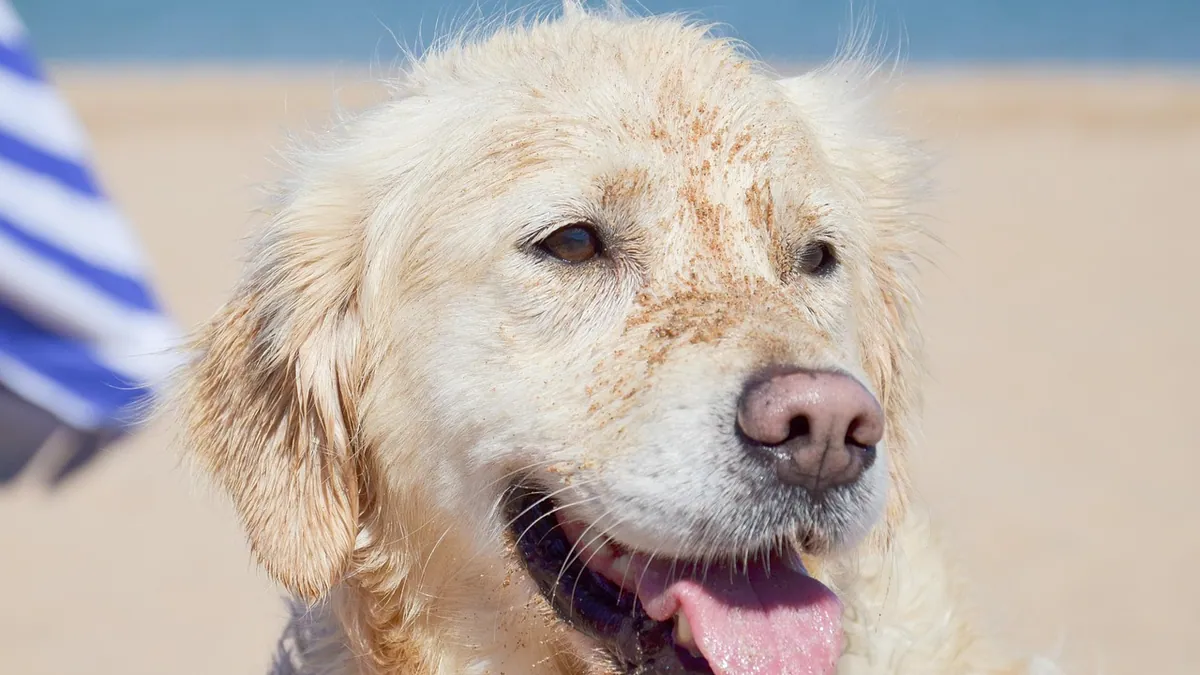
Is pyoderma in dogs contagious? In most cases, no. Pyoderma is a bacterial skin infection that usually develops because something else has already irritated or damaged your dog's skin, so the bacteria are taking advantage of a problem instead of spreading as a contagious disease [1]. A few situations do carry some risk of spreading bacteria to other pets or to people, and those are worth understanding.
This article is educational and is not a substitute for veterinary diagnosis or treatment.
Quick Answer
- Pyoderma means "pus in the skin" and most often refers to a bacterial skin infection, usually caused by Staphylococcus species [2][3].
- Most cases are secondary, meaning allergies, parasites, or skin folds created the conditions for infection [1].
- Healthy dogs and healthy people generally do not catch pyoderma from a dog with a routine superficial infection.
- The bacteria involved, especially Staphylococcus pseudintermedius, can sometimes spread to other pets or to people with weakened skin or immune defenses.
- If your dog has recurring or non-healing skin infections, the underlying trigger needs to be found and treated, not just the infection [2][4].
What Is Pyoderma in Dogs?
Pyoderma literally means "pus in the skin" [2][1]. In dogs, the term almost always describes a bacterial infection of the skin, including bacterial folliculitis (infection of the hair follicles) and bacterial dermatitis (infection of the skin itself) [2].
Vets divide pyoderma into categories based on how deep it goes. Surface pyoderma affects only the very top layer of skin. Superficial pyoderma reaches into the hair follicles and outer skin layers. Deep pyoderma extends into the deeper tissues and is more serious [4][5].
The bacteria responsible are mostly Staphylococcus species. Staphylococcus pseudintermedius is the primary organism found in canine pyoderma, and Staphylococcus aureus also shows up, sometimes alongside other bacteria such as Escherichia coli, Pseudomonas aeruginosa, or Klebsiella pneumoniae [3][6].
Here is the part owners find confusing. Those bacteria are not foreign invaders your dog picked up somewhere. They normally live on dog skin in small numbers. Pyoderma happens when the skin environment changes and those bacteria overgrow [1].
Signs Owners Notice
Pyoderma can look different depending on how deep the infection goes and which bacteria are involved [2]. Common things you may see include:
- Red bumps or pimples, especially around hair follicles
- Pustules (small pus-filled blisters)
- Round areas of crusting or scaling, sometimes called epidermal collarettes
- Yellow crusts
- Patchy hair loss
- Red, irritated skin
- Itching, which may be mild or intense
- Odor from the skin
- Darkening or thickening of the skin in long-standing cases
Deep pyoderma can cause painful swellings, draining tracts, and open sores. Dogs with deep infections may also seem tired or unwell, and blood markers of inflammation tend to be higher in dogs with both superficial and deep pyoderma compared with healthy dogs [7].
If your dog is itching and you also see hair loss, scabs, or scratching that will not stop, parasites may be part of the picture. It helps to know how to tell if a dog has a parasite infection, since fleas and mites are common triggers for skin infections [2][1].
Causes and Risk Factors
Most pyoderma in dogs is secondary. That means an underlying condition changed the skin and allowed bacteria to take over [1]. Finding that trigger is the difference between a one-time infection and a problem that keeps coming back.
Common Underlying Triggers
- Allergic skin disease, including atopic dermatitis and food allergies
- Flea infestation and other external parasites
- Skin folds, such as lip folds, facial folds, neck folds, armpits, and feet
- Pressure points like the elbows
- Endocrine diseases that affect the skin
- Injuries, matting, or moisture trapped against the skin
Any skin disease that turns the normally dry skin surface into a warm, moist environment can lead to bacterial overgrowth [1]. Warm, moist areas such as lip folds, facial folds, armpits, feet, and neck folds naturally carry higher bacterial counts and are at higher risk for infection [1].
Simple Versus Complex Pyoderma
Dogs can develop a simple pyoderma after a one-time or straightforward event, such as a flea infestation [2]. These often clear up completely with appropriate treatment.
Complex pyoderma is recurrent and is tied to ongoing underlying diseases such as allergic dermatitis or ectoparasitism [2]. If your dog has had three or more skin infections in a year, or infections that never fully clear, that points toward a complex problem.
Risk Factors That Raise the Odds
- Breeds with deep skin folds
- Dogs with untreated allergies
- Dogs on immune-suppressing medications
- Dogs with hormonal conditions
- Dogs living with fleas or other parasites
- Repeated moisture or irritation in the same spot
Is Pyoderma in Dogs Contagious to Other Dogs?
This is the question most owners ask, and the honest answer has two parts.
For routine superficial pyoderma in a healthy dog, the infection is not considered contagious in the usual sense. The staphylococci involved are normal skin residents, and another healthy dog's immune system and intact skin barrier handle them without a problem [1].
The risk goes up in specific situations:
- If another pet has broken skin, allergies, or a weakened immune system
- If the dogs share bedding, toys, or grooming tools and the infected dog has draining lesions
- If the infection is deep and producing pus or discharge
- If the bacteria involved are resistant strains, such as methicillin-resistant Staphylococcus pseudintermedius (MRSP), which are harder to treat and more concerning in multi-pet homes [8][6]
A dog with recurrent or polymicrobial pyoderma is more likely to have a stubborn infection, and those cases deserve closer attention to hygiene and separation of shared items [3].
Can Humans Catch Pyoderma From Dogs?
Yes, it is possible, but it is uncommon in healthy adults. Staphylococcus pseudintermedius is adapted to dogs, and it rarely causes illness in people with normal skin and a normal immune system.
People at higher risk include:
- Anyone with eczema, psoriasis, or open cuts
- People with weakened immune systems
- Very young children
- Elderly family members
- People recovering from surgery
If a person in your home develops new red bumps, pustules, or a skin infection after handling a dog with pyoderma, they should see a physician. Tell the doctor that the household dog has a staphylococcal skin infection, since that information can guide testing and treatment.
Good hand washing after touching lesions, handling bedding, or applying medication is the single most useful step. Keep the infected dog's towels and bedding separate and wash them in hot water.
Is Dog Pyoderma Contagious to Cats?
Cats can pick up staphylococcal bacteria from dogs, but developing actual pyoderma is uncommon. Cats have their own skin conditions and their own bacterial populations, and a healthy cat usually resists infection from a dog's skin bacteria.
That said, cats with allergies, feline skin disease, or immune suppression can develop skin infections. If your cat starts scratching, losing hair, or developing scabs while living with a dog being treated for pyoderma, have the cat examined. Do not assume the cat caught anything from the dog, and do not treat the cat with the dog's medication.
How Pyoderma Is Diagnosed
Diagnosis starts with a physical exam and a skin history. Your vet will ask when the problem started, whether it comes back, what your dog eats, what flea prevention you use, and whether itching is a major feature.
Cytology is a key step. Your vet presses a slide against the skin or collects material from a pustule and looks at it under a microscope to confirm bacteria and inflammatory cells. Current guidance says cytology should be performed in all cases before antimicrobials are started [4][5].
Other testing may include:
- Skin scrapings to look for mites
- Flea combing and parasite checks
- Fungal culture or other tests to rule out ringworm, since dermatophytosis can look similar [2]
- Bacterial culture and susceptibility testing, especially for recurrent, deep, or previously treated infections
- Allergy testing or a diet trial if an underlying allergy is suspected
- Blood work if an endocrine or systemic disease is possible
Culture matters more than it used to. Staphylococcus species in canine pyoderma show high resistance to beta-lactams and third-generation cephalosporins, and resistance patterns differ between species [3]. A culture tells your vet which antibiotic will actually work. For a deeper look at how testing guides drug choices, see antimicrobial stewardship in canine pyoderma.
Treatment Options
Treatment has two goals: clear the infection and control the underlying cause.
Topical Therapy
Topical antimicrobial therapy alone is the treatment of choice for surface and superficial pyoderma [4][5]. This means medicated shampoos, sprays, mousses, wipes, or ointments applied directly to the skin. Topical treatment puts the medication where the bacteria are and avoids systemic antibiotics when possible.
Your vet will choose the product and schedule based on how widespread the infection is and which areas are involved. Follow the instructions exactly, including how long to leave a shampoo on before rinsing.
Systemic Antibiotics
Systemic antibiotics are used for deeper infections, widespread superficial infections, or cases where topical therapy alone is not enough [4][5]. The choice of drug should ideally be guided by culture results, especially in recurrent cases [3][4].
Your vet calculates the dose from your dog's weight, the specific drug, and your dog's health status. Never use leftover antibiotics from a previous illness or from another pet, and never stop early because the skin looks better.
Treating the Underlying Cause
This is where long-term success lives. If allergies are driving the infections, they need management. If fleas are the trigger, flea control must be consistent. If skin folds are the problem, your vet may discuss hygiene routines or, in some cases, surgical correction.
Without addressing the trigger, the infection will return. Recurrent pyoderma is a signal, not bad luck [2].
When Standard Treatment Fails
Some infections, particularly those caused by methicillin-resistant Staphylococcus pseudintermedius, do not respond to routine antibiotics. In these cases, vets may turn to alternative approaches. One published report described successful treatment of generalized superficial pyoderma using a topical bacteriophage formulation applied once daily for 30 days [8]. This is a specialized option, not a home remedy, and it requires veterinary supervision.
| Situation | Typical Approach | Key Point |
|---|---|---|
| Surface or superficial pyoderma | Topical antimicrobials alone | Treatment of choice [4][5] |
| Widespread or deep pyoderma | Topical plus systemic antibiotics | Culture-guided when possible [3][4] |
| Recurrent infections | Treat infection plus find trigger | Underlying disease must be managed [2] |
| Resistant infection | Culture, alternative therapies | Requires veterinary direction [8][6] |
Recovery, Outlook, and Long-Term Management
Simple pyoderma in an otherwise healthy dog usually resolves completely with appropriate treatment [1]. Many dogs improve within the first couple of weeks, but the full course must be finished.
Complex pyoderma behaves differently. It is recurrent and tied to an underlying disease, so the outlook depends on how well that disease is controlled [2]. Dogs with allergic skin disease often need ongoing management for life.
Your vet may use a severity scoring approach to track lesions over time, counting papules, pustules, collarettes, and crusts to measure whether treatment is working [9]. This is more reliable than eyeballing it.
Long-term management often includes:
- Regular medicated baths or wipes, even between flare-ups
- Consistent flea and parasite prevention
- Allergy management, including medication or diet changes
- Routine skin checks at home so you catch new lesions early
- Recheck visits to confirm the infection has cleared
For a broader clinical overview of the condition, see pyoderma in dogs: comprehensive veterinary reference guide.
Prevention
You cannot always prevent pyoderma, but you can lower the odds.
- Keep allergies under control. This is the biggest factor for most dogs with recurrent infections.
- Stay consistent with flea and parasite prevention. Fleas are a common one-time trigger [2][1].
- Keep skin folds clean and dry. Warm, moist areas invite bacterial overgrowth [1].
- Dry your dog thoroughly after swimming or bathing.
- Check the feet, armpits, and pressure points regularly.
- Treat skin problems early instead of waiting.
- Do not share bedding, towels, or grooming tools between pets during an active infection.
- Wash your hands after handling lesions or applying medication.
If you suspect parasites are part of the problem, how to know if your dog has a parasite infection walks through the signs to watch for.
Limitations and When to Contact a Veterinarian
This article covers general information. Your dog's individual case needs a veterinarian who can examine the skin, run tests, and prescribe treatment.
Contact your vet the same day if you notice:
- Rapidly spreading redness or swelling
- New pustules or draining sores
- A bad odor from the skin
- Your dog seems painful when touched
- The infection is not improving after several days of treatment
Seek emergency care now if:
- Your dog has a high fever, is lethargic, or will not eat
- You see large open wounds or deep draining tracts
- Your dog is in severe pain
- The skin is turning dark or dying
Schedule a routine visit if:
- The infection keeps coming back
- Your dog is itchy most of the time
- You see hair loss or crusting that does not resolve
- Another pet or a family member develops skin lesions
Frequently Asked Questions
Can my other dog get pyoderma from my infected dog?
Usually no, if the other dog is healthy with intact skin. The staphylococci involved are normal skin bacteria, and a healthy dog's defenses handle them [1]. The risk rises if the other dog has allergies, broken skin, or a weakened immune system, so keep bedding and grooming tools separate during treatment.
Do I need to isolate my dog while being treated for pyoderma?
Full isolation is rarely necessary for routine superficial pyoderma. It is reasonable to keep the infected dog away from pets with skin problems or immune conditions, and to avoid sharing bowls, bedding, and toys. Wash your hands after contact, especially after applying medication.
Can I catch a skin infection from my dog?
It is possible but uncommon in healthy people. Staphylococcus pseudintermedius is adapted to dogs and rarely causes disease in people with normal skin and immune function. People with eczema, open cuts, or weakened immune systems should take extra care and see a doctor if new skin lesions appear.
Will pyoderma go away on its own?
No. Bacterial skin infections need treatment, and untreated pyoderma can spread deeper into the skin. Superficial cases often respond well to topical therapy alone, but a vet needs to confirm the diagnosis and choose the right product [4][5].
How long does pyoderma treatment take?
Mild superficial cases may improve within one to two weeks, but the full course must be completed even if the skin looks normal. Deep or recurrent infections take longer and often require rechecks. Your vet will decide when treatment can stop based on exam findings, not appearance alone.
Related Articles
- Pyoderma In Dogs: Comprehensive Veterinary Reference Guide
- Antimicrobial Stewardship in Canine Pyoderma: From Empiric to Culture-Guided Therapy
- How To Know If Dog Has Parasite Infection
- How To Tell If Dog Has Parasite Infection
- How To Know If My Dog Has A Parasite Infection
- Dog Skin Tag or Tumor? How to Tell and What to Do
- Is a Dog Ear Infection Contagious to Other Pets or People?
- Is Pododermatitis in Dogs Contagious to Other Pets?
- Best Shampoos for Dog Pyoderma and How to Use Them
References
- Pyoderma in Dogs - Dog Owners. Merck Veterinary Manual.
- Pyoderma in Dogs and Cats - Integumentary System. Merck Veterinary Manual.
- Antimicrobial resistance and epidemiological determinants of single and polymicrobial staphylococcal infections in canine pyoderma. Acta veterinaria Hungarica, 2026.
- Antimicrobial use guidelines for canine pyoderma by the International Society for Companion Animal Infectious Diseases (ISCAID). Veterinary dermatology, 2025.
- Synopsis of the antimicrobial use guidelines for canine pyoderma by the International Society for Companion Animal Infectious Diseases (ISCAID). Veterinary dermatology, 2025.
- Prevalence and antibiotic resistance profile of Staphylococcus pseudintermedius in pyodermic dogs in Asia: a systematic review and meta-analysis. Veterinary research communications, 2026.
- Investigations of Procalcitonin, Interleukin-8 and Defensin-β in Dogs with Superficial and Deep Pyoderma. Veterinary sciences, 2026.
- Successful bacteriophage therapy of pyoderma caused by methicillin-resistant Staphylococcus pseudintermedius in a dog. Veterinary dermatology, 2025.
- Standardising Assessment of Superficial Pyoderma in Dogs: Proposal of a Severity Score. Veterinary dermatology, 2026.