Hot Spots in Dogs' Ears: Causes and Treatment
By Dr. Zubair Khalid, DVM, MS, PhD ·
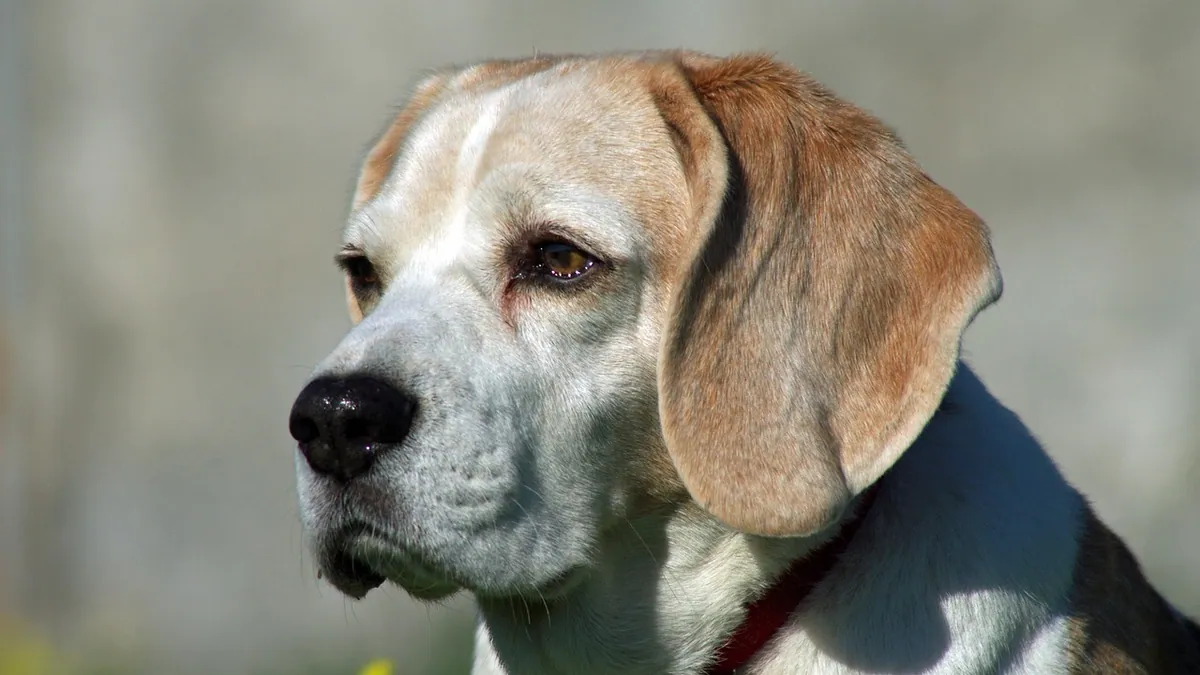
Hot spots in dogs' ears are raw, weeping patches of skin that appear fast, often within hours. They form when something irritates the ear, the dog scratches or shakes the head, and the self-trauma damages the skin and lets bacteria move in. A hot spot is a skin problem on the ear flap, but it can also be a sign of an ear canal infection underneath.
This article is educational and is not a substitute for veterinary diagnosis or treatment.
Quick Answer
- A hot spot (pyotraumatic dermatitis) is a rapidly developing, moist, oozing skin lesion caused by self-inflicted scratching and biting [1].
- Ear infections and hot spots often happen together. Head shaking, foul odor, redness, swelling, and discharge point to otitis externa [2].
- Allergies are a common trigger. Environmental allergens and food allergies often cause red, itchy ears that lead to infection [3].
- Treatment starts with clipping the hair away, cleaning the skin, and controlling the itch. Your vet chooses the exact medications and doses based on your dog's weight and health.
- A hot spot can worsen in a single day. Same-day veterinary care is best when the skin is raw, bleeding, or spreading.
What Are Hot Spots in Dogs' Ears?
A hot spot is the everyday name for pyotraumatic dermatitis. It is a superficial, moist, exudative dermatitis that develops quickly and is usually caused by self-inflicted trauma [1]. In plain words, your dog creates the wound by scratching, rubbing, or shaking the head against the ear.
The lesion looks angry. The skin is red, wet, and often hairless in the center. Pus or clear fluid may seep out, and the surface can crust over. The area is extremely itchy, which drives more scratching and makes the spot grow [1]. This itch-scratch cycle is why hot spots can double in size in a day.
Hot spots can appear anywhere on the body, but the ear flap (pinna) is a common site because the ear is thin-skinned, easy to reach with a hind foot, and often already irritated. If you have seen this on other parts of the body, the same process is at work. You can read more about why dogs get hot spots on the skin and how pyotraumatic dermatitis is treated.
Dermatitis is a general term for skin inflammation from any cause, including irritants, allergens, trauma, and infection [4]. A hot spot is one specific pattern of dermatitis, not a diagnosis of the underlying trigger.
Signs of a Dog Hot Spot on the Ear
Owners usually notice the problem because the dog will not stop scratching. Common signs include:
- A moist, red, oozing patch on the ear flap
- Hair loss over the sore
- Crusting or scabbing at the edges
- Head shaking or tilting
- Whining or pulling away when the ear is touched
- A bad smell from the ear or skin
- Restlessness and trouble settling
A dog ear sore that is weeping is often a hot spot, but it can also be an infected wound, a bite reaction, or severe ear canal disease. The signs of otitis externa include head shaking, foul odor, skin redness, swelling, scratching, ear discharge, and scaly skin [2]. The ear can be painful or itchy, and one or both ears may be involved [2].
Hot Spot vs Ear Infection
This is the question owners ask most. A hot spot sits on the skin of the ear flap. An ear infection starts inside the ear canal, though it can spread outward to the pinna [3]. Many dogs have both at once. The hot spot is the visible damage on the flap, and the infection is the hidden problem in the canal.
| Feature | Hot Spot on the Ear | Ear Canal Infection (Otitis Externa) |
|---|---|---|
| Location | Skin of the ear flap | Inside the ear canal, may spread to the flap |
| Appearance | Moist, red, oozing, hairless patch | Discharge, redness, swelling, scaly skin [2] |
| Smell | May smell from secondary bacteria | Often foul odor [2] |
| Dog's behavior | Intense scratching at the flap | Head shaking, scratching, ear pain [2] |
| Speed of onset | Can appear within hours [1] | Sudden or ongoing [2] |
| Main cause | Self-trauma, often triggered by itch or moisture [1] | Parasites, foreign objects, allergies, bacteria, yeast, middle ear disease [2] |
If the ear canal is involved, treating only the surface sore will not fix the problem. The infection will keep the ear itchy, and the hot spot will return.
Causes and Risk Factors
A hot spot needs two things: an itchy or irritated ear, and a dog that scratches it. Anything that creates that itch can set the stage.
Allergies
Allergies are one of the most common drivers. Environmental allergens such as dust mites, pollen, and mold, plus food allergies, often cause red, itchy ears and can lead to ear canal infections that extend to the pinna [3]. The face, armpits, inner thighs, and feet are often involved too [3]. Allergies usually need lifelong management [3].
Ear Infections and Moisture
Otitis externa can be caused by parasites, objects stuck in the ear canal, allergies, bacterial or yeast infection, or middle ear disease [2]. The shape of the pinna or ear canal can make some dogs more prone to it [2]. A wet ear canal from swimming or bathing adds moisture that supports microbial overgrowth.
The bacteria involved are well studied. Staphylococcus pseudintermedius is the most common organism in canine otitis externa, found in about 41% of cases in one analysis, followed by Staphylococcus aureus at 23% and Pseudomonas aeruginosa at 19% [5]. Pseudomonas has the highest recurrence rate, with 90% of those cases highly resistant to certain beta-lactam antibiotics [5]. Other Staphylococcus species, including S. schleiferi, S. simulans, and S. haemolyticus, have also been identified in infected ears [6].
Healthy ears have their own bacterial community. In healthy dogs, S. pseudintermedius made up about 24.5% of cultured isolates, while in dogs with otitis externa it rose to about 30.5% [7]. This shift suggests that an overgrowth of normal residents, not just a new germ, plays a role.
Other Triggers
- Foreign material such as grass awns or dirt in the canal [2]
- Ear mites and other parasites [2]
- Skin folds or a narrow ear canal that traps debris [2]
- Hot, humid weather, which keeps the skin moist
- Underlying thyroid or other body-wide disease, since dermatitis can be linked to internal disease [4]
Young puppies have their own ear and facial skin conditions. Canine juvenile cellulitis causes pus-filled, raised, inflamed areas on the face and ears, usually with enlarged lymph nodes under the jaw, and it appears in puppies 3 weeks to 4 months old [3]. Any lump on a puppy's face or ears should be checked by a vet [3].
How Vets Diagnose the Problem
Diagnosis starts with a hands-on exam. Your vet will look at the ear flap and use an otoscope to see inside the canal [2]. This step helps find foreign objects, built-up debris, parasites, and damaged or abnormal eardrums [2]. If the ear is very painful or blocked, sedation or anesthesia may be needed for a full look [2].
Vets often take samples of ear discharge to examine under the microscope or to culture [2]. This matters because resistant bacteria such as Pseudomonas are common and change which antibiotic will work [5]. Skin scrapings, tape preps, or hair plucks may be used to check for mites, yeast, or bacteria on the flap itself.
If allergies are suspected, your vet will ask about season, diet, and other itchy areas. Allergies are diagnosed from the dog's signs and history, and by ruling out other causes [3]. Food allergies are confirmed or ruled out with a strict diet your vet recommends [3].
Treatment Options for a Dog Ear Hot Spot
Treatment has two goals: heal the skin lesion and stop the underlying itch. If you only do the first, the hot spot comes back.
Step 1: Clip and Clean
The hair around the sore is clipped so air can reach the skin and the area stays dry. The lesion is gently cleaned to remove crusts and discharge. This is often uncomfortable, so your vet may use pain relief or light sedation.
Step 2: Control the Itch and Infection
Your vet will choose medications based on the exam and any lab results. Options may include:
- Topical or oral antibiotics for bacterial infection
- Antifungals or ear cleaners for yeast
- Anti-itch medication, which may be steroid or non-steroid
- Ear cleaner and medicated drops if the canal is infected [2]
The exact drug and dose depend on your dog's weight, the organisms found, and other health conditions. Your veterinarian calculates the dose for your pet. Never use leftover ear medication from a previous episode, because the bacteria may be different this time.
Step 3: Address the Root Cause
If allergies are behind the itch, they need their own plan. Dogs might need allergy shots, treatment for infection, diet changes, or medications [3]. Allergy management is usually lifelong [3].
Step 4: Prevent Self-Trauma
An Elizabethan collar or a soft cone keeps your dog from reaching the ear while it heals. Without it, the itch-scratch cycle restarts within minutes.
Newer Options
A 2025 case series described eight dogs with acute pyotraumatic dermatitis that resolved within a maximum of two weekly sessions of fluorescent light energy used as the only treatment [8]. No dog in that report had recurrence in the same area during at least one month of follow-up [8]. This is early evidence, and it does not replace standard care for infected or extensive lesions. Ask your vet whether any light-based option fits your dog.
Recovery, Outlook, and Long-Term Management
Most uncomplicated hot spots improve within days once the itch is controlled and the skin is kept dry. The outlook is good when the trigger is found and managed. The outlook is guarded when the trigger is missed, because the lesion returns.
Watch for these during recovery:
- The sore should shrink and dry each day
- New hair should start to cover the area
- Your dog should scratch less within 24 to 48 hours of starting treatment
- Any spreading, new odor, or worsening pain means a recheck is needed
Long-term management depends on the cause. Allergic dogs often need ongoing allergy care [3]. Dogs with repeat ear infections may need regular ear cleaning and periodic rechecks. If your dog also gets lesions on the tail base, see this guide to a dog hot spot on the tail. If the ear sore is healing but the hair is slow to return, read about dog hair loss on the ears.
Prevention
You cannot prevent every hot spot, but you can lower the odds.
- Keep ears dry. Dry the ear flaps and canal opening after swimming or bathing.
- Check ears weekly. Look for redness, discharge, or odor before a sore appears [2].
- Treat ear infections fully. Partial treatment leaves itch behind and invites a hot spot.
- Manage allergies. Follow your vet's plan for diet, medication, or allergy shots [3].
- Use the cone. If your dog starts scratching, stop the cycle early.
- Trim hair around the ears if your vet recommends it, especially in dogs with heavy ear coats.
- Address other itchy skin early. Hot spots on the body follow the same rules. For a broader look at treatment, see dog hot spot treatment from a vet.
Limitations and When to Contact a Veterinarian
This article cannot tell you what is causing your dog's ear problem. Individual cases need a veterinarian who can examine the ear, look inside the canal, and test for infection.
Contact your vet the same day if:
- The sore is raw, bleeding, or growing quickly
- Your dog is in obvious pain or will not let you touch the ear
- There is pus, a bad smell, or swelling of the ear flap
- Your dog is shaking the head constantly or holding the ear down
- The hot spot has not improved after 24 to 48 hours of home cleaning
Seek emergency care now if:
- The ear flap is swollen into a pillow-like pouch (aural hematoma)
- Your dog is tilting the head severely, circling, or losing balance
- There is facial drooping or weakness
- Your dog seems disoriented or cannot stand
Call your vet for a routine visit if:
- Hot spots keep coming back
- Your dog has other itchy areas on the body
- You suspect a food or environmental allergy [3]
- Your dog has a history of resistant ear infections [5]
Frequently Asked Questions
Can I treat a hot spot on my dog's ear at home?
You can keep the area clean and dry and use a cone to stop scratching, but home care alone often fails. A hot spot is caused by self-trauma and usually has bacteria involved, so it needs a vet to identify the trigger and prescribe the right medication [1]. If the sore is spreading or painful, skip home remedies and call your vet.
How fast do hot spots on dog ears heal?
Uncomplicated lesions often improve within a few days once the itch is controlled. In one report, dogs with acute pyotraumatic dermatitis resolved within two weekly light therapy sessions used alone [8]. Healing time depends on size, infection, and whether the underlying cause is treated.
Is a hot spot on the ear contagious to other pets?
No. A hot spot is a reaction to self-trauma and secondary infection, not a contagious disease [1]. The bacteria involved, such as Staphylococcus species, can be passed between animals in rare cases, so good hygiene is sensible. Your other pets do not need to be separated unless your vet advises it.
What is the difference between a hot spot and ear mites?
Ear mites live in the ear canal and cause intense itch, while a hot spot is damaged skin on the ear flap. Mites are one possible cause of otitis externa, along with allergies, foreign objects, and infections [2]. A vet can tell them apart by looking in the ear and examining discharge under a microscope [2].
Will my dog need antibiotics for an ear hot spot?
Not always. Superficial hot spots may heal with cleaning, itch control, and a cone. Deeper or infected lesions often need antibiotics, and the choice should be based on exam findings or culture because resistant bacteria like Pseudomonas are common [5]. Your vet will decide whether antibiotics are needed and which one fits your dog.
Can hot spots on the ear be prevented?
You can reduce the risk by keeping ears dry, checking them weekly, treating infections fully, and managing allergies [3]. Dogs with allergies often need lifelong care, and that ongoing management is the best prevention [3]. If your dog gets repeat hot spots, ask your vet for a full allergy and ear health plan.
Related Articles
- Dog Hot Spot on Tail: Causes and Treatment
- Why Is My Dog having hot spots on skin? Pyotraumatic Dermatitis Treatment
- Dog Hot Spot Treatment Vet
- Dog Hair Loss on Ears: Causes and Treatment Options
- Dog Hot Spot Treatment Pictures
- Dog Hot Spot Treatment Home
- Hot Spots on Dogs: Causes, Symptoms, and Where They Appear
- Dog Ear Rash and Crusty Edges: Causes and Treatment
- Neosporin for Dog Hot Spots: Safe or Not?
References
- Picture This: Management of Canine Pyotraumatic Dermatitis (a.k.a., Hot Spot). Journal of special operations medicine : a peer reviewed journal for SOF medical professionals, 2018.
- Ear Infections and Otitis Externa in Dogs - Dog Owners. Merck Veterinary Manual.
- Disorders of the Outer Ear in Dogs - Dog Owners. Merck Veterinary Manual.
- Dermatitis and Dermatologic Problems in Dogs - Dog Owners. Merck Veterinary Manual.
- Bacterial Agents and Antimicrobial-Resistance Patterns in Canine Otitis Externa. Animals : an open access journal from MDPI, 2025.
- Microbiology of Otitis externa in dogs reveals wide variation in Staphylococcus species. Veterinaria italiana, 2025.
- Culture and Metagenomic Insights into the Ear Microbiota in Dogs with Healthy Ears and Otitis Externa. Veterinary sciences, 2026.
- Photobiomodulation with fluorescent light energy as a sole treatment of pyotraumatic dermatitis (hot spot): a case series. Journal of the American Veterinary Medical Association, 2025.