Bump on Your Dog's Muzzle: Causes and What to Do
By Dr. Zubair Khalid, DVM, MS, PhD ·
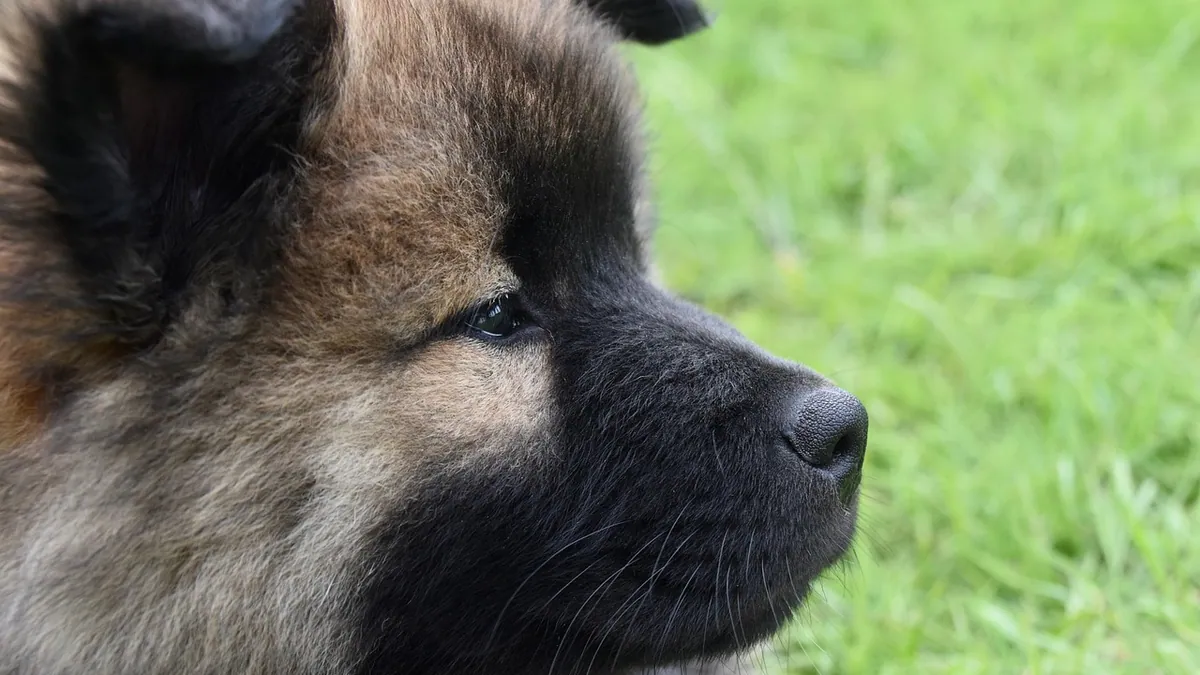
A dog bump on the muzzle is usually a small, localized swelling such as an insect bite, a pimple-like skin growth, or a cyst, but it can also be a sign of infection, trauma, or a tumor. Because the muzzle is delicate and close to the nose, mouth, and eyes, any lump there deserves a closer look. This article is educational and is not a substitute for veterinary diagnosis or treatment.
Quick Answer
- Most small, soft, non-painful bumps on the muzzle in a dog that is eating, breathing, and playing normally are minor and can be watched for 24 to 48 hours.
- A bump that grows quickly, bleeds, smells bad, or comes with swelling of the whole face is a reason to call your veterinarian the same day.
- Trouble breathing, swelling that closes the nostrils, hives over the body, vomiting, or collapse are emergencies and need immediate care.
- Do not squeeze, pop, or apply human acne or antibiotic creams to a muzzle bump, since the skin there is thin and absorbs products easily.
- Your veterinarian can often tell a lot from a physical exam, and may use a fine needle sample, imaging, or a biopsy to identify the cause.
What a Muzzle Bump Looks Like and What Is Normal
The muzzle is the front part of the face, including the nose, the top of the snout, and the lips. A bump there can be tiny, like a grain of rice, or large enough to change the shape of your dog's face. It may sit on the skin surface, under the skin, or feel attached to the bone of the upper jaw.
Some bumps are flat and red. Others are raised, hairless, dark, or crusty. A dog nose lump may look like a wart or a scab. Some dogs get a bump that feels soft and fluid-filled, while others have a firm, hard lump that does not move when you touch it.
Normal muzzle skin is smooth, moist at the nose leather, and free of sores. Small breed dogs and older dogs often have harmless skin tags or warts, but any new growth should be checked. It also helps to know your dog's baseline, so you notice changes early.
If the bump is on the skin instead of the muzzle itself, our guide to Dog Skin Bumps and Lumps: When to See the Vet covers the general approach to lumps anywhere on the body.
Common Causes of a Dog Bump on the Muzzle
Causes range from minor to serious. The table below groups the most common ones and what usually points to each.
| Cause | Typical clues | How urgent |
|---|---|---|
| Insect bite or sting | Sudden soft swelling, redness, itching, often after being outside | Usually mild, but emergency if breathing changes |
| Envenomation (spider or snake) | Severe, rapidly worsening facial swelling that responds poorly to treatment | Emergency |
| Abscess or tooth root infection | Painful, warm, sometimes draining pus, bad breath, drooling | Same-day visit |
| Foreign body (grass awn, splinter) | Small wound, swelling, head shaking, pawing at the face | Same-day visit |
| Salivary duct problem | Soft, fluid-filled swelling along the side of the face that comes and goes with eating | Routine to same-day visit |
| Cyst or benign skin tumor | Slow-growing, movable, hairless, not painful | Routine visit |
| Malignant tumor | Firm, fast-growing, may ulcerate or bleed | Prompt visit |
| Trauma | Bruising, cut, swelling after a fight or accident | Same-day to emergency |
| Bone cyst (young dogs) | Firm swelling over the jaw in a puppy or young dog | Prompt visit |
Insect Bites and Stings
Bees, wasps, spiders, and ants can all leave a bump on the muzzle. These often appear within minutes and are usually itchy and red. Most resolve with simple home care, but a sting inside the mouth or near the nose can swell enough to affect breathing.
Envenomation
Severe, acute facial swelling that does not fully respond to medical treatment can point to envenomation. In one reported case, an African wild dog developed severe right-sided facial swelling that improved briefly and then worsened, and testing found no deep bacteria, which suggested a venomous bite [1]. This is a reminder that a swelling which improves and then returns is not always a simple infection.
Abscesses and Dental Problems
A broken tooth or a deep gum infection can create an abscess that drains to the surface of the muzzle. These bumps are often painful, warm, and may ooze pus. Your dog may drool, chew on one side, or resist having the mouth touched.
Foreign Bodies
Grass awns, foxtails, splinters, and small pieces of stick can work into the skin or the lip. The body walls them off with swelling, and the bump may come and go as the object moves. These often need to be removed by a veterinarian.
Salivary Duct Problems
The parotid duct carries saliva from the gland near the ear to the mouth. When this duct dilates, it can create a soft, fluid-filled swelling on the side of the face. In a review of 14 dogs with this condition, lateral facial swelling was the most common sign, and CT showed a tortuous, fluid-filled tubular structure in every dog [2]. Surgery resolved the problem in the reported cases, with no recurrence during follow-up [2].
Cysts and Benign Tumors
Canine cutaneous histiocytoma is a benign skin tumor that often goes away on its own. A study of 359 confirmed cases found that about half occurred in dogs 2 years old or younger, and males were affected more often than females [3]. These growths are common on the head and can appear on the muzzle.
Malignant Tumors
Some muzzle tumors are malignant. Merkel cell carcinoma is a rare skin cancer that can look like other lumps, and it has been reported in a young dog as a rapidly growing mass [4]. The good news is that when it is removed completely with clean margins, the outlook can be favorable [4].
Bone Lesions in Young Dogs
A firm swelling over the jaw in a puppy or young dog may come from the bone itself. Aneurysmal bone cysts are expansile, blood-filled lesions that are most often seen in young animals and are thought to be linked to trauma [5]. They are not true cysts because they lack an epithelial lining [5]. Diagnosis requires imaging and a tissue sample, and the list of other possible tumors is long [5].
Red Flags That Make It an Emergency
Call an emergency clinic right away if you see any of these:
- Swelling that is spreading across the face or down the neck
- Noisy breathing, open-mouth breathing, or blue gums
- Hives or swelling anywhere else on the body
- Vomiting, drooling heavily, or collapse after a possible sting or bite
- A bump that is bleeding heavily and will not stop
- A wound that goes all the way through the lip or nose
These signs can mean a severe allergic reaction, a venomous bite, or another problem that needs treatment within minutes, not hours.
Safe Things You Can Do at Home While You Wait
You can take a few simple steps without risking harm.
- Take a photo of the bump with something for scale, like a coin, and note the date.
- Measure the bump with a soft tape or compare it to a pea, grape, or golf ball.
- Keep your dog from scratching or rubbing the area. A soft cone may help.
- Apply a cool, damp cloth for a few minutes if the area is hot and swollen, but stop if your dog resists.
- Do not squeeze, poke, or try to drain the bump.
- Do not apply human acne creams, antibiotic ointments, or essential oils. The muzzle skin is thin and absorbs what you put on it.
- Note any changes in eating, drinking, breathing, or energy.
If the bump is part of a broader rash, our article on Dog Skin Rash on Face: Causes and When to Worry may help you sort out what you are seeing.
What Your Veterinarian Will Check and Test
Your veterinarian will start with a full history and a physical exam. They will look at the bump, feel its size and texture, check the teeth and gums, and look inside the mouth. They will also check the lymph nodes under the jaw and listen to your dog's breathing.
Common next steps include:
- Fine needle aspiration. A thin needle collects cells from the bump for a lab to examine.
- Impression smear or culture. A sample from an open or draining sore can show bacteria or yeast.
- Dental radiographs. These check for tooth root abscesses.
- Imaging. X-rays or CT can show whether a lump involves bone or deeper tissue. CT was used to confirm a dilated parotid duct in all dogs in one case series [2].
- Biopsy. A tissue sample gives the most complete answer, especially for tumors. Both imaging and histopathology were needed to diagnose aneurysmal bone cysts in two young dogs [5].
- Blood work. This checks general health and helps rule out systemic illness.
Treatment depends on the cause. It may include antibiotics, anti-inflammatories, drainage, dental work, or surgery. If surgery is needed, your veterinarian will plan the approach based on the location and the tissue involved. Surgical closure of facial defects has been described in other species, which shows how carefully these wounds must be managed [1]. Your veterinarian will decide the best plan for your dog.
If the bump turns out to be a skin growth instead of a muzzle-specific problem, our reference guide on Dog Skin Bumps: Comprehensive Veterinary Reference Guide goes deeper into types and testing.
Prevention and Monitoring
You cannot prevent every bump, but you can lower the risk and catch problems early.
- Keep your dog away from known wasp nests, ant hills, and areas with tall dry grass where foxtails grow.
- Check the muzzle, lips, and ears after every walk or hike.
- Brush your dog's teeth or use vet-approved dental care to reduce tooth root infections.
- Use a harness instead of a collar if your dog pulls, to avoid pressure on the neck and face.
- Schedule routine exams so your veterinarian can track any small changes.
- If your dog has a known bump, measure it every week and write down the size and date.
Most benign bumps stay the same or shrink over weeks. A bump that doubles in size in a short time, changes color, or starts to bleed needs a recheck.
Limitations and When to Contact a Veterinarian
This article cannot tell you what your dog's specific bump is. Only a veterinarian who examines your dog can do that. Use these timing guidelines:
- Emergency now: trouble breathing, swelling that is spreading fast, hives, collapse, or heavy bleeding.
- Same day: a bump that appeared suddenly and is growing, a painful or hot swelling, pus or bad smell, drooling, or trouble eating.
- Routine visit within a few days: a small, stable bump that is not painful and your dog is acting normal.
When in doubt, call your veterinarian. A quick phone call can help you decide whether to come in now or watch at home. Individual cases need a veterinarian's assessment.
Frequently Asked Questions
Should I worry about a small bump on my dog's muzzle?
Most small, soft bumps that do not bother your dog are not emergencies. Watch it for 24 to 48 hours and note any change in size, color, or your dog's comfort. If it grows, bleeds, or your dog seems painful, call your veterinarian.
Can a muzzle bump be cancer?
Yes, some muzzle bumps are tumors, including malignant types. A firm, fast-growing lump that ulcerates or bleeds is more concerning than a soft, stable one. A fine needle sample or biopsy is the only way to know for sure.
Why did my dog's muzzle suddenly swell up?
Sudden swelling is often an insect bite, a sting, or an allergic reaction. Severe swelling that worsens despite treatment can also point to envenomation. If the swelling affects breathing or spreads quickly, treat it as an emergency.
Will a muzzle bump go away on its own?
Some do, especially insect bites and benign growths like histiocytomas, which often regress on their own. Others, such as abscesses, foreign bodies, and tumors, need treatment. If it is not improving within a few days, have it checked.
Can I put antibiotic cream on my dog's muzzle bump?
No. Human antibiotic creams and acne products are not made for dogs and can be harmful if licked off. The muzzle skin is thin and absorbs products easily. Keep the area clean and let your veterinarian recommend the right treatment.
Related Articles
- Dog Skin Bumps and Lumps: When to See the Vet
- Dog Skin Rash with Bumps: What Could It Be?
- Dog Hot Spot on Tail: Causes and Treatment
- Dog Skin Bumps: Comprehensive Veterinary Reference Guide
- Dog Skin Rash on Face: Causes and When to Worry
- Why Is My Dog Coughing And Honking
- Bump on Your Dog's Head, Nose, or Snout: Causes and Next Steps
- Bumps on Your Dog's Lips and Mouth: Causes and Care
- Bump on Your Dog's Chin or Jaw: Causes and Next Steps
References
- Case report: Surgical closure of a facial defect in an African wild dog (Lycaon pictus) utilizing a transpositional skin flap. Frontiers in veterinary science, 2024.
- Clinical findings, surgical treatment and outcome in dogs with parotid duct ectasia: 14 cases (2010-2023). The Journal of small animal practice, 2024.
- Epidemiology of Canine Cutaneous Histiocytoma: Insights From Age and Topographic Clustering. Veterinary dermatology, 2026.
- Diagnosis and treatment of Merkel cell carcinoma in a puppy: A comparative oncology approach. The Canadian veterinary journal = La revue veterinaire canadienne, 2026.
- Case reports with literature review of an aneurysmal bone cyst in the maxilla and mandible of two juvenile dogs. Frontiers in veterinary science, 2025.