Do Dogs Need Sunscreen? Protecting Your Dog From Sunburn
By Dr. Zubair Khalid, DVM, MS, PhD ·
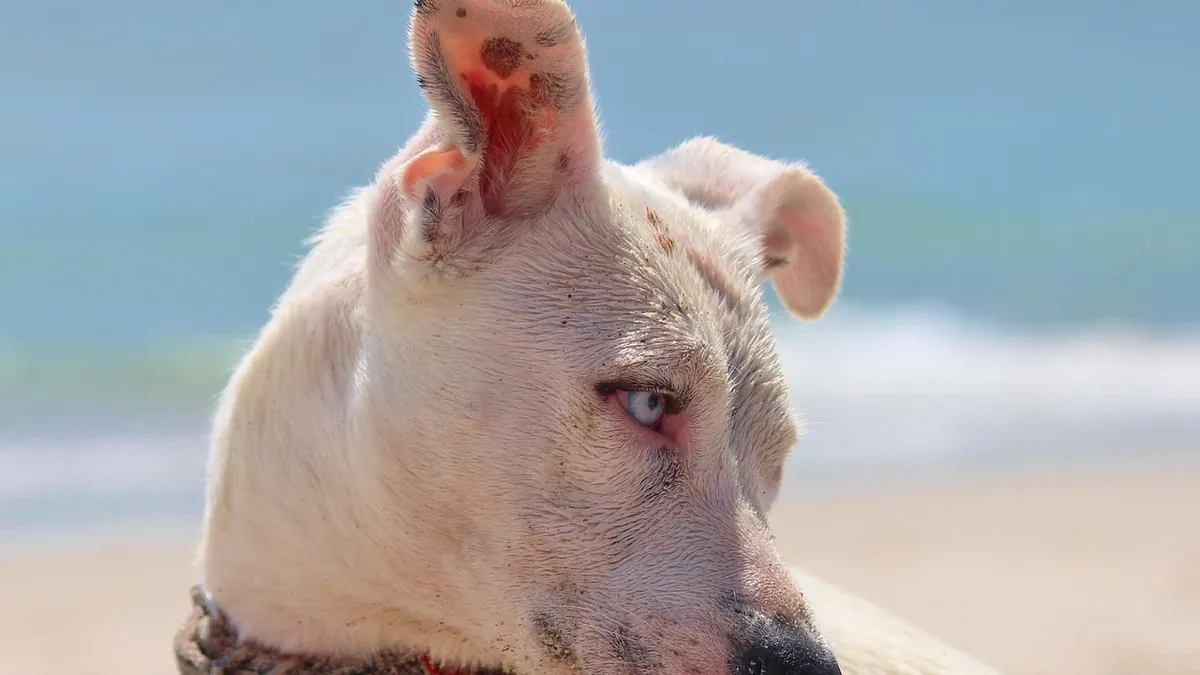
Do dogs need sunscreen? Yes, some dogs do. Dogs with thin or white coats, hairless breeds, and dogs with pink noses or light skin can get sunburned, and repeated sun damage can lead to skin cancer [1][2]. The right sunscreen, applied to the right spots, lowers that risk without exposing your dog to ingredients that are toxic when licked off.
This article is educational and is not a substitute for veterinary diagnosis or treatment.
Quick Answer
- Dogs can and do get sunburned. Sunburn is an inflammatory skin disease caused by ultraviolet (UV) radiation, and UV exposure is a recognized risk factor for two skin cancers in dogs: dermal hemangiosarcoma and squamous cell carcinoma [1][2].
- The highest-risk areas are sparsely haired spots: the nose, the bridge of the muzzle, the ear tips, the belly, and the groin [2].
- Use only a sunscreen made for pets, or a fragrance-free, pet-safe human product your veterinarian approves. Never use zinc oxide on a dog who can lick it off.
- Sunscreen is one layer of protection. Shade, indoor time during peak UV hours, and sun-protective clothing do more of the work [2].
- If your dog's skin is red, painful, blistering, or peeling, call your veterinarian. Do not apply more sunscreen to damaged skin.
Which Dogs Actually Get Sunburned?
Any dog can burn with enough exposure, but some are at much higher risk.
Coat and color. Dogs with white or light-colored coats, thin coats, or large hairless areas burn most easily. Hairless breeds and dogs with a sparse belly or groin coat are the classic patients. The same pattern shows up in cats, where any white or thinly haired cat is at risk even indoors, because window glass reduces UV but does not block it completely [1].
Nose and muzzle. A pink or light-colored nose, or a nose with little pigment, is a common sunburn site. This is why dog nose sunburn is one of the most frequent reasons owners ask about sunscreen.
Lifestyle. Dogs who spend long hours outside, swim, hike, or ride in the car with the sun coming through the window get more cumulative UV. A study of people at risk for melanoma found that sunburns clustered around walking for transportation or leisure, including walking the dog [3]. Your dog is out there with you.
Age and skin history. Dogs who have already had sun-related skin damage, or who have had a UV-associated tumor removed, are at risk for new lesions and recurrence [2]. Those dogs need a prevention plan, not just occasional sunscreen.
How to Apply Sunscreen to a Dog, Step by Step
Step 1: Pick the right product
Choose a sunscreen formulated for pets when you can. If you use a human product, it must be fragrance-free and free of zinc oxide. Zinc oxide is the main poisoning concern because dogs lick it off their noses and paws.
Read the ingredient list, not the front label. "Baby" and "sensitive skin" products often still contain zinc oxide.
Step 2: Test on a small spot first
Apply a small amount to one area, such as the outside of the ear, and watch for 24 hours. Redness, swelling, or itching means stop and call your veterinarian. Some dogs react to sunscreen ingredients the same way people do.
Step 3: Apply only where hair is thin
Target the nose (top and sides, not inside the nostrils), ear tips, the bridge of the muzzle, the belly, and the groin. Skip areas with a full coat. Sunscreen on thick fur does little and gives your dog more to lick off.
Step 4: Use a thin layer and keep your dog busy
A small dab per area is enough. Apply it while your dog is relaxed, then offer a treat or a toy so they do not immediately lick it off. Distraction for a few minutes helps the product absorb.
Step 5: Reapply during long outings
Reapply every couple of hours during extended time outdoors, and after swimming or a bath. There is no established reapplication interval specific to dogs in the veterinary research, so treat it like you would for yourself.
Step 6: Layer other protection
Sunscreen alone is not enough. Combine it with shade, a sun shirt or light cover-up for hairless dogs, and time indoors during peak sun. Reducing exposure is the primary strategy, with sunscreen as an addition [2].
If your dog has ongoing skin irritation that makes sunscreen sting or seem to make things worse, see Dog With Sensitive Skin for background on managing reactive skin.
Sun Protection Schedule and Checklist
| Situation | What to do |
|---|---|
| Short walk, early morning or evening | No sunscreen needed for most coated dogs |
| Long walk or hike, midday | Shade breaks, sunscreen on nose and ear tips, water |
| Swimming or lake day | Pet-safe sunscreen, reapply after getting wet, shade between swims |
| Car rides | Window shade or cover, sunscreen on the window-side ear and nose |
| Dog park, hours in open sun | Sun shirt for hairless or thin-coated dogs, sunscreen on thin-haired spots |
| Hairless breed, daily outdoor time | Sunscreen every time out, plus a shirt, plus midday indoors |
| Dog with a prior sun-related tumor | Full prevention plan set by your veterinarian [2] |
A simple daily checklist:
- Check the UV forecast before long outdoor plans.
- Apply sunscreen to nose, ear tips, belly, and groin if hair is thin.
- Bring shade (umbrella, tent, or a covered crate).
- Pack fresh water. Heat and sun go together, so review Preventing Heat Stroke In Dogs before summer outings.
- Reapply after swimming.
- Rinse or wipe off sunscreen at the end of the day if your dog licks at it.
Signs of Dog Sunburn and Sun Damage
Sunburn in dogs looks a lot like it does in people. Watch for:
- Pink or red skin on the nose, ears, belly, or groin
- Skin that feels warm or looks swollen
- Whining, flinching, or pulling away when you touch the area
- Licking or chewing at a specific spot
- Dry, cracked, or peeling skin after a day in the sun
- Dark, crusty, or thickened patches that do not heal
Long-term UV damage can also show up as skin cancer. UV light is strongly linked to dermal hemangiosarcoma and squamous cell carcinoma in dogs, and these tumors often need repeated surgery because they recur or new ones form [2]. That is the main reason prevention matters more than treatment.
If your dog has a sore that will not heal, a lump, or a changing spot on the nose or ear, that is a routine veterinary visit, not a wait-and-see problem.
Common Mistakes Owners Make
Using human sunscreen with zinc oxide. This is the most dangerous mistake. Dogs lick their noses and paws constantly, and zinc oxide is toxic when swallowed. If you think your dog ate sunscreen, call your veterinarian or a pet poison hotline right away.
Using spray sunscreen near the face. Sprays are easy to inhale and hard to control. If you use a spray, spray it onto your hand first, then apply.
Skipping the ears and belly. Owners often treat the nose and forget the ear tips and the thin-haired belly, which are common burn sites [2].
Assuming a thick coat means full protection. A heavy coat helps, but partings, thin spots, and light pigment still let UV through.
Relying on sunscreen alone. Sunscreen is an additional strategy on top of shade, indoor time, and clothing [2].
Applying to broken skin. Sunscreen on a burn or an open sore stings and can make irritation worse. Treat the damage first.
Ignoring what your dog absorbs. Dogs are routinely exposed to UV filter chemicals from the environment. In one study, a benzophenone UV filter (BP-3) was detected above the measurement limit in 100% of hair samples from 50 dogs, and another (BP-1) in 37% of samples [4]. That does not mean pet sunscreen is unsafe, but it is a reason to use the smallest effective amount and not slather your dog daily for no reason.
If your dog is itchy after sun or outdoor time, other causes like allergies and parasites are common. See Why Is My Dog So Itchy? and Dog Hot Spot on Face: How to Treat and Prevent.
What to Look For in a Dog-Safe Sunscreen
The veterinary research on sunscreen safety in pets is still limited, and the safety of UV filters in dogs and cats is an under-researched area [2]. That means you should be conservative.
What to look for:
- Labeled for pets, or explicitly approved by your veterinarian
- Fragrance-free and dye-free
- No zinc oxide
- SPF 15 to 30 for most situations
- A lotion or stick instead of a spray, for control
What to avoid:
- Zinc oxide, especially on the nose
- Products with added insect repellent
- Human facial products with acids, retinoids, or strong fragrances
- Anything your dog has reacted to before
Sunscreen is not the only option. Sun-protective clothing covers more area and cannot be licked off, which makes it a better first choice for hairless dogs and dogs with large thin-coated regions [2].
Limitations and When to Contact a Veterinarian
Individual cases need a veterinarian. No article can tell you whether your dog's specific skin lesion is sunburn, an infection, an allergy, or a tumor.
Call your veterinarian the same day if:
- Your dog's skin is red, hot, and painful after sun exposure
- Your dog is licking or chewing one spot constantly
- You see blistering or peeling
- Your dog seems uncomfortable or restless after an outdoor day
Go to an emergency clinic now if:
- You think your dog swallowed sunscreen, especially one containing zinc oxide
- Your dog is vomiting, drooling heavily, or acting disoriented after licking sunscreen
- Your dog has severe swelling of the face, muzzle, or throat
- Your dog collapses or has trouble breathing after a hot, sunny day
Schedule a routine visit if:
- A sore, scab, or lump on the nose, ears, or belly has not healed in a couple of weeks
- Your dog has had a sun-related tumor removed before and you notice a new spot [2]
- You want help choosing a sunscreen for a hairless or light-skinned dog
For skin exams and coat questions, some owners also ask about grooming and skin assessment. If you are curious about what a full skin check involves, see How To Skin A Dog.
Frequently Asked Questions
Can dogs get sunburned on cloudy days?
Yes. UV radiation passes through cloud cover, so a cloudy summer day still delivers a meaningful dose. If you are planning a long outdoor outing, treat it like a sunny day and use shade plus sunscreen on thin-haired areas.
Is baby sunscreen safe for dogs?
Not automatically. Many baby sunscreens contain zinc oxide, which is toxic if your dog licks it off. Check the ingredient list and ask your veterinarian before using any human product on your dog.
How often should I reapply sunscreen on my dog?
There is no established reapplication schedule specific to dogs in the veterinary literature. A practical approach is to reapply every couple of hours during long outdoor time and after swimming, bathing, or heavy licking.
Do black dogs need sunscreen?
Yes, if they have thin hair or light skin in certain spots. Pigment helps, but the nose, ear tips, belly, and groin can still burn, and UV-associated tumors often develop in sparsely haired regions regardless of overall coat color [2].
What happens if my dog licks sunscreen off?
It depends on the ingredients and the amount. A small amount of a pet-safe product is usually not a problem, but zinc oxide and some human sunscreen ingredients can cause vomiting, drooling, or worse. Call your veterinarian or a pet poison hotline if you are unsure, and bring the product label with you.
Related Articles
- Preventing Heat Stroke In Dogs
- Dog With Sensitive Skin
- How To Skin A Dog
- Dog Hot Spot on Face: How to Treat and Prevent
- Why Is My Dog So Itchy?
- Sensitive Skin Treatment For Dogs
- Is Sunscreen Toxic to Dogs? Ingestion Risks Explained
- Is Zinc Sunscreen Toxic to Dogs?
- Dog Skin Ointments for Burns and Irritation: What's Safe
References
- Pet Sunburn in Cats and Dogs. Pet Poison Helpline.
- Ultraviolet Light-Induced Skin Cancer and the Safety of Sunscreen Use in Pets-An Important but Under Researched Aspect of Companion Animal Health. Veterinary sciences, 2026.
- Protection-adjusted UV dose estimated for body areas: Daily self-reported sun protection modification of wearable UV sensor dose. Photodermatology, photoimmunology & photomedicine, 2020.
- An evaluation of dogs' exposure to benzophenones through hair sample analysis. Journal of veterinary research, 2024.