Can You Pop Cat Blackheads? Skin Care Advice
By Dr. Zubair Khalid, DVM, MS, PhD ·
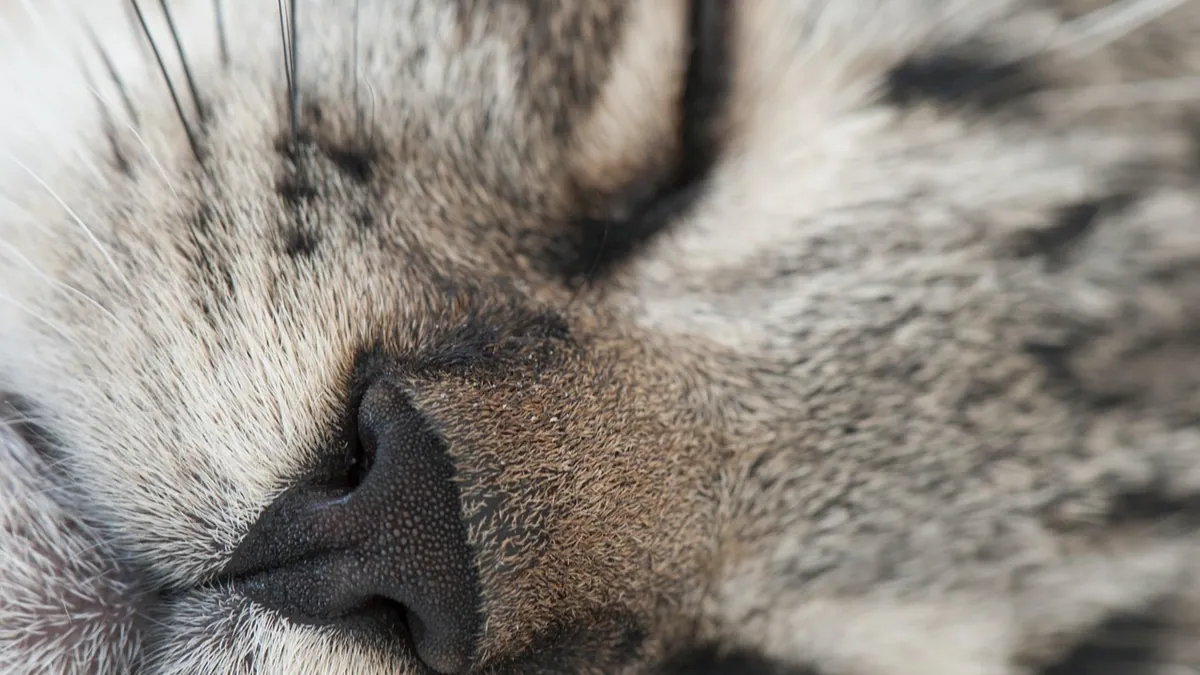
No, you should not pop cat blackheads. Squeezing feline chin acne pushes bacteria and debris deeper into the skin, which can turn a mild case of blackheads into a painful infection or a permanent scar. The right move is to have your veterinarian confirm what you are seeing and start safe treatment at home.
This article is educational and is not a substitute for veterinary diagnosis or treatment.
Quick Answer
- Do not squeeze, pick, scrub, or use human acne products on your cat's chin.
- Feline acne most often shows up as blackheads (comedones) on the chin and lower lip, sometimes with hair loss, crusts, or redness [1].
- The most common age of onset in one clinical study ranged from 6 months to 14 years, with a median of 4 years [1].
- Bacteria were found in 45% of affected cats in that same study, which is one reason squeezing is risky [1].
- Treatment usually involves gentle cleaning, treating any secondary infection, and removing irritants like plastic bowls. Your vet sets the plan.
What Is Feline Acne?
Feline acne is a disorder of the hair follicles and sebaceous glands, most often on the chin and lips. The basic lesion is a comedo, which is the medical word for a blackhead or whitehead. A comedo forms when keratin and oil plug the follicle opening.
In one study of 22 cats with acne, comedones were the most common lesion, seen in 73% of the cats [1]. That matches what owners usually notice first: small dark specks on a hairless or thin-haired chin.
Feline acne is not the same as the teenage acne people get, and it is not caused by poor hygiene alone. It can stay mild for years, or it can flare into inflamed bumps, crusts, and swelling. Some cats also have itchy skin, with itching reported in 35% of affected cats in the same study [1].
What Owners Notice First
The signs can be subtle at the start. Run your eyes over your cat's chin in good light once a week.
Common signs include:
- Black specks that look like dirt but do not wipe off
- Small red or pink bumps
- Crusts or scabs on the chin
- Thinning hair or bald patches on the chin (alopecia was seen in 68% of cats in one study) [1]
- Redness of the skin (erythema, seen in 41%) [1]
- Swelling, pain, or a bad smell in more advanced cases
- Chin rubbing, scratching, or reluctance to have the area touched
If the chin looks angry, wet, or swollen, that is past the blackhead stage. Call your vet.
Why Popping Cat Blackheads Is Harmful
This is the core of the question, so here is the plain answer. A blackhead is a plugged follicle. When you squeeze it, you are applying pressure to a structure that sits deep in the skin. Several bad things can follow.
First, you can rupture the follicle wall. That spills oil, keratin, and bacteria into the surrounding tissue, which triggers inflammation and can create a deeper infection.
Second, you can introduce new bacteria from your fingers or nails. In one study, bacteria were isolated from 45% of cats with acne, most often coagulase-positive staphylococci and alpha-haemolytic streptococci [1]. Those organisms are already present in some cases, and added trauma gives them a better chance to spread.
Third, you can cause scarring. Scarring is a well-recognized consequence of acne in people, and atrophic scars can persist for life if untreated [2]. Cats can scar too, and chin scars are hard to hide.
Fourth, you can cause pain. Cats with chin acne may already be sore. Squeezing makes that worse and can make your cat resist future handling of the area.
Fifth, you can miss a different diagnosis. Not every chin bump is acne. A veterinarian needs to look at the skin, and sometimes test it, before anyone starts squeezing or treating.
Causes and Risk Factors
The exact cause of feline acne is not fully understood. Several factors are thought to play a role, and often more than one is present at once.
Follicle plugging. Abnormal keratinization and oil production block the follicle opening. This is the starting point for most cases.
Secondary infection. Bacteria and yeast can move in once follicles are plugged. In one study, Malassezia pachydermatitis was found on 18% of affected cats, and bacteria on 45% [1]. These are secondary problems, not the original cause.
Irritation from bowls. Plastic food and water bowls can harbor bacteria and create friction on the chin. Many vets recommend stainless steel, ceramic, or glass bowls, washed daily.
Allergy and skin disease. Cats with underlying allergies or other skin conditions may be more prone to chin problems. If your cat also has itchy skin elsewhere, see our guide to Cat Skin Allergy Home Remedies: Safe Options and What to Avoid.
Stress and grooming changes. Stress can affect grooming and oil production. This link is not well established in veterinary research, but many vets consider it a contributing factor.
Other skin conditions that look similar. Dandruff, dry skin, and flaky chin skin can be confused with blackheads. If the main issue is flaking, our article on How To Help Cat Dandruff may be more useful.
| Sign You See | What It Often Means | What To Do |
|---|---|---|
| Black specks, no redness | Mild comedones | Gentle cleaning, vet check |
| Red bumps or pimples | Inflammation or early infection | Vet visit within a few days |
| Crusts, scabs, hair loss | More advanced acne | Vet visit soon |
| Swelling, pus, bad smell | Bacterial infection likely | Vet visit same day |
| Itching, rubbing, pain | Discomfort or another skin disease | Vet visit soon |
How Feline Acne Is Diagnosed
Diagnosis starts with a physical exam. Your vet will look at the chin, lips, and surrounding skin, and check the rest of the body for other lesions.
Your vet may also use:
- Skin cytology. A sample is taken from the surface or a squeezed follicle and examined under a microscope. This can show bacteria or yeast. In one study, cytology found Malassezia in 18% of affected cats [1].
- Skin scraping or hair plucking. These rule out mites and other parasites.
- Fungal culture. A sample is grown to check for ringworm. Microsporum canis was isolated from one cat in the study above [1].
- Bacterial culture. Used when infection is deep or not responding to treatment.
- Biopsy. Rarely needed, but useful if the lesions do not look like typical acne or do not improve. A biopsy can also rule out rare tumors of the hair follicle, which have been reported in cats [3].
Your vet may ask about bowls, diet, grooming products, and any recent changes. Bring a photo of the chin on a good day and a bad day. That helps track progress.
Treatment Options
Treatment depends on how mild or severe the acne is, and whether infection is present. Your vet will set the plan for your cat.
Home Care That Helps
- Switch bowls. Use stainless steel, ceramic, or glass, and wash them daily with hot water and dish soap.
- Keep the chin dry. Wipe away food and moisture after meals with a soft, damp cloth.
- Use only vet-approved cleansers. Human acne washes, alcohol, and hydrogen peroxide can irritate cat skin.
- Do not scrub. Friction makes inflammation worse.
Veterinary Treatments
Your vet may prescribe one or more of the following:
- Topical medications. Medicated pads, gels, or ointments made for cats. These often contain ingredients that reduce bacteria, yeast, or follicle plugging.
- Antibiotics. Used when bacterial infection is confirmed or strongly suspected. Your vet calculates the dose from your cat's weight and health. Never use leftover antibiotics from another pet.
- Antifungals. Used when yeast or ringworm is found.
- Medicated shampoos or wipes. Some cats tolerate these well, others do not. Ask your vet which product and how often.
- Anti-inflammatory drugs. Short courses may be used for severe inflammation. Never give human pain relievers to a cat, as some are toxic.
If your cat has been prescribed medication for a skin allergy that is contributing to chin problems, our article on Cat Skin Allergy Medicine: What Your Vet Might Prescribe explains the common options.
What Not To Do
- Do not pop, squeeze, or pick at blackheads.
- Do not use human acne products, including benzoyl peroxide, salicylic acid, or retinoids.
- Do not use harsh scrubs or exfoliants.
- Do not apply essential oils. Many are toxic to cats.
- Do not stop prescribed treatment early because the chin looks better.
Recovery, Outlook, and Long-Term Management
Mild feline acne often improves within a few weeks of consistent home care and vet treatment. More severe cases can take longer, and some cats need ongoing management.
Feline acne tends to be a chronic, recurring condition. Many cats have flare-ups followed by quiet periods. The goal is control, not a permanent cure.
Long-term management usually includes:
- Daily bowl washing
- Weekly chin checks
- Continued use of any vet-recommended cleanser
- Prompt vet visits when the chin changes
- Regular weigh-ins and checkups if your cat is on long-term medication
Scarring is possible if acne is severe or if the skin is repeatedly traumatized. In people, atrophic acne scars can persist for life if untreated, and treatment often requires a combination of procedures [2]. The same principle applies to cats: early, gentle care gives the best chance of clear skin.
Prevention
You cannot always prevent feline acne, but you can lower the odds of flare-ups.
- Use non-plastic bowls and wash them daily.
- Keep the chin clean and dry, especially after wet food.
- Avoid fragranced or harsh grooming products on the face.
- Manage underlying allergies or skin disease with your vet.
- Do not share grooming tools between pets.
- Check the chin weekly so you catch changes early.
If your cat has a rash with blisters or open sores, that is a different problem. See Cat Skin Rash with Blisters: What to Do Next for guidance.
Limitations and When to Contact a Veterinarian
This article covers general information. Your cat's individual case needs a veterinarian who can examine the skin, run tests if needed, and set a treatment plan.
Contact your vet the same day if you see:
- Rapid swelling of the chin
- Pus, drainage, or a bad smell
- Open sores or bleeding
- Your cat is not eating or is drooling
- Your cat seems painful when the chin is touched
Seek emergency care now if:
- Your cat has trouble breathing
- The swelling spreads to the neck or throat
- Your cat collapses or seems very weak
- You suspect your cat ate or licked a toxic product
Call a routine visit if:
- Blackheads are present but the skin looks calm
- You see mild redness or a few bumps
- Home care has not helped after 1 to 2 weeks
- You are unsure whether the spots are acne or dirt
Frequently Asked Questions
Can I pop my cat's blackheads if they look ready to come out?
No. A blackhead that looks ready to pop is still a plugged follicle deep in the skin. Squeezing can rupture it, spread bacteria, and cause scarring. Let your vet decide the safest way to manage it.
What happens if I already squeezed my cat's chin acne?
Watch the area closely for redness, swelling, pus, or pain. If you see any of these, call your vet. Mild irritation may settle on its own, but infection needs treatment.
Are cat blackheads the same as human blackheads?
They look similar, but the causes and treatments differ. Human acne products can irritate or poison a cat. Use only products your veterinarian recommends for cats.
Do plastic bowls cause feline acne?
Plastic bowls can harbor bacteria and create friction on the chin, which may make acne worse. Many vets recommend switching to stainless steel, ceramic, or glass and washing bowls daily.
How long does feline acne take to clear up?
Mild cases often improve within a few weeks of consistent care. More severe cases can take longer, and some cats need ongoing management. Your vet will set a timeline based on your cat's response.
Related Articles
- Cat Skin Allergy Home Remedies: Safe Options and What to Avoid
- How To Help Cat Dandruff
- How Can I Treat My Cat's Dandruff At Home
- Cat Skin Allergy Medicine: What Your Vet Might Prescribe
- Cat Skin Rash with Blisters: What to Do Next
- How To Cure Cat Dandruff
- Blackheads in Cats: Causes and Treatment
- Cat Acne Treatment: Chin Breakouts and Home Care
- Cat Skin Ointment and Wound Care: Safe Options
References
- An evaluation of the clinical, cytological, infectious and histopathological features of feline acne. Veterinary dermatology, 2006.
- A Comprehensive Review of Non-Energy-Based Treatments for Atrophic Acne Scarring. Clinical, cosmetic and investigational dermatology, 2022.
- Malignant Follicular Tumors With Myxoid Mucopolysaccharide-Like Stroma on Cytology and Histology in a Cat. Veterinary clinical pathology, 2026.