Can Cats Have Hay Fever? Allergies in Cats
By Dr. Zubair Khalid, DVM, MS, PhD ·
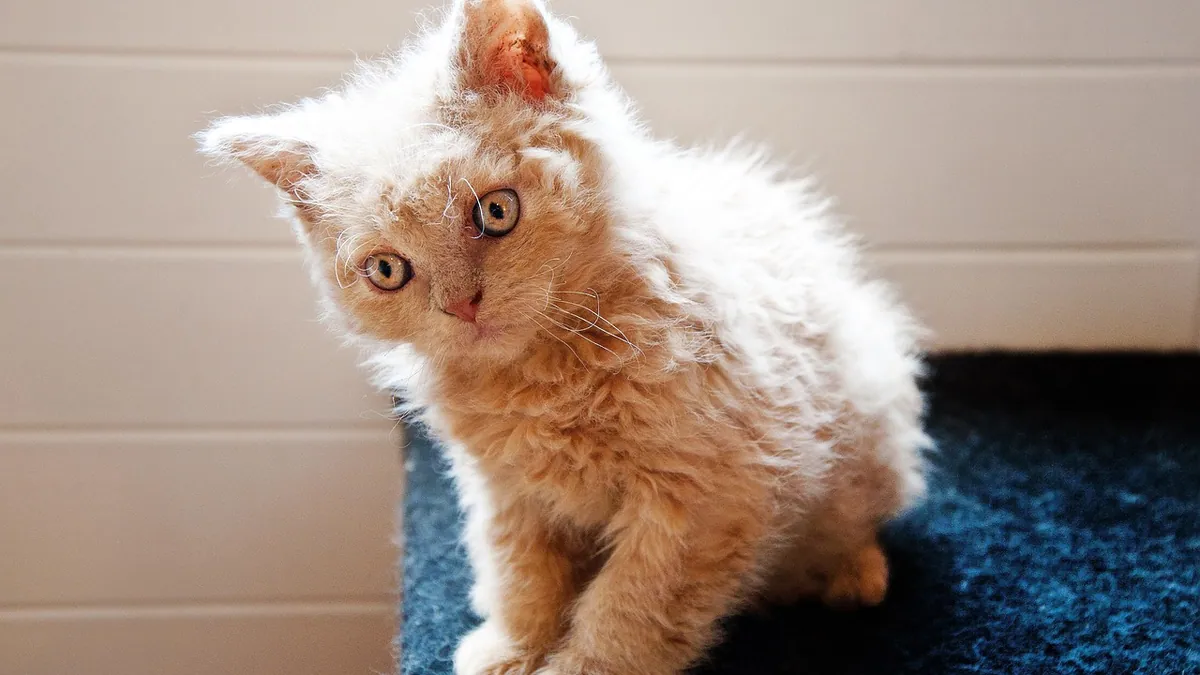
Can cats have hay fever? Yes, they can. Cats get seasonal allergies just like people do, usually from pollen in the air [1]. The signs look different in cats than in humans, though. Cats tend to itch, sneeze, and develop skin problems instead of the watery eyes and runny nose that people get.
This article is educational and is not a substitute for veterinary diagnosis or treatment.
Quick Answer
- Cats can have hay fever (seasonal allergies), but it is less common in cats than in people [1].
- The most common sign is itchy skin, not sneezing. Many allergic cats scratch their head, neck, and ears.
- Some cats do sneeze and have a watery nasal discharge. This is called allergic rhinitis [1].
- There is no single test that proves hay fever in cats. Your vet diagnoses it by ruling out other causes and looking at when symptoms appear [2].
- Treatment often includes antihistamines, avoidance of the allergen, and sometimes allergy shots. Your vet will choose the right option and dose for your cat.
What Is Hay Fever in Cats?
Hay fever in cats is an allergic reaction to something in the air. Pollen from trees, grass, and weeds is the usual trigger. When your cat breathes in pollen, their immune system overreacts. This causes inflammation in the skin, nose, or airways.
In people, hay fever mostly means sneezing and itchy eyes. In cats, the picture is different. Airborne allergies in cats often show up as itchy skin, a condition called atopic dermatitis [2]. Some cats get nasal signs instead. That form is called allergic rhinitis, and it causes a watery nasal discharge and sneezing [1].
Vets sometimes call this condition feline atopy. It can be seasonal (only during pollen season) or nonseasonal (all year). Nonseasonal cases may be triggered by molds, dander, bedding, or feed [1].
Signs Owners Notice
The signs of hay fever in cats can be easy to miss. Cats are good at hiding discomfort. Watch for these changes.
Skin and Coat Signs
- Excessive scratching, especially around the head, neck, and ears
- Overgrooming that leads to thin patches or bald spots
- Red, irritated skin
- Small scabs or crusts
- Recurrent ear infections
These skin signs are the most common way airborne allergies show up in cats [2].
Nasal and Respiratory Signs
- Sneezing, often in bursts
- Clear or watery nasal discharge
- Noisy breathing
- Occasional coughing
These signs point to allergic rhinitis [1]. If your cat is sneezing a lot, it can be hard to tell allergies from an infection. Our guide on Cat Sneezing a Lot: Allergies, Infection, or Something Else? walks through the differences.
Other Signs
Some cats with severe allergic reactions develop hives. Hives are raised, swollen patches that appear within minutes to hours of contact with the trigger [3]. They show up mainly on the back, flanks, neck, eyelids, and legs [3]. In advanced cases, hives can also appear on the mucous membranes of the mouth, nose, eyes, and rectum [3].
Causes and Risk Factors
Hay fever in cats is caused by an overactive immune response to airborne allergens. The most common triggers are pollens. Mold spores, dust, and bedding materials can also set off reactions, especially in cats with year-round signs [1].
Several things raise a cat's risk.
- Genetics. Allergies tend to run in certain lines. If a cat's parents had allergies, the cat is more likely to develop them.
- Age. Atopy often first appears in young adult cats, though it can start at any age.
- Environment. Cats that live indoors with poor air quality or live in areas with high pollen counts may have more flare-ups.
- Other allergies. Cats with food allergies or flea allergies often have airborne allergies too. If your cat has intense itching, flea allergy is a common culprit. See our guide on Flea Allergy Dermatitis In Cats: Comprehensive Veterinary Reference Guide for more.
Food allergies are a separate problem, but they can look similar. Food allergies in cats often cause vomiting within 1 to 2 hours of eating, along with weight loss, diarrhea, or skin changes [1]. Fish, beef, milk, and chicken are the most common triggers [1]. If your vet suspects food is involved, our article on Cat Allergy Food explains how elimination diets work.
How Veterinarians Diagnose Hay Fever in Cats
Diagnosing hay fever in cats is not straightforward. There is no test that can positively confirm the condition [2]. Your vet will use a process of elimination.
Step 1: History and Physical Exam
Your vet will ask about when signs started, whether they come and go with the seasons, and what your cat eats and does. They will examine your cat's skin, coat, ears, nose, and eyes. They will look for fleas and other parasites.
Step 2: Rule Out Other Causes
Many conditions look like allergies. Your vet may run tests to rule them out. These can include flea combing, microscopic analysis of skin samples and scrapings, and fungal cultures [2]. Ringworm, mites, and bacterial infections can all cause itching or sneezing.
Step 3: Allergy Testing
If other causes are ruled out, your vet may suggest allergy testing. Skin tests (called intradermal allergy tests) and blood tests can identify which allergens your cat reacts to. These tests cannot diagnose allergies on their own, but they help your vet build an allergen-specific immunotherapy plan [2].
Step 4: Treatment Trial
Sometimes the diagnosis becomes clear when your cat responds to treatment. A favorable response to antihistamines, the disappearance of signs when the allergen is removed, and the seasonal pattern of symptoms all support a diagnosis of allergic rhinitis [1].
| Diagnostic Step | What It Looks For |
|---|---|
| History and physical exam | Seasonal pattern, itch location, overall health |
| Flea combing and skin scrapings | Fleas, mites, other parasites |
| Fungal culture | Ringworm and other fungal infections |
| Intradermal allergy test | Specific allergens your cat reacts to |
| Treatment trial | Response to antihistamines or allergen removal |
Treatment Options
Treatment for feline hay fever depends on how severe the signs are and what triggers them. Most cats need a combination of approaches.
Avoiding the Allergen
The best treatment is removing the trigger, but that is hard with airborne pollen. You can reduce exposure by keeping windows closed during high pollen days, using air purifiers, and wiping your cat's coat after outdoor time. If the allergen is something indoors, like a certain bedding or feed, removing it can make signs disappear [1].
Medications
Vets commonly prescribe antihistamines for allergic rhinitis in cats [1]. The dose depends on your cat's weight and health, so your veterinarian will calculate it. Never give your cat human allergy medicine without asking your vet first. Some human products contain ingredients that are toxic to cats.
Your vet may also prescribe steroids or other anti-inflammatory drugs for severe itching. These are powerful medicines and need veterinary supervision.
Allergy Shots (Immunotherapy)
Allergen-specific immunotherapy, often called allergy shots, can reduce symptoms over time. It works by gradually teaching the immune system to tolerate the allergen. In people with cat allergies, immunotherapy has been shown to improve rhinitis and asthma symptoms and quality of life [4][5]. The same principle applies to cats. Your vet can formulate shots based on allergy test results [2].
Immunotherapy takes months to work and requires regular injections. It is not a quick fix, but it can provide long-term relief.
Managing Skin Problems
If your cat has scratched their skin raw, they may need medicated shampoos, topical treatments, or antibiotics for secondary infections. Keeping your cat's nails trimmed can reduce damage from scratching.
Recovery, Outlook, and Long-Term Management
Hay fever in cats is usually a lifelong condition. It can be managed, but it rarely goes away completely. Many cats have flare-ups during certain seasons and feel better the rest of the year.
With good management, most allergic cats live normal, comfortable lives. The goal is to reduce itching and sneezing enough that your cat can eat, sleep, and play without distress.
Long-term management often includes:
- Regular checkups with your vet, especially before allergy season starts
- Keeping a log of when symptoms flare up, which helps identify triggers
- Continuing immunotherapy as prescribed, since it can take months to show results
- Watching for skin infections, which are common when cats scratch a lot
- Adjusting the plan as your cat ages or their environment changes
Some cats need treatment only a few months a year. Others need year-round care. Your vet will help you find the right balance.
Prevention
You cannot prevent hay fever in a cat that is genetically prone to it. You can reduce how often and how badly they react.
- Limit pollen exposure. Keep windows closed on high-pollen days. Change air filters regularly. Use an air purifier with a HEPA filter.
- Wipe your cat down. A quick wipe with a damp cloth after outdoor time removes pollen from the coat.
- Keep indoor air clean. Avoid smoking indoors and reduce dust and mold.
- Control fleas and parasites. Flea allergies make skin allergies worse. Stay on a vet-recommended flea prevention plan.
- Feed a consistent diet. If your cat has food sensitivities, avoiding trigger ingredients can reduce overall allergic load. Your vet can help you choose an appropriate diet.
- Start treatment early. If your cat has seasonal flare-ups, begin treatment before the season starts. This can reduce the severity of symptoms.
Limitations and When to Contact a Veterinarian
Hay fever is uncomfortable but rarely an emergency. Some signs need urgent attention, though. Individual cases always need a veterinarian's assessment.
Contact your vet the same day if your cat:
- Stops eating or drinking
- Has thick, yellow, or green nasal discharge (this suggests infection, not just allergy)
- Develops open sores or widespread hair loss
- Seems painful when touched
- Has trouble breathing that is mild but getting worse
Go to an emergency clinic now if your cat:
- Has severe difficulty breathing, especially with open-mouth breathing
- Has facial swelling that is getting worse quickly
- Collapses or seems weak
- Has hives covering a large part of the body along with vomiting or distress
Schedule a routine visit if your cat:
- Sneezes often for more than a few days
- Scratches more than usual
- Has recurring ear problems
- Has symptoms that come back at the same time each year
Frequently Asked Questions
Can cats have hay fever and sneezing?
Yes, cats can have hay fever that causes sneezing. This form is called allergic rhinitis, and it produces a watery nasal discharge along with sneezing [1]. If the discharge turns thick or colored, an infection may be involved and your cat needs to see a vet.
Do cats have hay fever all year?
Some do. Seasonal allergies flare up during pollen season, but nonseasonal rhinitis can be triggered by molds, dander, bedding, or feed and cause signs year-round [1]. Your vet can help figure out which type your cat has.
Can I give my cat human allergy medicine?
No, not without asking your vet first. Some human allergy products contain ingredients that are dangerous to cats. Even safe antihistamines need the right dose for your cat's weight and health, which only your veterinarian can determine.
Is hay fever in cats contagious to other pets or people?
No. Hay fever is an allergic reaction, not an infection. It cannot spread from your cat to other cats, dogs, or people. However, people in the home can also be allergic to pollen or to cat allergens.
Will my cat's hay fever ever go away?
It usually does not go away completely. Most cats with hay fever need ongoing management, though symptoms may be mild or absent outside of allergy season. With treatment, most cats stay comfortable and active.
Related Articles
- Cat Sneezing a Lot: Allergies, Infection, or Something Else?
- Flea Allergy Dermatitis In Cats: Comprehensive Veterinary Reference Guide
- Cat Allergy Food
- Why Is My Cat Sneezing?
- Why Is My Cat Sneezing All The Time
- Cat Allergy Treatment
- What Can Cats Be Allergic To? Common Triggers Explained
- Hives in Cats: Stress, Allergies, and What Causes Them
- Cat Allergies: What You Can Give at Home
References
- Disorders Involving Anaphylactic Reactions (Type I Reactions, Atopy) in Cats - Cat Owners. Merck Veterinary Manual.
- Allergies of Cats - Cat Owners. Merck Veterinary Manual.
- Hives and Rashes (Urticaria) in Cats - Cat Owners. Merck Veterinary Manual.
- Clinical Outcomes of Cat Allergen Immunotherapy in Patients With Allergic Rhinitis: A Real-World Study. The Journal of craniofacial surgery, 2026.
- The long-term effectiveness of specific immunotherapy in cat allergy: a real-life study. Immunotherapy, 2026.