Vomiting in Dogs With Heart Failure: Causes and Care
By Dr. Zubair Khalid, DVM, MS, PhD ·
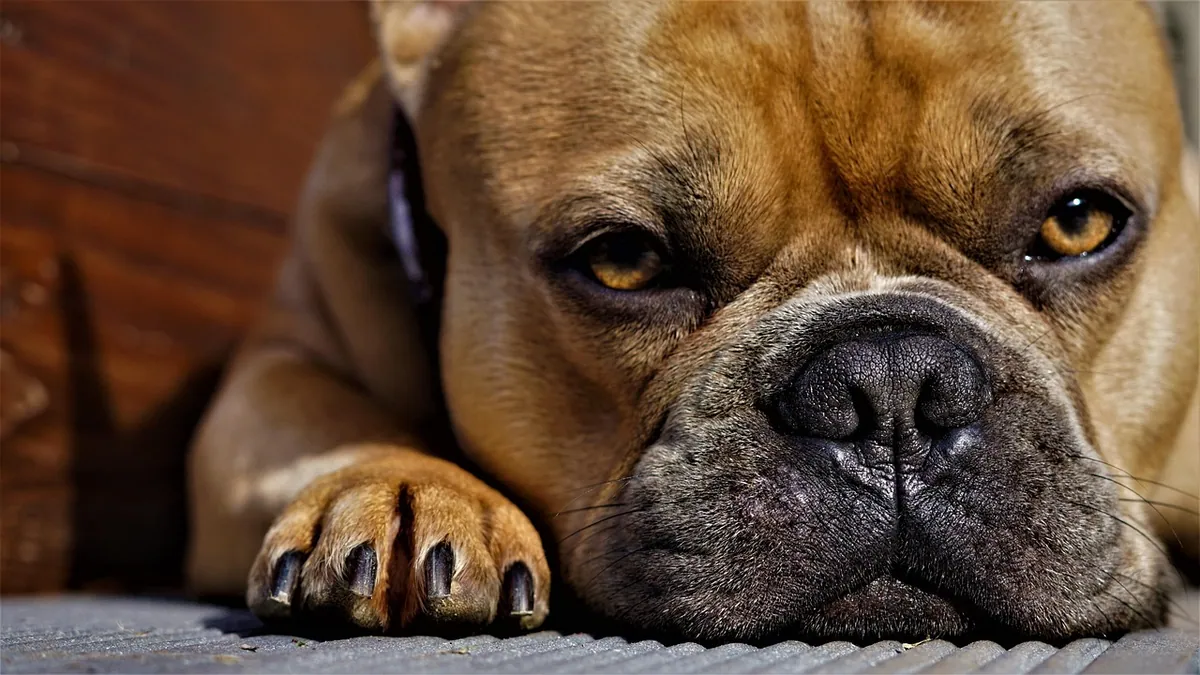
Vomiting in dogs with heart failure is common and usually has a treatable trigger. The cause may be a medication side effect, fluid buildup, reduced blood flow to the gut, or an unrelated stomach problem. Because a dog throwing up heart failure symptoms can worsen quickly, it helps to know what to watch for and what to report.
This article is educational and is not a substitute for veterinary diagnosis or treatment.
Quick Answer
- Vomiting is not a normal part of stable heart disease. It usually points to a medication issue, congestion, poor perfusion, or a separate gut problem [1][2].
- Call your veterinarian the same day if your dog vomits more than once, refuses food, or seems weak.
- Go to an emergency clinic now if your dog is struggling to breathe, collapsing, or vomiting repeatedly with a swollen belly.
- Never stop or change a heart medication on your own. Your veterinarian can adjust the dose or add an anti-nausea drug.
- Keep a simple log of when vomiting happens, what it looks like, and how it relates to meals and pills.
What Is Happening in a Dog With Heart Failure?
Heart failure is not one disease. It is a syndrome in which severe heart dysfunction prevents the cardiovascular system from maintaining normal blood pressure, normal cardiac output, and normal venous and capillary pressures [1]. When the heart cannot keep up, fluid backs up into the lungs or body cavities, and less blood reaches organs that need it [1].
That combination explains a lot of the vomiting you may see. A congested gut can become swollen and slow. Poor perfusion can make the stomach and intestines irritable. Medications that support the heart can also upset the stomach. Sometimes the vomiting has nothing to do with the heart at all, and your dog simply ate something that did not agree with them [3].
Vomiting is different from regurgitation. Vomiting is an active, forceful ejection of stomach or upper intestinal contents, often with drooling, retching, and belly contractions first [3]. Regurgitation is passive. Food comes up undigested, sometimes in a tube shape, and breathing problems or coughing are more often linked to regurgitation [3]. This distinction matters because it changes what your veterinarian will look for. If your dog has a heart condition and you are seeing coughing or breathing changes along with food coming up, see Dog Heart Disease: How to Tell If Your Dog Is in Congestive Heart Failure.
Signs Owners Notice
The signs of vomiting in dogs with heart failure overlap with many other problems. Watch for:
- Nausea signs before vomiting, such as drooling, lip licking, and retching [3]
- Vomiting food, bile, or foam, sometimes right after a pill
- Reduced appetite or refusing food
- Weakness, lethargy, or reluctance to walk
- Weight loss over days to weeks [3]
- Increased breathing rate or effort at rest
- A distended belly from fluid
- Dehydration, with tacky gums or skin that stays tented
Long-term or repeated vomiting can lead to dehydration and electrolyte imbalances, which are especially risky in a dog whose heart is already working hard [3]. If your dog is vomiting and you are worried about fluid loss, see Dog Dehydration Symptoms Vomiting. If the vomit is mostly yellow bile, Dog Vomiting Bile Kidney Failure covers another cause that can look similar. If food comes up barely digested, Dog Vomiting Undigested Food: Causes and What to Do walks through that pattern.
Causes and Risk Factors
Medication Side Effects
Most dogs with congestive heart failure take several drugs. Some of them commonly cause nausea or vomiting, especially when started or when the dose changes. Your veterinarian may adjust timing, split the dose, give the pill with food, or add an anti-nausea medication. Never make that change yourself. A missed heart dose can trigger congestion, and an extra dose can drop blood pressure.
Fluid Buildup and Gut Congestion
When the heart fails, fluid backs up. In left-sided failure this shows up as pulmonary edema, and in right-sided failure it shows up as fluid in the belly or under the skin [1]. A congested intestinal tract does not move food normally, which can lead to nausea and vomiting. This is one reason a dog can look better after diuretic treatment.
Poor Perfusion and the Heart-Gut Axis
Heart failure is increasingly viewed as a whole-body syndrome, not just a heart problem. Reduced blood flow to the gut can affect inflammation and disrupt the intestinal barrier [4]. That means a failing heart can indirectly irritate the digestive tract. This area is still being studied, so the exact role in any one dog is not fully established.
Other Conditions That Cause Vomiting
Vomiting has many causes beyond the heart, including digestive disease, kidney or liver failure, pancreatitis, nervous system disorders, and ingestion of irritating substances or poisons [3]. Some dogs have a chronic pattern of repeated vomiting episodes that does not respond to standard anti-nausea drugs, which has been described as a possible cyclic vomiting syndrome in dogs [5]. Cardiac disease can also affect iron handling in the body, and iron deficiency is a known issue in human heart failure that contributes to symptoms and poor quality of life [6]. Your veterinarian will sort out which problem is driving the vomiting.
| What you see | Possible link to heart failure | Urgency |
|---|---|---|
| Vomiting within an hour of a pill | Medication upset | Call your vet today |
| Vomiting with a swollen belly | Right-sided congestion | Call your vet today |
| Vomiting with fast, labored breathing | Lung congestion | Emergency now |
| Occasional vomit, dog still eating and playful | Often unrelated | Monitor, mention at next visit |
| Repeated vomiting with weakness or collapse | Poor perfusion or dehydration | Emergency now |
How It Is Diagnosed
Your veterinarian starts with the history you provide. Write down when vomiting happens, what it looks like, how it relates to meals and medications, and whether your dog is eating and drinking. That timeline often points to the cause before any test is run.
The physical exam checks hydration, gum color, heart rate and rhythm, lung sounds, breathing effort, and belly shape. Blood work looks at kidney values, liver values, electrolytes, and proteins. A heart-focused workup may include chest X-rays, an ultrasound of the heart, and blood tests for cardiac markers. If the vomiting seems unrelated to the heart, your veterinarian may recommend abdominal imaging or a diet trial.
Because heart failure is a syndrome with limited and specific mechanisms, the signs tend to be limited and specific too [2]. That helps your veterinarian narrow the list quickly.
Treatment Options
Treatment depends on the cause. If a medication is the trigger, your veterinarian may change the timing, give it with food, or add an anti-nausea drug. Do not skip doses on your own.
If congestion is the problem, diuretics are often adjusted to remove extra fluid. If perfusion is poor, other heart medications may be reviewed. Pimobendan is one drug used in dogs with myxomatous mitral valve disease. A multicenter study found that dogs given pimobendan before congestive heart failure began had shorter survival times after heart failure started compared with dogs that were pimobendan-naive at that point, 168 days versus 359 days [7]. This finding is about a specific group of dogs and does not mean the drug is harmful. It means timing and individual case factors matter, and your cardiologist will weigh the whole picture.
Supportive care for vomiting may include a bland diet, small frequent meals, fluids under the skin or in the hospital, and anti-nausea medication. Your veterinarian calculates every dose from your dog's weight and health status. No dose in this article is a recommendation for your pet.
Recovery, Outlook, and Long-Term Management
Most vomiting episodes in a dog with heart failure can be managed once the trigger is found. The outlook for the heart disease itself depends on the type and stage. Some dogs stay comfortable for many months with good medical care. Others decline faster.
Long-term management usually means:
- A consistent medication schedule, with pills given at the same times each day
- Regular weigh-ins at home, since weight gain can signal fluid buildup
- A resting breathing rate count, done when your dog is asleep
- Routine blood work to check kidney values and electrolytes
- Prompt calls to your veterinarian when appetite or energy changes
Keep a notebook or phone note with dates, symptoms, and medication changes. That record is one of the most useful things you can bring to an appointment.
Prevention
You cannot prevent heart failure from causing vomiting in every case, but you can lower the odds of a crisis.
- Give medications exactly as prescribed and on schedule.
- Ask about giving pills with a small meal if your dog vomits after doses.
- Keep all recheck appointments, even when your dog seems fine.
- Watch for early nausea signs like drooling and lip licking [3].
- Keep your dog at a healthy weight and follow your veterinarian's exercise guidance.
- Store medications safely and keep trash, human foods, and toxins out of reach, since ingestion of irritating substances can cause vomiting [3].
Limitations and When to Contact a Veterinarian
This article cannot tell you what is causing your dog's vomiting. Only your veterinarian can do that after an exam and testing. Individual cases need a veterinarian.
Call an emergency clinic now if your dog:
- Breathes fast or hard while resting, or stretches the neck to breathe
- Collapses, faints, or cannot stand
- Vomits repeatedly in a short period
- Has a swollen, tight belly
- Vomits blood or material that looks like coffee grounds
Call your veterinarian the same day if your dog:
- Vomits more than once in 24 hours
- Refuses food for more than one meal
- Seems weak, dull, or unwilling to move
- Vomits right after a heart medication
- Drinks much less than usual
Mention at your next routine visit if your dog:
- Vomits once every few weeks but otherwise acts normal
- Has soft stool or changes in appetite
- Seems to lick lips or drool before meals
If your dog has a heart condition and you notice sneezing or snorting episodes, Dog Reverse Sneezing Heart Failure explains how to tell that apart from a breathing emergency.
Frequently Asked Questions
Should I stop my dog's heart medication if it causes vomiting?
No. Stopping a heart medication suddenly can trigger congestive heart failure or dangerous blood pressure changes. Call your veterinarian instead. They can adjust the dose, change the timing, or add an anti-nausea drug.
Is vomiting always a sign that heart failure is getting worse?
No. Vomiting often comes from medication, diet, or a separate gut problem. That said, vomiting with fast breathing, a swollen belly, or weakness can signal worsening congestion. When in doubt, call your veterinarian the same day.
Can I give my dog an over-the-counter anti-nausea medicine?
No. Human anti-nausea products are not dosed for dogs and some can be harmful. Your veterinarian has safe options and will calculate the right dose from your dog's weight and health. Never give a human medication without asking first.
How can I tell vomiting apart from regurgitation?
Vomiting is active. You will usually see drooling, retching, and belly contractions before food comes up [3]. Regurgitation is passive, and the food often looks undigested and tube-shaped. Regurgitation is more often tied to coughing or breathing trouble [3].
What should I write down before calling the vet?
Note the time of each episode, what came up, whether it followed a meal or pill, and how your dog acted afterward. Add their appetite, water intake, and resting breathing rate. That information helps your veterinarian decide how urgent the problem is.
Related Articles
- Dog Vomiting Bile Kidney Failure
- Dog Heart Disease: How to Tell If Your Dog Is in Congestive Heart Failure
- Dog Vomiting Undigested Food: Causes and What to Do
- Dog Dehydration Symptoms Vomiting
- Dog Reverse Sneezing Heart Failure
- Canine Vomiting: Home Management and When to Seek Veterinary Care
- Weight Loss in Dogs With Heart Failure: Causes and Care
- Why Is My Dog Throwing Up? Causes and When to Worry
- Signs of Nausea and Vomiting in Dogs: Causes and Care
References
- Heart Failure in Dogs and Cats - Circulatory System. Merck Veterinary Manual.
- Heart Failure in Dogs - Dog Owners. Merck Veterinary Manual.
- Vomiting in Dogs - Dog Owners. Merck Veterinary Manual.
- Reframing Heart Failure as a Multiorgan Network Disorder: Translational and Regenerative Perspectives in Veterinary Cardiology. Veterinary sciences, 2026.
- Diagnosis and management of presumptive cyclic vomiting syndrome in a dog: first report in veterinary medicine. BMC veterinary research, 2025.
- Altered Iron Metabolism in Dogs with Naturally Occurring Cardiac Disease. Biomolecules, 2026.
- Survival of dogs with myxomatous mitral valve disease administered preclinical pimobendan in comparison to pimobendan-naïve dogs from the onset of congestive heart failure. Journal of veterinary cardiology : the official journal of the European Society of Veterinary Cardiology, 2026.