Exercise for Senior Dogs: Safe Routines and Limits
By Dr. Zubair Khalid, DVM, MS, PhD ·
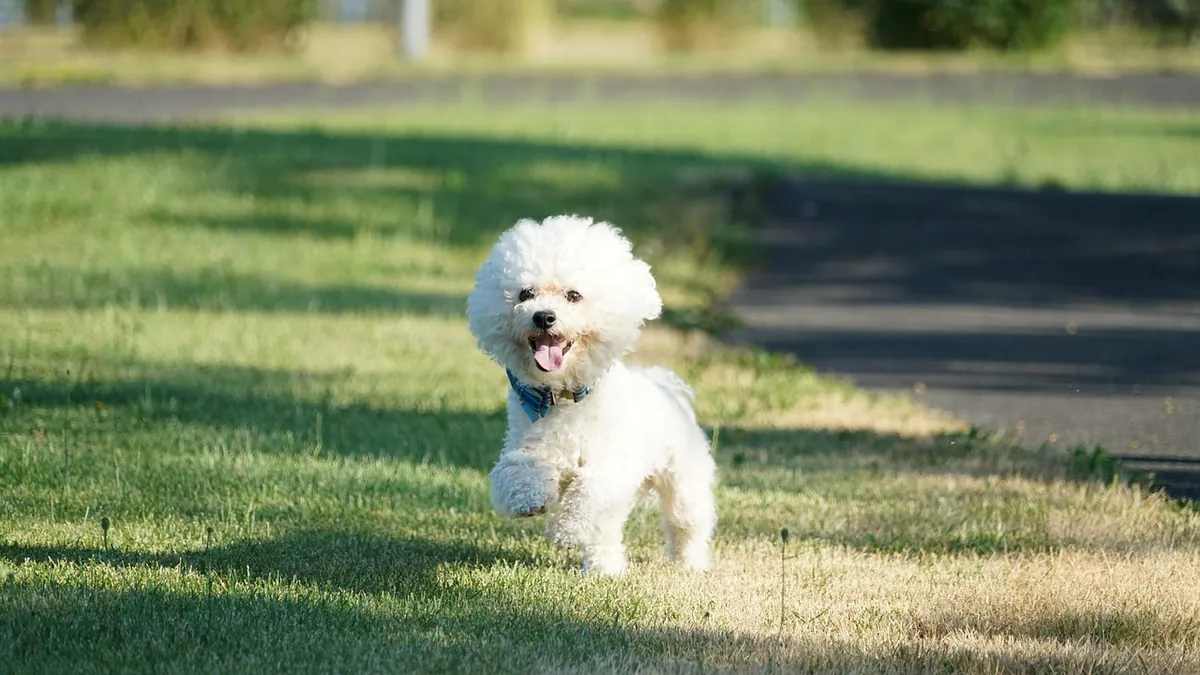
Senior dog exercises should be shorter, gentler, and more frequent than the workouts your dog handled at age three. Most older dogs do best with 15 to 30 minutes of low-impact activity once or twice a day, adjusted to their energy, joint health, and breathing. Your dog sets the pace, and you watch for signs of strain.
This article is educational and is not a substitute for veterinary diagnosis or treatment.
Quick Answer
- Aim for two short walks a day instead of one long one, and let your dog stop and sniff as much as they want.
- Keep the pace easy. A stroll where your dog can trot or amble is safer than sustained running or steep hills.
- Skip high-impact activities like jumping, stairs at speed, and hard sprinting, especially if your dog has arthritis.
- Give more recovery time between bigger outings, since older dogs take longer to bounce back [1].
- Ask your veterinarian at the annual wellness exam which activities are safe for your dog's specific conditions, and reassess often as abilities change [2].
How Much Exercise Does an Old Dog Need?
There is no single number that fits every senior dog. Needs depend on breed, body condition, heart and lung health, joint disease, and personality. Some older dogs still want to go everywhere with you [2]. Others prefer a sunny spot and a slow sniff around the yard, and that is fine too [2].
A practical starting point is 15 to 30 minutes of gentle activity once or twice daily. Split it into two shorter sessions instead of one long one. Short, frequent walks are easier on stiff joints than a single big push.
Watch your dog, not the clock. If your dog slows down, lies down, or lags behind, the session is over. A dog who wants to please you may push past their body's limits, so you have to pay attention for them [2].
Low-Impact Activities That Work for Senior Dogs
Sniffathons and leisurely walks
Think of your walks as sniffathons. Let your dog stroll, snuffle, and check everything out [2]. This is mental work as much as physical work, and it tires a dog out without pounding their joints.
Swimming and wading
Swimming is gentle on joints because water supports body weight. Check with your veterinarian first if your dog has heart disease or breathing problems, since water exercise still raises body temperature and breathing effort.
Flat, short hikes in cool weather
If your dog still loves trails, choose shorter hikes with less elevation change and fewer obstacles to climb over [1]. Plan hikes during cooler weather, usually morning or evening [1]. Adjust your pace to your dog and let them set it [1].
Gentle indoor movement
On hot, icy, or rainy days, short indoor sessions keep your dog moving. A few slow laps through the house, a food puzzle that requires standing and shifting weight, or a calm training session all count. For more ideas, see How to Keep Your Senior Dog's Mind Active: Simple Brain Games.
Structured therapeutic exercise
Structured exercise programs are used in dogs with degenerative joint disease. In one clinical study, dogs completed a standardized rehabilitation protocol of three sessions per week for five weeks, with joint motion and limb measurements taken before and after [3]. This kind of program is designed and supervised by a veterinarian or rehabilitation professional, not something to copy at home on your own.
A Sample Weekly Plan for Senior Dog Exercises
This is a general template. Your veterinarian can adjust it for your dog's conditions.
| Day | Activity | Duration | Notes |
|---|---|---|---|
| Monday | Two sniff walks | 15 to 20 min each | Flat ground, let dog set pace |
| Tuesday | One walk plus indoor brain game | 20 min walk | Skip if stiff or sore |
| Wednesday | Rest or gentle yard time | 10 to 15 min | Watch for morning stiffness |
| Thursday | Two sniff walks | 15 to 20 min each | Cool part of the day |
| Friday | Short flat hike or swim | 20 to 30 min | Only if your vet approves |
| Saturday | One walk plus sniff time | 20 min | Extra rest after |
| Sunday | Rest or very short stroll | 10 min | Recovery day |
Add more rest time between bigger outings, since older dogs need longer to recover [1]. If your dog seems sore the day after an activity, cut the duration or intensity next time.
Step-by-Step: Building a Safe Routine
- Get a baseline exam. At your dog's annual wellness checkup, discuss safe activities for your older dog [2]. Ask specifically about joints, heart, breathing, and weight.
- Start smaller than you think. Begin with 10 to 15 minutes once a day for a week. Add five minutes only if your dog finishes easily and shows no soreness the next day.
- Warm up and cool down. Start each session with a slow walk and end with a slow walk. Sudden stops and starts are hard on stiff muscles.
- Choose surfaces wisely. Grass, dirt, and packed sand are kinder than concrete and asphalt. Avoid slippery floors and steep slopes.
- Time it around the weather. Heat and humidity raise risk for dogs with breathing problems. Brachycephalic dogs (flat-faced breeds) are predisposed to respiratory and thermoregulatory impairment that can show up during exertion [4].
- Plan recovery. Give a rest day after any bigger outing [1].
- Reassess often. Your dog's physical capabilities change over time, so revisit the plan regularly with your veterinarian [2].
Signs Exercise Is Too Much
Stop the session and let your dog rest if you see any of these:
- Heavy or loud panting that does not settle within a few minutes
- Lagging behind, sitting down, or refusing to continue
- Limping, stiffness, or a change in gait during or after activity
- Reluctance to rise the next day
- Trembling, weakness, or wobbling
- A blue, gray, or pale gum color
- Collapse, confusion, or trouble breathing
Some of these are emergencies. See the section below for timing.
Common Mistakes Owners Make
One long walk instead of two short ones. Long sessions load joints for a longer stretch. Two shorter walks usually work better.
Pushing a dog who wants to please. A dog may push their body beyond ideal limits to stay with you [2]. You have to call the stop.
Skipping pain management on active days. Some dogs need pain medication on a day with extra activity to take part, much like a person taking an anti-inflammatory before a big game [2]. Never give human medications without asking your veterinarian first. Your veterinarian calculates the dose from your dog's weight and health.
Ignoring the weather. Heat, humidity, and cold all change what your dog can handle. Brachycephalic dogs are at particular risk during exertion [4].
Treating every day the same. Older dogs need more recovery time between outings [1]. Build in rest days.
Forgetting the mind. Exercise and enrichment go together. A tired body and a bored brain is not the goal. For dogs who seem low energy overall, see Lazy Dog: Health Risks and Exercise Tips for Low-Energy Canines.
Setup and Supplies That Matter
- Harness instead of a neck collar. A well-fitted harness spreads pressure across the chest and avoids pulling on the neck.
- Non-slip footing. Rugs, yoga mats, and carpet runners help dogs with weak hind legs stay upright indoors.
- Ramps and steps. If your dog struggles with stairs, see How to Help Your Senior Dog with Stairs: Safe Alternatives and Training.
- Water, always. Bring water on outings and offer it often.
- Cool timing. Walk in the morning or evening during warm months [1].
- Joint support. Ask your veterinarian whether a joint supplement fits your dog's situation. For background, see Senior Dog Joint Supplements.
- A way to carry your dog. A sling or a sturdy carrier helps if your dog tires far from home.
Limitations and When to Contact a Veterinarian
Individual dogs vary widely, and only your veterinarian can assess your dog's heart, lungs, joints, and pain level. This article gives general guidance, not a plan for your specific dog.
Call your veterinarian the same day if your dog:
- Limps or is stiff for more than a day after activity
- Seems more tired than usual for more than 24 hours
- Refuses food after a hard outing
- Has a mild cough that started after exercise
Go to an emergency clinic now if your dog:
- Collapses or faints
- Has trouble breathing, or gums that look blue, gray, or white
- Cannot stand or walk
- Shows sudden weakness in the back legs
- Vomits repeatedly or seems in severe pain
Bring it up at a routine visit if:
- Your dog is slowing down gradually
- You are unsure how much exercise is safe
- Your dog seems stiff in the morning
- You want to start a structured exercise or rehabilitation program
For a broader picture of your dog's comfort and daily function, see How to Use a Quality of Life Scale for Your Senior Dog: A Practical Guide.
Frequently Asked Questions
How long should I walk my senior dog?
Most older dogs do well with 15 to 30 minutes of gentle walking once or twice a day, but the right number depends on your dog's health and stamina. Let your dog set the pace and stop when they seem tired [1]. Your veterinarian can give you a target based on your dog's exam findings.
Is it okay to run with an older dog?
Sustained running is usually too much for a senior dog, especially one with joint disease or breathing problems. Choose walking, swimming, or short flat hikes instead [1]. If your dog has heart disease, ask your veterinarian before adding any vigorous activity.
What if my dog seems sore the day after a walk?
Give a rest day and shorten the next outing. Soreness that lasts more than a day, or that comes with limping, deserves a call to your veterinarian. Older dogs need more recovery time between outings [1].
Can I exercise my dog if they have arthritis?
Yes, gentle movement is generally part of managing arthritis, but the plan should be set by your veterinarian. Structured therapeutic exercise programs have been studied in dogs with degenerative joint disease under professional supervision [3]. Ask about a rehabilitation referral if your dog is stiff or limping.
Should I exercise my dog in hot weather?
Usually not, especially for flat-faced breeds. Brachycephalic dogs are predisposed to breathing and temperature regulation problems that can appear during exertion [4]. Walk in the cooler morning or evening hours [1], keep sessions short, and bring water.
Related Articles
- How to Help Your Senior Dog with Stairs: Safe Alternatives and Training
- How to Keep Your Senior Dog's Mind Active: Simple Brain Games
- Senior Dog Joint Supplements
- How to Use a Quality of Life Scale for Your Senior Dog: A Practical Guide
- Lazy Dog: Health Risks and Exercise Tips for Low-Energy Canines
- Dog Training Tips For Older Dogs
- Dog Exercise Needs by Breed and Age: How Much Is Enough?
- Zoomies in Older Dogs: Is It Normal for a Senior to Run?
- When Is a Dog a Senior? Age Ranges and Care Changes
References
- Hiking with Senior Dogs. Pet Poison Helpline.
- Senior dog enrichment. Cornell University College of Veterinary Medicine.
- Structured therapeutic exercise program effect on PROM and muscle mass in dogs with osteoarthritis: a prospective clinical study. Frontiers in veterinary science, 2026.
- Ultrasonographic and Thermographic Evaluation in Brachycephalic Dogs Before and After Physical Exercise in the Brazilian Northeast Semi-Arid Region. Veterinary sciences, 2026.