Probiotics for Cats With Kidney Disease: Safe or Not?
By Dr. Zubair Khalid, DVM, MS, PhD ·
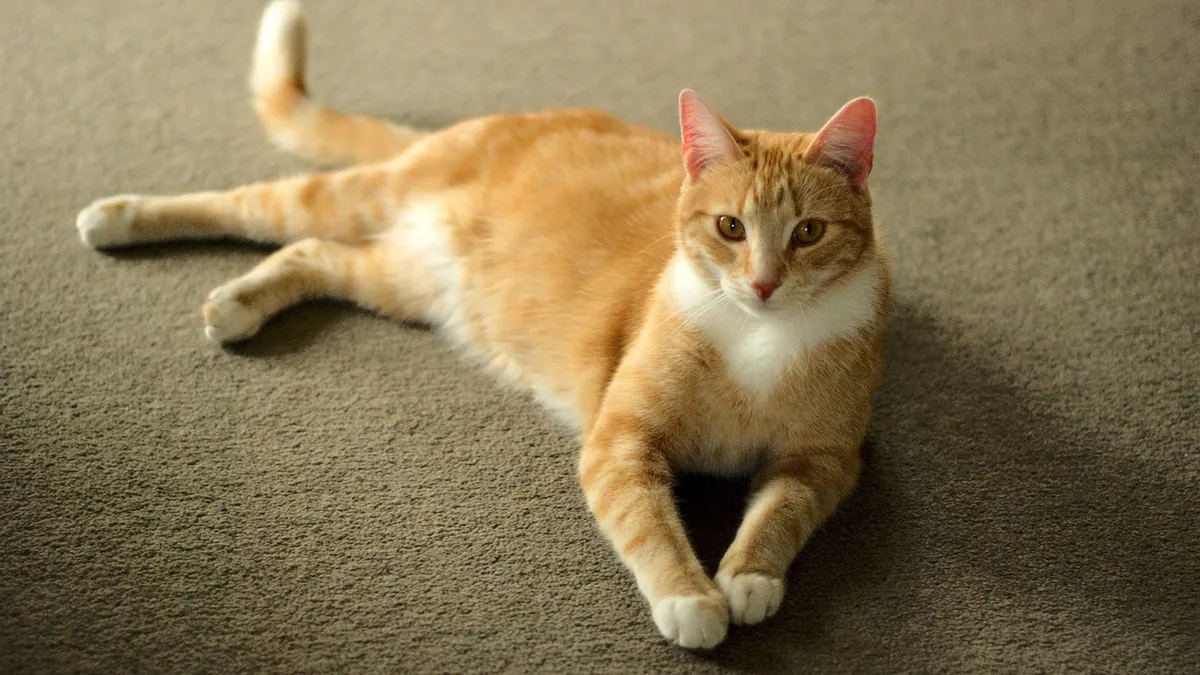
Probiotics for cats with kidney disease are generally safe for most cats, and they may help with gut health, but they are not a treatment for kidney disease itself. The right product depends on your cat's other medications, especially phosphate binders, so you should always check with your veterinarian before starting one. This article is educational and is not a substitute for veterinary diagnosis or treatment.
Quick Answer
- Probiotics are not a cure for chronic kidney disease (CKD) and do not replace prescription kidney diets, phosphate binders, blood pressure medication, or fluids.
- Many probiotic strains appear safe in cats, including Lactobacillus, Bifidobacterium, Bacillus, Enterococcus, and Saccharomyces, but safety data in cats with kidney disease specifically is limited [1].
- Give probiotics at least 2 hours apart from phosphate binders when possible, because binders are designed to grab onto material in the gut and could reduce how much probiotic survives.
- Avoid probiotic products with added phosphorus, high sodium, or "kidney support" herbs unless your veterinarian approves the label.
- Stop the probiotic and call your vet if you see vomiting, diarrhea, lethargy, or a sudden drop in appetite.
What Kidney Disease Means in Cats
Chronic kidney disease is a slow loss of working kidney tissue. The kidneys filter waste, balance water and electrolytes, control blood pressure, and help make red blood cells. When nephrons (the filtering units) are lost, the remaining ones work harder until they cannot keep up.
CKD is common in older cats and tends to worsen over months to years. It is staged using the International Renal Interest Society (IRIS) system, which ranges from stage 1 (early, often no signs) to stage 4 (severe). Your vet uses blood values like creatinine and symmetric dimethylarginine (SDMA), urine tests, and blood pressure to assign a stage.
The gut and the kidneys talk to each other. Cats with CKD often have changes in the gut microbiome, more inflammation, and a leakier intestinal barrier. That is the main reason owners ask about probiotics for cats with kidney disease. The idea is that a healthier gut might reduce inflammation and waste products that the kidneys have to clear.
Signs Owners Notice
Early CKD often causes no obvious signs. When signs appear, they usually include:
- Drinking more water and urinating more (often larger clumps in the litter box)
- Weight loss and muscle loss along the spine
- Poor appetite, picky eating, or nausea
- Vomiting, sometimes in the morning
- Bad breath with a urine-like odor in advanced cases
- Dull coat, low energy, hiding
- Mouth ulcers or drooling in late stages
Because these signs overlap with many other conditions, bloodwork and a urine test are needed to sort out what is going on.
Causes and Risk Factors
CKD in cats is usually multifactorial. Age is the biggest risk factor, and many cats over 10 years old have some degree of kidney change. Other contributors include dental disease, high blood pressure, urinary tract infections, prior kidney injury from toxins (like lilies or antifreeze), and genetics in some breeds.
Diet and hydration matter too. Cats evolved to get most of their water from prey, and many house cats eat dry food and drink less than ideal amounts. Feeding a kidney-friendly diet early, once your vet recommends it, can help slow progression. You can read more about diet choices in What Cat Food Is Best For Kidney Disease and What Is A Good Cat Food For Kidney Disease.
How CKD Is Diagnosed
Your veterinarian will start with a physical exam, weight, body condition score, and blood pressure. Key tests include:
- Serum creatinine and blood urea nitrogen (BUN)
- SDMA, which can rise earlier than creatinine
- Urinalysis with urine specific gravity and urine protein-to-creatinine ratio
- Complete blood count and electrolytes (phosphorus, potassium, calcium)
- Thyroid testing, since hyperthyroidism can mask or mimic kidney disease
- Imaging (radiographs or ultrasound) when the kidneys look abnormal on exam
Newer research is looking at urine proteins as a way to detect and monitor feline CKD. In one study, a panel of urinary proteins distinguished cats with CKD from healthy cats with very high accuracy, better than SDMA or the urine protein-to-creatinine ratio [2]. This kind of testing is not yet standard in general practice, but it points to where diagnosis is heading.
Treatment Options for Feline CKD
There is no cure for CKD. Treatment aims to slow progression, control symptoms, and protect quality of life. A typical plan includes:
- A prescription kidney diet that is restricted in phosphorus and moderate in protein
- Phosphate binders if diet alone does not control phosphorus
- Blood pressure medication if hypertension is present
- Potassium supplementation if levels are low
- Appetite stimulants, anti-nausea drugs, and stomach acid reducers as needed
- Subcutaneous fluids at home for dehydration
- Treatment of anemia and other complications in advanced stages
Diet is the single most studied intervention. If your cat refuses prescription food, a homemade plan built by a veterinary nutritionist can work. See Cat Kidney Disease Diet Homemade and Cat Diet Recommendations Senior Cat Kidney Disease for more detail.
Some cats also benefit from medications mixed into food. A study of benazepril incorporated into a kidney diet found that cats eating the medicated diet had lower drug exposure than cats given once-daily tablets, but ACE inhibition was at least equivalent in CKD cats and higher in healthy cats [3]. This is one example of how delivery method can change both compliance and drug behavior.
Where Probiotics Fit In
Probiotics are live microorganisms that can support gut health. In cats, strains such as Lactobacillus, Bifidobacterium, Bacillus, Enterococcus, and Saccharomyces have shown benefits like modulating the gut microbiota, reducing inflammation, and improving gastrointestinal symptoms [1]. A separate review describes how probiotics support gut barrier function, immune regulation, and metabolic health in dogs and cats, while noting that host specificity and rigorous clinical trials are still lacking [4].
One study fed a complex probiotic (Bacillus coagulans SNZ-1969, Bacillus subtilis, and Bacillus licheniformis) to domestic cats. The probiotic group had higher gut bacterial diversity, more beneficial microbes like Clostridium, Bacteroides, Phocaeicola, and Ruminococcus, and fewer opportunistic pathogens like Escherichia, Gallibacter, and Corynebacterium [5]. The same study found changes in 408 intestinal metabolites, which shows probiotics can shift gut chemistry, not just gut bugs [5].
What none of this proves is that probiotics slow kidney disease. The evidence for kidney-specific benefit in cats is not well established. Think of probiotics as a possible support for gut comfort and overall well-being, not as a kidney treatment.
Safety in Kidney Disease
For most cats, probiotics are considered safe when given at label doses [1]. The main concerns in CKD are product quality and interactions.
First, read the label. Some probiotic powders and chews include added phosphorus, calcium, sodium, or herbal ingredients. Extra phosphorus works against everything else you are doing for the kidneys. High sodium is a problem if your cat has hypertension or heart disease.
Second, consider the immune system. Cats with advanced CKD can be immunocompromised. Live yeast products (Saccharomyces) and live bacteria carry a small theoretical risk of infection in severely immunocompromised patients. This is rare, but it is a reason to ask your vet before starting, especially in stage 4 CKD or in cats on immunosuppressive drugs.
Third, watch for GI upset. Any new supplement can cause vomiting or diarrhea. If that happens, stop it and call your vet.
Probiotics and Phosphate Binders
Phosphate binders are given with meals. They work by binding phosphorus in the gut so less is absorbed. Common binders include aluminum hydroxide, calcium carbonate, calcium acetate, sevelamer, and lanthanum carbonate.
Because binders are designed to grab onto material in the digestive tract, they can also bind other things you give at the same time. The practical rule is to separate probiotics from binders by at least 2 hours. Give the binder with the meal, then give the probiotic between meals, or the other way around, based on what your vet advises.
This timing rule is based on how binders work, not on a specific study in cats. If your cat eats small meals all day, ask your vet how to schedule both. Do not skip the binder to fit in the probiotic. Phosphorus control matters more for kidney health than any probiotic.
Choosing a Product
There is no single "best" probiotic for cats with kidney disease. Veterinary research has not settled on one strain or dose for CKD. What you can do:
- Choose a product made for cats, not a human or dog product
- Look for a named strain and a guaranteed CFU count on the label
- Avoid added phosphorus, sodium, or unproven herbs
- Pick a form your cat will actually take (powder, paste, capsule, or chew)
- Ask your vet to review the label before you buy
Your veterinarian calculates any dose based on your cat's weight, stage, and other medications. Do not guess at a dose from a human product.
Recovery, Outlook, and Long-Term Management
CKD is managed, not cured. Many cats live comfortably for months to years after diagnosis, especially when caught early. The goal is steady weight, good appetite, controlled phosphorus, normal blood pressure, and a cat who still enjoys daily life.
Recheck visits every 3 to 6 months are typical, and more often after a change in treatment. Your vet will track weight, creatinine, SDMA, phosphorus, potassium, blood pressure, and urine protein. Trends matter more than any single number.
If you add a probiotic, treat it as one small piece of the plan. Keep a simple log of appetite, litter box habits, and any vomiting so you can tell whether the probiotic helps, does nothing, or causes problems.
Prevention
You cannot prevent all kidney disease, but you can lower some risks:
- Keep fresh water available and consider a fountain
- Feed a balanced diet and avoid excessive phosphorus in older cats
- Keep up with dental care and annual or twice-yearly wellness exams
- Never give human pain medications like ibuprofen or naproxen to cats
- Keep lilies and other toxic plants out of the house
- Screen older cats with bloodwork and urine testing, since early CKD often has no signs
If you are considering probiotics for cats with kidney disease, bring the product to your next visit. Your vet can check it against your cat's diet, binders, and stage.
Limitations and When to Contact a Veterinarian
Probiotic research in cats is still limited. Many studies are short, involve small numbers of cats, and do not focus on kidney disease [1][4]. That means we cannot promise a specific benefit for your cat's kidneys.
Call your veterinarian the same day if your cat:
- Refuses food for more than 24 hours
- Vomits repeatedly or has diarrhea lasting more than a day
- Seems weak, wobbly, or unusually quiet
- Has a sudden change in drinking or urination
Go to an emergency clinic now if your cat:
- Cannot stand, has seizures, or breathes with an open mouth
- Collapses or seems unresponsive
- Has not urinated in 24 hours, especially a male cat straining in the litter box
Schedule a routine visit if you notice gradual weight loss, more drinking, a dull coat, or new picky eating. Individual cases need a veterinarian who can examine your cat and review its lab work.
Frequently Asked Questions
Are probiotics safe for cats with kidney disease?
For most cats, probiotics are considered safe at label doses, and common strains like Lactobacillus, Bifidobacterium, Bacillus, Enterococcus, and Saccharomyces have shown benefits in feline gut health [1]. The bigger risks in CKD come from additives like extra phosphorus or sodium, and from timing conflicts with phosphate binders. Ask your vet to review the exact product first.
Do probiotics help kidney disease in cats?
There is no strong evidence that probiotics slow or reverse feline kidney disease. The research supports benefits for gut microbiota, inflammation, and gastrointestinal symptoms, not kidney function itself [1][6]. Use them as gut support alongside your vet's kidney plan, not as a replacement for it.
Can I give a probiotic at the same time as a phosphate binder?
It is better to separate them by at least 2 hours. Binders are designed to capture phosphorus in the gut, and they may also reduce how much live probiotic gets through. Give the binder with food as directed, then give the probiotic at a different time of day.
What should I look for on a probiotic label for a cat with CKD?
Look for a product made for cats, a named bacterial strain, and a guaranteed CFU count. Avoid added phosphorus, high sodium, and herbal ingredients that are not proven in kidney disease. Your veterinarian can confirm whether the label fits your cat's stage and medications.
Can probiotics replace a kidney diet or fluids?
No. Prescription kidney diets, phosphate control, blood pressure management, and fluids when needed are the core of CKD care. Probiotics may support gut comfort and general well-being, but they do not control phosphorus, protein loss, or hydration [1][4]. Keep the rest of the plan in place.
Related Articles
- What Cat Food Is Best For Kidney Disease
- What Is A Good Cat Food For Kidney Disease
- What Food Is Good For Cats With Kidney Problems
- Cat Kidney Disease Diet Homemade
- Cat Diet Recommendations Senior Cat Kidney Disease
- Cat Kidney Disease Food Reddit
- Probiotics for Cats With Diarrhea, IBD, or Constipation
- Probiotics for Cats Side Effects: What to Watch For
- Constipation and Diarrhea in Cats With Kidney Disease
References
- A Review of Probiotic Supplementation and Its Impact on the Health and Well-Being of Domestic Cats. Veterinary sciences, 2025.
- Mass spectrometry-based urinary proteomic analysis in feline chronic kidney disease. Physiological reports, 2026.
- Why incorporating benazepril into a renal diet may improve treatment efficiency and compliance in cats with chronic kidney disease. Frontiers in veterinary science, 2026.
- From conventional probiotics to precision nutrition: host-specific probiotics in canine and feline functional foods. Frontiers in veterinary science, 2026.
- The Gut Microbiome and Metabolome of Domestic Cats Were Altered by the Oral Administration of Complex Probiotics. Biology, 2026.
- Application of Probiotics in Cats and Dogs: Benefits and Mechanisms. Veterinary sciences, 2025.