IMHA in Dogs and Cats: Immune-Mediated Anemia Explained
By Dr. Zubair Khalid, DVM, MS, PhD ·
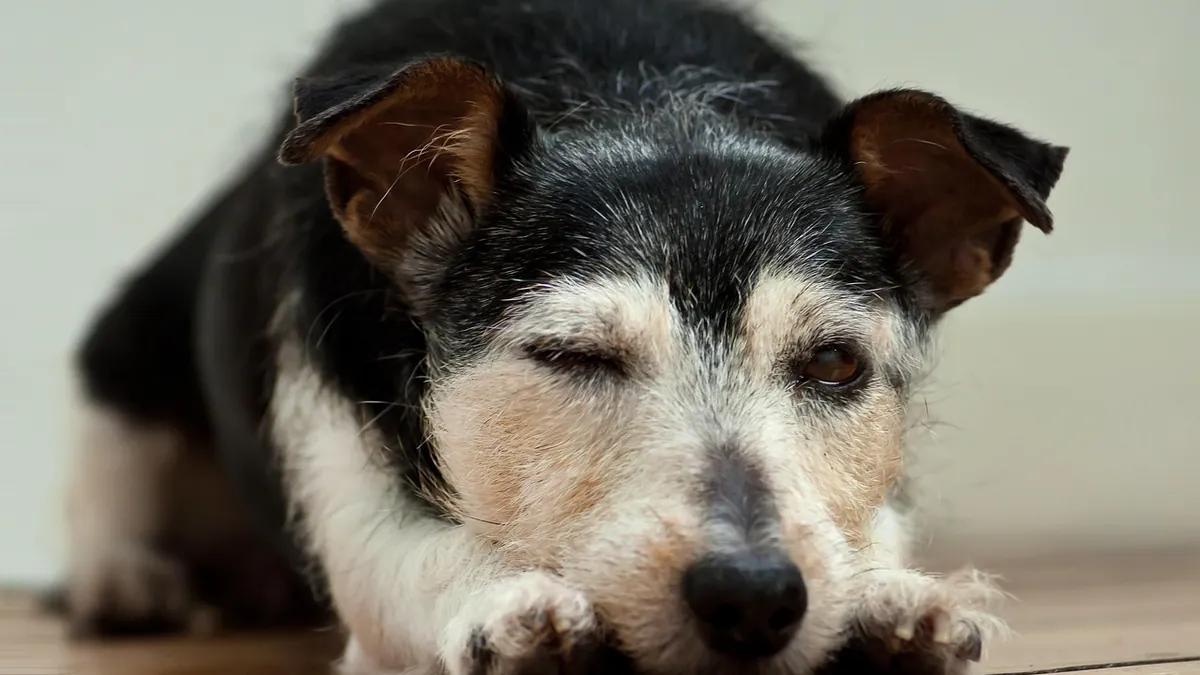
IMHA in cats and dogs is an immune-mediated hemolytic anemia, meaning the body's own immune system destroys its red blood cells faster than they can be replaced. It is the most common cause of hemolytic anemia in dogs and a serious, uncommon problem in cats [1][2]. Because red blood cells carry oxygen, this destruction can quickly become life-threatening without treatment.
This article is educational and is not a substitute for veterinary diagnosis or treatment.
Quick Answer
- IMHA happens when the immune system mistakes red blood cells for foreign invaders and makes antibodies against them [1][2].
- It can appear on its own or follow tumors, infections, drugs, or vaccinations in dogs [1].
- Common signs are pale gums, weakness, tiredness, fast heart rate, and sometimes yellow skin or eyes [3][2].
- Diagnosis uses a complete blood count plus extra tests to confirm the immune attack [3].
- Treatment usually starts with immunosuppressive drugs, and some pets need blood transfusions or oxygen support [4][5].
What Is IMHA in Cats and Dogs?
Anemia means the number of red blood cells, the hemoglobin concentration, or the packed cell volume has dropped below normal [3]. Red blood cells are built to carry oxygen to every tissue in the body. When there are too few of them, organs and muscles do not get the oxygen they need.
Veterinarians sort anemia into two broad groups based on how the bone marrow responds. In regenerative anemia, the bone marrow notices the shortage and releases new red blood cells called reticulocytes. In nonregenerative anemia, the bone marrow does not respond well enough to the increased demand [1][3]. Anemia from bleeding or from red blood cell destruction is usually regenerative, though a regenerative response takes 3 to 5 days to show up after the anemia begins [3].
Hemolytic anemia is the type caused by destruction of red blood cells. Most hemolytic anemias are regenerative, and causes include immune system disease, damage to small blood vessels, physical injury to red blood cells, metabolic disorders, toxins, infections, and inherited conditions [2].
IMHA is the immune-mediated form. The body no longer recognizes its own red blood cells as "self" and develops antibodies against circulating red blood cells, which leads to their destruction [1]. In some pets, those antibodies also attack young red blood cells inside the bone marrow. When that happens, the anemia can become nonregenerative because the marrow cannot release enough replacement cells [2].
Signs Owners Notice First
The signs of IMHA depend partly on how fast the anemia develops. A pet that becomes anemic slowly has time to adjust, so symptoms can build gradually. Cats with long-term anemia often show tiredness, weakness, and poor appetite. Physical findings can include pale gums, a fast heart rate, and sometimes an enlarged spleen or a heart murmur [2].
When anemia comes on quickly, the signs are more dramatic. General clinical signs of anemia include pale mucous membranes, increased heart rate, and low blood pressure [3]. You might notice your dog or cat:
- Sleeping more and tiring on normal walks or play
- Breathing faster or harder, even at rest
- Eating less or refusing food
- Acting weak or wobbly
- Having pale, white, or gray gums instead of pink
- Having yellow tinge to the gums, skin, or whites of the eyes (from red blood cell breakdown)
- Passing dark, orange, or red-brown urine
Some dogs with IMHA develop neurologic signs. In one group of 81 dogs with non-associative IMHA and high bilirubin levels, 20% developed signs such as stupor, weakness in all four limbs, or generalized seizures [6]. This is a serious complication and needs emergency care.
Causes and Risk Factors
IMHA can be non-associative, meaning no underlying trigger is found, or associative, meaning it is linked to another condition or event.
In dogs, immune-mediated hemolytic anemia can occur on its own or as a result of tumors, infection, drugs, or vaccinations [1]. A case report described a pregnant dog that developed IMHA during late pregnancy, possibly secondary to the pregnancy or to a recent course of antibiotics [4]. This shows that triggers are not always obvious.
In cats, IMHA can be non-associative or associated with diseases such as feline infectious peritonitis (FIP), which is caused by mutated feline coronaviruses [7]. In a review of 45 cats with FIP and IMHA, 58% had the effusive form and 42% had the non-effusive form, and the median hematocrit was 18% [7]. Anemia was nonregenerative in 80% of those cats and regenerative in 11% [7]. Concurrent low platelet counts were present in 40% of the cats [7].
Non-associative IMHA is uncommon in cats and carries substantial mortality [5]. In a study of 37 cats with non-associative IMHA, overall mortality was 24.3%, with all deaths occurring within four weeks [5].
Breed may play a role in dogs. Some breeds appear more prone to immune-mediated blood disorders, and certain lines of Cocker Spaniels have been linked to immune anemia alongside other health problems. If you want breed-specific detail, see Cocker Spaniel Health Problems: Primary Seborrhea and AIHA Immune Anemia.
How IMHA Is Diagnosed
Diagnosis starts with a physical exam and a complete blood count (CBC). A CBC measures red blood cell numbers, hemoglobin, and packed cell volume, and it can show whether the anemia is regenerative or nonregenerative [3]. Diagnosis can be based on the CBC but should be confirmed by additional tests [3].
Your veterinarian may also look for:
- Autoagglutination. Red blood cells clumping together in a blood tube, which suggests antibodies are stuck to them [8].
- A saline agglutination test or Coombs test. These help confirm an immune cause, and they were used to identify IMHA in cats with FIP [7].
- Reticulocyte count. This shows whether the bone marrow is responding [3][7].
- Blood chemistry and bilirubin. High bilirubin can occur as red blood cells break down, and it has been linked to neurologic signs in dogs with IMHA [6].
- Imaging and other tests. These help find underlying triggers such as tumors or infections [1].
Your veterinarian will also rule out other causes of anemia, including bleeding, parasites, toxins, and inherited conditions [2]. Because IMHA can look like other diseases, confirming the immune attack matters before starting long-term immunosuppressive treatment.
For a deeper look at the diagnostic process in dogs, see Canine Immune-Mediated Hemolytic Anemia: Diagnostic and Management Framework. For cats, see Feline Immune-Mediated Hemolytic Anemia: Diagnosis and Management.
Treatment Options
Treatment has two goals: stop the immune system from destroying red blood cells, and support the pet until new cells can be made.
Immunosuppressive Drugs
Glucocorticoids (steroids) are the first-line treatment for IMHA in both dogs and cats [5]. They suppress the immune attack and reduce antibody production. In cats with non-associative IMHA, cyclosporin A is frequently added to steroids, and in one study 22 of 37 cats received the combination while 15 received prednisolone alone [5]. Your veterinarian calculates the exact dose from your pet's weight, test results, and overall health, and the dose is usually tapered slowly over weeks to months.
Steroid treatment has real risks, including increased thirst, urination, appetite, and susceptibility to infection. For a detailed discussion of balancing those risks, see Corticosteroid Therapy in Canine Immune-Mediated Hemolytic Anemia: Balancing Risks and Benefits.
Blood Transfusions and Supportive Care
Severely anemic pets may need a blood transfusion to stabilize them. A pregnant dog with IMHA received multiple blood transfusions, immunosuppressive steroids, and progesterone during a 5-day hospital stay, and she later gave birth to four healthy puppies [4]. Transfusions buy time while immunosuppressive treatment takes effect. Crossmatching and compatibility testing matter for safety, and you can read more in Blood Transfusion in Dogs and Cats: Crossmatching and Compatibility.
Other supportive care may include oxygen, intravenous fluids, anti-clotting medication, and treatment of any underlying trigger. Cats with FIP and IMHA in one review were treated with nucleoside antivirals, and 98% also received glucocorticoids [7].
Monitoring for Complications
IMHA pets are at risk of blood clots. Dogs with IMHA often have hypercoagulable blood, meaning it clots too easily, and this contributes to high mortality from thromboembolism [9]. A cat with IMHA has been reported with pulmonary thromboembolism, a clot in the lungs, which was treated with antithrombotic therapy and prednisolone [8]. Your veterinarian may use clotting tests to guide anti-clotting treatment.
Recovery, Outlook, and Long-Term Management
Outcomes vary widely. Some pets respond within days, while others need weeks of intensive care.
| Factor | What it means for your pet |
|---|---|
| Speed of diagnosis | Faster treatment means less strain on organs |
| Regenerative vs. nonregenerative | Regenerative anemia often has a better early response [3][2] |
| Underlying cause | Treating a trigger such as infection improves odds [1][7] |
| Blood clots | A major cause of death in dogs with IMHA [9] |
| Species | Cats with non-associative IMHA have substantial mortality, about 24% in one study [5] |
Most pets need months of medication and frequent blood tests. Steroids are tapered slowly, and relapses can happen. In one cat study, five cats relapsed, four of them while still on immunosuppressive treatment, and two cats achieved treatment-free remission lasting 4.2 and 1.9 years [5]. This shows that long-term remission is possible but not guaranteed.
Your veterinarian will set a monitoring schedule based on your pet's blood counts. Do not stop or change steroid doses on your own, because sudden withdrawal can cause a relapse or other serious problems.
Prevention
There is no sure way to prevent IMHA because the immune trigger is often unknown [1]. You can lower some risks by keeping your pet's preventive care current, treating infections promptly, and telling your veterinarian about any drug or vaccine reactions. If your pet has a breed or family history of immune disease, mention it at every visit. For pets with a known trigger such as FIP, treating the underlying disease is the best available strategy [7].
Limitations and When to Contact a Veterinarian
IMHA is a diagnosis that requires a veterinarian. No article can tell you whether your pet has it or how to treat it.
Call your veterinarian the same day if you notice pale gums, unusual tiredness, a fast heart rate, or a yellow tinge to the skin or eyes [3][2].
Go to an emergency clinic now if your pet is struggling to breathe, collapses, has a seizure, or cannot stand [6]. These can be signs of severe anemia, a blood clot, or neurologic complications, and they can worsen within hours.
Keep routine visits if your pet is on immunosuppressive treatment, even when they seem normal. Blood work is the only way to know whether the anemia is improving or relapsing.
Frequently Asked Questions
Is IMHA in cats and dogs curable?
Many pets survive IMHA with treatment, and some achieve long-term remission off medication. In one cat study, two cats stayed in remission for years after treatment stopped [5]. However, relapses occur, and the disease can be fatal, so ongoing veterinary monitoring is needed.
How long does IMHA treatment last?
Treatment usually lasts several months, with steroids tapered slowly based on blood test results. One dog in a case report was weaned off steroids after six weeks [4]. Every pet is different, and your veterinarian sets the timeline.
Can IMHA come back after treatment?
Yes, relapses happen. In one group of cats, five relapsed, and four of those were still receiving immunosuppressive treatment at the time [5]. This is why follow-up blood work continues even after your pet looks well.
Are some dog breeds more likely to get IMHA?
Some breeds appear more prone to immune-mediated blood disorders, including certain lines of Cocker Spaniels. Breed alone does not cause IMHA, and any dog can develop it [1].
Can IMHA cause blood clots?
Yes, and clots are a leading cause of death in dogs with IMHA [9]. A cat with IMHA has also been reported with a clot in the lungs [8]. Your veterinarian may prescribe anti-clotting medication as part of treatment.
Related Articles
- Canine Immune-Mediated Hemolytic Anemia: Diagnostic and Management Framework
- Corticosteroid Therapy in Canine Immune-Mediated Hemolytic Anemia: Balancing Risks and Benefits
- Feline Immune-Mediated Hemolytic Anemia: Diagnosis and Management
- Cocker Spaniel Health Problems: Primary Seborrhea and AIHA Immune Anemia
- Blood Transfusion in Dogs and Cats: Crossmatching and Compatibility
- Transfusion Triggers and Blood Product Selection in Anemic Dogs
- IMHA in Dogs: Causes, Symptoms, and Treatment
- IMHA in Cats: Symptoms, Causes, and Treatment
- IMHA in Dogs: Survival Rate and Life Expectancy
References
- Anemia in Dogs - Dog Owners. Merck Veterinary Manual.
- Anemia in Cats - Cat Owners. Merck Veterinary Manual.
- Overview of Anemia in Animals - Circulatory System. Merck Veterinary Manual.
- Successful treatment of immune-mediated hemolytic anemia in a pregnant dog: a case report. Frontiers in veterinary science, 2026.
- Clinical Findings, Treatment and Long-Term Outcome in 37 Cats with Non-Associative Immune-Mediated Hemolytic Anemia: A Retrospective Observational Study of Two Treatment Cohorts. Animals : an open access journal from MDPI, 2026.
- Hyperbilirubinemia and neurologic signs in dogs with non-associative immune-mediated hemolytic anemia: 81 cases (2015-2024). Journal of veterinary internal medicine, 2026.
- Immune-Mediated Hemolytic Anemia in Cats with Feline Infectious Peritonitis. Pathogens (Basel, Switzerland), 2025.
- Pulmonary thromboembolism due to immune-mediated hemolytic anemia in a cat: A serial study of hematology and echocardiographic findings. Frontiers in veterinary science, 2022.
- Tissue plasminogen activator modified thromboelastography identifies fibrinolysis resistance in dogs with immune-mediated hemolytic anemia. Frontiers in veterinary science, 2025.