Enlarged Heart in Dogs: Symptoms, Causes, and Stages
By Dr. Zubair Khalid, DVM, MS, PhD ·
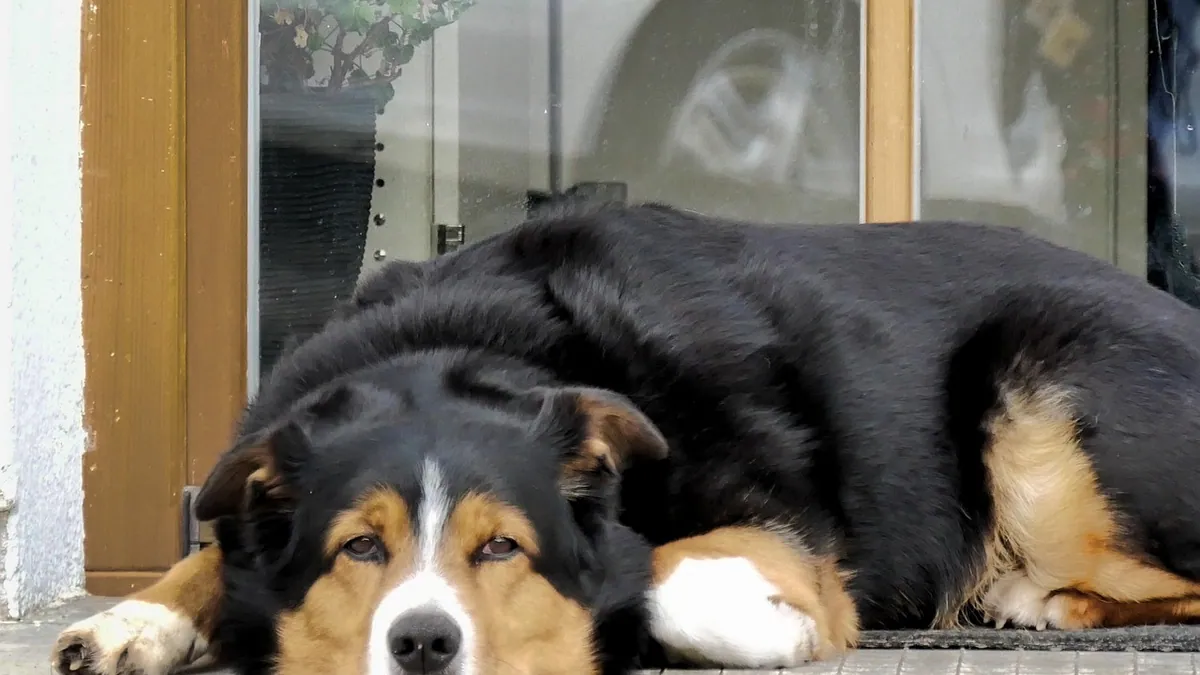
An enlarged heart in dogs means the heart muscle or its chambers have stretched or thickened beyond normal size. It is not a single disease but a physical change that usually points to an underlying heart condition. The most common enlarged heart in dogs symptoms are coughing, tiring easily, breathing faster than usual, and fainting.
This article is educational and is not a substitute for veterinary diagnosis or treatment.
Quick Answer
- An enlarged heart is almost always a sign of heart disease, not a disease on its own, and it tends to get worse over time instead of go away [1].
- Early signs are easy to miss. Watch for a new cough, slower walks, sleeping more, or a resting breathing rate that creeps up.
- A heart murmur heard through a stethoscope is often the first clue, and it usually prompts an X-ray or ultrasound.
- Treatment cannot shrink the heart back to normal in most cases, but it can slow the disease and improve comfort and lifespan.
- Any dog that faints, breathes with the belly, or struggles for air needs emergency care right away.
What an Enlarged Heart Actually Means
The heart is a muscle with four chambers. Enlargement means one or more of those chambers has dilated (stretched wider) or the muscle wall has thickened. Both changes make the heart less efficient at pumping blood.
Veterinarians group these changes under the term cardiomyopathy, which means a primary disease of the heart muscle itself [2]. In dogs, the two most common forms are dilated cardiomyopathy, where the chambers stretch and the walls thin, and the changes that follow long-term valve disease, where the heart works harder to push blood past a leaky valve.
An enlarged heart does not automatically mean your dog is in heart failure. Heart failure is a syndrome, not a diagnosis, and it happens when the heart can no longer keep up with the body's demand for blood flow [3]. Many dogs with an enlarged heart have no signs at all for months or years because the body compensates. The trouble starts when those compensations stop working.
Enlarged Heart in Dogs Symptoms: What Owners Notice First
The signs of an enlarged heart build slowly. Most owners notice something small first, then realize later that it had been going on for weeks.
Early signs
- A soft cough, often after resting or at night
- Tiring on walks that used to be easy
- Sleeping more and playing less
- A resting breathing rate that is slightly higher than it used to be
- A heart murmur found at a routine exam
A cough in a dog with an enlarged heart is often blamed on the heart pressing on the airways. That said, research in dogs with enlarged hearts from mitral valve disease found no clear link between chronic cough and narrowing of the main airway on X-rays, which suggests other airway problems may also be involved [4]. In plain terms, a cough in a dog with heart disease still deserves a full look, because the cause is not always obvious.
Signs that mean the disease is advancing
- Coughing that produces foam or a wet sound
- Labored breathing, especially with the elbows out and belly moving
- Reluctance to lie down, or pacing at night
- A swollen belly from fluid buildup
- Fainting or collapsing
- Blue or gray gums
These are signs of congestive heart failure, where fluid backs up into the lungs or abdomen. If you see any of them, treat it as urgent. For a closer look at how these signs progress, see Dog Heart Disease: How to Tell If Your Dog Is in Congestive Heart Failure.
Causes and Risk Factors
An enlarged heart usually comes from one of a handful of underlying problems.
Dilated cardiomyopathy (DCM). This is a common acquired heart muscle disease in dogs and a major cause of congestive heart failure [5]. The muscle weakens, the chambers stretch, and pumping power drops.
Valve disease. Myxomatous mitral valve disease is the most common acquired heart condition in dogs. Over time the leaky valve forces the left side of the heart to work harder, and the chambers enlarge.
Genetics. Many cardiomyopathies are inherited or linked to a specific genetic mutation [2]. This is why certain breeds show up again and again.
Nutrition and other causes. Some heart muscle disease is secondary, meaning something else caused it, such as a nutritional deficiency or another systemic illness [2].
Infection. The cardiac form of parvovirus can cause an enlarged heart with pale streaks in the muscle. This form is now rare in vaccinated populations but remains a threat to newborn puppies without maternal immunity [6].
Breed and size. Large and giant breeds are overrepresented for DCM. Small breeds, especially Cavalier King Charles Spaniels, are overrepresented for valve disease.
Age. Most acquired heart disease shows up in middle-aged and older dogs, though congenital defects appear in young dogs.
How an Enlarged Heart Is Diagnosed
Diagnosis starts with the hands and ears, not a machine.
Physical exam. Your veterinarian listens for a murmur or an abnormal rhythm, checks the pulse, and feels the belly for fluid. A murmur is turbulent blood flow, and it is often the first sign that something is wrong. A dog can have a murmur and an enlarged heart without showing any outward signs yet.
Chest X-rays. Radiographs show the size and shape of the heart and whether the lungs look wet. This is a fast, first-line way to assess heart size, the pulmonary vessels, and the airways [5]. In dogs with DCM and left-sided heart failure, the lung pattern tends to be a mild to moderate, diffuse, unstructured interstitial pattern, mostly in the lower part of the chest [7].
Echocardiogram. An ultrasound of the heart is the most detailed test. It measures chamber size, wall thickness, and how well the muscle contracts. It also identifies which valves are leaking.
Blood and urine tests. These rule out other causes and check how the kidneys and other organs are handling the disease and any medications.
Holter monitor. A 24-hour rhythm recorder catches irregular heartbeats that a short exam can miss.
| Test | What it shows | Why it matters |
|---|---|---|
| Physical exam | Murmur, rhythm, pulse, fluid | First clue, guides next steps |
| Chest X-ray | Heart size, lung fluid, airways | Fast, confirms enlargement and congestion |
| Echocardiogram | Chamber size, wall thickness, valve leaks | Most detailed, guides treatment |
| Blood and urine tests | Organ function, other causes | Safety for medications |
| Holter monitor | Heart rhythm over 24 hours | Finds arrhythmias that cause fainting |
Enlarged Heart in Dogs Stages
Veterinarians stage heart disease to decide when to start treatment. The staging system runs from a dog at risk with no disease, to a dog with a murmur but no enlargement, to a dog with enlargement but no signs, to a dog with signs of heart failure.
The practical point for owners is this: treatment decisions change at each stage. A dog with a murmur and a normal-sized heart may need monitoring only. A dog with an enlarged heart but no signs may start medication to delay the onset of failure. A dog with active congestive heart failure needs diuretics and other drugs right away. For a full breakdown, read Dog Heart Disease: What Are the Stages and What Do They Mean?.
Staging also explains why your veterinarian may want rechecks every few months even when your dog seems fine. The heart can enlarge and the lungs can fill with fluid before you notice anything at home.
Treatment Options
Treatment depends on the stage, the underlying cause, and your dog's other health problems. There is no single drug that fixes an enlarged heart.
Medications. Common categories include diuretics to clear fluid from the lungs, drugs that help the heart pump more efficiently, and drugs that relax blood vessels to reduce the workload. Your veterinarian calculates every dose from your dog's weight, kidney function, and current stage, so never adjust or share medication on your own.
Rhythm control. Dogs with dangerous arrhythmias may need medication to steady the heartbeat.
Diet. Some heart conditions respond to specific nutritional changes. Your veterinarian will tell you if a prescription diet is appropriate.
Activity and weight. Keeping your dog at a healthy weight and avoiding extreme exertion helps the heart work less.
Procedures. Some structural problems, such as narrowed valves, can be treated with balloon valvuloplasty in specialized centers. One case report described a dog that gained good quality of life for nine months after this procedure before the disease progressed [8]. This is not a routine option and depends on the exact defect.
Oxygen and hospitalization. A dog in severe heart failure may need oxygen, injectable diuretics, and close monitoring in a hospital.
Recovery, Outlook, and Long-Term Management
There is no cure for most causes of an enlarged heart. The goal is to slow the disease, control fluid, and keep your dog comfortable for as long as possible.
Life expectancy varies widely. It depends on the cause, the stage at diagnosis, how well your dog responds to treatment, and other health conditions. Some dogs live comfortably for years after a murmur is first heard. Others decline within months once heart failure starts. Your veterinarian can give you a realistic range for your dog's specific situation.
Day-to-day management matters more than most owners expect.
- Track your dog's resting breathing rate at home. Count breaths for 30 seconds while your dog sleeps, then double it. Report a sustained increase to your veterinarian.
- Give medications on schedule. Missed doses can trigger fluid buildup.
- Keep recheck appointments. Staging changes over time.
- Watch for the red flags listed below.
- Ask about quality-of-life checkpoints so you know when to adjust the plan.
For dogs with DCM specifically, see Dilated Cardiomyopathy in Dogs.
Prevention
You cannot prevent every cause of an enlarged heart, but you can lower risk and catch problems earlier.
- Keep vaccinations current. The cardiac form of parvovirus is rare in vaccinated dogs but still threatens newborns without maternal immunity [6].
- Feed a complete, balanced diet from a reputable manufacturer. Ask your veterinarian before switching to a grain-free or boutique diet.
- Keep your dog at a healthy weight.
- Know your breed's risks and ask about screening if your breed is prone to heart disease.
- Get a heart murmur checked, even if your dog seems fine.
- Schedule annual exams, and twice-yearly exams for senior dogs or dogs with a known murmur.
Limitations and When to Contact a Veterinarian
No article can tell you what is happening inside your dog's chest. Only a veterinarian who examines your dog can do that.
Call now or go to an emergency clinic if your dog:
- Collapses or faints
- Breathes with the belly, with elbows out, or at more than 40 breaths per minute while resting
- Has blue, gray, or white gums
- Coughs up foam or fluid
- Cannot lie down or is pacing and restless
- Has a swollen, tight belly
Call the same day if your dog:
- Has a new cough that lasts more than a day or two
- Seems more tired than usual on normal walks
- Has a resting breathing rate that has clearly increased
- Was diagnosed with a murmur and you notice new signs
Schedule a routine visit if your dog:
- Has a murmur but no signs
- Is a breed at risk for heart disease
- Is due for a recheck
If you think your dog ate something toxic, contact a poison control hotline right away. The ASPCA Animal Poison Control Center is available at (888) 426-4435, and the Pet Poison Helpline is available at (855) 764-7661. Fees may apply.
Frequently Asked Questions
Can an enlarged heart in dogs go back to normal?
In most cases, no. Once the heart muscle or chambers have stretched or thickened, they rarely return to a normal size. Treatment focuses on slowing further enlargement, controlling fluid, and protecting the heart's function. Some reversible causes, such as a nutritional deficiency, can improve with the right diet.
How long can a dog live with an enlarged heart?
It depends on the cause and the stage at diagnosis. Some dogs live comfortably for years with monitoring and medication, while others decline within months once heart failure begins. Your veterinarian can give you a realistic estimate based on your dog's echocardiogram, X-rays, and response to treatment.
Does a heart murmur always mean an enlarged heart?
No. A murmur means blood flow is turbulent, which often points to a leaky valve or other structural problem, but the heart may still be a normal size. Many dogs have a murmur for a long time before any enlargement appears. That is why veterinarians use X-rays and ultrasound to check heart size directly.
Is an enlarged heart in dogs painful?
The enlarged heart itself is not typically painful. The signs owners see, such as coughing, trouble breathing, and fatigue, come from fluid buildup and reduced blood flow. Managing those problems is what keeps your dog comfortable.
Can I exercise my dog with an enlarged heart?
Ask your veterinarian first. Mild, consistent activity is often fine for dogs with early disease, but strenuous exercise can stress a failing heart. Dogs with active heart failure usually need rest and a plan tailored to their stage.
Related Articles
- Dog Heart Disease: What Are the Stages and What Do They Mean?
- Dog Heart Disease: How to Tell If Your Dog Is in Congestive Heart Failure
- Dilated Cardiomyopathy in Dogs
- Dog Heart Disease: Recognizing the Early Signs and Knowing When to Act
- How to Tell If Your Dog's Cough Is Heart Disease or Something Else
- Dog Kidney Disease: What Do the Stages Mean for Your Dog?
- Enlarged Heart in Dogs: Medications and Treatment Options
- Enlarged Heart in Dogs: Life Expectancy With and Without Treatment
- Cardiac Hypertrophy in Dogs: Causes, Signs, and Care
References
- Heart Disease in Dogs - Dog Owners. Merck Veterinary Manual.
- Overview of Cardiomyopathy in Dogs and Cats - Circulatory System. Merck Veterinary Manual.
- Heart Failure in Dogs - Dog Owners. Merck Veterinary Manual.
- No Correlation Between Chronic Cough and Radiographic Signs of Bronchial Narrowing in Dogs with Cardiomegaly and Left Atrial Dilation Secondary to Primary Mitral Valve Regurgitation. Animals : an open access journal from MDPI, 2025.
- Thoracic Radiographic Evaluation of Canine Dilated Cardiomyopathy: An Anatomical Perspective. Anatomia, histologia, embryologia, 2026.
- Fatal Myocarditis Caused by Canine Parvovirus in a Litter of One-Day-Old German Shepherd Puppies: Molecular and Histopathological Findings. Veterinary medicine and science, 2026.
- Radiographic features of cardiogenic pulmonary oedema in dogs with dilated cardiomyopathy. The Journal of small animal practice, 2025.
- Acquired aortic and mitral stenosis characterized by valvular fibroelastosis in a dog. Journal of veterinary cardiology : the official journal of the European Society of Veterinary Cardiology, 2026.