Dog Breathing at End of Life: What to Expect and When to Call the Vet
By Dr. Zubair Khalid, DVM, MS, PhD ·
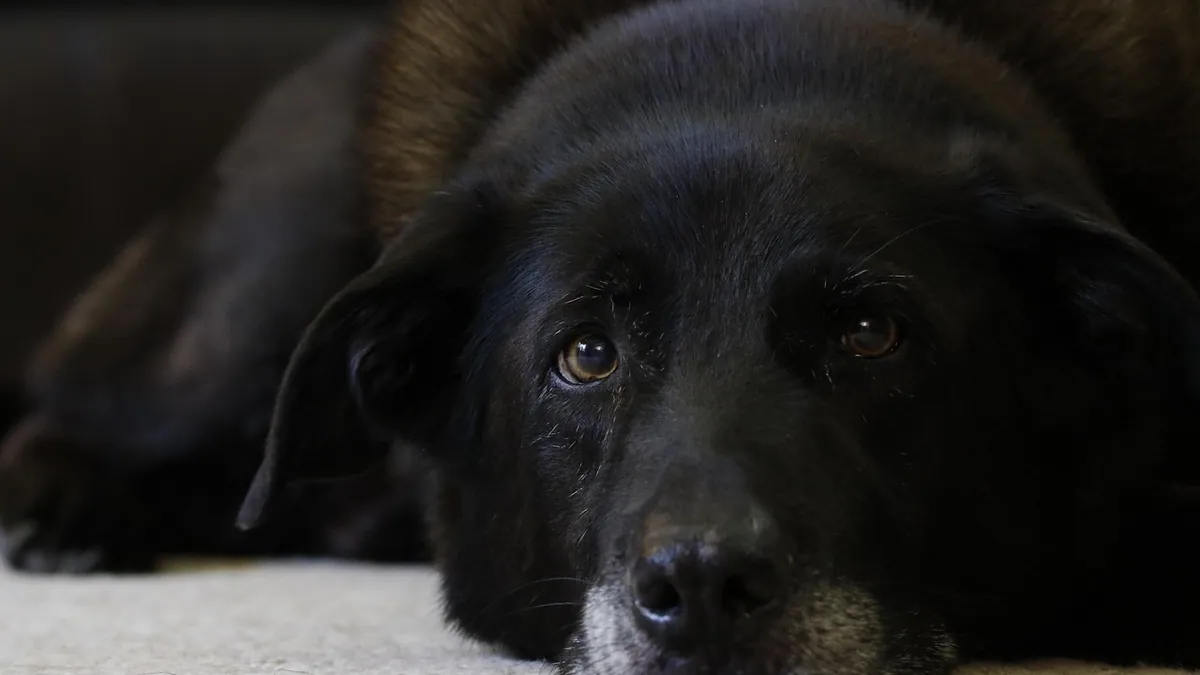
Coping with the impending loss of a pet is one of the most difficult experiences a pet parent will face [1]. As your dog's health declines, you may elect to care for your pet at home with veterinary supervision, or you may decide to end his suffering with euthanasia [1]. This article is educational and is not a substitute for veterinary diagnosis or treatment.
Quick Answer
- Breathing changes are common near the end of life, and many are not painful, but labored breathing with abdominal effort, open-mouth gasping, or blue gums is an emergency [2].
- Normal resting breathing in dogs is quiet and easy, with the chest and belly moving gently and no effort visible from across the room [2].
- Signs of respiratory distress include rapid breathing, often with an open mouth, abdominal effort while breathing, and increased breathing sounds such as wheezing, snorting, or whistling [2].
- If you see any signs of respiratory distress, quickly and calmly take your dog to the nearest emergency animal hospital, and call ahead when possible so the staff can prepare [2].
- Keep the car cool with air conditioning on the way, because heat can cause excessive panting that may worsen breathing [2].
What Dog End of Life Breathing Looks Like
Normal breathing in a resting dog
A healthy dog at rest breathes quietly. The chest rises and falls, the belly moves a little, and you do not see the muscles working hard. You should not hear wheezing, snorting, or whistling at rest [2]. Breathing rate goes up with heat, pain, anxiety, and exercise, so always judge breathing when your dog is calm and cool.
Changes you may see near the end of life
As a dog's body slows down, breathing patterns can shift. You may notice longer pauses between breaths, shallow breaths, or a slow, irregular rhythm. Some dogs breathe faster and more shallowly. Others take deep, sighing breaths. These patterns can look alarming, but many are part of the natural dying process and are not painful in themselves.
What matters most is effort. If your dog is working hard to breathe, using the belly muscles with each breath, or holding the head and neck stretched out to pull air in, that is distress, not a peaceful change [2].
How to tell the difference
Watch your dog from a distance for a full minute. Count the breaths. Look at the belly. Listen for noise. Then ask three questions. Is the breathing quiet or noisy? Is the effort easy or hard? Is your dog calm or anxious and restless? Quiet, easy breathing in a calm dog is usually not an emergency. Noisy, effortful breathing in a restless dog needs a call.
Main Causes of Breathing Changes at the End of Life
Many conditions can change how a dog breathes near death. Some are treatable and some are not. The table below groups the common causes and the clues that point to each one.
| Cause | Typical clues | How urgent |
|---|---|---|
| Pain or anxiety | Fast, shallow breathing, panting, restlessness, pacing, whining | Same day call, treatable |
| Heart disease or fluid in the chest | Labored breathing, coughing, worse when lying flat, exercise intolerance | Emergency |
| Pneumonia or lung infection | Noisy breathing, fever, cough, wet sounds, bad breath | Emergency |
| Cancer in the lungs or chest | Slow onset, weight loss, coughing, reduced appetite | Same day to emergency |
| Chronic kidney disease | Breath changes with nausea, mouth ulcers, weight loss, drinking and urinating more | Same day, managed with palliative care [3] |
| Airway collapse or obstruction | Sudden honking cough, gagging, blue gums, collapse | Emergency |
| Neurologic disease | Irregular rhythm, weakness, trouble swallowing, changes in consciousness | Emergency |
| The natural dying process | Slow, shallow, irregular breathing, cool limbs, reduced responsiveness | Monitor with hospice support [1] |
Chronic kidney disease is one example where breathing changes are part of a larger picture. A decision-making tool for canine chronic kidney disease uses quality of life as a central parameter, alongside objective markers of disease progression, to guide care between active palliative care, close monitoring, and compassionate euthanasia [3]. That approach applies broadly. Breathing is one signal among many.
Red Flags That Make It an Emergency
Some breathing changes cannot wait. Go to an emergency hospital now if you see any of these.
- Open-mouth breathing at rest in a dog that is not hot or anxious [2]
- Obvious belly effort with every breath [2]
- Wheezing, snorting, or whistling sounds at rest [2]
- Blue, gray, or white gums, lips, or tongue
- Gasping, choking, or a sudden collapse
- Breathing that gets worse over minutes, not hours
- Restlessness that will not settle, with the head and neck stretched forward
- A breathing rate that keeps climbing and does not come down when your dog is calm and cool
If you notice any signs of respiratory distress, quickly and calmly take your dog to the nearest emergency animal hospital, and call ahead when possible so the staff can prepare for your arrival and meet your dog's needs [2]. Do not wait to see if it passes.
Safe Things You Can Do at Home While Waiting
You cannot fix labored breathing at home. You can keep your dog calm and make the trip safer.
Keep the car temperature cool with air conditioning, because heat can cause excessive panting that may worsen breathing [2]. If your dog is weak or unable to stand, lay them on their stomach with a pillow underneath the chin and the neck extended [2]. Speak softly to help keep them calm [2]. Keep the collar loose and do not press on the throat or chest.
At home, before things get worse, set up a quiet, cool room away from noise and other pets. Use a fan on low, not pointed at the face. Offer small sips of water instead of a full bowl. Do not force food or water. Do not give any human medication, and do not give leftover pet medication from a previous illness. Doses for pain or anxiety medication are calculated by your veterinarian from your dog's weight and health, so never guess.
If your dog is on hospice care, follow the plan your veterinarian gave you. Pet hospice, also called palliative care, aims to make a pet's final days or weeks more pleasant with the proper use of pain medications, dietary strategies, and human interaction [1]. It is a personal choice and philosophy based on the principle that death is part of life and can be dignified [1]. For more on this approach, see End of Life Care for Dogs: Hospice Pain Control and Quality of Life.
One caution. Pet parents should be careful not to prolong the suffering of pets who are in pain or experiencing poor quality of life [1]. Wanting more time is natural. Watching for suffering matters just as much.
What the Veterinarian Will Check and Test
Your veterinarian will start with the basics. They will watch your dog breathe from across the room, count the rate, and look at the effort and the color of the gums. They will listen to the heart and lungs with a stethoscope. They will check temperature, pulse, and hydration.
Next come tests. Chest X-rays show fluid, masses, and heart size. Blood work shows infection, organ function, and anemia. An ultrasound can look at the heart and the fluid around the lungs. In some cases, a veterinarian may use ultrasound to assess how well the diaphragm is working, since the diaphragm plays a central role in breathing and its dysfunction may contribute to respiratory distress [4].
Treatment depends on the cause. Oxygen support is common and often brings quick relief. Your veterinarian may use a quiet, low-stress approach to diagnostics in a dog who is struggling to breathe, because stress makes breathing worse. If your dog is in severe respiratory failure, advanced support such as extracorporeal membrane oxygenation has been used in dogs, though this is rare, highly specialized, and only for specific reversible causes [5]. It is not a routine option for end-of-life care.
If the cause cannot be cured, the conversation shifts to comfort. That may mean oxygen at home, pain medication, anti-nausea drugs, and a plan for the final days. It may also mean discussing euthanasia. In one survey of veterinarians, most said they almost always explain the euthanasia procedure to the owner and discuss potential side effects of the medication used [6]. You deserve that same clear explanation. For a full walkthrough, see Euthanasia What to Expect for Dogs: Process Aftercare and Grief Support.
Monitoring Your Dog's Breathing at Home
You can track breathing without special equipment. Pick a time when your dog is calm and cool. Count the chest movements for 15 seconds and multiply by four. Write the number down with the time and what your dog was doing. Do this two or three times a day, and more often if something changes.
Watch for trends, not single numbers. A rate that creeps up over a day or two matters more than one high reading after a walk. Also track appetite, water intake, mobility, and interest in family members. These are the same themes owners report when describing quality of life, including changes to activity level, appetite, and mobility [7].
Keep a written log for your veterinarian. It makes phone calls and visits far more useful. If your dog has a chronic condition such as kidney disease, ask your veterinarian how often to check in and what changes should trigger a call [3].
Limitations and When to Contact a Veterinarian
No article can tell you what is happening in your dog's chest. Individual cases need a veterinarian who can examine your dog, and breathing problems can change within hours.
Call your veterinarian the same day if you see new coughing, a mild increase in breathing rate at rest, reduced appetite, or restlessness that is new. These are not always emergencies, but they should not wait a week. For coughing specifically, see Dog Coughing: When to Call the Vet and Home Care Tips.
Go to an emergency hospital now if you see open-mouth breathing at rest, belly effort with each breath, breathing sounds at rest, blue or gray gums, gasping, collapse, or breathing that worsens over minutes [2]. Call ahead so the team can prepare [2].
Schedule a routine visit if your dog is stable but you want to review the hospice plan, adjust pain control, or talk through quality of life. Ask direct questions. Is my dog suffering? What can we still fix? What does the end look like? Your veterinarian has these conversations often and can guide you without judgment.
Frequently Asked Questions
Is fast breathing always a sign that my dog is dying?
No. Fast breathing has many causes, including pain, anxiety, heat, heart disease, and lung disease. It becomes more concerning when it comes with effort, noise, or a dog who cannot settle. Judge the whole picture, not the rate alone.
Can I give my dog oxygen at home?
Only if your veterinarian prescribes and sets it up for your dog. Home oxygen needs specific flow rates and equipment, and the wrong setup can be harmful. Ask your veterinarian whether home oxygen is appropriate and how to use it safely.
Should I euthanize if my dog is struggling to breathe?
That is a decision only you and your veterinarian can make together. If the cause cannot be treated and your dog cannot get comfortable, euthanasia is a humane option. If the cause is treatable, treatment may restore comfortable breathing.
How long can a dog live with labored breathing?
It depends entirely on the cause. Some dogs improve within hours of oxygen and medication, while others decline over days. Your veterinarian can give you a realistic timeline after examining your dog and reviewing test results.
What if my dog passes at home before I can get help?
Stay calm and keep your dog warm and quiet. Contact your veterinarian or an emergency clinic for guidance on next steps and aftercare options. They can also help you understand what happened and support you through the loss.
Related Articles
- Euthanasia What to Expect for Dogs: Process Aftercare and Grief Support
- End of Life Care for Dogs: Hospice Pain Control and Quality of Life
- Dog Coughing: When to Call the Vet and Home Care Tips
- Dog Vomiting: When to Call the Vet and What to Do at Home
- Respiratory Distress in Veterinary Patients: Localization, Oxygen Support, and Minimal-Stress Diagnostics
- Dog Drooling Suddenly: When to Call the Vet
- Signs Your Dog Is Nearing End of Life: What to Watch For
- Signs a Dog Is Dying: What to Expect and How to Help
- Dog Breathing Problems: Signs and When to Seek Emergency Care
References
- End of Life Care. ASPCA Animal Poison Control Center.
- Recognizing and responding to canine respiratory distress. Cornell University College of Veterinary Medicine.
- A Holistic Decision-Making Tool for Canine Chronic Kidney Disease: Navigating Palliative Care and Euthanasia. Animals : an open access journal from MDPI, 2026.
- M-Mode and Tissue Doppler Ultrasonographic Assessment of Diaphragmatic Function in Dogs With and Without Respiratory Distress. Animals : an open access journal from MDPI, 2025.
- Extracorporeal Membrane Oxygenation for Acute Respiratory Failure in a Dog. Animals : an open access journal from MDPI, 2025.
- Veterinary euthanasia of dogs and cats in Flanders: an online survey of current practices and perspectives. American journal of veterinary research, 2026.
- Owner-reported experiences are similar for dogs experiencing euthanasia or unassisted death: evaluation of the Dog Aging Project's End of Life Survey free-text responses. Journal of the American Veterinary Medical Association, 2026.