How to Care for a Dying Kitten: Comfort and Support
By Dr. Zubair Khalid, DVM, MS, PhD ·
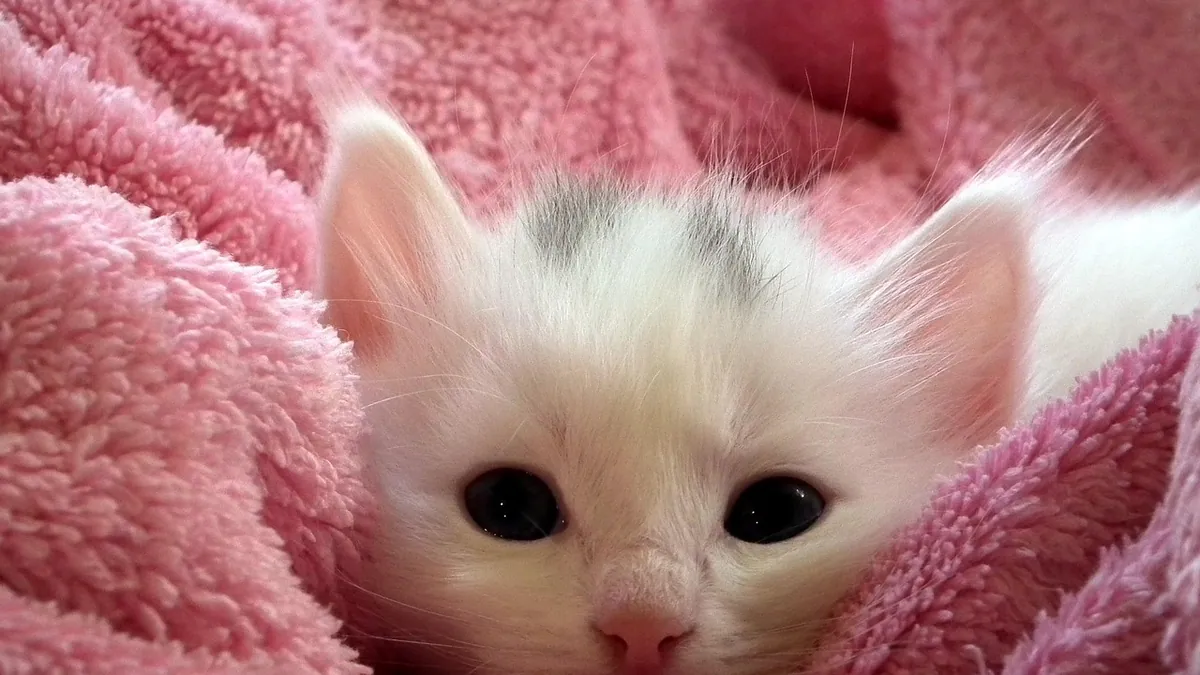
If you are wondering how to help a dying kitten at home, the most important things you can do are keep the kitten warm, clean, quiet, and close to you, and work with a veterinarian on a comfort plan. Some kittens can still recover with treatment, so the first step is always a veterinary assessment. This article is educational and is not a substitute for veterinary diagnosis or treatment.
Quick Answer
- Call a veterinarian today, not later. A kitten that is fading may have a treatable problem, and only an exam and testing can tell you which kittens still have a real chance.
- Keep the kitten warm, because young kittens lose body heat fast and cannot regulate temperature well on their own.
- Offer small amounts of food and water, but never force food, water, or medication into the mouth of a weak kitten.
- Keep the space quiet and dim, with soft bedding and low handling, and stay nearby so the kitten is not alone.
- Ask your veterinarian directly about pain control and about euthanasia if the kitten is suffering and recovery is not realistic.
What "Dying" Actually Means for a Kitten
Kittens fail for many reasons. Some have infections, parasites, birth defects, or injuries. Some simply were not getting enough milk or warmth. A kitten that looks close to death may be in shock, dehydrated, hypothermic, or hypoglycemic, and those problems can sometimes be reversed quickly with veterinary care.
That is why the word "dying" needs a veterinarian's eyes. In one reported case, a young shelter kitten with weight loss, low activity, and later neurologic signs was strongly suspected to have a fatal condition, and euthanasia was chosen. Testing after death showed a different infection in the brain that had been missed [1]. That case shows how hard it can be to know what is wrong just by looking.
If your kitten is still able to hold its head up, swallow, and respond to you, there may be time to act. If your kitten is limp, cold, gasping, or having seizures, that is an emergency.
How to Help a Dying Kitten at Home: Step by Step
Step 1: Call Your Veterinarian First
Before you change anything at home, call a veterinary clinic or an emergency hospital. Describe the kitten's age, weight if you know it, symptoms, and how long this has been going on. Ask what can be done today and what the likely outcome is.
Hospice and palliative care for cats is a real, structured field of veterinary medicine. The 2023 guidelines from the American Association of Feline Practitioners and the International Association for Animal Hospice and Palliative Care describe a multi-step consultation that tailors care to the individual cat and family, including what is reasonable, practical, and ethical for that specific situation [2]. You do not have to figure this out alone.
Step 2: Keep the Kitten Warm
Warmth is one of the most basic comfort measures. Use a heating pad on the lowest setting under half of the bedding so the kitten can move away if it gets too warm. You can also use warm towels fresh from the dryer, or your own body heat by holding the kitten against your chest.
Never put a heating pad directly against bare skin, and never leave a heating pad on high. A kitten that cannot move away can be burned.
Step 3: Support Breathing and Positioning
Keep the kitten's head slightly elevated and the airway clear. Wipe away discharge from the nose with a warm damp cloth so breathing is easier. Do not hold the kitten upside down or shake it.
If the kitten is struggling to breathe, open-mouth breathing, or breathing with the belly, that is an emergency. Go to a veterinary hospital now.
Step 4: Offer Fluids and Food Gently
A weak kitten may not be able to eat. Offer a small amount of warm, soft food or formula on a spoon or your finger. If the kitten turns away, stop. Do not syringe liquid into the mouth of a kitten that cannot swallow, because it can go into the lungs.
Your veterinarian may recommend fluids under the skin or in the vein, and will calculate any medication dose from your kitten's weight and health. Never give human medications, including pain relievers, to a kitten. Many are toxic to cats.
Step 5: Keep the Kitten Clean and Dry
Wipe the face, bottom, and any soiled fur with warm damp cloths, then dry gently. Soiled bedding should be changed right away. Cleanliness protects the skin and helps the kitten stay warm.
Step 6: Reduce Stress
Keep the room quiet, dim, and away from other pets and loud activity. Handle the kitten slowly and with support under the chest and hindquarters. Short, calm contact is usually better than constant repositioning.
Step 7: Track What You See
Write down the time of each feeding attempt, each urination and bowel movement, and any change in breathing, movement, or alertness. This record helps your veterinarian judge whether the kitten is improving or declining.
Daily Comfort Schedule and Checklist
| Time | What to do | What to watch for |
|---|---|---|
| Every 1 to 2 hours | Check warmth, breathing, and position | Cold body, gasping, open-mouth breathing |
| Every 2 to 4 hours | Offer a small amount of warm food or formula | Refusing to swallow, choking, vomiting |
| Every 2 to 4 hours | Check for urine and stool, clean as needed | No urine for many hours, straining, blood |
| Twice daily | Wipe face, eyes, and nose | Yellow or green discharge, swelling |
| Every 2 to 4 hours | Note alertness and response to touch | Limp body, no response, seizures |
| Daily | Call your veterinarian with an update | Any new or worsening sign |
This schedule is a general guide. Your veterinarian will set the actual feeding amounts, fluid plan, and medication timing for your kitten.
Signs That Something Is Wrong
Some signs mean the kitten still has a chance and needs care now. Others mean the kitten is likely near the end of life.
Signs that need urgent veterinary care:
- Not eating or not gaining weight
- Weight loss and decreased activity, especially in a kitten that was already small [1]
- Vomiting, diarrhea, or a swollen belly
- Trouble breathing, coughing, or noisy breathing
- Pale, white, or blue gums
- A body that feels cold to the touch
- Crying that does not stop, or the opposite, going very quiet
Signs that often mean the kitten is actively dying:
- Complete limpness with no response to gentle touch
- Slow, irregular, or gasping breaths
- A drop in body temperature that you cannot correct with warming
- Seizures that do not stop
- A strong, unpleasant odor or discharge from the body
If you see any of these, call your veterinarian or an emergency clinic right away. Do not wait until morning.
Common Mistakes Owners Make
Forcing food or water. A kitten that cannot swallow can aspirate liquid into the lungs. Offer, do not force.
Using human medicine. Never give a kitten acetaminophen, ibuprofen, aspirin, or any human pain reliever. These can be fatal.
Overheating. A heating pad on high or a hot water bottle against bare skin can burn a kitten that cannot move away.
Waiting too long to call. Kittens decline fast. Hours matter.
Handling too much. Passing a weak kitten around to visitors adds stress and chills the body.
Ignoring your own limits. You cannot provide intensive nursing care around the clock forever. That is not a failure. It is a reality that hospice guidelines specifically address when they talk about what is reasonable and practical for each family [2].
Supplies and Setup That Matter
Set up one small, quiet area. You will need:
- A box or carrier with low sides
- Soft, washable bedding, with several changes on hand
- A heating pad with a low setting, used under half the bedding only
- Warm damp cloths and dry towels
- A small spoon or syringe for offering food, used only if the kitten can swallow
- A notebook or phone note for tracking times and symptoms
- Your veterinarian's phone number and the nearest emergency hospital's address
If you are caring for a kitten that is fading, you may also be caring for other cats in the home. Good preventive care for the whole household matters, especially with young cats. See Preventive Care For Kittens for vaccination, deworming, and checkup basics.
When a Kitten Still Has a Chance
Not every weak kitten is dying. Some are simply cold, hungry, or dehydrated, and they improve quickly with warmth, fluids, and food. Others have infections that respond to treatment.
A kitten has a better chance when it:
- Still responds to your voice or touch
- Can hold its head up
- Can swallow
- Has a normal or near-normal body temperature
- Is urinating and passing stool
- Is gaining weight, even slowly
A kitten has a poor chance when it:
- Cannot hold its head up
- Cannot swallow
- Has a body temperature that stays low despite warming
- Has repeated seizures
- Has severe trouble breathing
For newborn and very young kittens, early life support is a specialized skill. If your kitten is under a few weeks old and fading, read Neonatal Feline Care: Resuscitation and Early Life Support and call a veterinarian immediately.
When Euthanasia Is a Kindness
Euthanasia is a legitimate medical choice when a kitten is suffering and recovery is not realistic. It is not giving up. It is choosing to end pain that cannot be relieved.
Talk with your veterinarian about:
- What the kitten's likely outcome is
- Whether pain can be controlled
- What the next 24 to 72 hours will look like
- What you can and cannot manage at home
Veterinary hospice guidelines stress that each cat and each caregiver is different, and that what is reasonable, practical, and ethical for one family may not be for another [2]. Your veterinarian can help you decide without judgment.
If your kitten is older and you are managing long-term decline, these guides may help you plan: How To Care For Senior Cats and How To Care For Elderly Cats.
Limitations and When to Contact a Veterinarian
Home care has real limits. You cannot diagnose the cause of a kitten's decline at home, and you cannot reverse shock, dehydration, or low blood sugar without veterinary tools.
Call your veterinarian the same day if your kitten:
- Stops eating or stops gaining weight
- Becomes less active or less responsive
- Has vomiting, diarrhea, or a swollen belly
- Has any discharge from the eyes or nose
- Seems painful or cries when handled
Go to an emergency hospital now if your kitten:
- Is gasping, breathing with an open mouth, or breathing with the belly
- Has pale, white, or blue gums
- Is limp and unresponsive
- Is having seizures
- Has a body temperature that stays low despite warming
- Has been straining to give birth or has a kitten stuck in the birth canal
Schedule a routine visit if your kitten is stable but not improving, or if you need help making a comfort plan. Individual cases always need a veterinarian's assessment, and no article can replace that.
Frequently Asked Questions
How long can a dying kitten live without eating?
It depends on the kitten's age, weight, and underlying problem. A very young kitten can decline within hours without food, while an older kitten may last a day or two. Call your veterinarian instead of waiting to see.
Should I stay with my kitten while it passes?
Yes, if you can. Your presence and warmth can be comforting, and many owners find it helps them too. If you cannot stay, that is also okay, and you can ask your veterinarian about options.
Can a dying kitten recover on its own?
Sometimes a weak kitten improves with warmth, fluids, and food, but you cannot know which kittens will recover without an exam. A kitten that is limp, cold, or struggling to breathe needs veterinary care right away.
What do I do with my kitten's body afterward?
Your veterinarian can explain cremation, burial, and other options, and local rules may apply to home burial. Take your time with this decision, and ask for help if you need it.
How do I cope after losing my kitten?
Grief after losing a cat is real, and support is available. If your sleep, eating, work, or relationships are affected, or if you feel your grief is not being understood, professional counseling can help, and a pet loss support hotline is another option [3]. You deserve the support you need.
Related Articles
- How To Care For Elderly Cats
- How To Care For Senior Cats
- Preventive Care For Kittens
- Cat Lethargy: When to Worry and What to Do
- Neonatal Feline Care: Resuscitation and Early Life Support
- How to Clean a Cat Wound at Home: Safe Steps and When to See a Vet
- Signs Your Cat Is Dying: What to Expect
- Why Do Kittens Die? Newborn and Young Kitten Loss
- Cat Hospice and Palliative Care at Home
References
- Toxoplasmal meningoencephalitis in a 14 week-old shelter cat with presumed feline infectious peritonitis. Veterinary parasitology, regional studies and reports, 2025.
- 2023 AAFP/IAAHPC feline hospice and palliative care guidelines. Journal of feline medicine and surgery, 2023.
- Grieving the Loss of Your Cat. Cornell University College of Veterinary Medicine.