Bone Cancer in Dogs: Life Expectancy With and Without Treatment
By Dr. Zubair Khalid, DVM, MS, PhD ·
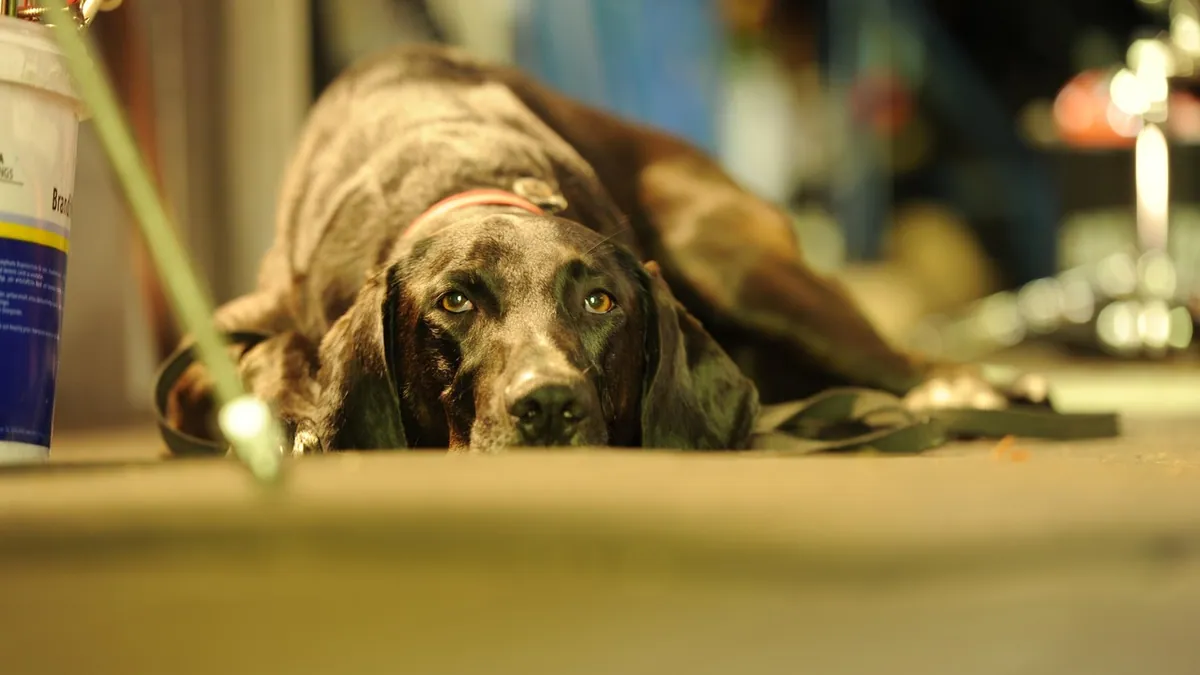
Bone cancer in dogs is most often osteosarcoma, an aggressive tumor that spreads to the lungs early. Without treatment, bone cancer in dogs life expectancy without treatment is usually measured in weeks to a few months, mainly because of pain and fracture risk. With amputation and chemotherapy, many dogs live about 10 to 12 months, and some live longer.
This article is educational and is not a substitute for veterinary diagnosis or treatment.
Quick Answer
- Osteosarcoma is the most common primary bone tumor in dogs and accounts for over 80% of bone tumors in the species [1].
- Without surgery or chemotherapy, most dogs die or are euthanized within about 1 to 3 months from diagnosis because of uncontrolled pain, pathologic fracture, or metastatic disease.
- Amputation alone relieves the primary tumor pain but does not treat lung metastasis, so median survival is roughly 4 to 6 months in large-breed dogs.
- Amputation plus chemotherapy (carboplatin, cisplatin, or doxorubicin) gives a median survival of about 10 to 12 months, with some dogs living 1 to 2 years or more [1][2].
- Small-breed dogs under 15 kg with appendicular osteosarcoma had a median overall survival of 150 days with amputation alone versus 353 days with amputation plus chemotherapy [3].
What Bone Cancer in Dogs Actually Is
Bone cancer means a tumor started inside the bone itself. The most common type is osteosarcoma, which forms from the cells that normally build and break down bone [4]. As the tumor grows, it destroys normal bone and replaces it with weak, cancerous bone, so the affected leg can break with normal activity [4].
Osteosarcoma is not the only bone tumor. Chondrosarcoma, fibrosarcoma, and hemangiosarcoma also occur, but they are less common [1]. Some tumors in bone are actually spread from somewhere else in the body, and some cancers from nearby soft tissue invade the bone [1]. Your veterinarian will want to know which type your dog has because the outlook and treatment differ.
About 75% of osteosarcoma cases occur in the appendicular skeleton, meaning the limbs [5]. The front legs are affected more often than the back legs. The tumor usually appears near the shoulder, wrist, knee, or ankle, not in the middle of the bone.
Signs Owners Notice First
The earliest sign is often lameness that does not improve with rest or pain medication. Owners may notice their dog is stiff after sleeping, reluctant to climb stairs, or suddenly crying out when the leg is touched. Swelling over the bone may appear, and it can feel firm or warm [1].
A pathologic fracture is a break through bone weakened by tumor. This can happen with a minor misstep or even during normal play [1]. A sudden, nonstop limp with a swollen leg is a reason to seek emergency care the same day.
Some dogs show vague signs first, like decreased appetite, weight loss, or just not wanting to go for walks. If your dog stops eating well during cancer treatment, see How Long Can A Dog Go Without Eating With Cancer. Licking at a painful limb can also be a clue, though it has many causes, as discussed in Dog Licking Paws Cancer.
Causes and Risk Factors
The exact cause of osteosarcoma is unknown, but genetics play a role because certain breeds are diagnosed far more often [4]. Large and giant breeds such as Rottweilers, Great Danes, St. Bernards, and Golden Retrievers are overrepresented [4]. Most dogs are diagnosed around 7 years of age, though a small number develop it as adolescents [4].
Body size and rapid growth seem to matter. Tall dogs with long legs carry more weight on their bones and may have more bone remodeling over a lifetime. Neutering age has been studied as a possible factor in some breeds, and you can read more about that balance in When to Neuter a Dog: Testosterone Cancer Risk Balance Guide.
Breed-specific risk is real. If you share your life with a giant breed, a breed health guide such as Bernese Mountain Dog Health Guide: Genetic Risks, Joint Care & Lifespan can help you understand what to watch for. Knowing your dog's breed risks does not prevent cancer, but it can shorten the time to diagnosis.
How Veterinarians Diagnose It
Diagnosis starts with a physical exam and X-rays of the painful limb. Radiographs typically show bone destruction (osteolysis), new bone production, and soft tissue swelling [1]. Your veterinarian will also take chest X-rays to look for metastatic masses in the lungs, because osteosarcoma spreads there early [1][4].
A bone biopsy is needed to confirm the diagnosis. This is usually done with a Michele bone trephine or a Jamshidi biopsy needle [1]. The sample tells your veterinarian whether the tumor is osteosarcoma or another type of bone cancer, which changes the treatment plan.
Blood work and staging tests check organ function before anesthesia and chemotherapy. If the biopsy is inconclusive, your veterinarian may recommend repeating it or using advanced imaging. A confirmed diagnosis matters because treatment decisions, including amputation, depend on the tumor type.
Treatment Options and Survival Numbers
Treatment for malignant bone tumors includes surgery such as limb amputation, chemotherapy with carboplatin, cisplatin, or doxorubicin, and sometimes radiation therapy [1]. Palliative care for pain can include oral NSAIDs, opioids, or radiation therapy [1].
Surgery
Amputation is the standard surgical option for appendicular osteosarcoma and removes the primary tumor and the source of bone pain [6]. Most dogs adapt well to three legs, especially if they were already lame on the affected leg. Limb-sparing techniques exist for selected cases, including partial or total scapulectomy, bone segment excision with reconstruction using cortical allografts or metal endoprosthesis, and other specialized procedures [6]. These are usually offered at referral centers and are not right for every dog.
Chemotherapy
Chemotherapy after amputation targets cancer cells that have already spread to the lungs but are too small to see on X-rays. In a 2025 study of 43 small-breed dogs under 15 kg with appendicular osteosarcoma, median overall survival was 150 days with amputation alone and 353 days with amputation plus adjuvant chemotherapy [3]. The median time to distant progression was 265 days for all dogs, with no significant difference between groups [3].
In large-breed dogs, standard-of-care amputation plus carboplatin chemotherapy is well established [5]. Mortality from metastatic disease is common and often occurs within 1 year of diagnosis despite standard treatment [2].
Radiation and Palliative Care
Radiation therapy can relieve pain when surgery is not an option. A 2026 study of 184 dogs with confirmed or suspected appendicular osteosarcoma treated with palliative radiation found a median survival time of 231 days with standard-dose-rate radiation and 248.5 days with low-dose-rate radiation [7]. The overall pathologic fracture rate was 21.7%, and no dog weighing under 20 kg in that group developed a fracture [7].
Stereotactic body radiation therapy (SBRT) is another limb-sparing option, but it carries a high rate of pathologic fracture, reported at 41% to 80% of cases [5]. A newer approach using the IlluminOss photodynamic bone stabilization system placed after SBRT was well tolerated in a small study of six dogs [5]. This is not yet standard care.
Comparing Options
| Treatment Plan | What It Does | Typical Median Survival |
|---|---|---|
| Pain management only | Controls pain, does not treat tumor | About 1 to 3 months |
| Amputation alone | Removes primary tumor, relieves bone pain | About 4 to 6 months (150 days in small breeds) [3] |
| Amputation plus chemotherapy | Treats primary tumor and microscopic spread | About 10 to 12 months, 353 days in small breeds [3] |
| Palliative radiation | Relieves pain, may delay fracture | About 7.5 to 8 months (231 to 248.5 days) [7] |
These are medians, meaning half of dogs live longer and half live shorter. Some dogs with osteosarcoma live 1 to 2 years or more after amputation and chemotherapy. Others decline quickly because of aggressive metastasis.
Bone Cancer in Dogs Life Expectancy Without Treatment
Without treatment, the tumor continues to destroy bone and spread. Pain becomes harder to control, and the risk of pathologic fracture rises. Most dogs with untreated appendicular osteosarcoma are euthanized within about 1 to 3 months of diagnosis because of pain, inability to walk, or respiratory difficulty from lung metastasis.
Palliative care can extend comfortable time. NSAIDs, opioids, and radiation therapy can reduce pain and discomfort [1]. Even with good pain control, the disease itself is not slowed, so the window is usually measured in weeks to a few months.
If you are weighing euthanasia timing, focus on quality of life. Signs that a dog is struggling include not eating, not sleeping, crying at night, refusing to move, or breathing with effort. Your veterinarian can help you score these signs and make a plan.
Recovery, Outlook, and Long-Term Management
After amputation, most dogs are walking within days and return to normal activity within a few weeks. Physical therapy and weight management help. Keep your dog lean, because extra weight stresses the remaining limbs.
Chemotherapy in dogs is usually well tolerated compared with human chemotherapy. Side effects can include stomach upset, decreased appetite, and low white blood cell counts. Your veterinarian will check blood work before each dose and adjust the plan as needed. The dose is calculated from your dog's weight and health, not a fixed number.
Follow-up visits usually include chest X-rays every few months to check for metastasis. If lung nodules appear, your veterinarian may discuss additional chemotherapy or palliative care. Some dogs with a single lung metastasis may be candidates for surgery, but this is uncommon.
Long-term management also means watching the other limbs. Dogs with osteosarcoma have a small risk of developing a second primary bone tumor later. Report any new lameness right away.
Prevention
There is no proven way to prevent osteosarcoma. Because genetics and breed size play a role, you cannot eliminate the risk [4]. What you can do is act quickly when something changes.
Keep your dog at a healthy weight. Feed a complete diet for your dog's life stage. Schedule routine exams, especially as your dog enters the senior years. If your dog has a breed predisposition, ask your veterinarian what signs to watch for.
Early diagnosis does not change the biology of osteosarcoma, but it gives you more time to plan. A dog diagnosed before a fracture has more treatment options than one diagnosed after the leg breaks.
Limitations and When to Contact a Veterinarian
This article gives general ranges. Your dog's individual case needs a veterinarian who can examine your dog, review X-rays, and discuss your goals.
Contact your veterinarian the same day if your dog develops a new limp that does not improve with rest, swelling over a bone, or pain when the leg is touched. Go to an emergency clinic now if your dog suddenly cannot bear weight, has a visibly deformed limb, is crying in pain, or is breathing with effort. These signs can mean a pathologic fracture or lung metastasis.
Schedule a routine visit if your dog is slowing down, losing weight, or showing subtle lameness that comes and goes. Do not wait weeks to see if it resolves. Bone pain from cancer does not get better on its own.
Frequently Asked Questions
How long can a dog live with bone cancer without amputation?
Most dogs with untreated appendicular osteosarcoma live about 1 to 3 months from diagnosis. The main limits are pain control and the risk of the bone breaking. Palliative radiation and pain medication can extend comfortable time but do not stop the cancer.
Is amputation cruel for a dog with bone cancer?
No, amputation is considered humane and is the standard surgical treatment for appendicular osteosarcoma [6]. The affected leg is already painful, so removing it often improves quality of life. Most dogs adapt to three legs within days to weeks.
Does chemotherapy make dogs sick like it does in people?
Dogs usually tolerate chemotherapy better than people do. Side effects can include stomach upset, poor appetite, and low blood cell counts, but serious complications are less common. Your veterinarian monitors blood work and adjusts treatment as needed.
Can bone cancer in dogs be cured?
Osteosarcoma is generally not considered curable because it spreads early [4]. Treatment aims to delay progression and relieve pain. Some dogs live a year or more after amputation and chemotherapy, but the disease usually returns.
What is the difference between osteosarcoma and lymphoma in dogs?
Osteosarcoma starts in bone and spreads to the lungs, while lymphoma is a cancer of immune cells that usually affects lymph nodes, spleen, or other organs. Lymphoma in dogs life expectancy without treatment varies widely by type, from weeks to several months, and it responds differently to chemotherapy. Your veterinarian will confirm which cancer your dog has with a biopsy.
Related Articles
- How Long Can A Dog Go Without Eating With Cancer
- osteosarcoma in dogs
- Dog Licking Paws Cancer
- Bernese Mountain Dog Health Guide: Genetic Risks, Joint Care & Lifespan
- When to Neuter a Dog: Testosterone Cancer Risk Balance Guide
- Bone Cancer in Dogs' Legs: Symptoms, Diagnosis, and Options
- Mouth Cancer in Dogs: Causes, Stages, and Life Expectancy
- Mouth Cancer in Dogs: Survival Rates by Type and Stage
References
- Bone Tumors in Dogs and Cats - Musculoskeletal System. Merck Veterinary Manual.
- Differential expression of miRNAs in primary canine appendicular osteosarcoma tissue and pulmonary metastases. Veterinary pathology, 2026.
- Adjuvant Chemotherapy Is Associated With Prolonged Survival Time in Small-Breed Dogs Undergoing Amputation for Appendicular Osteosarcoma. Veterinary and comparative oncology, 2025.
- Osteosarcoma in dogs. Cornell University College of Veterinary Medicine.
- Use of the IlluminOss Photodynamic Bone Stabilisation System Following Stereotactic Body Radiation Therapy for Limb-Sparing in Six Dogs With Presumptive Appendicular Osteosarcoma. Veterinary and comparative oncology, 2026.
- Surgical approaches to canine appendicular osteosarcoma part 2 - limb-sparing techniques. Frontiers in veterinary science, 2025.
- Risk Factors for Pathologic Fracture in Dogs With Confirmed or Suspected Appendicular Osteosarcoma Treated With Low- or Standard-Dose-Rate Palliative External Beam Radiation Therapy. Veterinary radiology & ultrasound : the official journal of the American College of Veterinary Radiology and the International Veterinary Radiology Association, 2026.