Senior Bearded Dragon Care: Aging Signs, Diet, and Comfort
By Dr. Zubair Khalid, DVM, MS, PhD ·
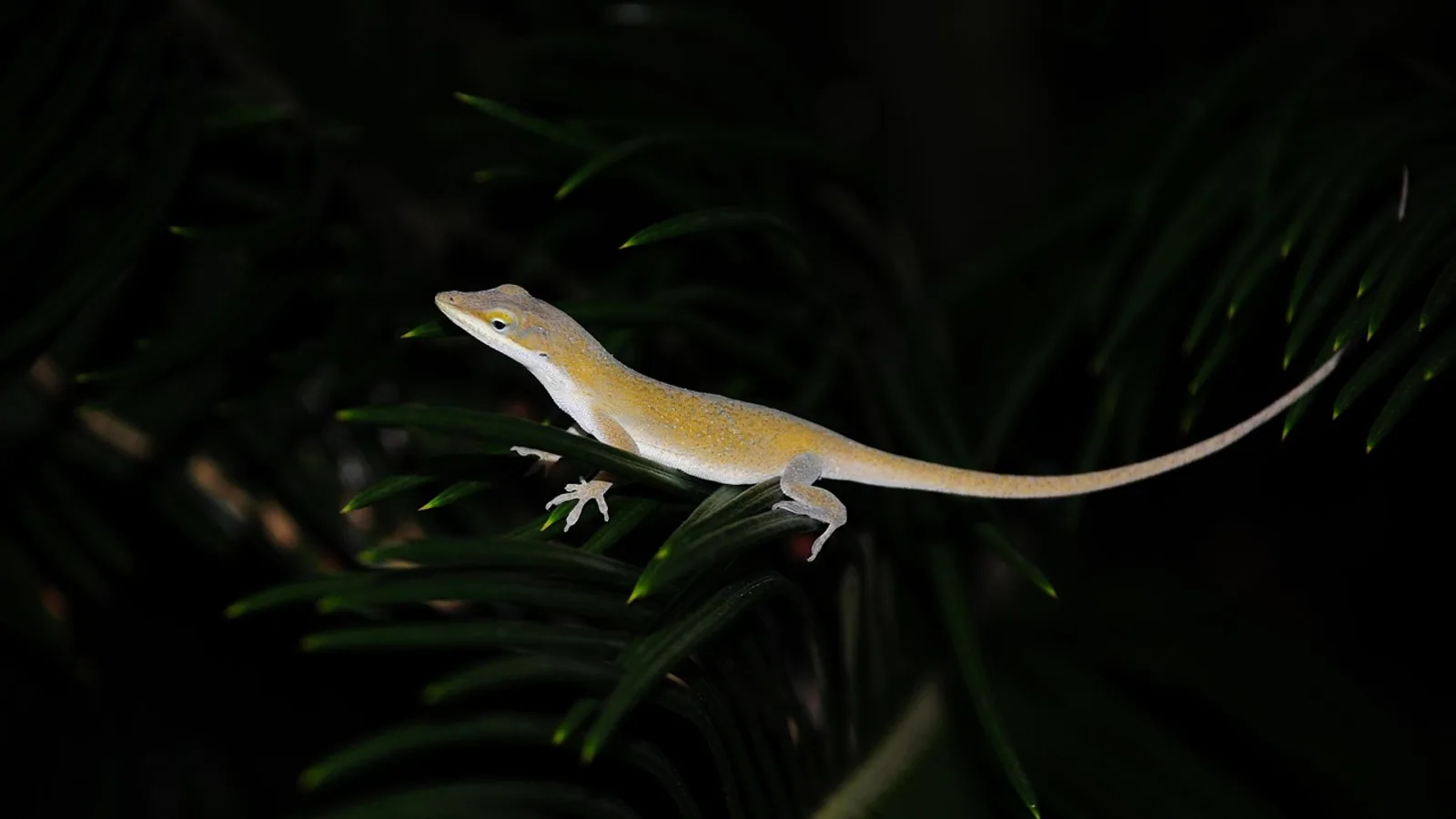
Most bearded dragons are considered senior somewhere in the last third of their lives. A typical captive lifespan falls in the 8 to 12 year range, so the senior years usually begin around age 7. Some well-kept animals reach the low teens, and a few go beyond that.
Senior bearded dragon care builds on the same husbandry you would use for a healthy adult. What changes is the margin for error. An older dragon has less reserve in the kidneys, the liver, the joints, and the gut, and small husbandry mistakes that a two year old shrugs off can show up as real illness in a ten year old.
The three areas that matter most are heat and light, hydration, and diet composition. Get those right and you have handled most of what makes an older dragon uncomfortable. The rest is observation, record keeping, and knowing which changes are normal wear and which are early disease.
This article is educational and is not a substitute for veterinary diagnosis or treatment.
At a Glance: Senior Bearded Dragon Care Checklist
| Area | Action you can take today |
|---|---|
| Age baseline | Confirm the hatch date or settle on a good estimate. Most dragons are senior from about year 7. |
| Weight | Weigh weekly on a digital gram scale and write it down. Trending weight beats any single reading. |
| Diet | Keep staple greens available daily, measure the insect portion, and stay on a calcium schedule. |
| Hydration | Offer clean water daily, rinse the greens, and watch for tacky skin and sunken eyes. |
| Heat | Check the basking surface and the cool end with a digital probe thermometer, not a stick-on gauge. |
| UVB | Replace the tube or bulb on the manufacturer's replacement interval even if it still glows. |
| Enclosure | Add a low ramp, a ground-level hide, and a soft resting spot. Remove steep climbs. |
| Handling | Shorter sessions with full body support. No free-roaming on slippery floors. |
| Hygiene | Wash hands after every contact, keep the enclosure dry, and clean the water bowl daily. |
| Veterinary | Book a wellness exam with a reptile-experienced veterinarian and ask about baseline bloodwork. |
How Old Is a Senior Bearded Dragon?
Bearded dragon lifespan is the starting point for every other decision in senior care. Veterinary husbandry references such as the Merck Veterinary Manual and the evidence-based guides published by ReptiFiles place typical captive longevity in the high single digits to low teens, with females often laying themselves out earlier through repeated reproductive cycles. Growth rate, genetics, morph, and the quality of the first five years of husbandry all shift the curve.
A working age framework
| Life stage | Approximate age | What typically changes |
|---|---|---|
| Juvenile | 0 to 12 months | Rapid growth, high insect intake, frequent sheds |
| Subadult | 12 to 24 months | Growth slows, adult body proportions appear |
| Adult | 2 to 6 years | Stable maintenance, stable weight, predictable shed cycle |
| Senior | 7 years and up | Slower metabolism, joint wear, lower activity, less tolerance for error |
Treat this as a working framework rather than a rule. A lean, well-hydrated, parasite-free nine year old can be in better shape than a chubby, dehydrated five year old. Age in reptiles is a rough proxy for reserve, and body condition is often the more honest measure. A dragon that has always been overweight will hit senior-style problems years early.
Where lifespan actually goes wrong
In practice, most captive bearded dragons do not die of old age. They die of the cumulative effects of a few husbandry problems: chronic low-level dehydration, poor UVB provision, obesity and hepatic lipidosis, and untreated intestinal parasites. Fix those and you extend the healthy middle years, not just the end.
Ask your veterinarian for a realistic age estimate if the hatch date is unknown. A good reptile clinician uses body condition, scale wear, dental wear, joint changes, and sometimes radiographs to bracket the age. That number then sets your expectations for screening.
Signs of Aging in Bearded Dragons
Aging in reptiles is gradual and quiet. There is no dramatic overnight transition. Recognizing signs of aging in bearded dragons is mostly about noticing slow trends over months. The difficult part is that almost every sign of normal aging overlaps with a sign of disease. Sudden change is almost always disease. Slow drift is more often age.
Activity and behavior
Older dragons sleep more and bask longer. They tend to choose one comfortable spot and stay there. Some of this is expected. Research on captive bearded dragons in naturalistic and standard enclosures found that the animals spent the majority of the day inactive in one area of the enclosure regardless of enclosure style [1]. So a certain amount of stillness is normal bearded dragon behavior and is not by itself a sign of decline.
What matters is the pattern. A senior that still perks up, still orients to food, still moves to the warm end in the morning, and still produces normal droppings is doing fine even if it is slower than it was at four. A senior that stops moving to the heat, ignores food entirely, or sits with its head down for days needs a veterinary visit.
Mobility and joints
Stiffness is one of the most common and most underappreciated signs of aging in bearded dragons. You may see a hitch in the gait, a limb that lags, reluctance to climb, or a dragon that drags itself along the floor instead of walking with the belly lifted. Osteoarthritis and spinal changes are common in older reptiles.
Practical adjustments matter here. Remove steep climbs. Add a gentle ramp with grip. Move the basking spot closer to floor level so an arthritic animal does not have to climb to thermoregulate. An older dragon that cannot reach its heat will slowly decline.
Any weakness that comes on over days rather than months, or that affects only one limb, is a veterinary problem, not an age problem. Metabolic bone disease, spinal injury, infection, and neoplasia all look like this.
Skin, scales, and shedding
Older dragons often shed less often and in smaller, patchier pieces. Scale color may dull slightly. The skin may look a little thinner over the hips and spine as muscle mass declines.
Incomplete sheds become more common with age, particularly around the toes, the tail tip, and the vent. Retained sheds in those areas can constrict blood flow. Soaking in shallow, lukewarm water for 10 to 15 minutes and gentle assistance with a soft cloth is reasonable for stuck shed. Never peel dry scales off a dragon.
Watch for dark, firm, or foul-smelling patches, which suggest infection or pressure damage rather than age. Older, less mobile dragons are prone to pressure sores on the belly and the underside of the tail if they rest on hard, damp substrate.
Eyes and vision
Cataract formation and age-related lens changes are common in older bearded dragons. The eye may look cloudy or bluish, and the animal may seem to miss food or misjudge distances. Some older dragons develop a slight sunken appearance to the eye as fat pads around the eye shrink.
Sunken eyes are also a classic sign of dehydration, so pair the observation with a hydration check. Gently pinch the skin on the side of the body and see how quickly it springs back. If it stays tented, your dragon is likely dehydrated and needs a veterinary assessment.
Appetite and digestion
Appetite declines in many senior dragons. That is partly normal, because metabolic rate falls and an older animal needs fewer calories. It is partly behavioral, because some dragons simply get picky. The distinction that matters is between eating less and losing weight. A dragon eating half as much but holding weight is fine. A dragon eating its normal amount but losing weight is not.
Digestion slows too. Gut transit time increases and constipation becomes more frequent. Droppings may become less regular. Impaction risk climbs in a dragon that is dehydrated, on loose substrate, or carrying a heavy parasite load.
Body condition and muscle
Muscle wasting along the spine, the tail base, and the thighs is one of the clearest visible signs of aging. You will see the spine ridge more prominently and the tail base narrow. This is sarcopenia, and it happens in reptiles much as it does in mammals.
Distinguish muscle loss from fat loss. Fat pads sit on top of the head behind the eyes, at the base of the tail, and around the belly. A dragon with good fat pads and a visible spine is losing muscle, which often points to reduced activity or underlying disease. A dragon with flat fat pads and a visible spine is losing both, which is a more urgent problem.
Body condition scoring is worth learning. Ask your veterinarian to show you what a 3 out of 5 looks like on your specific animal and then track it monthly.
Hydration
Older dragons dehydrate faster for several reasons. Kidney function declines. Skin elasticity decreases. Many seniors drink less willingly. And some morphs lose water at a very different rate than a wild-type animal.
That last point has real numbers behind it. In a study of three captive-bred bearded dragon phenotypes, silkbacks lost water evaporatively at roughly twice the rate of wild-types, and leatherbacks fell closer to silkbacks than to wild-types. Thermal preference differed by at most about 1 degree Celsius between phenotypes and was not statistically significant [2].
The practical takeaway is straightforward. A senior leatherback or silkback needs more attention to hydration than a senior wild-type. It cannot simply thermoregulate its way out of water loss, because bearded dragons do not appear to adjust their preferred temperature in response to a higher rate of evaporative loss [2].
Oral and dental health
Periodontal disease and stomatitis are common in older bearded dragons, particularly those fed soft, sugary fruit or kept on dirty substrate. Look for swelling along the jawline, redness at the gumline, drooling, food sticking in the mouth, or a dark discharge. Any of these needs veterinary care. Jaw swelling in an older dragon should also prompt a look for bone infection or neoplasia.
Reproduction and hormones
Female bearded dragons can continue producing follicles into their senior years, and reproductive effort is physically expensive. Repeated clutch production drains calcium and protein reserves and shortens the reproductive lifespan. A senior female that stops eating, becomes restless, digs constantly, or develops a swollen abdomen needs a veterinary evaluation for follicular stasis or egg binding.
Males may show reduced hemipene eversion and lower libido. That is expected. Persistent prolapse of a hemipene is not, and it is an emergency.
Kidneys, liver, and heart
You cannot see these organs, but you can see their failure. Gradual weight loss with a normal appetite, increased drinking, increased urination, or swelling under the jaw and around the limbs all point toward renal or cardiac disease. Liver disease shows up as lethargy, poor appetite, and sometimes yellowing of the skin or the inside of the mouth.
These are diagnosed with bloodwork, radiographs, and sometimes ultrasound. A baseline panel at around age 6 or 7 gives your veterinarian something to compare against later. That single step does more for senior care than almost anything else you can do at home.
The Senior Bearded Dragon Diet
A senior bearded dragon diet is a maintenance diet, not a growth diet. The goal is stable weight, good muscle tone, normal droppings, and adequate calcium intake. It is not maximal protein and it is not maximal calories.
Bearded dragons are omnivores with a strong plant component in adulthood. Evidence-based husbandry guidance from ReptiFiles and the client education materials published by ARAV both emphasize a plant-forward adult diet with measured insect supplementation. That structure stays the same in old age. The proportions shift.
Protein and insects
Insects remain part of the diet, but the portion shrinks. An older, less active dragon does not need the same volume of feeder insects it did at two years old. Excess protein and fat in a sedentary animal contribute to obesity and hepatic lipidosis, which is one of the most common causes of premature death in captive bearded dragons.
Aim for a moderate insect offering a few times per week rather than daily. Choose lean, well-gut-loaded feeders. Avoid high-fat larvae as a staple. Feeders should be appropriately sized, no wider than the space between the dragon's eyes, and offered live and moving.
Some seniors lose interest in insects entirely. That is acceptable if the animal is maintaining weight and eating its greens well. Do not force the issue. Persistent refusal of all food, including greens, for more than a week or two is a veterinary concern.
Vegetables and greens
Dark leafy greens should form the base of the adult diet. Collard greens, mustard greens, dandelion greens, turnip greens, and endive are standard choices. Avoid spinach and rhubarb in quantity because of oxalate content, and avoid lettuce as a staple because it is mostly water.
Add small amounts of color and variety. Squash, bell pepper, and a little grated carrot are useful. Fruit should be occasional, not routine, because of sugar content.
Senior dragons often prefer soft food. Slightly wilted greens, finely chopped pieces, or a light misting of the salad can improve intake. A dragon with dental disease may need softer offerings until the mouth is treated.
Calcium and supplements
Calcium supplementation is not optional for adults. A light dusting of a calcium carbonate or calcium citrate powder on the insect portion most feedings, plus a periodic multivitamin according to your veterinarian's schedule, is the standard approach. If your dragon has confirmed kidney disease, your veterinarian may change the type or amount of supplement. Do not guess at this.
Ask specifically about vitamin D3 and whether your UVB setup makes dietary D3 necessary or redundant. That decision depends on your bulb type, distance, and the animal's exposure pattern, and it is one of the few places where a blanket recommendation can do harm.
Hydration
Water is the most neglected part of senior bearded dragon care. Offer a clean, shallow water bowl at all times. Refresh it daily. Rinse the greens before serving so the dragon takes in water with its food. Some dragons will drink from a gentle mist or from a dropper, and that is worth trying if you rarely see yours drink.
Because silkbacks and leatherbacks lose water faster than wild-types [2], those animals deserve extra attention and a lower threshold for a veterinary visit when the skin starts looking tacky. If your dragon has any of those morph traits, treat hydration as a daily task rather than a weekly one.
Signs of dehydration include sunken eyes, tacky skin, tented skin on the body pinch test, and concentrated urate in the droppings. Urates should be white and soft. Yellow, green, or hard, chalky urates are worth a call to the clinic.
Feeding schedule and portion control
Feed adults once daily or every other day depending on body condition. Seniors that are gaining weight should be fed less often. Seniors that are losing weight need a veterinary workup before you change the diet, because more food is rarely the answer to unexplained weight loss in an old reptile.
Remove uneaten greens after a few hours to prevent spoilage. Remove uneaten live insects within 15 to 20 minutes so they do not bite the dragon or foul the enclosure. Keep a simple log of what was offered and what was eaten. Patterns show up in a written record that you would otherwise miss.
What not to change
Do not switch a senior dragon to a drastically different diet overnight. Reptile gut flora and feeding behavior respond poorly to abrupt change. Transition over two to three weeks.
Do not remove all insects from the diet of a healthy senior without veterinary input. Some animals do poorly on greens alone.
Do not add supplements you have not discussed with a veterinarian. Layered supplements cause more problems than they solve.
Comfort: Enclosure, Heat, Light, and Rest
Comfort for an older dragon comes down to easy access to heat, easy access to rest, and a stable environment that does not ask for athleticism.
Thermal gradient and basking
Bearded dragons are heliotherms. They need a warm basking area and a cooler zone to move into. In older animals, the ability to move between them becomes less reliable, so the gradient needs to be reachable, not theoretically present.
Research comparing naturalistic and standard enclosures found that naturalistic enclosures offered better thermal heterogeneity, meaning more usable variation across the space [1]. That is a meaningful welfare advantage for a senior with stiff joints. More usable temperature options across a short distance means the animal can thermoregulate without a long trek.
Set the basking surface with a digital probe or an infrared thermometer at the surface itself, not at the top of the tank. Verify the cool end separately. Recheck temperatures whenever the season changes, whenever you change the bulb, and whenever your dragon's mobility changes.
Enclosure size and layout
A larger enclosure is easier to manage for an older animal if it is laid out well. Height matters less for a senior than floor area. Provide a single flat basking platform at a low height, a ground-level hide on the cool side, and open floor space between them.
Ramps should be gentle and textured. Slippery plastic ramps are worse than no ramp. Remove stacked climbing structures, hammocks that sag, and anything the animal could fall from. A fall that a young dragon shrugs off can fracture a bone in an older one with reduced bone density.
Substrate and hygiene
Loose substrate is a debated topic for bearded dragons generally. For seniors, the risk calculation shifts toward solid or easily cleaned surfaces, particularly if the animal is dehydrated, constipated, or showing early hind limb weakness. Impaction risk is higher in a slow gut.
Whatever you choose, keep it dry and clean. Damp substrate plus a recumbent animal equals skin breakdown. Spot clean daily and do a full enclosure breakdown on a regular schedule.
Light and photoperiod
UVB is not a senior-specific issue, but it becomes a senior-specific problem when a dragon stops climbing. If the animal no longer gets under the tube at the right distance, it is effectively living without UVB. Reposition the UVB fixture so that the usable basking area falls within the effective range, and replace the tube on schedule.
Keep a consistent photoperiod. A steady light cycle supports normal sleep and appetite in older animals.
Rest, hides, and quiet
Older bearded dragons sleep more and appreciate a dark, quiet retreat. Provide at least one hide on the cool side and one that stays on the warmer side. Soft, clean bedding in the sleeping area reduces pressure on the belly and hips.
Keep the enclosure out of heavy foot traffic. Older dragons tolerate household disruption less well than young ones.
Step by Step: Building a Senior Care Plan
- Establish the age. Confirm the hatch date or get a veterinary estimate.
- Book a wellness exam. Ask for a physical exam, a fecal parasite screen, and a discussion about baseline bloodwork.
- Audit the enclosure. Measure the basking surface and cool-end temperatures. Check the UVB replacement date. Verify that the animal can reach heat, food, water, and a hide without climbing.
- Adjust the layout. Lower the basking platform, add a textured ramp, add a ground-level hide, and remove steep climbs.
- Rework the diet. Switch to a plant-forward maintenance diet with measured insect portions. Write down the weekly plan.
- Set up a scale. Weigh weekly, same day, same time, and record it.
- Start a health log. Note appetite, droppings, sheds, activity, and any new behaviors.
- Set a recheck interval. Ask your veterinarian how often to return, typically every 6 to 12 months for a healthy senior and more often for an animal with a diagnosed condition.
- Review quarterly. Recheck weight trend, body condition score, temperatures, and UVB age every three months.
- Adjust seasonally. Reduce feeding in cooler months if the animal slows down, and discuss brumation plans with your veterinarian beforehand.
Tracking Weight, Sheds, and Behavior
Senior care is mostly pattern recognition. The four things worth tracking are weight, body condition score, droppings, and behavior notes.
Weight: A 5 percent drop over a month is worth a call. A 10 percent drop over a few months is worth an appointment. Do not wait for obvious emaciation.
Body condition: Photograph your dragon monthly from above and from the side. Comparing photos shows muscle loss and fat pad change more clearly than memory.
Droppings: Frequency, color, consistency, and urate quality. Any blood, mucus, or persistent looseness needs a fecal exam.
Behavior: Note basking duration, appetite, activity, and any new tremors, head tilts, or circling. Bring the log to the appointment. Ten seconds of written history is worth ten minutes of guessing.
Common Mistakes in Senior Bearded Dragon Care
- Treating every slowdown as normal aging. Persistent lethargy, complete anorexia, and sudden weakness are disease until proven otherwise.
- Feeding a senior like a growing adult. Excess calories in a sedentary animal produce obesity and liver disease.
- Keeping the old UVB bulb because it still lights up. Output drops long before the glow does.
- Skipping the water. Hydration is the single most neglected senior need.
- Assuming constipation is just slow digestion. Impaction, dehydration, and parasites all present this way.
- Cutting out insects entirely without veterinary guidance.
- Letting a senior fall off a hammock or a high platform. Fractures in old reptiles heal slowly.
- Handling an arthritic animal roughly or letting it slip on hard flooring.
- Ignoring a jaw swelling, a chronic eye discharge, or a retained shed around the toes.
- Never taking a fecal sample to the clinic.
Troubleshooting Common Senior Problems
| Problem | What it often means | First step |
|---|---|---|
| Gradual weight loss with normal appetite | Renal, hepatic, or neoplastic disease | Veterinary exam and baseline bloodwork |
| Refusing all food | Systemic illness, impaction, oral disease | Veterinary exam within days, not weeks |
| Refusing only insects | Behavioral decline or age-related preference | Keep greens offered, monitor weight |
| Constipation or no droppings | Dehydration, impaction, gut stasis | Check hydration, warm soak, call the clinic if no result |
| Loose or foul droppings | Parasites or bacterial overgrowth | Fecal exam |
| Cloudy eyes | Cataracts or age-related lens change | Ophthalmic exam at the next visit |
| Difficulty shedding toes or tail tip | Reduced circulation and slower turnover | Warm soak, soft assist, veterinary check if repeated |
| Dragging a limb or limb weakness | Neurologic or orthopedic disease | Urgent veterinary evaluation |
| Open-mouth breathing at rest | Respiratory disease or heat stress | Check temperatures immediately, then call the clinic |
| Swelling around the jaw | Stomatitis or bone infection | Veterinary exam and oral radiographs |
Welfare, Handling, and Household Safety
Welfare assessment in reptiles is difficult for owners. Research on captive bearded dragons has offered a practical tool. Lizards housed in standard enclosures showed significantly greater use of their left eye during basking than the same lizards did when housed in enriched enclosures, and this lateralized eye use is proposed as a non-invasive welfare indicator [3].
You do not need to measure eye use at home. What the finding supports is a general principle. Enclosure quality changes the way a dragon processes its environment, and enriched housing is associated with a better welfare state than bare housing [3]. For an older animal, that argues for a bit more cover, more usable temperature options, and more opportunities for natural resting behavior.
Handling should shorten as your dragon ages. Support the whole body, keep the animal low and level, and avoid letting it walk on hard floors where its nails cannot get grip. Do not let children handle an older dragon unsupervised.
Household hygiene deserves real attention. Bearded dragons are widely kept pets and can carry antimicrobial-resistant bacteria. In a survey of healthy common leopard geckos and central bearded dragons in the Lisbon area, third-generation cephalosporin-resistant Enterobacterales were found in 17.9 percent of the reptiles sampled, most often Citrobacter freundii and Klebsiella aerogenes, with isolates carrying blaCMY-2, blaCTX-M-15, and blaTEM-1 genes [4].
That is a European sample, so the exact figure will not transfer directly to a US household. The practical implication does. Wash hands with soap and water after any contact with the lizard, the enclosure, the water bowl, or the insects. Keep the enclosure out of kitchens. Do not let a dragon roam across food preparation surfaces. Never share feeding utensils between reptiles. People who are pregnant, very young, elderly, or immunocompromised should minimize direct contact.
When a senior dragon is on antibiotics, follow the prescribed course and do not save leftover medication. Responsible antimicrobial use in the household and in the reptile room is part of keeping these bacteria from spreading further [4].
Limitations and When to Contact a Veterinarian
Individual animals vary widely, and every senior bearded dragon needs an examination by a veterinarian rather than a description. The purpose of this section is to tell you when to stop watching and start booking.
Contact a reptile-experienced veterinarian promptly if you observe any of the following:
- Complete refusal of food for more than 5 to 7 days
- Weight loss of 5 percent or more over a month, or any steady unexplained decline
- No droppings for more than a week, or a dragon straining without result
- Blood, mucus, or persistent looseness in the droppings
- Sudden weakness, paralysis, tremors, or a head tilt
- Dragging one limb or inability to lift the body off the floor
- Open-mouth breathing while at rest, gasping, or a clicking noise
- Prolapse of the hemipenes, the colon, or the oviduct
- A swollen abdomen, restless digging that does not resolve, or a female that stops eating during reproductive season
- A retained shed that constricts a toe, the tail tip, or the vent
- A dark, foul, or firm sore on the belly or the tail
- Jaw swelling, drooling, or food sticking in the mouth
- Cloudy eyes that come on quickly, or swelling around the eye
- A new swelling under the jaw or on the limbs
Call the same day if you cannot reach a reptile specialist, since many general practices handle reptiles on an urgent basis even when the primary clinician is not a reptile specialist. If your dragon is recumbent, is showing open-mouth breathing, or has collapsed, treat it as an emergency.
Frequently Asked Questions
How old is a senior bearded dragon?
Most bearded dragons are considered senior from about 7 years of age, which falls in the last third of a typical captive lifespan. Body condition and husbandry history matter as much as the calendar.
How long do bearded dragons live?
Captive bearded dragons commonly live 8 to 12 years, with some reaching the low teens. Lifespan depends on genetics, morph, and the quality of care across the whole life.
Do senior bearded dragons sleep more?
Yes, most older dragons sleep more and bask longer. Stillness alone is not a warning sign, but a dragon that stops moving to heat or stops responding to food needs a veterinary exam.
Should I feed a senior bearded dragon less protein?
Usually yes, in the sense of fewer or smaller insect portions. Greens stay as the base of the diet. Any major change should be tailored to the individual animal by your veterinarian.
Can a senior bearded dragon still brumate?
Some do, and some should not. Brumation carries real risk in an animal with kidney, liver, or weight problems. Discuss the decision with your veterinarian before you reduce temperatures or stop feeding.
Is a leatherback or silkback harder to care for in old age?
Yes, mainly because of hydration. Reduced scalation increases evaporative water loss, so these animals need closer attention to drinking, food moisture, and enclosure humidity.
What temperature should a senior bearded dragon enclosure be?
Set the basking surface and the cool end with a digital probe and verify both. The exact numbers should come from your veterinarian or an evidence-based husbandry guide matched to your specific enclosure and bulb.
How often should a senior bearded dragon see a vet?
Twice a year is a reasonable default for a healthy senior, and more often for a dragon with a diagnosed condition. Annual fecal screening and periodic bloodwork are worth discussing at each visit.
Sources
- Influence of enclosure design on the behaviour and welfare of Pogona vitticeps.
- Bearded dragons (Pogona vitticeps) with reduced scalation lose water faster but do not have substantially different thermal preferences.
- Visual lateralization as an indicator of animal welfare.
- ESBL/pAmpC-producing Enterobacterales in common leopard geckos (Eublepharis macularius) and central bearded dragons (Pogona vitticeps) from Portugal.