Russian Tortoise Care Guide
By Dr. Zubair Khalid, DVM, MS, PhD ·
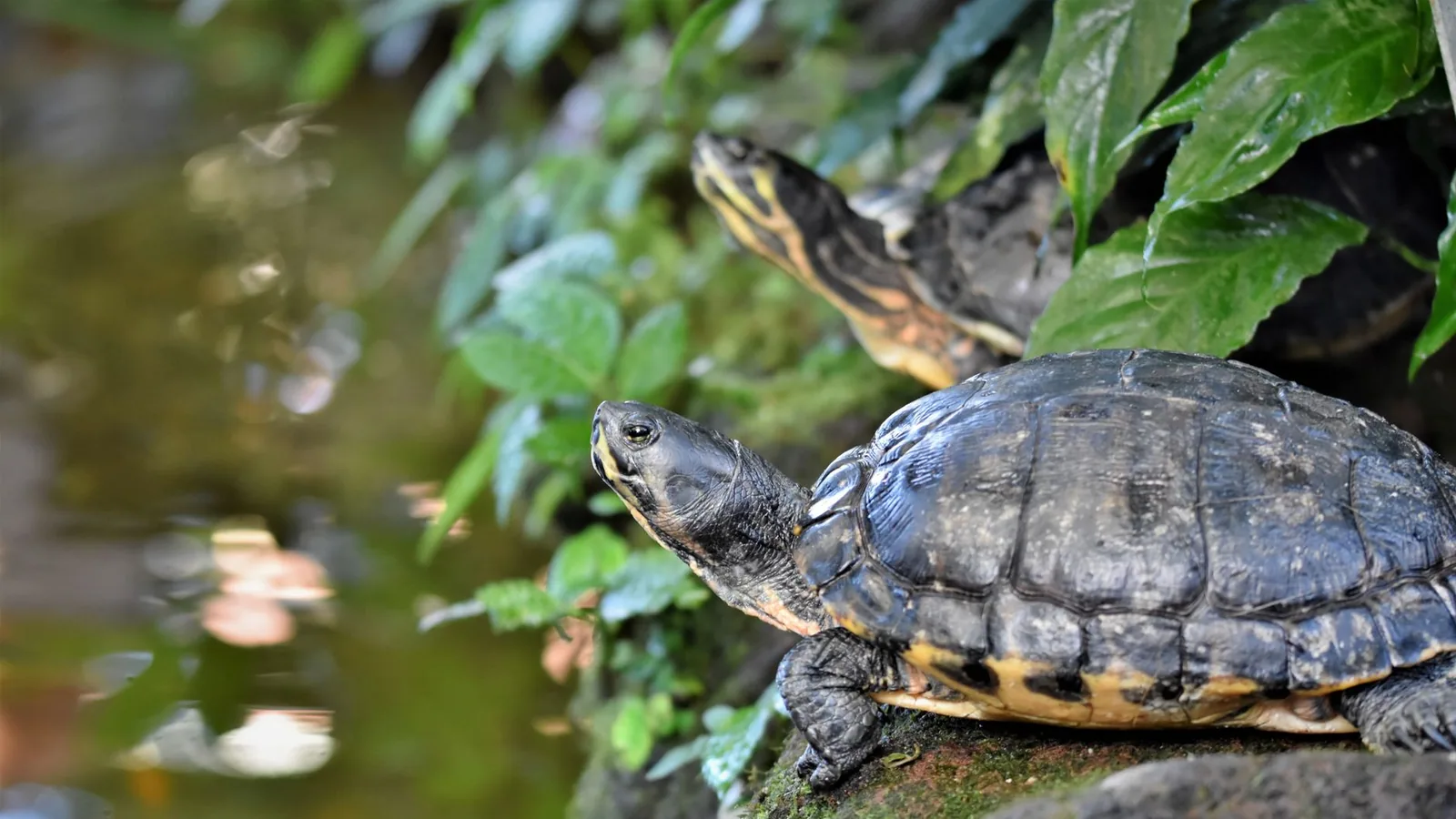
Key Takeaways
- Metabolic Bone Disease (MBD) is the most prevalent health issue, stemming from insufficient UVB lighting and inadequate dietary calcium, leading to shell deformities and lameness. Prevention necessitates proper UVB spectrum lighting and calcium-rich diets.
- Hibernation (brumation) is not mandatory for captive Russian tortoises and carries significant risks if not executed with precise temperature and humidity control, making year-round stable environments a safer alternative.
- Enclosure requirements include a minimum of 8 square feet of floor space for adults, a deep substrate (4-6 inches) of topsoil/sand mix for burrowing, and a temperature gradient with a basking spot of 32-35°C (90-95°F) and a cool end of 21-24°C (70-75°F).
- Diet must be strictly herbivorous, comprising 90% leafy greens and weeds, supplemented with calcium carbonate powder at every feeding and a multivitamin weekly. Avoid protein-rich foods, fruits, grains, and dairy to prevent gastrointestinal and liver disease.
- Annual veterinary wellness exams are crucial, including physical assessment and fecal analysis, to detect common issues like respiratory infections, shell rot, parasites, abscesses, and bladder stones.
- Russian tortoises have a long lifespan, averaging 40-60 years, underscoring the need for consistent, high-quality husbandry throughout their lives, making them a multi-decade commitment.
The Russian tortoise (Agrionemys horsfieldii, also known as Testudo horsfieldii or the Horsfield’s tortoise) is one of the most popular pet chelonians worldwide. Native to the arid, rocky steppes and deserts of Central Asia (including regions of Russia, Kazakhstan, Uzbekistan, and Iran), this species is remarkably hardy but requires highly specific husbandry to thrive in captivity. Failure to meet these needs frequently leads to preventable morbidity and mortality. This guide provides a publication-grade, evidence-based overview of Russian tortoise care, focusing on enclosure, diet, hibernation, health, and lifespan.
Quick Q&A
Question: What is the most common health problem in pet Russian tortoises? Answer: The most common health problem is metabolic bone disease (MBD), caused by inadequate ultraviolet B (UVB) lighting and insufficient dietary calcium. This leads to a soft, deformed shell and lameness. Prevention requires a proper UVB lamp and a calcium-supplemented diet.
Question: Do Russian tortoises need to hibernate? Answer: While they are natural hibernators (brumators), hibernation is not mandatory for captive pets and carries significant risks if done incorrectly. It is often safer for owners to keep them awake year-round by maintaining stable, warm temperatures and photoperiods.
Enclosure (Indoor and Outdoor)
Providing an appropriately sized and structured enclosure is the single most critical factor in captive Russian tortoise welfare. As a burrowing species, they require space to roam and dig.
Indoor Enclosures
The Association of Reptilian and Amphibian Veterinarians (ARAV) and the Merck Veterinary Manual recommend that adult Russian tortoises be housed in enclosures with a minimum floor area of 8 square feet (e.g., 4 feet by 2 feet). Larger is always better. Glass aquariums are generally unsuitable because they restrict ventilation and can cause stress from the tortoise seeing its reflection. Instead, use a custom-built tortoise table or a large plastic storage tub.
Key environmental parameters include:
- Substrate: A deep (4-6 inch) mix of topsoil and play sand (or coconut coir) is ideal for burrowing. Avoid cedar or pine shavings, which are toxic.
- Temperature Gradient: A basking spot of 32-35°C (90-95°F) must be provided, with a cool end of 21-24°C (70-75°F). Nighttime temperatures can drop to 18-21°C (65-70°F). Use a ceramic heat emitter or a radiant heat panel for supplemental heat; heat rocks are dangerous and should never be used.
- Lighting: UVB lighting is non-negotiable. A linear fluorescent UVB tube (5-10% output) or a mercury vapor bulb is required for vitamin D3 synthesis and calcium metabolism. Replace UVB bulbs every 6-12 months, as output degrades over time. Provide a 12-14 hour photoperiod.
- Humidity: While a dry species, a humid hide (a hide box with damp sphagnum moss) should be provided to aid hydration and prevent shell pyramiding. Overall enclosure humidity should be low (30-50%).
Outdoor Enclosures (Seasonal)
In temperate climates (US, Canada, Europe, Australia), Russian tortoises benefit greatly from supervised outdoor time during warm months. The enclosure must be secure against predators (dogs, raccoons, foxes, birds of prey) and escape-proof. Tortoises are excellent diggers; the walls should extend at least 12 inches below ground. Provide a shaded area, a shallow water dish, and access to a secure, heated indoor shelter if temperatures drop unexpectedly.
Diet
Russian tortoises are strict herbivores (grazers). In the wild, they consume a high-fiber, low-protein diet of grasses, weeds, and flowers. Captive diets must mimic this.
The ideal diet consists of:
- 90% Leafy Greens: Collard greens, mustard greens, dandelion greens, endive, escarole, turnip greens, and romaine lettuce. Avoid spinach and beet greens (high in oxalates) and iceberg lettuce (low in nutrients).
- 10% Other Vegetables: Occasional offerings of grated carrot, squash, or bell pepper are acceptable.
- Weeds and Flowers: Clover, plantain, hibiscus flowers, rose petals, and dandelion flowers are excellent natural additions.
- Calcium Supplementation: Dust food with a calcium carbonate powder (without vitamin D3 if UVB is adequate) at every feeding. A multivitamin supplement (containing vitamin D3) should be given once weekly.
- Water: A shallow, heavy water dish must always be available. Soak the tortoise in shallow, lukewarm water for 15-20 minutes, 2-3 times per week to promote hydration and bowel movements.
Foods to Avoid: Protein-rich foods (dog/cat food, meat, eggs), fruit (high sugar), grains, and dairy. These can cause severe gastrointestinal upset, liver disease, and abnormal shell growth.
Hibernation (Brumation)
In their native Central Asian range, Russian tortoises undergo a period of winter dormancy called brumation. While a natural process, it is a high-risk period in captivity.
Is Hibernation Necessary?
No. According to VCA Animal Hospitals and general veterinary consensus, it is perfectly safe and often recommended to keep captive Russian tortoises active year-round by maintaining stable temperatures and photoperiods. This eliminates the risks of dehydration, starvation, respiratory infection, and death associated with improper hibernation.
If You Choose to Hibernate
Hibernation is only safe for healthy, well-hydrated tortoises weighing over 100 grams. A pre-hibernation veterinary checkup is mandatory. The process involves:
- Pre-hibernation Fasting: Withhold food for 2-4 weeks to ensure the gut is empty.
- Cooling Down: Gradually reduce temperatures over 2-3 weeks.
- Hibernation Environment: A stable, cool (4-10°C / 39-50°F), dark, and humid environment (e.g., a refrigerator dedicated to this purpose or a cool basement). The tortoise must not freeze or overheat.
- Duration: Typically 8-12 weeks for adults. Juveniles should not be hibernated.
- Warming Up: Gradually increase temperatures over 1-2 weeks. Offer water immediately.
Warning: Hibernation complications are a leading cause of death in pet tortoises. If you are uncertain, consult a reptile veterinarian.
Health
Russian tortoises are generally robust, but they are susceptible to several common diseases. Early detection is key.
Common Health Problems
- Metabolic Bone Disease (MBD): Caused by UVB/calcium deficiency. Signs include a soft, pliable shell (rubber jaw), lethargy, and difficulty walking. Treatment requires aggressive veterinary intervention, including calcium injections and UVB correction.
- Respiratory Infections: Often due to low temperatures or drafts. Signs include nasal discharge, open-mouth breathing, and lethargy. Requires veterinary care and antibiotics.
- Shell Rot (Septicemic Cutaneous Ulcerative Disease): A bacterial or fungal infection of the shell, often from poor husbandry (damp, dirty substrate). Presents as soft, foul-smelling spots on the shell. Treatment involves debridement and topical/systemic medications.
- Parasites: Both internal (nematodes, protozoa) and external (ticks, mites) are common. A fecal examination by a veterinarian is recommended annually.
- Abscesses: Often aural (ear) abscesses, which appear as swellings behind the tympanic membrane. These require surgical drainage by a veterinarian.
- Bladder Stones (Uroliths): Common in tortoises fed high-protein diets. Signs include straining to defecate/urinate and lethargy. Surgical removal is often required.
- Herpesvirus: As documented by Fischer et al. (2006), herpesvirus infections can cause severe skin and lung lesions in juvenile Russian tortoises. This is a serious, often fatal condition requiring immediate veterinary isolation and supportive care.
Veterinary Care
A reptile-experienced veterinarian should perform an annual wellness exam, including a physical examination, fecal analysis, and blood work. The AVMA and CVMA emphasize the importance of preventive care for all exotic pets. Owners should monitor for any changes in appetite, activity, stool quality, or shell condition.
Lifespan
With proper care, Russian tortoises are exceptionally long-lived. Their average captive lifespan is 40 to 60 years, with many individuals living well beyond that. Some reliable reports document lifespans exceeding 80 years. This is a critical consideration for potential owners; acquiring a Russian tortoise is a multi-decade commitment. The longevity of this species underscores the importance of providing consistent, high-quality husbandry throughout its life.
Conclusion
The Russian tortoise is a rewarding but demanding pet. Success depends on replicating its natural arid environment: a large, well-lit enclosure with a deep substrate, a high-fiber diet, and strict temperature control. While hibernation is a natural behavior, it is not required and carries significant risks. Owners must be prepared for a long-term commitment and partner with a qualified reptile veterinarian to ensure a healthy, thriving life for their tortoise.
Related Articles
Related Clinical & Scientific Guides
- Signs of Illness in Reptiles and When to See a Vet
- Turtle Tank Water Quality: Maintaining a Healthy Aquatic Environment
- Milk Snake Care Guide
References
Andreenko, A., Kuzovlev, A., & Lakhin, R. (2026). Analysis of simulation-based educational technologies in training of clinical residents in anesthesiology and intensive care in the Russian Federation for the period 2020-2025: survey data. Russian Journal of Anesthesiology and Reanimatology.
Vlassov, V. V., Gabuniya, N., & Vlasova, A. (2026). Russian experience in healthcare quality assurance through standards of care: 2014-2023. BMJ Open Quality.
Fischer, S., Strutzberg-Minder, K., Müller, G., et al. (2006). Molecularbiological diagnosis of herpes virus infection of a juvenile Russian tortoise (Agrionemys horsfieldii) with skin and lung lesions. Berliner und Münchener tierärztliche Wochenschrift.
Lawry, L. L., Korona-Bailey, J., Juman, L., et al. (2024). A qualitative assessment of Ukraine’s trauma system during the Russian conflict: experiences of volunteer healthcare providers. Conflict and Health.
Smedemark, S. A., Llor, C., Aabenhus, R., et al. (2022). Biomarkers as point-of-care tests to guide prescription of antibiotics in people with acute respiratory infections in primary care. Cochrane Database of Systematic Reviews.
Kalabikhina, I., Kolotusha, A., & Moshkin, V. (2026). How Different Medical Practices Are Associated with Types of Patient Complaints in Russian Clinics. Healthcare.
Bukhtiyarov, I., & Zemlyakova, S. (2022). Medical activity in the health care system of workers in the Russian Federation. Russian Journal of Occupational Health and Industrial Ecology.
Volgina, S. Y., & Sokolov, A. (2021). An Analysis of Medical Care Services for Children With Rare Diseases in the Russian Federation. Frontiers in Pharmacology.
Choufani, M. R., Larson, K. L., & Prannik, M. Y. (2025). Perspectives of Refugees from Ukraine on Cultural Identity and Health Care Experiences During U.S. Resettlement. Nursing Reports.
Doucette, H., Tylchak, Y., et al. (2025). Barriers and Facilitators for Accessing Oral Health Care for Ukrainian Newcomers to Nova Scotia. JDR Clinical & Translational Research.
Khalfin, R., Demin, A., & Yuldoshev, A. (2025). [The Problems of People-Ware of World Health Care in 1995-2024: Appraisals and Recommendations]. Problemy sotsial'noi gigieny, zdravookhraneniia i istorii meditsiny.
Kossova, T. (2023). Economic Determinants of Mortality from Cardiovascular Diseases in Russian Regions. Voprosy statistiki.
Warkad, N., & Basu, S. (2026). Comparative Effectiveness of Russian Current and High-voltage Pulsed Galvanic Stimulation on Quadriceps Muscle Atrophy and Functional Recovery Following Total Knee Replacement: A Research Protocol. Journal of Clinical and Diagnostic Research.
Dzhemiliev, A., Lienau, B., Melnitchouk, N., et al. (2024). Enhancing trauma care in Ukraine amid conflict: A successful implementation of the modified advanced trauma life support course in an active war zone. World Journal of Surgery.
Грицан, А. И., Пфейфер, А. А., Гурченко, С. А., et al. (2024). Lung ultrasound at the department of anesthesiology and intensive care for pediatric cardiac surgery: a narrative review. Annals of Critical Care.
Samoilov, N. G., Petrov, D. S., & Konovalov, O. E. (2024). [The medical psychological concept of inclusive health care]. Problemy sotsial'noi gigieny, zdravookhraneniia i istorii meditsiny.
Artem’yeva, G. B., & Sidorova, A. A. (2024). Assessment of Conditions for Rendering Rehabilitation Medical Care in a 24-Hour Hospital from Positions of Medical Workers. Nauka molodykh (Eruditio Juvenium).
Nanthambwe, P. (2024). Public Theology as a Theology of Resilience in Sub-Saharan Africa: A Public Pastoral Care Contribution. Religions.
Vlassov, V. (2016). Russian experience and perspectives of quality assurance in healthcare through standards of care.
Lemeshkin, R., Ovcharenko, A. P., & Blinov, V. A. (2025). Evidence and methods to assess preparedness among non-staff units of the Disaster Medicine Service of the Ministry of Defense of Russian Federation deployed in emergencies to eliminate emergency medical and sanitary consequences. Medico-Biological and Socio-Psychological Problems of Safety in Emergency Situations.
Uren, H. D., Berrey, B. H., Gumeniuk, K., et al. (2025). A21 Role 1-4 care in Ukraine to prevent multidrug-resistant organism infections in large-scale combat operations: a biological warfare-inspired protocol for combat casualty care in Ukraine. BMJ Military Health.
Antonova, N., & Kulminskaya, A. V. (2025). How do online volunteers take care of their health? Civil Szemle.
Shumeyko, A., Batyrshin, I., Demko, A., et al. (2025). Experience in iliopsoas abscess treatment at a multi-specialty emergency inpatient care facility: A cohort retrospective study. Kuban Scientific Medical Bulletin.
Ryapolova, N., Galea, J., & Greene, K. (2022). Perceptions towards integrated care through the narrative of practicing social workers and psychologists in PHC: a cross-case analysis. Journal of Integrated Care.
Vasilieva, T., Larionov, A., Russkikh, S., et al. (2022). Methodological Approach to Organizing Public Health Monitoring in the Russian Federation. Public Health and Life Environment.
Li, Q., Babor, T., Zeigler, D. W., et al. (2015). Health promotion interventions and policies addressing excessive alcohol use: A systematic review of national and global evidence as a guide to health-care reform in China. Addiction.
Zhiburt, E., Khamitov, R. G., Shestakov, E. A., et al. (2025). ABOUT THE MASSIVE TRANSFUSION PROTOCOL. Bulletin of Pirogov National Medical & Surgical Center.
Ivanov, L., & Buck, K. (2004). Health Care Utilization Patterns of Russian-Speaking Immigrant Women Across Age Groups. Journal of Immigrant Health.
Khalezova, N. B., Capasso, A., Boeva, E., et al. (2022). Situational and motivational factors associated with unhealthy alcohol use among Russian women with HIV and hepatitis C Virus co-infection. Drug and Alcohol Dependence Reports.
Tufanova, O. (2022). Plots about an Elephant in the Notes on Muscovy by Heinrich von Staden and in Old Russian Literature of the 12th-16th Centuries. Studia litteraria.
Madzhaeva, S., Dzhelalova, L., & Romanova, N. (2026). SPEECH FEATURES OF CLINICAL GUIDELINES FOR PARAMEDICS, MEDICAL ASSISTANTS, AMBULANCE SERVICE, AIR AND DISASTER MEDICINE STAFF. Vestnik Volgogradskogo gosudarstvennogo universiteta. Serija 2. Jazykoznanije.
Zykin, A., & Aref'ev, M. A. (2023). Northern Buddhism in the culture of the East Siberian region of Russia (on the history of the Irkutsk Spiritual Mission of the Russian Orthodox Church). Философия и культура.
Zorina, L. (2026). Clinical, pharmacological and legal validity of the use of combined topical agents for acne treatment in the practice of dermatologist. Russian Journal of Clinical Dermatology and Venereology.
Oliveras, E., Larsen, U., & David, P. (2005). client satisfaction with abortion care in three russian cities. Journal of Biosocial Science.
Rhyne, R., & Hertzman, P. (2002). Pursuing community-oriented primary care in a Russian closed nuclear city: the Sarov-Los Alamos community health partnership. American Journal of Public Health.
Abolyan, L. V., Haiek, L. N., Pastbina, I., et al. (2021). Compliance With the "Baby-Friendly Hospital Initiative for Neonatal Wards" in Russian Hospitals. Journal of Human Lactation.
Wieners, W. (2000). Global Health Care Markets: A Comprehensive Guide to Regions, Trends, and Opportunities Shaping the International Health Arena.
Noone, D., O’Mahony, B., Peyvandi, F., et al. (2020). Evolution of Haemophilia Care in Europe: 10 years of the principles of care. Orphanet Journal of Rare Diseases.
Frost, C. (2021). Matters of Birth and Death in the Russian Orthodox Church and Ecumenical Patriarchate's Social Documents. Studies in Christian Ethics.
Brook, I. (2020). "The Laryngectomee Guide" is available in 18 languages (Free eBooks). World journal of otorhinolaryngology - head and neck surgery.
Montoya, M. I., Kogan, C., Khoury, B., et al. (2026). Mental Health Professionals' Perceptions of Benefits and Disadvantages of Telehealth: International Mixed Methods Study. Journal of Medical Internet Research.
Shraga, Y., Pushkarskaya, H., & Sarid, O. (2025). Psychological first aid for Ukrainian civilians: protocol and reflections on a volunteer international phone-based intervention. Frontiers Digit. Health.
Gerber, T. P., & Laruelle, M. (2020). Who Cares? Russian Public Opinion during Medvedev's Presidency on the Importance and Politicization of History. Problems of Post-Communism.
Madkour, M. E., Schwientek, A. K., Yasenok, V., et al. (2026). Community-based mental health centers in Ukraine - protocol for a mixed methods evaluation study using the RE-AIM framework. Frontiers in Public Health.
Morozov, D., Omelyanovskiy, V., & Fedyaeva, V. K. (2025). Artificial intelligence in healthcare system. Clinical guides. Manager Zdravookhranenia.
Latyshova, A. A., Nesvetaylo, N., Liutsko, V., et al. (2025). Medical personnel in rural areas: trends in key indicators. Health Care of the Russian Federation.
Alexander, R., Richmond, W., & Hitchcock, N. (2007). Book Reviews: A Gay Man's Guide to Prostate Cancer, Masculinity, Autocracy, and the Russian University 1804-1862, Transforming Masculinities: Men, Culture, Bodies, Power, Sex and Love.
Vartapetova, N., Kisseleva, N., Sacci, I., et al. (2003). A guide to implementing effective health care for women and infants.
Sadykov, M., Delyan, A. M., Akhmetova, L. I., et al. (2025). Analysis of supervisory activities at City Clinical Hospital No. 7 named after M.N. Sadykov in Kazan. The Bulletin of Contemporary Clinical Medicine.
Крупка, В., Віннічук, А., & Солодюк, Н. (2025). ПОЕТИЧНИЙ ПЛЬОНТАНІЗМ СВІТЛАНИ САЩУК: ІМПЕРАТИВ ЖИВОТВОРНОСТІ. Мистецтво в культурі сучасності: теорія та практика навчання.
Scherzer, M., Mazhnaia, A., Alpatova, P., et al. (2025). Navigating new healthcare systems: a qualitative exploration of barriers, facilitators, and service utilization among Ukrainian refugees in five host countries. European Journal of Public Health.
Gruzdeva, A., Khokhlov, A., & Ilyin, M. (2020). Oral anticoagulants in the prevention of thromboembolic complications in cardiac patients: analysis of use in the Russian Federation.
Drapkina, O., Kaprin, A., Shelygin, Y., et al. (2025). The main provisions of the guidelines of the National Medical Research Center for Therapy and Preventive Medicine of the Ministry of Health of Russia on the population-based colorectal cancer screening. Primary Health Care.
McHale, J. P., Mazzoni, S., Hedenbro, M., et al. (2025). Clinical Use of McHale's Coparenting Scale: Case Examples and Insights for Practitioners From an International Coparenting Collaborative. Australian and New Zealand Journal of Family Therapy.
Lylo, T. (2022). Ideologemes of modern Russian propaganda in Mikhail Epstein's essayistic interpretations.
Lazarus, J., Laut, K., Safreed-Harmon, K., et al. (2016). Disparities in HIV clinic care across Europe: findings from the EuroSIDA clinic survey. BMC Infectious Diseases.
Ognerubov, N., & Zelepukin, R. (2021). Organization of medical care in the oncology profile to patients outside the territory of their insurance in the context of changes in the regulatory rulemaking. Consilium Medicum.
Sormunen, M., Goranskaya, S., Kirilina, V., et al. (2018). Home and school responsibilities for children's health literacy development: the views of Finnish and Russian parents and teachers.
Muntyanu, A., Ghazawi, F., Zubarev, A., et al. (2021). 348 Geographic distribution of non-melanoma skin cancer in the Russian Federation. Journal of Investigative Dermatology.
Erugina, M., Krom, I., Shmerkevich, A. B., et al. (2021). [The verification of systemic factors of oncology care organization in the Saratov oblast]. Problemy sotsial'noi gigieny, zdravookhraneniia i istorii meditsiny.