Frilled Dragon Care Guide
By Dr. Zubair Khalid, DVM, MS, PhD ·
Key Takeaways
- Frilled dragons (Chlamydosaurus kingii) require a tall, vertically oriented enclosure (minimum 4 feet for adults) with a humidity range of 60-80% to prevent dysecdysis and dehydration, and strong linear T5 HO UVB lighting (5-12% UVB) to synthesize vitamin D3 and prevent metabolic bone disease (MBD).
- A pronounced thermal gradient is critical, with a basking surface temperature of 95-105°F (35-40°C), warm ambient temperatures of 85-90°F (29-32°C), and cool ambient temperatures of 75-80°F (24-27°C), maintained by thermostatically controlled heat sources.
- Their diet consists of gut-loaded insects such as crickets, Dubia roaches, and black soldier fly larvae, supplemented with calcium with D3 (daily for juveniles, 4-5 times weekly for adults) and a multivitamin (weekly for juveniles, every 2 weeks for adults).
- Handling should be minimized due to their stress susceptibility, with a strict protocol of slow approach, full body support, and short, infrequent sessions to avoid immunosuppression and behavioral issues.
- Annual veterinary wellness examinations, including fecal parasite testing and potentially radiographs, are recommended by the ARAV to proactively identify and manage common health issues like MBD, dysecdysis, and respiratory infections.
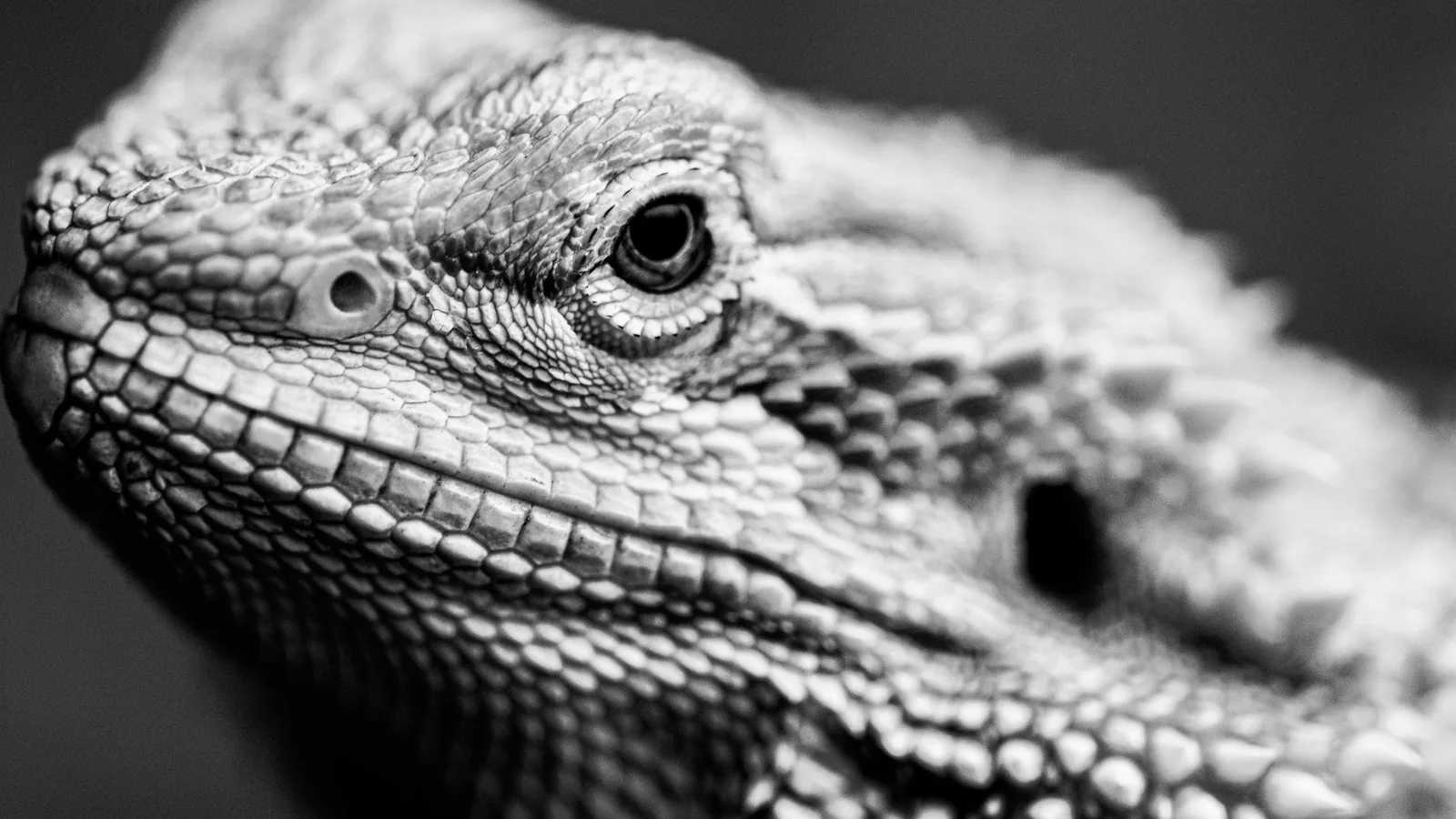
The frilled dragon (Chlamydosaurus kingii) is a distinctive Australian lizard known for its large neck frill and bipedal running ability. While not as commonly kept as bearded dragons or leopard geckos, frilled dragons are increasingly popular in the pet trade. However, their care requirements are significantly more demanding than those of many other reptiles. This guide provides evidence-based, veterinary-aligned recommendations for enclosure setup, nutrition, lighting, and handling, drawing from guidelines from the Association of Reptilian and Amphibian Veterinarians (ARAV), the Merck Veterinary Manual, and VCA Animal Hospitals.
Quick Q&A
Question: What is the most critical aspect of frilled dragon care for a new owner?
Answer: The most critical aspect is providing a tall, vertically oriented enclosure with high humidity (60-80%) and strong UVB lighting. Frilled dragons are arboreal and require climbing space, and without adequate UVB and humidity, they rapidly develop metabolic bone disease and dysecdysis (shedding problems). A 4-foot-tall enclosure is the minimum for an adult.
Natural History and Biological Considerations
Frilled dragons are native to northern Australia and southern New Guinea, inhabiting tropical savannahs and woodlands. They are semi-arboreal, spending much of their time in trees but descending to forage. Their iconic frill is used for thermoregulation, courtship, and predator deterrence.
Understanding their natural history is essential for replicating appropriate captive conditions. In the wild, they experience distinct wet and dry seasons, high ambient temperatures, and intense UV exposure. Captive environments that deviate significantly from these parameters lead to chronic stress, immunosuppression, and disease.
Enclosure Requirements: The Tall Enclosure Imperative
Unlike terrestrial lizards such as bearded dragons, frilled dragons require a tall enclosure. The primary reason is their arboreal nature and their need to thermoregulate vertically. In the wild, they bask in the upper canopy and retreat to lower, cooler, more humid microclimates.
Minimum Dimensions
- Juvenile (under 12 months): 36 inches tall x 24 inches wide x 18 inches deep (90 cm x 60 cm x 45 cm).
- Adult (over 12 months): 48 inches tall x 36 inches wide x 24 inches deep (120 cm x 90 cm x 60 cm). A taller enclosure is always better.
Enclosure Type
Front-opening enclosures are strongly preferred over top-opening tanks. Top-opening enclosures cause the lizard to perceive the owner as a predator approaching from above, leading to chronic stress. Custom-built PVC or melamine enclosures retain humidity far better than glass aquariums with screen tops.
Substrate
Use a substrate that retains moisture without becoming waterlogged. A mixture of organic topsoil, coconut coir, and cypress mulch works well. Avoid sand, walnut shell, or pine bark, which can cause impaction if ingested. The substrate depth should be at least 4 inches to allow for burrowing and humidity retention.
Climbing Structures
Provide multiple horizontal and diagonal branches at varying heights. Cork bark tubes, bamboo, and sturdy artificial vines are excellent choices. Ensure all structures are securely anchored; a falling branch can injure or kill a frilled dragon.
Humidity: Achieving and Maintaining 60-80%
Frilled dragons require high ambient humidity, typically 60-80%, with spikes to 90% after misting. Inadequate humidity leads to dysecdysis (retained shed), especially around the toes, tail tip, and frill. Chronic low humidity also contributes to dehydration and renal disease.
Methods for Humidity Control
- Automatic Mist System: A reptile fogger or misting system on a timer is the most reliable method. Mist for 30-60 seconds, 3-4 times daily.
- Hand Misting: Mist the enclosure thoroughly in the morning and evening. Ensure water droplets are visible on leaves and branches.
- Live Plants: Broad-leafed live plants such as pothos, ficus, and bromeliads help maintain humidity and provide cover. Ensure plants are reptile-safe and pesticide-free.
- Humidity Hide: Provide a humid hide box filled with damp sphagnum moss, especially during shedding.
Monitoring
Use a digital hygrometer placed at mid-enclosure height. Analog hygrometers are often inaccurate. Humidity should be checked daily and adjusted based on the lizard's behaviour and shedding success.
UVB Lighting: Non-Negotiable for Health
Frilled dragons are heliothermic (sun-basking) and require high levels of UVB radiation for vitamin D3 synthesis and calcium metabolism. Without adequate UVB, they develop nutritional secondary hyperparathyroidism (metabolic bone disease, MBD), a painful and often fatal condition.
UVB Requirements
- Strength: Use a linear T5 HO UVB bulb, not a compact coil bulb. The recommended strength is 5-6% UVB for a 12-18 inch basking distance, or 10-12% UVB if the bulb is mounted higher (18-24 inches).
- Length: The UVB bulb should span at least half the length of the enclosure.
- Placement: Mount the UVB bulb on the same side as the basking bulb. The lizard must be able to bask within the correct distance without being able to come within 6 inches of the bulb (to prevent photokeratoconjunctivitis and skin burns).
- No Glass or Plastic: UVB is blocked by glass and most plastics. The bulb must be mounted inside the enclosure or on top of a mesh lid that does not block UVB (e.g., stainless steel mesh with large openings).
Photoperiod
Provide 12-14 hours of UVB and visible light per day, with a 10-12 hour night period of complete darkness. Use a timer for consistency.
Replacement
UVB output declines over time, even if the bulb still emits visible light. Replace T5 HO bulbs every 6-12 months, depending on manufacturer specifications.
Temperature Gradient and Basking
Frilled dragons require a pronounced thermal gradient to thermoregulate effectively.
| Zone | Temperature Range |
|---|---|
| Basking Surface | 95-105°F (35-40°C) |
| Warm End Ambient | 85-90°F (29-32°C) |
| Cool End Ambient | 75-80°F (24-27°C) |
| Nighttime | 70-75°F (21-24°C) |
Heating Equipment
- Basking Bulb: A halogen flood bulb (not a mercury vapor bulb, which also emits UVB and can cause overheating) placed over a basking platform at the top of the enclosure.
- Ceramic Heat Emitter (CHE): Use a CHE for nighttime heating if temperatures drop below 70°F. CHEs emit no light, preserving the lizard's circadian rhythm.
- Thermostat: All heat sources must be connected to a thermostat to prevent overheating and fire risk.
Insect Diet: Nutrition and Feeding
Frilled dragons are insectivores. In captivity, they should be fed a varied diet of appropriately sized insects. The diet must be supplemented with calcium and vitamins.
Staple Insects
- Crickets: Gut-loaded with a high-calcium diet for 24 hours before feeding.
- Dubia Roaches: Excellent nutritional profile; low in fat.
- Black Soldier Fly Larvae (BSFL): Naturally high in calcium; can be fed as a staple.
- Hornworms: High moisture content; good for hydration.
- Silkworms: High in protein and calcium.
Occasional Treats
- Mealworms: High in fat; feed sparingly (once weekly).
- Superworms: Also high in fat; use only as occasional treats.
- Waxworms: Very high in fat; use only for weight gain or as a rare treat.
Feeding Schedule
- Juveniles (under 12 months): Feed 2-3 times daily, as many insects as they can eat in 10-15 minutes.
- Adults (over 12 months): Feed once daily, offering 10-20 appropriately sized insects.
Supplementation
- Calcium with D3: Dust insects at every feeding for juveniles, and 4-5 times per week for adults.
- Multivitamin (without D3): Dust insects once weekly for juveniles, and once every 2 weeks for adults.
Water
Provide a large, shallow water bowl for drinking and soaking. Change water daily. Misting also provides drinking water; frilled dragons often drink droplets from leaves.
Handling: Minimizing Stress
Frilled dragons are not naturally handleable and can become stressed by frequent handling. Stress is a major contributor to immunosuppression and disease in reptiles.
Handling Guidelines
- Acclimation Period: Do not handle a new frilled dragon for at least 2 weeks. Allow it to settle into its enclosure.
- Approach Slowly: Never grab from above. Approach from the side and allow the lizard to see your hand.
- Support the Body: Gently scoop the lizard from underneath, supporting the chest and hindquarters. Do not hold by the tail; frilled dragons can drop their tails (autotomy) as a defense mechanism.
- Duration: Limit handling sessions to 5-10 minutes, no more than 2-3 times per week.
- Signs of Stress: Hissing, frill erection, gaping mouth, or attempting to flee are signs of stress. Return the lizard to its enclosure immediately.
When to Avoid Handling
- During shedding.
- Within 48 hours of eating (to prevent regurgitation).
- If the lizard is ill or under veterinary care.
Common Health Problems
Metabolic Bone Disease (MBD)
Caused by inadequate UVB or calcium deficiency. Signs include lethargy, tremors, soft jaw, and limb deformities. Prevention is the key: proper UVB and supplementation.
Dysecdysis (Retained Shed)
Common in low humidity. Soak the lizard in shallow, lukewarm water (85°F) for 15-20 minutes, then gently rub with a damp cloth. Never pull off stuck shed.
Respiratory Infection
Caused by low temperatures or high humidity without proper ventilation. Signs include open-mouth breathing, nasal discharge, and lethargy. Requires veterinary attention and often antibiotic therapy.
Parasites
Frilled dragons can carry internal parasites (coccidia, pinworms) and external parasites (mites). A fecal examination by a veterinarian is recommended annually.
Veterinary Care Recommendations
The ARAV recommends annual wellness examinations for all reptiles, including frilled dragons. A thorough examination should include:
- Physical examination with body condition scoring.
- Fecal floatation and direct smear for parasites.
- Blood work (if indicated by age or health status).
- Radiographs (X-rays) to assess bone density and detect early MBD.
Find a veterinarian who is a member of the ARAV or who has specific experience with Australian lizards. Not all general practice veterinarians are comfortable treating reptiles.
Regional Considerations
Australia
Frilled dragons are native to Australia and are protected under state and federal wildlife laws. In most states, a license is required to keep them. Owners must source animals from licensed breeders only. The Australian Veterinary Association (AVA) recommends that owners consult with a veterinarian experienced in reptile medicine.
United States and Canada
Frilled dragons are legal to keep in most states, but some (e.g., Hawaii) have restrictions. Importation requires a health certificate. The AVMA and AAHA do not have species-specific guidelines for frilled dragons, but general reptile care principles apply.
Europe
The Federation of Veterinarians of Europe (FVE) and the European Food Safety Authority (EFSA) have not issued specific guidelines for frilled dragons. However, the European Union regulates the trade of CITES-listed species. Frilled dragons are not currently CITES-listed, but importation may require permits.
Conclusion
Frilled dragons are rewarding but challenging pets. Their care demands a tall enclosure, precise humidity and temperature control, high-output UVB lighting, a varied insect diet with supplementation, and minimal handling. Owners who meet these requirements will be rewarded with a fascinating, long-lived lizard (15-20 years in captivity). Always consult with a qualified veterinarian for any health concerns.
Related Articles
Related Clinical & Scientific Guides
- Signs of Illness in Reptiles and When to See a Vet
- Turtle Tank Water Quality: Maintaining a Healthy Aquatic Environment
- Milk Snake Care Guide
References
Merck Veterinary Manual. "Nutritional Disorders of Reptiles." merckvetmanual.com.
Association of Reptilian and Amphibian Veterinarians (ARAV). "Metabolic Bone Disease in Reptiles." arav.org.
VCA Animal Hospitals. "Reptile Handling and Restraint." vcahospitals.com.
ReptiFiles. "Frilled Dragon Care Guide." reptifiles.com. (Evidence-based husbandry guide.)
Australian Veterinary Association (AVA). "Reptile Health and Welfare." ava.com.au.