Corn Snake Not Eating
By Dr. Zubair Khalid, DVM, MS, PhD ·
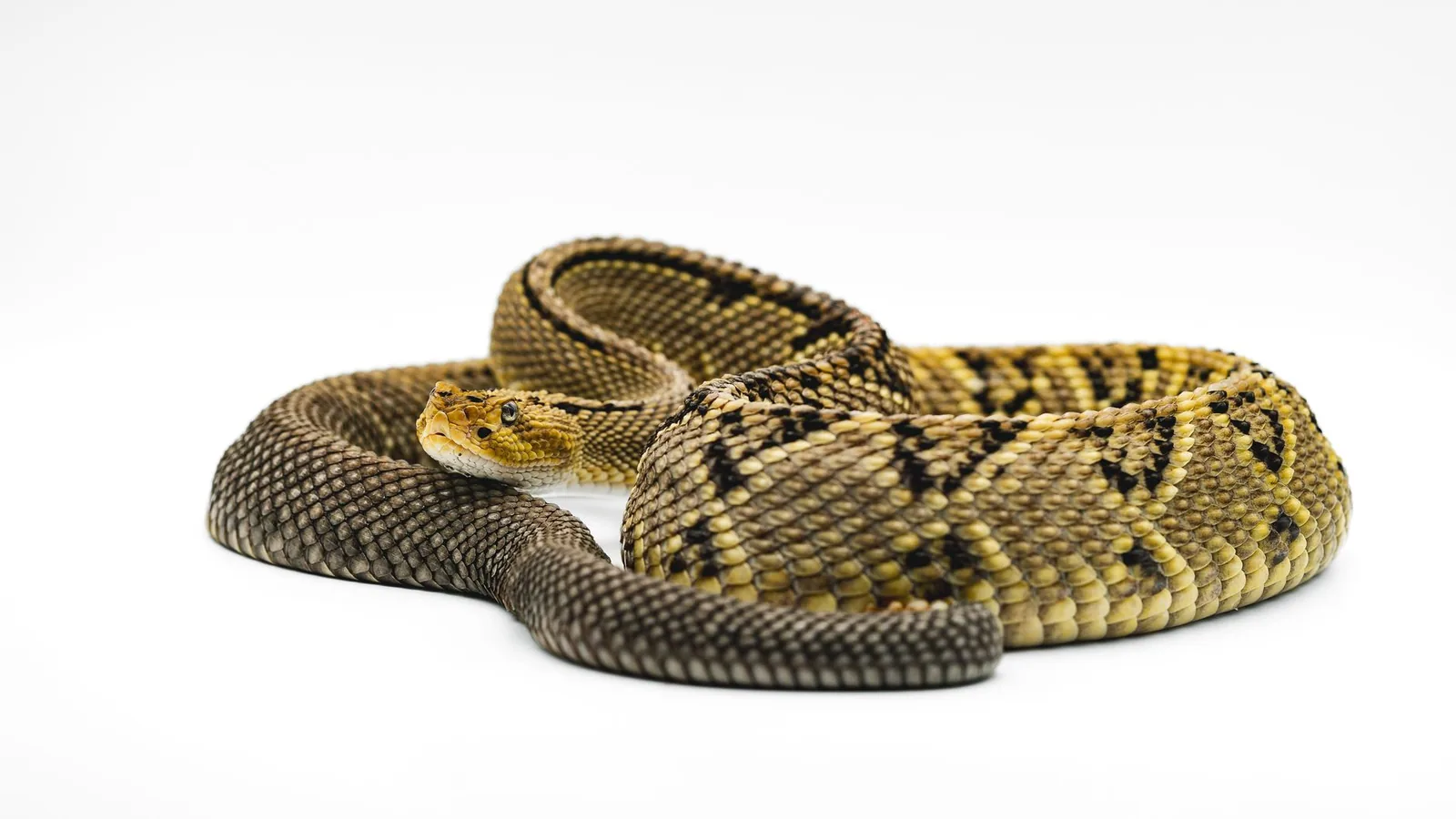
Key Takeaways
- Anorexia in corn snakes (Pantherophis guttatus) is a clinical sign, not a disease, with a broad differential diagnosis including environmental, physiological, and pathological causes.
- Suboptimal environmental temperatures, specifically a lack of a proper thermal gradient (basking spot 85-90°F, cool side 70-75°F), are the most common cause of feeding refusal due to impaired digestive enzyme production.
- Brumation is a normal, seasonal physiological response in temperate-zone snakes, characterized by reduced activity and appetite during cooler months, but it should not be confused with illness; veterinary consultation is advised if the snake is in poor condition or shows other signs of disease.
- Stressors such as overhandling, inadequate hiding spaces, loud noises, cohabitation, and relocation can significantly suppress appetite, necessitating a secure, species-appropriate environment with multiple hides.
- Medical causes of anorexia include respiratory infections, stomatitis, parasitic infestations (e.g., Cryptosporidium), gastrointestinal obstruction, and neoplasia, requiring diagnostic workup including fecal examination, radiography, and potentially bloodwork.
- Veterinary intervention is indicated for anorexia exceeding 2-3 weeks (outside of brumation), significant weight loss (>10% body weight), lethargy, respiratory distress, or regurgitation, with diagnostic approaches including physical examination, parasitology, imaging, and serology.
Corn snakes (Pantherophis guttatus) are among the most popular pet reptiles in North America, Europe, and Australia, prized for their docile temperament and relatively straightforward husbandry. However, one of the most common concerns presented to exotic animal veterinarians is a corn snake that has stopped eating. Anorexia in snakes is a clinical sign, not a disease itself, and it can stem from many environmental, physiological, or pathological causes. This pillar article provides a comprehensive, evidence-based guide for veterinary professionals and dedicated pet owners on diagnosing and managing a corn snake that is not eating.
Quick Q&A
Question: Why is my corn snake not eating, and when should I worry?
Answer: A corn snake may refuse food due to environmental issues (e.g., incorrect temperature or humidity), seasonal brumation, stress, or inappropriate prey size. If the snake has not eaten for more than 2-3 weeks, is losing weight, or shows other signs of illness (e.g., lethargy, regurgitation, respiratory signs), consult a veterinarian experienced in reptile medicine.
Understanding Anorexia in Corn Snakes
Anorexia, or the complete lack of feeding behaviour, is a frequent presenting complaint in captive corn snakes. Unlike mammals, snakes have a slow metabolic rate and can tolerate periods of fasting, but prolonged anorexia is always a red flag. The differential diagnosis is broad, ranging from simple husbandry errors to life-threatening diseases. According to the Merck Veterinary Manual, the first step in any case of anorexia is a thorough review of the snake's environment and history. The Association of Reptilian and Amphibian Veterinarians (ARAV) emphasizes that a systematic approach is essential to differentiate between physiologic and pathologic causes.
Common Causes of Appetite Loss
1. Environmental Factors: Temperature and Humidity
Corn snakes are ectotherms, meaning they rely on external heat sources to regulate their body temperature and metabolic processes. The most common cause of anorexia in corn snakes is suboptimal environmental temperature. Digestion requires a specific thermal gradient. If the enclosure is too cold, the snake cannot produce the necessary digestive enzymes, leading to food refusal or regurgitation.
Optimal Husbandry Parameters:
- Basking spot: 85-90°F (29-32°C)
- Cool side: 70-75°F (21-24°C)
- Nighttime drop: No lower than 65°F (18°C)
- Humidity: 40-60%, with a humid hide during shedding
VCA Animal Hospitals recommends using a digital thermometer with a probe at both the warm and cool ends of the enclosure, and a thermostat-controlled heating element (e.g., under-tank heater or ceramic heat emitter). Heat rocks should be avoided as they can cause severe thermal burns.
2. Brumation (Seasonal Anorexia)
Brumation is a natural, seasonal period of reduced metabolic activity in temperate-zone snakes, including corn snakes. During the cooler months (typically November to February in the Northern Hemisphere), many corn snakes will stop eating, become less active, and seek cooler areas of their enclosure. This is a normal physiological response, not a disease.
Key Features of Brumation:
- Occurs in autumn/winter
- Snake is otherwise healthy, alert, and hydrated
- No significant weight loss (less than 5% of body weight)
- May still drink water
- Resolves spontaneously with increasing day length and temperature
However, brumation can be confused with illness. The ARAV advises that if a snake is in poor body condition, dehydrated, or showing any signs of respiratory disease, brumation should not be allowed. In captive settings, many owners choose to prevent brumation by maintaining consistent temperatures and photoperiod year-round.
3. Stress
Stress is a powerful suppressor of appetite in snakes. Common stressors include:
- Overhandling: Especially after feeding or during shedding
- Inadequate hiding spots: Corn snakes require at least two secure hides (one on the warm side, one on the cool side)
- Loud noises or vibrations: Snakes sense vibrations through their substrate
- Cohabitation: Corn snakes are solitary and should be housed individually
- Recent relocation: A new environment can cause a temporary feeding strike lasting 1-2 weeks
The ReptiFiles evidence-based husbandry guides emphasize that a "stress-free" enclosure mimics the snake's natural habitat: cluttered with branches, leaf litter, and multiple hides.
4. Prey Size and Type
Offering prey that is too large is a common mistake. A general rule is that the prey item should be no larger than 1.5 times the width of the snake's widest body part. Overly large prey can cause regurgitation or refusal. Additionally, some snakes develop a preference for live prey and may refuse frozen-thawed rodents. However, live prey should be avoided due to the risk of injury to the snake (rodents can bite and cause severe wounds). If switching from live to frozen-thawed, techniques such as scenting (rubbing the rodent with a lizard or chicken scent) or braining (piercing the skull to release odour) may be tried.
5. Shedding (Ecdysis)
During the shedding cycle, corn snakes often refuse food. This is normal and typically lasts 7-14 days. Signs of an impending shed include dulling of the skin colour, blue/opaque eyes (due to fluid buildup between the old and new skin layers), and increased hiding behaviour. Do not attempt to feed a snake in "blue" as it may be stressed and refuse. Offer food only after the shed is complete and the eyes have cleared.
6. Illness and Disease
If environmental, seasonal, and behavioural causes have been ruled out, underlying disease must be considered. Common medical causes of anorexia in corn snakes include:
- Respiratory infections: Often caused by poor husbandry (low temperature, high humidity). Signs include open-mouth breathing, wheezing, and nasal discharge.
- Stomatitis (mouth rot): Infection of the oral cavity, often visible as pus, redness, or necrotic tissue around the teeth.
- Parasitic infections: Both internal (e.g., Cryptosporidium, nematodes) and external (mites). Cryptosporidium is particularly serious and causes chronic regurgitation and weight loss.
- Gastrointestinal obstruction: From ingested substrate (e.g., wood shavings) or foreign bodies.
- Neoplasia: Tumours, though less common, can cause anorexia.
- Renal disease or gout: Often secondary to dehydration or improper diet.
The DVM360 network advises that any snake with anorexia lasting more than 3-4 weeks, or accompanied by weight loss, lethargy, or abnormal faeces, should receive a full veterinary workup including faecal examination, radiography, and bloodwork.
Diagnostic Approach
When a corn snake presents for anorexia, the veterinarian should follow a systematic protocol:
- Detailed history: Husbandry (temperature gradient, humidity, substrate, UVB if provided), feeding history (prey type, size, frequency), last shed, any recent changes, and duration of anorexia.
- Physical examination: Assess body condition score (palpate the spine and ribs), hydration status, oral cavity, eyes, skin, and coelomic palpation for masses or impaction.
- Faecal examination: Direct smear and flotation for parasites (e.g., Cryptosporidium oocysts, nematode eggs).
- Diagnostic imaging: Radiographs (to assess for foreign bodies, organomegaly, or pneumonia) and ultrasound (for soft tissue evaluation).
- Bloodwork: Haematology and plasma biochemistry (to assess renal function, liver enzymes, and electrolytes).
- Infectious disease testing: PCR for Cryptosporidium, Aeromonas, and Pseudomonas if indicated.
Treatment and Management
Treatment depends entirely on the underlying cause.
- Husbandry correction: Adjust temperature, humidity, and photoperiod. Provide additional hides and reduce handling.
- Assisted feeding: Only as a last resort and under veterinary guidance. Force-feeding can cause severe stress and oesophageal trauma. If necessary, a veterinarian may place a feeding tube or offer a small, easily digestible prey item (e.g., a pinky mouse).
- Fluid therapy: For dehydrated snakes, subcutaneous or intracoelomic fluids (e.g., lactated Ringer's solution) may be administered.
- Antiparasitics: For confirmed parasitic infections (e.g., fenbendazole for nematodes, paromomycin for Cryptosporidium).
- Antibiotics: For bacterial infections, based on culture and sensitivity.
- Surgery: For obstructions or neoplasia.
The CVMA (Canadian Veterinary Medical Association) guidelines for reptile care stress that any medical intervention should be paired with optimal environmental conditions to support recovery.
When to Seek Veterinary Help
As a general rule, a corn snake that has not eaten for more than 2-3 weeks (outside of brumation) should be evaluated by a veterinarian. Immediate veterinary attention is required if the snake:
- Has lost more than 10% of its body weight
- Is lethargic or unresponsive
- Shows signs of respiratory distress (open-mouth breathing, bubbles from nose)
- Has visible wounds, swelling, or discharge from the mouth
- Is regurgitating food
- Has not defecated in over 2 weeks (possible impaction)
In Europe, the Federation of Veterinarians of Europe (FVE) recommends that all reptile owners establish a relationship with a veterinarian who has a special interest in exotic animals, as many general practitioners may lack the specific knowledge required for snake medicine.
Prevention
Preventing anorexia is far easier than treating it. Key preventive measures include:
- Set up the enclosure correctly before acquiring the snake. Use a thermostat-controlled heating system, digital thermometers, and hygrometers.
- Feed appropriate-sized prey on a schedule: Hatchlings every 5-7 days, juveniles every 7-10 days, adults every 10-14 days.
- Minimize stress: Handle only when necessary, and never after feeding.
- Provide a photoperiod: 12-14 hours of light in summer, 10-12 hours in winter (or consistent if avoiding brumation).
- Quarantine new snakes for at least 90 days before introducing them to an existing collection.
- Schedule annual wellness exams with a reptile veterinarian, including faecal checks.
The Australian Veterinary Association (AVA) and the Department of Agriculture, Fisheries and Forestry (DAFF) also emphasize the importance of biosecurity, especially when importing or exporting reptiles, to prevent the spread of pathogens such as Cryptosporidium and Ophidian paramyxovirus.
Regional Considerations
- North America: Corn snakes are native to the southeastern United States. Owners in Canada and the northern US should be particularly vigilant about maintaining adequate winter temperatures, as homes may be cooler.
- Europe: The European Food Safety Authority (EFSA) has published guidelines on the welfare of pet reptiles, highlighting the need for species-specific husbandry. In the UK and EU, many corn snakes are kept without UVB lighting, but recent evidence suggests low-level UVB may be beneficial for vitamin D synthesis and overall health.
- Australia: Corn snakes are not native and are permitted as pets only under specific state regulations. Owners must ensure they source their snake from a licensed breeder and comply with local wildlife laws.
Prognosis
The prognosis for a corn snake with anorexia is generally excellent if the cause is environmental or behavioural and corrected early. However, if the anorexia is due to advanced disease (e.g., Cryptosporidiosis, renal failure), the prognosis is guarded to poor. Early veterinary intervention is critical.
Conclusion
A corn snake not eating is a common but often manageable problem. By systematically evaluating environmental parameters, seasonal influences, stress levels, and prey characteristics, most cases can be resolved without medical intervention. However, persistent anorexia, especially with weight loss or other clinical signs, warrants a thorough veterinary investigation. With proper husbandry and timely care, the vast majority of corn snakes will resume normal feeding and thrive in captivity.
Related Articles
- Why Is My Snake Not Eating? Causes and Solutions
- Corn Snake Care and Enclosure Setup
- Western Hognose Snake Care Guide
Related Clinical & Scientific Guides
- Signs of Illness in Reptiles and When to See a Vet
- Turtle Tank Water Quality: Maintaining a Healthy Aquatic Environment
- Milk Snake Care Guide
References
Merck Veterinary Manual. "Anorexia in Reptiles." merckvetmanual.com. Accessed 2025.
Association of Reptilian and Amphibian Veterinarians (ARAV). "Clinical Approach to the Anorexic Snake." arav.org. Accessed 2025.
VCA Animal Hospitals. "Corn Snake Care." vcahospitals.com. Accessed 2025.
ReptiFiles. "Corn Snake Care Guide: Evidence-Based Husbandry." reptifiles.com. Accessed 2025.
DVM360. "Diagnostic Approach to the Anorexic Reptile." dvm360.com. Accessed 2025.
Canadian Veterinary Medical Association (CVMA). "Guidelines for the Care of Reptiles in Captivity." canadianveterinarians.net. Accessed 2025.
Federation of Veterinarians of Europe (FVE). "Position on Exotic Pet Medicine." fve.org. Accessed 2025.
Australian Veterinary Association (AVA) and Department of Agriculture, Fisheries and Forestry (DAFF). "Biosecurity Guidelines for Reptile Keepers." ava.com.au. Accessed 2025.
European Food Safety Authority (EFSA). "Welfare of Pet Reptiles: Scientific Opinion." efsa.europa.eu. Accessed 2025.