Choosing Your First Pet Reptile
By Dr. Zubair Khalid, DVM, MS, PhD ·
Key Takeaways
- Beginner-friendly reptile species like the leopard gecko (Eublepharis macularius) and bearded dragon (Pogona vitticeps) are recommended due to their manageable husbandry requirements and docile temperaments, making them more forgiving of initial owner errors.
- Ectothermy necessitates precise thermal gradients within enclosures, with a basking spot and distinct warm and cool zones, to facilitate vital physiological processes such as digestion and immune function; failure to maintain these gradients is a leading cause of illness.
- Diurnal reptiles, such as bearded dragons, require high-output UVB lighting to synthesize vitamin D3, which is critical for calcium absorption and preventing metabolic bone disease (MBD), a debilitating skeletal disorder.
- Reptile ownership entails significant financial commitment, with initial setup costs ranging from $260-$970+ and ongoing monthly expenses of $40-$125, excluding specialized veterinary care which can be substantial.
- Reptiles are adept at masking illness, a survival instinct that underscores the importance of proactive veterinary care, including annual fecal examinations for parasites and physical check-ups, for early disease detection.
- Salmonella is a zoonotic pathogen commonly carried by reptiles, necessitating stringent hygiene protocols, including thorough handwashing after handling, to prevent transmission to humans, particularly vulnerable populations.
Reptiles have become increasingly popular companion animals, offering a unique alternative to traditional mammalian pets. However, the decision to acquire a reptile requires careful consideration of species-specific husbandry, nutritional needs, and long-term veterinary care. This comprehensive guide, informed by veterinary science and guidelines from the Association of Reptilian and Amphibian Veterinarians (ARAV) and the Merck Veterinary Manual, provides an exhaustive overview for prospective first-time reptile owners.
Quick Q&A
Question: What is the best first pet reptile for a beginner?
Answer: The best first pet reptile for a beginner is generally a leopard gecko (Eublepharis macularius) or a bearded dragon (Pogona vitticeps). These species are widely available, have relatively simple husbandry requirements, and are known for their docile temperaments, making them more forgiving of minor husbandry errors common among new owners.
Understanding the Commitment
Before acquiring a reptile, it is essential to recognize that these animals are not low-maintenance pets. Many reptiles have lifespans exceeding 10-20 years, and some species, such as certain tortoises, can outlive their owners. According to the AVMA, reptiles require specialized veterinary care, and owners must locate a veterinarian experienced in reptile medicine, often a member of the ARAV. The initial financial outlay for a proper enclosure, heating, lighting, and humidity control can be substantial, and ongoing costs for food, supplements, and veterinary check-ups must be factored into the decision.
The Veterinary Perspective on Reptile Ownership
Reptiles have unique anatomical and physiological characteristics that differ significantly from mammals. As noted in the Merck Veterinary Manual, they are ectothermic, relying on external heat sources to regulate their body temperature. This metabolic dependence means that improper temperature gradients are a leading cause of illness, including respiratory infections, anorexia, and immunosuppression. Additionally, reptiles are masters of hiding illness, a survival instinct that often delays veterinary intervention until disease is advanced. The ARAV emphasizes that preventive care, including annual fecal examinations for parasites and physical examinations, is critical for early detection of health problems.
Cluster 1: Beginner-Friendly Reptile Species
Selecting an appropriate species is the most critical decision for a first-time owner. The following species are widely recommended by veterinarians and experienced keepers for their hardiness, manageable size, and relatively simple care requirements.
Leopard Gecko (Eublepharis macularius)
Leopard geckos are arguably the most popular beginner reptile. They are nocturnal, ground-dwelling lizards native to arid regions of Afghanistan, Pakistan, and India. Their care requirements are straightforward: they do not require UVB lighting (though low-level UVB is beneficial per recent ARAV guidelines), and they eat a diet of live insects, primarily crickets and mealworms. They are generally docile and tolerate handling well. Their average lifespan is 15-20 years, and they reach an adult size of 7-10 inches.
Bearded Dragon (Pogona vitticeps)
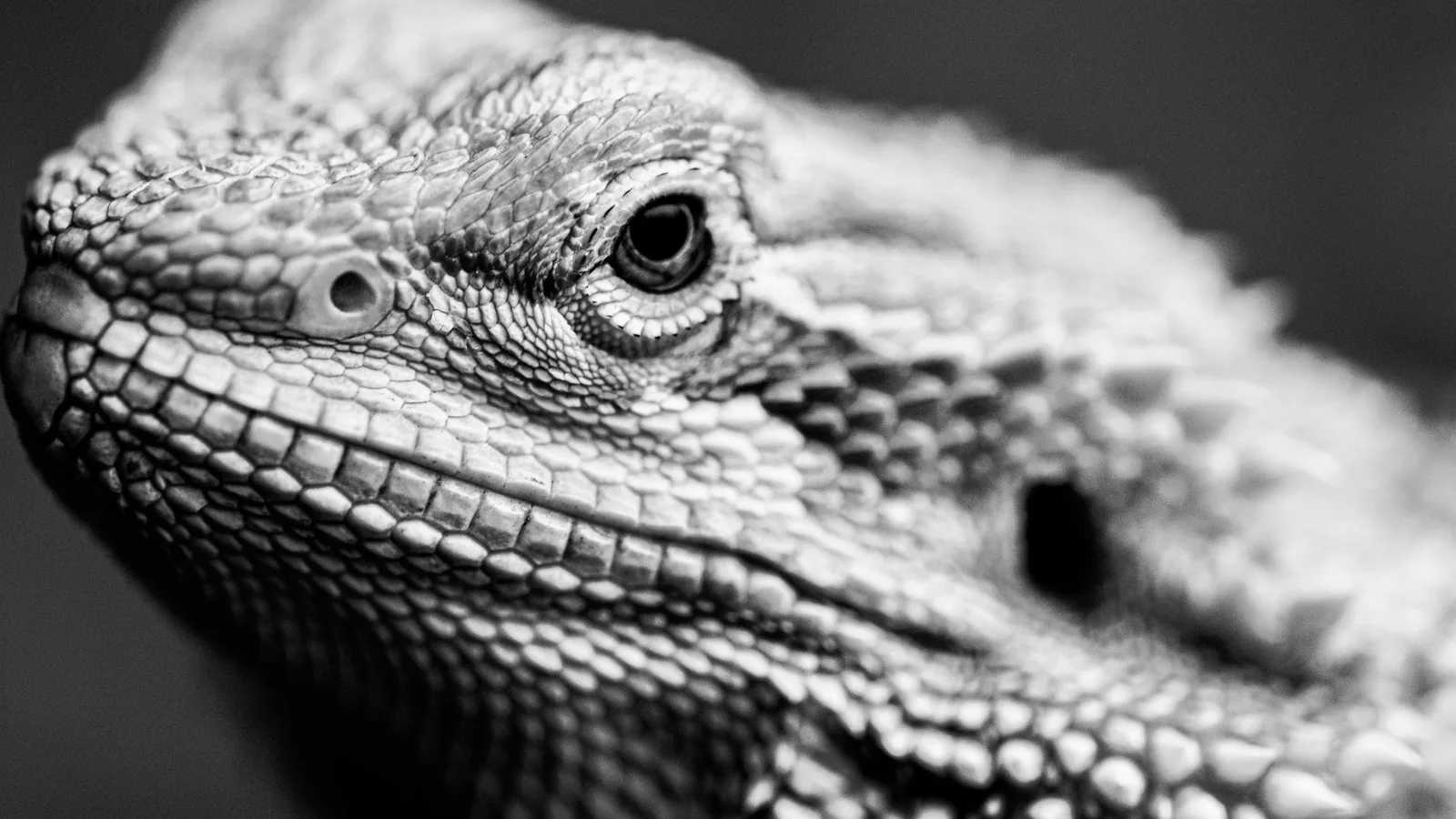
Bearded dragons are diurnal, omnivorous lizards from Australia. They are known for their calm demeanor and interactive behaviour, often seeking out human interaction. However, their requirements are more demanding than those of a leopard gecko. They require high-output UVB lighting to synthesize vitamin D3 and prevent metabolic bone disease (MBD), a common and devastating condition in captive reptiles. They need a large enclosure (minimum 75-120 gallons for an adult) and a varied diet of insects and vegetables. Lifespan is 8-12 years.
Corn Snake (Pantherophis guttatus)
Corn snakes are an excellent first snake choice. They are non-venomous, generally docile, and have simple husbandry needs. They require a secure enclosure with a temperature gradient, a hide box, and a diet of appropriately sized frozen-thawed rodents. Corn snakes are known for their good feeding response and hardy nature. They can live 15-20 years and reach 4-5 feet in length.
Crested Gecko (Correlophus ciliatus)
Crested geckos are arboreal, nocturnal lizards from New Caledonia. They have become extremely popular due to their ease of feeding; they thrive on a commercially prepared powdered diet (e.g., Repashy or Pangea) mixed with water, eliminating the need for live insects (though insects are beneficial). They require moderate humidity and do not need high temperatures. They are generally docile but can be jumpy. Lifespan is 15-20 years.
Species to Avoid for Beginners
The ARAV and experienced veterinarians strongly advise against certain species for first-time owners due to their complex needs, potential danger, or susceptibility to disease. These include:
- **Iguanas (Iguana iguana):** Grow very large (5-6 feet), require massive enclosures, have complex dietary needs, and can become aggressive.
- **Chameleons (e.g., Chamaeleo calyptratus):** Extremely sensitive to stress, require precise humidity and hydration, and are prone to multiple health issues.
- **Large Constrictors (e.g., Python regius - Ball Python, though often recommended, can be problematic for beginners due to feeding strikes; larger species like Boas are too large and strong):** Require large enclosures, specialized heating, and can pose a safety risk.
- **Aquatic Turtles (e.g., Trachemys scripta elegans - Red-eared Slider):** Require large, complex aquatic setups with powerful filtration, and are carriers of Salmonella.
Cluster 2: Cost Analysis
The initial and ongoing costs of reptile ownership are significant and often underestimated.
Initial Setup Costs
| Item | Estimated Cost (USD) |
|---|---|
| Enclosure (glass terrarium or PVC) | $100 - $500+ |
| Heating (heat mat, ceramic heat emitter, or basking bulb) | $30 - $100 |
| Thermostat (essential for safety) | $30 - $80 |
| Lighting (UVB bulb and fixture for diurnal species) | $50 - $150 |
| Substrate (paper towels, reptile carpet, bioactive soil) | $10 - $40 |
| Hides and decor | $20 - $60 |
| Water and food bowls | $10 - $20 |
| Hygrometer and thermometer | $10 - $20 |
| Total Initial Setup | $260 - $970+ |
Ongoing Costs
| Item | Monthly Cost (USD) |
|---|---|
| Food (insects, rodents, vegetables) | $20 - $60 |
| Supplements (calcium with D3, multivitamin) | $5 - $15 |
| Substrate replacement | $5 - $20 |
| Electricity (heating and lighting) | $10 - $30 |
| Veterinary care (annual check-up, fecal exam) | $75 - $200 per visit |
| Total Monthly (excluding vet) | $40 - $125 |
Veterinary Costs
Reptile veterinary care is specialized and often more expensive than for dogs or cats. A consultation with a board-certified reptile veterinarian can cost $75-$150. Diagnostic tests, such as radiographs (X-rays) for MBD, blood work, or fecal analysis, add significant cost. Emergency care for conditions like egg binding, respiratory infections, or trauma can easily exceed $500-$1000. The ARAV recommends an annual wellness examination, including a physical exam and fecal parasite screening.
Cluster 3: Commitment and Lifespan
The long-term commitment required for reptile ownership cannot be overstated. Many species live for decades, and owners must plan for this.
| Species | Average Lifespan | Commitment Level |
|---|---|---|
| Leopard Gecko | 15-20 years | Moderate |
| Bearded Dragon | 8-12 years | High |
| Corn Snake | 15-20 years | Moderate |
| Crested Gecko | 15-20 years | Moderate |
| Red-eared Slider | 20-40+ years | Very High |
| Ball Python | 20-30 years | High |
| Green Iguana | 15-20 years | Very High |
Owners must consider life changes such as moving, financial constraints, or changes in personal health. Reptiles are not suitable pets for young children without direct adult supervision, as children may not understand the delicate nature of these animals. Reptiles are not "starter pets" to be abandoned when the novelty wears off. The AVMA and many animal welfare organizations emphasize the importance of responsible rehoming or lifelong care.
Cluster 4: Setup Overview
A proper enclosure setup is the foundation of reptile health. The goal is to replicate the animal's natural microclimate as closely as possible.
Enclosure Size and Type
The enclosure must be large enough to provide a thermal gradient (a warm side and a cool side) and allow for natural behaviours like basking, hiding, and exploring. A common rule of thumb is that the enclosure length should be at least 1.5-2 times the animal's total length. For diurnal species like bearded dragons, a front-opening enclosure (e.g., PVC or wooden vivarium) is superior to a glass aquarium as it retains heat and humidity better and reduces stress.
Heating and Temperature Gradient
Reptiles are ectothermic and require an external heat source to achieve their preferred body temperature for digestion, immune function, and activity. A thermal gradient is critical:
- Basking spot: A localized hot spot (e.g., 95-105°F for a bearded dragon) achieved with a basking bulb.
- Warm side: The ambient temperature on the warm side (e.g., 85-90°F).
- Cool side: The ambient temperature on the cool side (e.g., 75-80°F).
- Nighttime drop: A temperature drop of 5-10°F at night is natural and beneficial.
All heat sources must be connected to a thermostat to prevent overheating and burns. Heat mats (under-tank heaters) are suitable for nocturnal species like leopard geckos but are ineffective for diurnal basking species.
Lighting and UVB
For diurnal reptiles (bearded dragons, crested geckos, many skinks), UVB lighting is non-negotiable. UVB light (wavelength 290-315 nm) enables the synthesis of vitamin D3 in the skin, which is essential for calcium absorption. Without UVB, reptiles develop metabolic bone disease (MBD), a painful and often fatal condition characterized by soft, deformed bones, tremors, and paralysis. The ARAV recommends using linear fluorescent or mercury vapor UVB bulbs, replaced every 6-12 months as output degrades. Nocturnal reptiles like leopard geckos do not require UVB, but recent evidence suggests low-level UVB may still be beneficial for overall health.
Humidity and Hydration
Humidity requirements vary dramatically between species. Desert-dwelling species (leopard geckos, bearded dragons) require low humidity (30-40%), while tropical species (crested geckos, green tree pythons) require high humidity (60-80%). Inaccurate humidity can lead to dysecdysis (difficulty shedding) and respiratory infections. A digital hygrometer is essential for monitoring. A shallow water dish should always be provided, and many species benefit from occasional misting or a humid hide (a hide box with damp sphagnum moss) to aid shedding.
Substrate and Enrichment
Substrate choice should be safe and species-appropriate. For beginners, paper towels or reptile carpet are excellent choices as they are non-ingestible and easy to clean. Loose substrates like sand, bark, or coconut coir can be used for species that require burrowing (e.g., leopard geckos) but carry a risk of impaction if ingested. Enrichment is vital for mental and physical health. Provide multiple hides (at least one on the warm side and one on the cool side), climbing branches, rocks, and artificial plants. The VCA Animal Hospitals emphasize that a barren enclosure leads to chronic stress and illness.
Nutritional Requirements
Reptile nutrition is species-specific and often misunderstood.
Insectivores (Leopard Geckos, Bearded Dragons, Crested Geckos)
- Gut-loading: All feeder insects must be fed a nutritious diet (gut-loaded) for 24-48 hours before being offered to the reptile. This ensures the insect is a nutritious meal, not just an empty shell.
- Supplementation: Insects must be dusted with a calcium supplement (with vitamin D3 for most species) at every feeding for juveniles and every other feeding for adults. A multivitamin supplement should be used once or twice weekly.
- Variety: Offer a variety of insects (crickets, dubia roaches, black soldier fly larvae, mealworms) to ensure a balanced nutrient profile. Avoid feeding wild-caught insects due to pesticide exposure.
Herbivores/Omnivores (Bearded Dragons, Uromastyx)
- Vegetables: The bulk of the diet should consist of dark, leafy greens (collard greens, mustard greens, dandelion greens, endive). Avoid spinach, kale, and lettuce (nutritionally poor).
- Fruits: Offer as occasional treats (e.g., berries, mango, papaya) due to high sugar content.
- Insects: For omnivores like bearded dragons, insects should make up 20-30% of the diet for adults.
Carnivores (Corn Snakes, Ball Pythons)
- Rodents: Feed frozen-thawed rodents of appropriate size (roughly the same width as the snake's widest body part). Never feed live rodents due to the risk of injury to the snake.
- Frequency: Juveniles feed every 5-7 days; adults every 10-14 days.
Common Health Problems and Prevention
Preventive husbandry is the most effective way to avoid disease. The following conditions are commonly seen in captive reptiles:
- Metabolic Bone Disease (MBD): Caused by insufficient UVB or calcium. Prevention: proper UVB lighting and calcium supplementation.
- Respiratory Infections: Often due to low temperatures or high humidity. Signs include open-mouth breathing, wheezing, and nasal discharge. Treatment requires veterinary intervention with antibiotics.
- Dysecdysis (Abnormal Shedding): Usually due to low humidity or dehydration. Provide a humid hide and ensure proper hydration.
- Parasites (Internal and External): Mites, ticks, and intestinal worms are common. Annual fecal examinations by a veterinarian are recommended.
- Stomatitis (Mouth Rot): A bacterial infection of the mouth, often secondary to stress or poor husbandry. Requires veterinary treatment.
- Egg Binding (Dystocia): A life-threatening condition where a female cannot pass eggs. Common in leopard geckos and bearded dragons. Requires immediate veterinary care.
Zoonotic Disease Considerations
Reptiles are known carriers of Salmonella bacteria, which can be transmitted to humans through direct or indirect contact. The CDC and AVMA emphasize strict hygiene protocols: always wash hands thoroughly with soap and water after handling the reptile, its enclosure, or any equipment. Reptiles should not be kept in homes with children under 5 years, elderly individuals, or immunocompromised persons. The enclosure should never be cleaned in the kitchen sink.
Regional Considerations
United States and Canada
In North America, reptile ownership is widespread, and many veterinary schools offer exotic animal training. The ARAV provides a directory of reptile veterinarians. In Canada, the CVMA and CFIA regulate the importation of certain species to prevent the introduction of invasive species and diseases.
Europe
The Federation of Veterinarians of Europe (FVE) and the European Food Safety Authority (EFSA) provide guidelines on reptile welfare. The EU has strict regulations on the trade of certain species under CITES (Convention on International Trade in Endangered Species). In the UK, the Animal Welfare Act 2006 requires owners to provide for the five welfare needs of their reptiles.
Australia
Australia has some of the strictest reptile ownership laws in the world. Native reptiles (e.g., bearded dragons, blue-tongue skinks) can be kept with a license, but exotic species are generally prohibited. The Australian Veterinary Association (AVA) and the Department of Agriculture, Fisheries and Forestry (DAFF) regulate reptile keeping to protect native biodiversity and prevent zoonotic disease.
Conclusion
Choosing your first pet reptile is a rewarding but significant responsibility. Success hinges on thorough research, proper financial planning, and a commitment to providing species-appropriate husbandry for the animal's entire lifespan. By selecting a beginner-friendly species, investing in a correct setup, and establishing a relationship with a qualified reptile veterinarian, you can ensure a healthy and enriching life for your new companion. Always consult the ARAV, the Merck Veterinary Manual, and your local veterinary professionals for the most current and evidence-based care guidelines.
Related Clinical & Scientific Guides
- Signs of Illness in Reptiles and When to See a Vet
- Turtle Tank Water Quality: Maintaining a Healthy Aquatic Environment
- Milk Snake Care Guide
References
Association of Reptilian and Amphibian Veterinarians (ARAV). Reptile and Amphibian Care Guidelines. arav.org. Merck Veterinary Manual. Exotic and Laboratory Animals: Reptiles. merckvetmanual.com. VCA Animal Hospitals. Reptile Care Guides. vcahospitals.com. American Veterinary Medical Association (AVMA). Reptile Ownership: What You Should Know. avma.org. Canadian Veterinary Medical Association (CVMA). Exotic Pet Care Guidelines. canadianveterinarians.net. Australian Veterinary Association (AVA). Keeping Reptiles as Pets. ava.com.au. Federation of Veterinarians of Europe (FVE). Reptile Welfare Guidelines. fve.org. Centers for Disease Control and Prevention (CDC). Salmonella and Reptiles. cdc.gov. ReptiFiles. Evidence-Based Reptile Husbandry Guides. reptifiles.com. Cornell College of Veterinary Medicine. Reptile Health and Disease. vet.cornell.edu.