Can Bearded Dragons Eat Okra? Fresh, Frozen, and How Often
By Dr. Zubair Khalid, DVM, MS, PhD ·
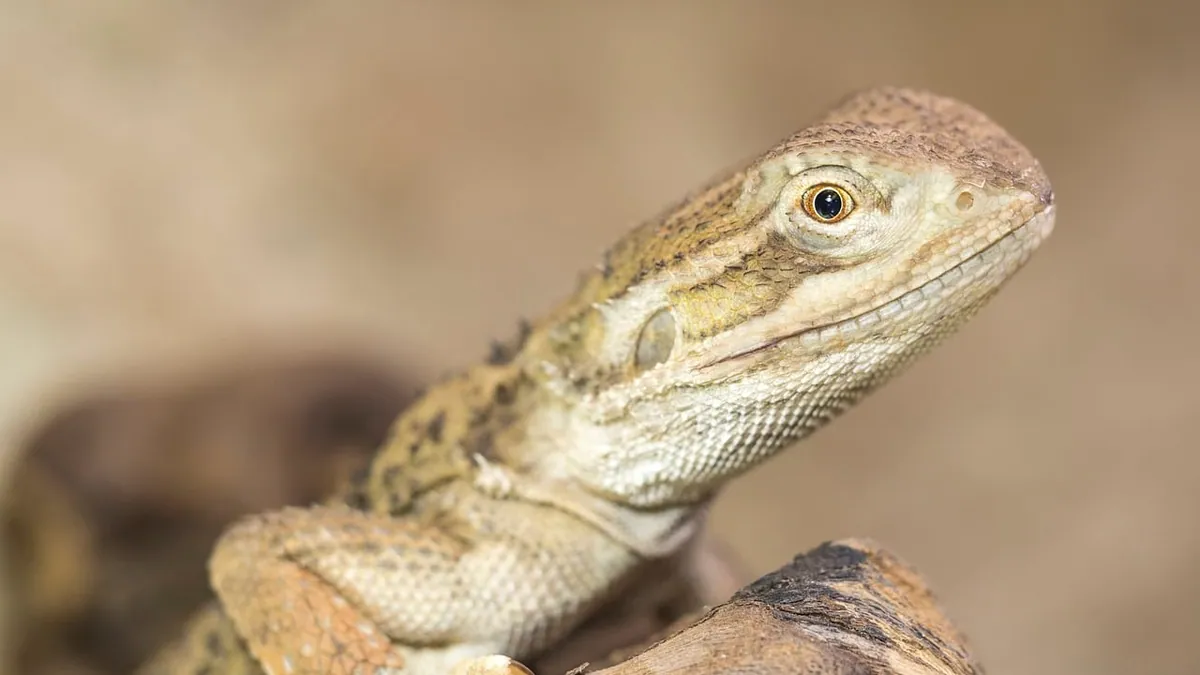
Can bearded dragons eat okra? Yes, they can eat okra in small amounts, as long as you prepare it safely and keep it as an occasional part of a varied salad. Okra is not a staple green for bearded dragons, and it should never replace the dark leafy greens and insects that make up most of their diet. This article is educational and is not a substitute for veterinary diagnosis or treatment.
Quick Answer
- Plain, cooked okra is safe for bearded dragons in small pieces, but raw okra is tough and hard to chew.
- Serve only the pod, cut into beard-length pieces, with no oil, salt, garlic, onion, breading, or seasoning.
- Treat okra as an occasional salad extra, not a daily green, because it is high in oxalates.
- Frozen okra is fine only if it is plain and thawed or cooked, with no added sauces or spices.
- If your dragon ate a large amount or any seasoned, fried, or processed okra, call your veterinarian or a poison control service right away.
Can Bearded Dragons Have Okra? The Short Answer
Yes, bearded dragons can have okra, but it belongs in the "sometimes" column. Okra is a flowering plant pod that people eat as a vegetable. It is not toxic to bearded dragons, and many will nibble it when it is offered in a proper salad mix.
The catch is how you serve it and how much you give. Bearded dragons are omnivores that lean toward plant matter as adults, but their digestive tract is built for a high-fiber, low-fat diet of leafy greens and insects. Okra is a decent source of fiber and some vitamins, but it also contains oxalates, which can bind calcium and reduce how much your dragon absorbs. That matters because bearded dragons are prone to metabolic bone disease when calcium balance is off.
Okra should be a garnish, not a meal. Think of it as a small flavor and texture change in a salad that is mostly collard greens, mustard greens, turnip greens, dandelion greens, and squash.
What Is in Okra, and Does It Help?
Okra pods are mostly water and fiber. They provide small amounts of vitamin C, vitamin K, folate, and magnesium. For a bearded dragon, the main practical benefit is fiber, which supports gut movement and stool quality.
Bearded dragons are herbivorous lizards, and their digestion works differently from mammals. In one comparison, herbivorous lizards had much slower food passage times than herbivorous mammals eating the same diet, with food moving through in days instead of hours [1]. That slow transit is normal for reptiles, but it also means a large load of any new food can sit in the gut and cause bloating or loose stools.
Fiber from plants can help, but too much of the wrong kind can also bind minerals. Okra is not a calcium powerhouse. It has more oxalate than calcium, so it does not help correct a calcium deficiency and may work against you if you feed it often.
There is no evidence that okra treats any disease in bearded dragons. It is a food, not a medicine. If your dragon has a diagnosed calcium or kidney problem, ask your veterinarian before adding okra or any high-oxalate food.
Risks of Feeding Okra to Bearded Dragons
Oxalates and Calcium Binding
Oxalates are natural compounds in many plants, including okra. They bind calcium in the gut so less of it gets absorbed. Over time, a diet high in oxalates and low in calcium can contribute to weak bones, tremors, and other signs of metabolic bone disease. This is why okra should stay occasional and why you should still dust appropriate meals with a calcium supplement as your veterinarian directs.
Choking and Impaction
Raw okra is firm and fibrous. A whole pod or a large chunk can be hard for a bearded dragon to chew and swallow. Pieces that are too big can lodge in the mouth or throat, and tough plant material can contribute to impaction if your dragon is dehydrated or already having digestive trouble. Always cut okra into pieces no longer than the space between your dragon's eyes.
GI Upset
Any new food can cause loose stools, bloating, or a change in appetite. Because bearded dragons digest food slowly [1], a sudden large serving of okra may sit in the gut and cause discomfort. Introduce it in a very small amount and watch the next few stools.
Dangerous Additives
This is the biggest real risk. Okra is often served fried, pickled, canned, or stewed with ingredients that are harmful to reptiles.
- Salt and salty seasonings can cause dehydration and electrolyte problems.
- Garlic and onion can damage red blood cells and cause anemia in many animals.
- Xylitol, a sugar alcohol in some sugar-free products, can cause dangerous hypoglycemia in dogs and is not safe for reptiles.
- Oil, butter, and breading add fat that a bearded dragon's liver and gut are not built to handle.
- Pickled or canned okra often contains vinegar, sugar, and preservatives that are not appropriate.
If the okra touched any of these, do not feed it.
Microplastics and Contaminants
A study of a wild lizard species found microplastic particles in about 19 percent of the animals examined, mostly as fibers [2]. This is a reminder that environmental contaminants can end up in reptile guts. You cannot remove all risk, but you can reduce it by washing produce well and avoiding plastic packaging when you store food.
How to Offer Okra Safely
Safe Preparation
- Choose fresh, firm okra pods with no mold or slime.
- Rinse under running water and rub the surface to remove dirt and residue.
- Trim the stem end and any hard tips.
- Cook it plain by steaming, boiling, or baking with no oil, salt, or seasoning. Cooking softens the fiber and makes it easier to chew.
- Let it cool to room temperature.
- Cut into small pieces, no bigger than the space between your dragon's eyes.
- Place a few pieces on top of a salad that is mostly safe dark leafy greens.
Serving Size and Frequency
Offer okra once or twice a week at most, and only a few small pieces per serving. It should make up a tiny fraction of the salad. A good rule is that okra should never be more than about 10 percent of the plant portion of a meal, and the rest should be staple greens and vegetables.
For a full breakdown of what belongs on the plate, see Bearded Dragon Diet: Safe Foods, Insects, and Greens.
Parts and Preparations to Avoid
| Form | Safe? | Notes |
|---|---|---|
| Fresh raw pod | No, not recommended | Too tough and fibrous, choking risk |
| Plain cooked pod | Yes, small amounts | Steam, boil, or bake with no additives |
| Frozen plain okra | Yes, if plain | Thaw or cook, then cut small |
| Canned or pickled okra | No | Salt, vinegar, sugar, preservatives |
| Fried or breaded okra | No | Oil, batter, salt, possible onion or garlic |
| Okra with garlic or onion | No | Can damage red blood cells |
| Okra with xylitol or sugar-free sauce | No | Xylitol is dangerous |
| Okra leaves | No | Not a safe or studied food for this species |
Frozen Okra
Can bearded dragons eat frozen okra? Yes, if it is plain frozen okra with no added salt, sauce, or seasoning. Thaw it fully, then cook it plain or serve it thawed and cut small. Do not microwave it with a seasoning packet. Do not serve it still frozen, because cold food can drop your dragon's body temperature and slow digestion further.
What to Do If Your Bearded Dragon Ate Too Much Okra
If your dragon ate a large amount of plain okra, remove the rest and watch for bloating, loose stools, or refusal to eat. Offer fresh water and normal basking heat. Most mild upset resolves in a day or two.
If your dragon ate fried, salted, pickled, or garlic and onion okra, treat it as a possible poisoning. Call your veterinarian or an animal poison control service right away. Have the amount eaten, the ingredients, and your dragon's weight ready. Do not wait for symptoms.
If your dragon is gagging, breathing with the mouth open, or has something stuck in the mouth, go to an emergency clinic now.
Safer Alternatives to Okra
If you want to add variety to the salad bowl, these are better choices:
- Collard greens, mustard greens, turnip greens, and dandelion greens
- Escarole, endive, and arugula
- Butternut squash and acorn squash
- Bell pepper and zucchini in small amounts
- Prickly pear pad (nopales) in small amounts
For insects, stick with well-fed staples. Dubia roaches are a strong option when they are gut-loaded properly. See Dubia Roaches as a Staple Feeder Insect for Bearded Dragons: Nutritional Analysis and Gut-Loading Protocols.
If you are still deciding whether a bearded dragon is right for your home, read Is a Bearded Dragon a Good Pet for Beginners?.
Limitations and When to Contact a Veterinarian
This article covers general feeding guidance. It cannot tell you what is right for your individual dragon. Your veterinarian needs to examine your pet, review the diet, and check calcium status, hydration, and stool quality.
Contact your veterinarian the same day if:
- Your dragon ate a large amount of okra or any seasoned, fried, or pickled okra.
- You see vomiting, diarrhea, bloating, or a sudden drop in appetite.
- Your dragon seems weak, shaky, or unable to grip.
- Your dragon's stool changes color or texture and does not return to normal within a day.
Go to an emergency clinic now if:
- Your dragon is gasping, breathing with the mouth open, or has something stuck in the throat.
- Your dragon is limp, unresponsive, or having seizures.
- Your dragon has not eaten or passed stool for several days and is bloated.
Schedule a routine visit if:
- You want to change the diet or add new foods.
- Your dragon has a history of metabolic bone disease or kidney problems.
- You are unsure whether the calcium and UVB setup is correct.
For more on common health problems and what to watch for, see Bearded Dragon Lifespan and Common Health Problems.
Frequently Asked Questions
Can bearded dragons eat okra every day?
No, okra should not be a daily food. It is high in oxalates, which can interfere with calcium absorption, and it does not provide enough nutrition to be a staple green. Offer it once or twice a week at most, in small pieces, as part of a varied salad.
Can bearded dragons eat fresh okra raw?
Raw okra is not a good choice because the pod is tough and fibrous. A bearded dragon can have trouble chewing and swallowing it, and large pieces can pose a choking risk. Cook it plain first, then cut it into small pieces.
Can bearded dragons eat frozen okra?
Plain frozen okra is safe if you thaw or cook it and serve it without any added salt, sauce, or seasoning. Avoid frozen okra blends that contain onion, garlic, breading, or butter. Serve it in small pieces and only occasionally.
How often can bearded dragons eat okra?
Treat okra as an occasional extra, not a routine food. A few small pieces once or twice a week is plenty for most healthy adult dragons. Juveniles and dragons with health problems should get even less, and you should ask your veterinarian first.
What happens if a bearded dragon eats too much okra?
A large amount of plain okra may cause bloating, loose stools, or a temporary loss of appetite. If the okra was fried, salted, pickled, or contained garlic or onion, call your veterinarian or an animal poison control service right away. Watch for weakness, tremors, or breathing trouble and seek emergency care if those appear.
Related Articles
- Bearded Dragon Diet: Safe Foods, Insects, and Greens
- Bearded Dragon Lifespan and Common Health Problems
- Can Dogs Eat Dragon Fruit? Pitaya and Seed Digestibility
- Is a Bearded Dragon a Good Pet for Beginners?
- Dubia Roaches as a Staple Feeder Insect for Bearded Dragons: Nutritional Analysis and Gut-Loading Protocols
- Bearded Dragon Lifespan: What to Expect and How to Maximize It
- Can Bearded Dragons Eat Kale? How Much and How Often
- Can Bearded Dragons Eat Carrots? Prep, Frequency, and Risks
- Can Bearded Dragons Eat Spinach? Oxalate Risks
References
- How do food passage rate and assimilation differ between herbivorous lizards and nonruminant mammals?. Journal of comparative physiology. B, Biochemical, systemic, and environmental physiology, 1986.
- Characterization of Ingested Microplastics in a Regional Endemic Lizard Apathya cappadocica (Werner, 1902) from Türkiye. Biology, 2025.