Can Bearded Dragons Eat Isopods? Feeder Safety
By Dr. Zubair Khalid, DVM, MS, PhD ·
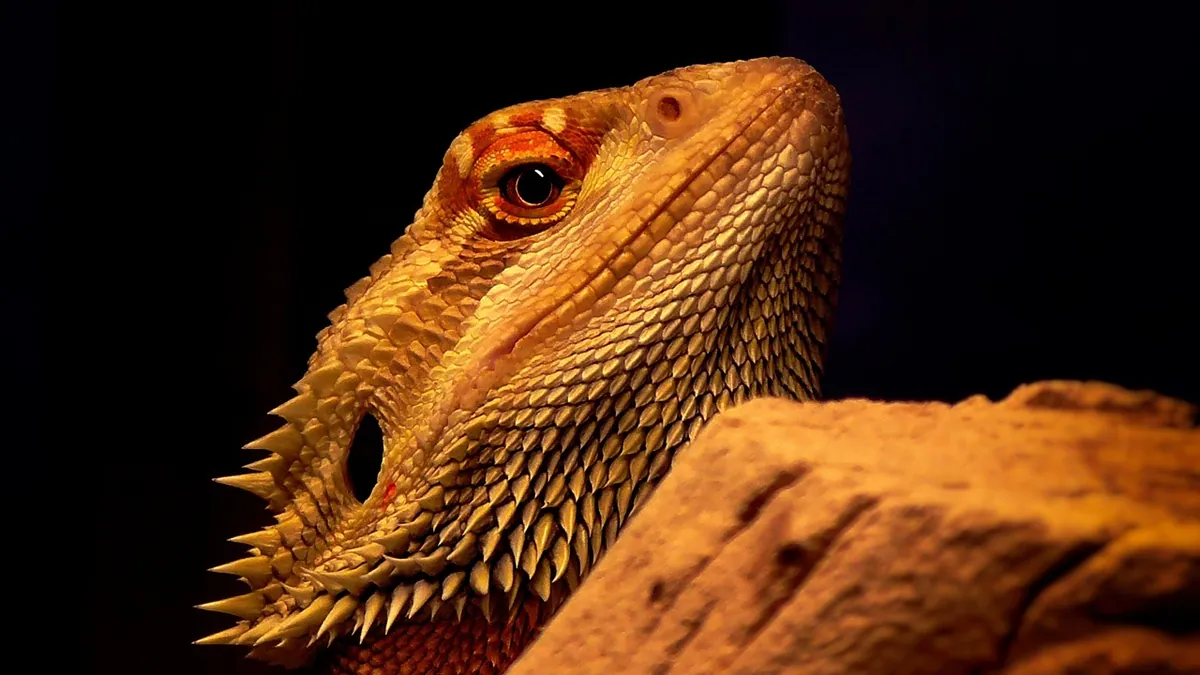
Yes, bearded dragons can eat isopods. These small crustaceans are a safe occasional feeder when they come from a clean, captive-bred source. They should never replace staple insects like dubia roaches or crickets, but they add variety and enrichment to your dragon's diet.
This article is educational and is not a substitute for veterinary diagnosis or treatment.
Quick Answer
- Isopods are safe for bearded dragons as an occasional treat, not a dietary staple.
- Captive-bred isopods from a clean colony are the only safe option. Wild-collected isopods can carry parasites and pesticides.
- Offer isopods no more than once or twice a week, and keep them smaller than the space between your dragon's eyes.
- Dust isopods with a calcium supplement before feeding, since their calcium-to-phosphorus ratio is not ideal on its own.
- Watch for signs of impaction or digestive upset after any new feeder, and stop if you see problems.
Can Bearded Dragons Eat Isopods? The Short Answer
Isopods are land-dwelling crustaceans, often called pill bugs, sow bugs, or roly-polys. They are not insects, but they fill a similar role as a feeder. Bearded dragons are opportunistic omnivores in the wild and will eat a wide range of small invertebrates. Isopods fit that pattern.
The main concern is not whether your dragon can eat them. It is where the isopods come from and how often you offer them. A clean, captive-bred isopod is a reasonable occasional feeder. A wild isopod scooped from your garden is a risk you should not take.
Do Bearded Dragons Eat Isopods in the Wild?
Bearded dragons in their native Australia eat a mix of insects, small vertebrates, and plant matter. Isopods are not a major part of their natural diet, but small ground-dwelling invertebrates are fair game. Your dragon may or may not show interest the first time you offer one. Some dragons take to isopods immediately. Others ignore them.
If your dragon ignores isopods, that is fine. They are optional. The core of a healthy diet is staple insects and appropriate greens. For a full breakdown of what belongs on the menu, see Bearded Dragon Diet: Safe Foods, Insects, and Greens.
Can Bearded Dragons Eat Dairy Cow Isopods?
Dairy cow isopods (Porcellio laevis) are one of the most common isopod species kept in captivity. They breed quickly and are easy to culture. They are safe for bearded dragons as an occasional feeder, with two caveats.
First, dairy cow isopods grow larger than many other isopod species. Choose juveniles or small adults that fit comfortably between your dragon's eyes. A feeder that is too large raises the risk of choking or impaction.
Second, dairy cow isopods are often kept in humid, protein-rich colonies. That environment can harbor bacteria and mold if the colony is not maintained well. Buy from a seller who keeps clean cultures and ships healthy animals.
Isopods as a Bearded Dragon Feeder: Nutrition Basics
Isopods are high in protein and moisture. They also contain some calcium, which is unusual for a feeder invertebrate. That said, the calcium-to-phosphorus ratio is not balanced enough to meet your dragon's needs alone. You still need to dust them with a calcium supplement.
For comparison, house crickets have an inverse calcium-to-phosphorus ratio of about 0.15:1 and low calcium content [1]. Isopods are better than crickets on this measure, but they are not a complete calcium source. Think of them as a supplement to a well-planned diet, not a replacement for proper supplementation.
How to Source Isopods Safely
Sourcing is the single most important safety step. Here is how to do it right.
Buy Captive-Bred Only
Purchase isopods from a reputable breeder or a trusted reptile supply seller. Ask whether the colony is captive-bred and what substrate it is kept on. Avoid isopods collected from gardens, compost piles, or the wild. Wild isopods can carry parasites, pesticides, and heavy metals.
Quarantine New Arrivals
Set up a small holding container for new isopods before feeding them to your dragon. Keep them for a few days and watch for dead or sluggish animals. Remove any dead isopods immediately. A clean colony should be active and free of mold.
Gut-Load Before Feeding
Feed your isopods a nutritious diet for 24 to 48 hours before offering them to your dragon. Good options include leafy greens, carrot, and a calcium-rich gut-loading powder. This step improves the nutritional value of the feeder. For more on isopod nutrition, see Isopod Diet and Nutrition: Feeding Your Pet Isopods.
Rinse and Dust
Rinse isopods in lukewarm water to remove substrate. Pat them dry, then dust with a calcium supplement. Offer them in a shallow dish so your dragon can catch them easily.
Feeding Schedule and Comparison Table
Use this table to see how isopods fit alongside your dragon's staple feeders.
| Feeder | Role in Diet | Frequency | Notes |
|---|---|---|---|
| Dubia roaches | Staple | Several times per week | Excellent protein, easy to gut-load |
| Crickets | Staple | Several times per week | Can act as mechanical vectors for coccidia [2] |
| Superworms | Occasional | 1 to 2 times per week | Higher fat, lower passage of coccidia than crickets |
| Isopods | Occasional treat | 1 to 2 times per week | Captive-bred only, dust with calcium |
| Hornworms | Occasional treat | 1 to 2 times per week | High moisture, low nutritional density |
For staple insect guidance, see Dubia Roaches as a Staple Feeder Insect for Bearded Dragons: Nutritional Analysis and Gut-Loading Protocols.
Sample Weekly Plan
- Monday: Dubia roaches, dusted with calcium
- Tuesday: Greens and vegetables
- Wednesday: Crickets, dusted with calcium
- Thursday: Greens and vegetables
- Friday: Isopods, dusted with calcium
- Saturday: Dubia roaches, dusted with calcium
- Sunday: Greens and vegetables
Adjust portions based on your dragon's age, weight, and activity level. Juveniles need more protein than adults. Your veterinarian can help you set a target.
Signs That Something Is Wrong
Watch your dragon closely after introducing any new feeder. Call your veterinarian if you notice any of these signs.
- Refusing food for more than a day or two
- Vomiting or regurgitating after eating
- Lethargy or unusual hiding
- Swollen abdomen or straining to defecate
- Changes in stool color, consistency, or frequency
- Weight loss over several weeks
Digestive upset after a new feeder can point to impaction, infection, or a reaction to something the feeder carried. Do not wait to see if it resolves on its own.
Common Mistakes with Isopods as Bearded Dragon Food
Feeding Wild-Collected Isopods
This is the most dangerous mistake. Wild isopods can carry parasites and toxins. Never feed them to your dragon.
Offering Isopods Too Often
Isopods are not a staple. Feeding them daily can crowd out more balanced feeders and lead to nutritional gaps.
Skipping Calcium Dusting
Isopods contain some calcium, but not enough. Always dust them before feeding.
Using Oversized Isopods
A feeder that is too large can cause choking or impaction. Match the size to the space between your dragon's eyes.
Ignoring Feeder Hygiene
Feeder insects can act as mechanical vectors for coccidia, which can cause serious disease in bearded dragons [2]. Crickets showed the highest passage rates for both Isospora amphiboluri and Choleoeimeria pogonae in one study, followed by dubia roaches, with superworms showing the lowest rates [2]. This does not mean you should avoid crickets, but it does mean strict hygiene matters. Wash your hands, clean feeder dishes, and remove uneaten insects promptly.
Supplies and Setup That Matter for Health
A few supplies make isopod feeding safer and easier.
- A small holding container with ventilation for quarantining new isopods
- A shallow feeding dish that your dragon can access easily
- A calcium supplement with vitamin D3, used per your veterinarian's guidance
- A kitchen scale to track your dragon's weight
- A journal or app to log feedings and any changes in behavior
Keep your dragon's enclosure clean and free of uneaten feeders. Crickets and other insects can bite your dragon if left in the tank overnight. Remove any uneaten isopods after a few hours.
Limitations and When to Contact a Veterinarian
Isopods are a safe occasional feeder for most healthy bearded dragons. They are not appropriate for every dragon, and individual cases need a veterinarian. Dragons with a history of impaction, gastrointestinal disease, or immune problems may need a different feeding plan.
Contact your veterinarian the same day if your dragon:
- Vomits or regurgitates after eating isopods
- Shows signs of choking or difficulty breathing
- Has a swollen or painful abdomen
- Stops eating for more than 48 hours
- Has bloody or unusually foul-smelling stool
Go to an emergency veterinary hospital immediately if your dragon:
- Cannot breathe or is gasping
- Has a prolapse (tissue protruding from the vent)
- Collapses or cannot right itself
- Shows severe lethargy or unresponsiveness
Schedule a routine visit if your dragon:
- Has gradual weight loss over several weeks
- Shows a change in appetite or activity that lasts more than a few days
- Has never had a baseline wellness exam
A veterinarian who treats reptiles can assess your dragon's overall health and help you build a feeding plan that fits its needs. For general care guidance, see Complete Bearded Dragon Care Guide.
Frequently Asked Questions
Can bearded dragons eat isopods every day?
No, isopods should not be a daily feeder. Offer them once or twice a week at most, and keep staple insects like dubia roaches as the main protein source. Daily isopod feeding can lead to nutritional gaps and crowding out more balanced foods.
Are dairy cow isopods safe for bearded dragons?
Yes, dairy cow isopods are safe as an occasional feeder when they are captive-bred and properly sized. Choose smaller individuals that fit between your dragon's eyes. Dust them with calcium before feeding.
Do bearded dragons eat isopods in the wild?
Bearded dragons are opportunistic eaters and will consume small ground-dwelling invertebrates, including isopods, when they encounter them. Isopods are not a major part of their natural diet. In captivity, they work best as a supplemental feeder.
Can isopods give my bearded dragon parasites?
Isopods themselves are not a known source of the common bearded dragon parasites, but any feeder can carry pathogens if it is kept in unsanitary conditions. Feeder insects can act as mechanical vectors for coccidia, so strict hygiene is essential [2]. Always buy from clean, captive-bred sources.
How many isopods should I feed my bearded dragon?
There is no fixed number that applies to every dragon. A few small isopods once or twice a week is a reasonable starting point for an adult. Your veterinarian can help you set a portion size based on your dragon's weight, age, and health.
Related Articles
- Dubia Roaches as a Staple Feeder Insect for Bearded Dragons: Nutritional Analysis and Gut-Loading Protocols
- Bearded Dragon Diet: Safe Foods, Insects, and Greens
- Isopod Diet and Nutrition: Feeding Your Pet Isopods
- Understanding the Wild Bearded Dragon: Natural Habitat and Behavioral Insights
- Complete Bearded Dragon Care Guide
- Calcium Supplementation for Bearded Dragons: Preventing Metabolic Bone Disease
- Can Bearded Dragons Eat Hornworms? Safety and Feeding Rules
- Can Bearded Dragons Eat Wild Insects and Plants Outside?
- Can Bearded Dragons Eat Seeds? Pumpkin, Fruit, and Nut Seeds
References
- Effects of Two Different Dietary Calcium Concentrations on Bone Density and Skin Microbiome in Lemur Tree Frogs (Agalychnis lemur). Animals : an open access journal from MDPI, 2026.
- Feeder insects differ in passage of coccidian oocysts in captive reptiles. Parasitology, 2025.