Bearded Dragon Constipation: How to Help Him Poop
By Dr. Zubair Khalid, DVM, MS, PhD ·
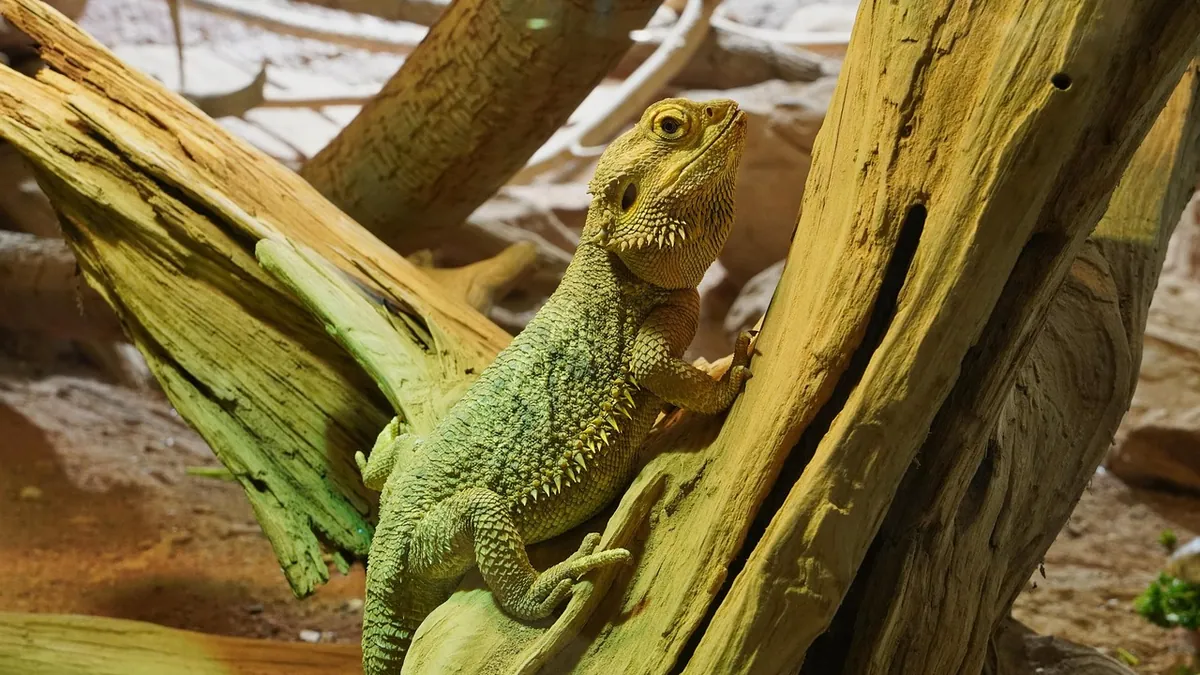
Bearded dragon constipation is usually a short-term problem you can often help at home with warmth, water, and a check of his setup. The trick is knowing when a missed poop is simple constipation and when it is impaction, which is a medical emergency. This guide walks you through how to help a bearded dragon with constipation safely and when to call a vet.
This article is educational and is not a substitute for veterinary diagnosis or treatment.
Quick Answer
- Warm bath first. Soak your dragon in shallow, lukewarm water for 10 to 15 minutes. Warmth and hydration often get things moving.
- Check hydration. Offer fresh water and mist his greens. A dehydrated dragon has dry, hard stool that is painful to pass.
- Review the diet. Too many hard-shelled insects, too little fiber, or prey that is too large can slow the gut.
- Check temperatures and lighting. A dragon that cannot warm up properly digests food slowly.
- Know the red flags. No poop for several days with a swollen belly, lethargy, or straining means a vet visit, not more home care.
What Is Constipation in a Bearded Dragon?
Constipation means stool is sitting in the lower bowel longer than normal and has become dry and hard. The dragon may still be eating and acting mostly normal, but the poop is overdue and difficult to pass.
Impaction is different and more serious. In impaction, something physically blocks the bowel. That can be a mass of hard, dry stool, a large undigested insect, or a swallowed object like substrate. The blockage stops normal movement, and the dragon can become very sick.
The two problems can look alike at first. A dragon with a mild slowdown may just need warmth and water. A dragon with a true blockage needs veterinary care. A published case report described a 2-year-old female bearded dragon who came to a vet with decreased activity, decreased appetite, and constipation, and imaging later found a bone lesion in the spine [1]. That case shows how a simple-sounding complaint can have a deeper cause, which is why a vet exam matters when signs do not improve.
Signs Owners Notice
Watch for changes in routine, not just a missing poop.
- No bowel movement for several days. A healthy adult dragon usually poops every one to three days, depending on age, diet, and temperature.
- Straining or tail lifting with no result. He may squat, strain, or lift his tail and nothing comes out.
- A swollen or firm belly. Gently feel the lower belly. A hard, distended abdomen is a warning sign.
- Lethargy and hiding. A constipated dragon often slows down and stops basking normally.
- Reduced appetite. He may refuse food or eat much less.
- Back leg weakness or dragging. This can mean a blockage is pressing on nerves and needs urgent care.
- Small, dry, or bloody stool. Dry pellets or blood in the stool point to a problem that needs a vet.
If you are unsure whether what you are seeing is normal, compare it with a healthy bearded dragon poop guide so you know what a normal stool looks like for his age and diet.
Causes and Risk Factors
Most constipation in pet dragons comes from husbandry, not from a rare disease. The gut depends on heat, water, fiber, and movement.
Diet problems
- Too many hard-shelled insects. Mealworms and superworms have tough exoskeletons that are harder to digest.
- Prey that is too large. Oversized insects can pass slowly or not at all.
- Too little fiber or water in the diet. A diet of mostly dry pellets or dry insects with few fresh greens leads to hard stool.
- Sudden diet changes. A big switch in food can upset the gut. In captive tokay geckos, a change in diet or housing alone had no effect on fecal parasite load, but the two changes combined did increase parasite load [2]. That study is about a different lizard, but it supports the general point that combined husbandry changes stress a reptile's gut.
Environment problems
- Cool temperatures. Without a proper basking zone, digestion slows and food sits in the gut.
- Poor UVB lighting. UVB supports calcium use and normal muscle and nerve function, including the muscles that move stool.
- Dehydration. Low humidity, no water bowl, or misting that is too infrequent dries out the stool.
- Substrate that can be swallowed. Sand, gravel, or small bark pieces can be eaten by accident and block the bowel.
- Stress and handling. Frequent handling or a new enclosure can change eating and defecation habits.
Medical causes
- Parasites. Gut parasites can cause diarrhea, but they can also cause poor digestion and irregular stool.
- Bone or spinal disease. A bearded dragon with spinal inflammation may show decreased activity, appetite, and constipation as the first signs [1].
- Obstipation from other illness. In one reported case, a captive chameleon showed obstipation along with other symptoms, and a lung parasite infection was found after death [3]. That case involved a different species, but it shows that obstipation can be a sign of serious internal disease.
- Neurologic or muscular problems. Low calcium or spinal issues can weaken the muscles needed to push stool out.
How Constipation Is Diagnosed
A veterinarian starts with a full history. Expect questions about diet, temperatures, UVB, substrate, last poop, and any recent changes.
The physical exam checks body condition, hydration, belly firmness, and nerve function in the back legs and tail. The vet may also feel for a hard mass in the lower belly.
Depending on findings, the vet may recommend:
- Radiographs (X-rays). These show hard stool, gas patterns, swallowed substrate, and bone changes.
- Computed tomography (CT). A CT scan can reveal bone lesions that plain X-rays miss. In the reported bearded dragon case, a CT scan found a mixed bone lesion affecting the pre-sacral vertebrae [1].
- Blood work. A complete blood count and chemistry panel check for infection, organ problems, and calcium levels.
- Fecal testing. A stool sample is checked for parasites and their eggs.
- Ultrasound. This can help assess the bowel and other organs.
How to Help a Bearded Dragon with Constipation at Home
These steps are safe for a bright, alert dragon who is still eating and has no severe signs. Stop and call a vet if he gets worse at any point.
Warm baths
A shallow, lukewarm bath is the first thing most owners try, and it often works. Use water that feels warm on your wrist, not hot. The water should reach his belly, not his head. Let him soak for 10 to 15 minutes while you supervise.
Warm water relaxes the muscles around the vent and softens hard stool near the exit. Many dragons poop in the bath. Follow a full bearded dragon bath guide for safe water depth, temperature, and drying.
Hydration
Offer fresh water in a shallow dish. Mist his greens before feeding. You can also drip a little water on his snout with a syringe and let him lick it. Never squirt water into his mouth, since it can go into the lungs.
Gentle belly massage
With clean hands, gently rub the lower belly in a slow circle from the right side toward the tail. Use light pressure. Stop if he tenses, gapes, or seems painful.
Warmth and lighting check
Confirm the basking spot is hot enough for his age and that the UVB bulb is not expired. A dragon that cannot reach proper body temperature will digest slowly. Correct temperatures and lighting often fix mild constipation on their own.
Diet adjustments
- Offer more moisture-rich greens like collard, mustard, and dandelion greens.
- Cut back on hard-shelled insects for a few days.
- Make sure prey is no wider than the space between his eyes.
- Avoid feeding right before lights out, since he needs heat to digest.
Exercise
Let him walk around a safe, warm room. Movement helps move gas and stool through the gut.
What not to do
- Do not give human laxatives, stool softeners, or enemas. These can cause serious harm in reptiles.
- Do not pull on stool that is partly out.
- Do not use oil, soap, or petroleum jelly on the vent.
- Do not force food or water.
If your dragon is not improving after a day or two of these steps, or if he stops eating, see a vet.
Treatment Options a Veterinarian May Use
Veterinary treatment depends on the cause and how sick the dragon is.
- Fluid therapy. Warm fluids under the skin or into the vein rehydrate the stool and support circulation.
- Enemas. A vet may use a gentle, reptile-safe enema to soften and remove stool. This is done in the clinic, not at home.
- Manual removal. If stool is stuck at the vent, the vet can remove it carefully.
- Medications. Drugs that increase colonic motility exist in other species. Research in rodents shows that dopamine, serotonin, and ghrelin receptor agonists act on the lumbosacral defecation center to increase propulsive colonic motility [4]. A veterinarian decides whether any such drug is appropriate for your dragon and calculates the dose from his weight and health.
- Parasite treatment. If fecal testing finds parasites, the vet prescribes the correct drug and dose.
- Surgery. A true blockage from a swallowed object or a mass may need surgery.
- Treatment of underlying disease. If spinal disease, infection, or another illness is found, that condition is treated directly [1].
Recovery, Outlook, and Long-Term Management
Most simple constipation cases improve within a day or two once hydration, warmth, and diet are corrected. A dragon that passes a large, hard stool often perks up quickly and eats again.
If the cause was impaction from substrate or a large meal, recovery depends on how much material was stuck and whether surgery was needed. If the cause was spinal disease or another internal problem, the outlook depends on that condition [1].
Long-term management is mostly about routine:
- Keep a written log of feeding, bathing, and poop dates.
- Maintain correct temperatures and replace UVB bulbs on schedule.
- Feed a varied diet with plenty of moisture and fiber.
- Keep substrate safe and avoid loose particles that can be swallowed.
- Schedule a wellness exam once or twice a year.
Prevention
Prevention is the same as good husbandry. Get the basics right and most constipation never happens.
| Area | What to do | Why it helps |
|---|---|---|
| Water | Fresh water daily, mist greens | Keeps stool soft |
| Baths | Soak 10 to 15 minutes, 1 to 2 times a week | Relaxes the vent and softens stool |
| Diet | Varied greens plus appropriate insects | Provides fiber and moisture |
| Prey size | No wider than the space between the eyes | Prevents large, hard meals |
| Heat | Correct basking zone for age | Supports digestion |
| UVB | Replace on the maker's schedule | Supports calcium and muscle function |
| Substrate | Avoid loose sand or gravel | Prevents swallowed blockages |
| Handling | Keep sessions calm and short | Reduces stress that changes routine |
Limitations and When to Contact a Veterinarian
Home care has limits. Call your veterinarian if any of these happen.
Contact a vet the same day if:
- He has not pooped for more than three to four days.
- His belly is swollen, hard, or painful to touch.
- He is straining with no result for more than a few hours.
- He refuses food or is much less active than normal.
- You see blood or mucus in the stool or around the vent.
Go to an emergency clinic now if:
- He is dragging his back legs or cannot use them.
- He is gasping, open-mouth breathing, or very weak.
- His belly looks bloated and tight and he is not passing anything.
- He vomits or has a prolapse (tissue sticking out of the vent).
Schedule a routine visit if:
- Constipation keeps coming back.
- You are not sure your temperatures or UVB are correct.
- You want a fecal test or a full exam.
Every case is different, and only a veterinarian who examines your dragon can decide what is safe for him.
Frequently Asked Questions
How long can a bearded dragon go without pooping?
A healthy adult often poops every one to three days, but this varies with age, diet, and temperature. If your dragon has gone more than three to four days without a bowel movement and seems uncomfortable, treat it as a problem and call your vet.
Can I give my bearded dragon olive oil for constipation?
No, do not give oils or human laxatives on your own. They can cause aspiration, diarrhea, or worse in reptiles. A veterinarian can decide whether any lubricant or medication is safe and will calculate the dose from your dragon's weight and health.
Does a warm bath really help a constipated bearded dragon?
Yes, a warm bath is one of the safest first steps. The warmth relaxes the muscles around the vent and the water softens hard stool near the exit. Soak him for 10 to 15 minutes in shallow, lukewarm water and supervise the whole time.
What is the difference between constipation and impaction?
Constipation is dry, hard stool that is slow to pass. Impaction is a physical blockage, often from hard stool, a large insect, or swallowed substrate. Impaction is more serious and usually needs veterinary care, especially if your dragon is lethargic or has a swollen belly.
Can I prevent constipation with diet alone?
Diet is a big part of it, but not the whole story. Correct temperatures, UVB lighting, hydration, safe substrate, and regular baths all matter too. Fix the whole setup and you lower the chance of constipation coming back.
Related Articles
- Healthy Bearded Dragon Poop: A Veterinary Observation Guide
- How to Give a Bearded Dragon a Bath
- Bearded Dragon Care: Overgrown Dental Spurs & Tooth Trimming Guide
- Why Is My Bearded Dragon Not Pooping?
- Bearded Dragon Not Digesting Food: Regurgitation and Slow Digestion
- Bearded Dragon Runny Poop: Causes and When to Worry
References
- Klebsiella sp.-related infectious spondylitis in a bearded dragon (Pogona vitticeps). BMC veterinary research, 2021.
- Changes in housing and diet combined increase fecal oxyurid load in captive tokay geckos. PeerJ, 2026.
- First identification of a patent pentastomid pulmonary (Raillietiella orientalis) infection in a captive Meller's chameleon (Trioceros melleri) in Germany. International journal for parasitology. Parasites and wildlife, 2025.
- Sites and mechanisms of action of colokinetics at dopamine, ghrelin and serotonin receptors in the rodent lumbosacral defecation centre. The Journal of physiology, 2023.