
This article is educational and is not a substitute for veterinary diagnosis or treatment. A breed profile cannot predict an individual dog’s health, behavior, adult size, or lifespan.
Pembroke Welsh Corgi: Care, Temperament, Health, and Owner Guide
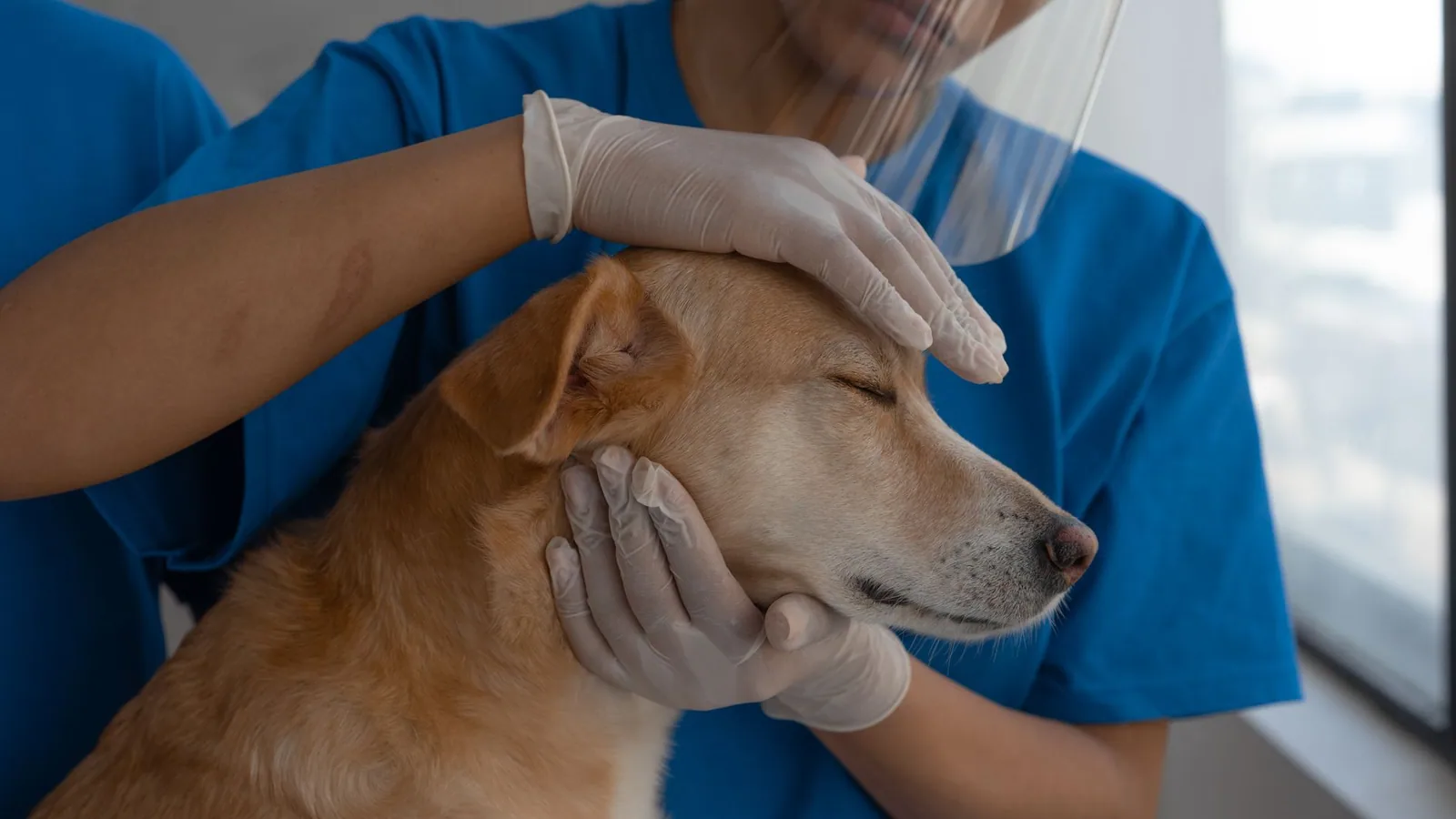
Quick Answer: What Is Living With a Pembroke Welsh Corgi Like?
The Pembroke Welsh Corgi is a low-set, strongly built herding dog rather than a miniature lap breed. The American Kennel Club (AKC) standard calls for a height of 10–12 inches and weight in proportion to size, with show-condition limits of 30 pounds for males and 28 pounds for females [1][2]. Those limits are conformation criteria, not a prescription to crash-diet a larger individual.
Many Pembrokes are alert, socially engaged, quick to learn, food motivated, athletic, and vocal. Their cattle-driving heritage can appear as movement chasing, barking, or heel-directed behavior, but no puppy is born understanding household rules. Successful owners use reward-based training, manage children and moving triggers, provide daily physical and mental activity, and teach calm rest.
The dense double coat sheds substantially. Weekly brushing is a baseline, with more work during seasonal coat release. Keeping the dog lean matters because excess weight adds load to joints and spine and can hide under the coat. Sensible back safety means traction, controlled conditioning, and preventing repeated uncontrolled high jumps—not confining a healthy dog to the sofa.
The Pembroke Welsh Corgi Club of America’s published CHIC baseline calls for hip evaluation and an eye examination by a board-certified veterinary ophthalmologist [3][4]. The club also discusses additional testing for von Willebrand disease, elbows, cardiac health, and degenerative myelopathy [4]. A two-copy SOD1 result increases genetic susceptibility to degenerative myelopathy but does not diagnose disease or guarantee paralysis [5–9].
Pembroke Welsh Corgi at a Glance
| Question | Practical answer |
|---|---|
| AKC group | Herding Group [1] |
| Height | 10–12 inches [2] |
| Show-condition weight limit | Up to 30 lb male; 28 lb female [2] |
| Coat | Medium-length double coat with dense undercoat; sheds [2] |
| Standard colors | Red, sable, fawn, and black-and-tan, with or without permitted white [2] |
| Current US parent-club CHIC baseline | Hip and ophthalmologist evaluations [3][4] |
| Additional health conversations | DM, vWD, elbows, cardiac screening, spinal and orthopedic health [4] |
| AKC life-expectancy estimate | 12–13 years; not a guarantee [1] |
| Major owner commitments | Weight management, shedding, training, barking management, activity, and spinal awareness |
Pembroke and Cardigan Corgis Are Different Breeds
Not Two Varieties of One Breed
The Pembroke Welsh Corgi and Cardigan Welsh Corgi have separate standards, histories, structures, colors, populations, and health programs. The AKC recognized them as distinct breeds in 1935 [10]. Calling every full-tailed corgi a Cardigan or every short-tailed corgi a Pembroke is unreliable.
Cardigans are generally somewhat larger and heavier-boned and normally have a long foxlike tail. Pembrokes have a different rear outline; a Pembroke can be naturally bobtailed, docked where legal and practiced, or full-tailed depending on genetics, breeder decisions, and local law [10]. Tail status does not change the breed and should not be used as a health test.
Color Is Another Distinction
The US Pembroke standard permits red, sable, fawn, and black-and-tan, with or without specified white markings [2]. Blue merle is a Cardigan color, not a standard Pembroke color. A seller offering a “rare merle purebred Pembroke” should be asked for a verifiable pedigree and an explanation of how the pattern arose.
Color does not predict temperament, trainability, joint health, degenerative myelopathy, or lifespan. Show-standard markings are not veterinary diagnoses. A mismarked dog can be a healthy pet, while a perfectly marked dog can still have disease.
Temperament Comparisons Are Generalizations
Breed observers often describe Pembrokes as more immediately outgoing and Cardigans as more reserved in novelty [10]. That is an experienced impression, not a controlled prediction. Evaluate the parents, rearing, individual puppy, and household fit.
For the other breed, see the Cardigan Welsh Corgi Guide. Maintaining two definitive owner pages prevents the ambiguous phrase “Welsh corgi” from collapsing distinct health and breed information.
History and Working Structure
Pembrokes developed in Wales as versatile farm and cattle dogs. Their compact height helped them work around livestock while their body, stamina, voice, and decision-making supported movement control [1][2]. The modern dog need not work cattle, but many enjoy tasks involving motion, scent, precision, and partnership.
A breed standard describes the ideal dog for conformation judging. It is not a scientific proof that a particular structure is pain-free, nor a justification for exaggeration. The Pembroke standard itself emphasizes smooth, free movement and warns against being overly low, heavy, coarse, or unsound [2]. Sound function should matter more than the shortest legs or longest outline in a photograph.
Herding ancestry does not mean every Pembroke should be released around livestock. Uncontrolled pursuit can injure dog and stock. Use qualified instructors, suitable animals, secure facilities, and welfare-focused training if exploring herding.
Temperament
Bold, Alert, and Social Are Tendencies
The standard calls for a bold but kindly outlook and rejects shyness or viciousness in the show context [2]. Many Pembrokes watch their environment closely, respond quickly to routine, enjoy people, and learn patterns fast. Those traits can be delightful or difficult depending on teaching and context.
Fast learning includes unwanted behavior. A puppy rewarded with attention for barking, given food after counter surfing, or allowed to chase feet is practicing a successful strategy. Prevention and reinforcement are more effective than waiting for the behavior to become established.
Fear, guarding, separation distress, reactivity, and aggression can occur in any breed. Sudden behavior change warrants a veterinary examination because orthopedic, spinal, dental, ear, skin, gastrointestinal, and neurologic pain can alter behavior.
Children
Some Pembrokes thrive in families, but no breed guarantees child safety. Their low height puts faces near toddlers, while movement can trigger pursuit and heel-directed nipping. Adults must supervise actively and use gates or separate rooms when they cannot.
Teach children to invite interaction rather than hug, ride, chase, corner, or disturb sleep and food. Give the dog an undisturbed resting area. During running games, reinforce a station, offer a toy-carrying task, or separate the dog before arousal rises.
Never punish growling. A growl communicates discomfort. Increase safety, identify the trigger, and seek qualified help rather than removing a warning signal.
Other Dogs, Cats, and Small Animals
Many live successfully with other pets, but compatibility is individual. Introduce through barriers, protect resources, reward calm observation, and allow escape. Familiar-cat safety does not guarantee safety with rabbits, rodents, birds, or unfamiliar cats.
Some Pembrokes enjoy group play; others prefer known companions. A dog park adds unknown health status, size mismatch, and play style. Choose partners by body control and ability to pause, not popularity of the breed.
Barking
Vocal alerting is common enough that prospective apartment owners should plan for it. Identify whether the trigger is hallway noise, windows, visitors, isolation, excitement, frustration, pain, or fear. Block repeated visual rehearsal, use background sound, reward checking back with the owner, and teach a settled station.
Electronic punishment does not address cause and can create fear associations with people or animals near the trigger. If barking occurs only when alone with drooling, destruction, escape behavior, or elimination, investigate separation-related distress.
Reward-Based Training
The American Veterinary Society of Animal Behavior recommends reward-based methods for dog training and behavior modification [11]. Rewards can include food, sniffing, toys, retrieving, social attention, access, and movement. The learner determines what is reinforcing.
Prioritize:
- recall and orientation to name;
- loose-leash walking;
- waiting at doors and curbs;
- releasing objects;
- moving to a bed or mat;
- calm visitor routines;
- cooperative handling of paws, ears, mouth, coat, and body;
- comfortable confinement and alone time;
- disengagement from moving children, bicycles, and other animals.
Keep sessions short and criteria clear. If the dog fails repeatedly, reduce distraction or difficulty. Labels such as “stubborn” hide problems with motivation, environment, fear, fatigue, or pain.
Socialization
Safe socialization pairs new people, animals, sounds, surfaces, travel, grooming, and veterinary handling with choice and positive outcomes. It does not require a puppy to greet every dog or tolerate frightening restraint.
Watch for freezing, hiding, tucked posture, frantic barking, inability to eat, or attempts to escape. Increase distance. Repeated overwhelming exposure can sensitize a puppy rather than make it resilient.
Herding and Heel Nipping
Prevent rehearsal by managing running triggers. Teach recall, stationing, toy retrieve, hand target, and calm parallel walking. Reinforce before the dog reaches full chase. Children should not be tasked with training a pursuing dog.
Redirecting to a toy is useful when planned early, but it is not safe to wave a toy near a dog already biting legs. Use barriers and adult handling. Bites that bruise, puncture, escalate, or involve guarding require professional evaluation.
Recall and Off-Leash Safety
Practice in fenced spaces and use a long line where appropriate. Reinforce generously and avoid poisoning the cue by calling only to end fun. No training guarantees recall near traffic, livestock, wildlife, or panic.
An electronic boundary does not physically stop pursuit or prevent another animal from entering. Secure fencing and leashes remain necessary.
Exercise and Mental Enrichment
A Small Dog With a Working Engine
Short legs do not make the Pembroke sedentary. Healthy adults often enjoy walking, hiking, sniffing, retrieving, obedience, rally, tracking, scent work, herding, and appropriately designed agility. Activity should be conditioned rather than delivered in rare extremes.
No evidence-based universal minute quota fits every dog. Age, body condition, surface, weather, pain, cardiopulmonary health, and recovery determine the plan. Enthusiasm is not proof that joints and spine are prepared for repeated impact.
Puppies
Provide free play, exploration, sniffing, short training, and varied safe surfaces. Avoid forced running, repetitive high obstacles, sharp repeated turns, and uncontrolled furniture launching. The popular five-minutes-per-month rule is not a validated medical prescription.
Puppies need sleep and quiet. Frantic biting, barking, or zooming can increase when overtired. Teach rest as deliberately as activity.
Mental Work
Use food searches, scent trails, retrieve, shaping, puzzle feeders, and stationing. Difficulty should produce engagement, not frantic pawing or guarding. Rotate activities and preserve familiar favorites.
End high-arousal games with a predictable cool-down. Constant ball chasing can build endurance for arousal while repetitively loading the body. Mix movement with sniffing, problem solving, and calmness.
Heat, Cold, and Water
The double coat offers environmental protection but does not prevent heat illness. Temperature, humidity, sun, acclimatization, fitness, age, coat, and disease all affect risk. Use cooler times, shade, water, and shorter sessions.
Excessive panting, slowing, weakness, vomiting, confusion, or collapse requires immediate cooling and emergency care. Do not rely on shaving to prevent heat illness. Cold tolerance also varies; wet, wind, illness, age, and inactivity change needs.
Swimming can be enriching, but the body shape and individual skill matter. Use supervised entry and exit, consider a life jacket, avoid unsafe current or blue-green algae, and never throw a reluctant dog into water.
Body Condition and Nutrition
The Coat Hides Weight
Assess with hands. Ribs should be easy to feel beneath a light covering, a waist should be visible from above, and an abdominal tuck should be present. A dense coat can make obesity look like “fluff.” Weigh regularly and track trends.
Excess weight increases mechanical load on joints and spine and can worsen mobility. It also reduces heat tolerance. A low breed profile is not an excuse for a cylindrical body.
Choosing Food
Feed a complete and balanced diet appropriate to life stage. The World Small Animal Veterinary Association recommends evaluating the manufacturer’s qualified nutrition expertise, quality control, research, and transparency rather than relying on marketing terms or ingredient-list aesthetics [12].
Measure portions, include treats, and adjust to body condition. Training rewards can come from the daily ration. Raw and grain-free diets are not required by breed and bring their own nutritional or microbial considerations.
Puppies and Growth
Support steady lean growth. Do not add calcium, vitamin D, bone meal, or “growth” supplements to a complete diet unless prescribed. Overfeeding cannot create a healthier show dog and may increase orthopedic load.
Vomiting, diarrhea, poor growth, increased thirst, sudden appetite change, or weight loss warrants evaluation. Do not attribute every sign to a “sensitive corgi stomach.”
Coat and Grooming
Expect Shedding
The standard describes a weather-resistant outer coat with a short, soft, thick undercoat [2]. Loose undercoat can release heavily during seasonal changes. A Pembroke is not low-shedding or hypoallergenic.
Brush to the skin at least weekly and more often during coat release. Use tools that remove loose undercoat without scratching skin or cutting healthy guard hairs. Check behind ears, under collar and harness, armpits, thighs, tail area, and feet.
Bathing and Drying
Bathing frequency depends on dirt, skin health, and products. Rinse completely and dry the undercoat. Damp compacted hair can irritate skin. Introduce dryer noise gradually and protect eyes, ears, and non-slip footing.
Routine close shaving is generally unnecessary and can alter coat regrowth and protection. Medical clipping, severe matting, or surgery can make clipping appropriate. Welfare overrides cosmetic absolutes.
Nails, Feet, Ears, and Teeth
Keep nails short enough for traction and comfortable stance, including dewclaws. Trim excess foot hair if it reduces grip. Paw licking or lameness may reflect nail injury, foreign material, infection, allergy, or orthopedic pain.
Inspect ears for odor, redness, discharge, head shaking, and pain. Do not insert swabs deep into the canal or apply random home mixtures. Brush teeth daily with dog toothpaste when possible; Veterinary Oral Health Council-accepted products can supplement brushing [13].
Back Safety and Spinal Health
Chondrodysplasia Does Not Mean Inevitable Paralysis
The PWCCA describes the Pembroke as a chondrodysplastic dwarf breed [4]. Short limbs and a relatively long body create a reason for thoughtful conditioning and home design, not a diagnosis. The available source packet does not support telling every owner that disc herniation is inevitable.
Use rugs on slippery routes, manage repeated high furniture jumps, keep the dog lean, maintain nails for traction, and increase activity gradually. A stable low-angle ramp can help if the dog is trained to use it. Support chest and pelvis when lifting rather than letting the rear hang.
Do not eliminate normal movement. Muscle and coordination support function. A dog kept chronically inactive can gain weight and lose conditioning.
Back Pain and Neurologic Emergencies
Possible pain signs include trembling, reluctance to move, a hunched posture, yelping, guarding, panting at rest, or inability to settle. Neurologic signs include wobbling, crossing limbs, scuffing nails, knuckling, dragging toes, weakness, or inability to stand.
Sudden severe pain, loss of walking, or loss of bladder function is an emergency. Restrict movement, support the body during transport, and call ahead. Do not stretch, massage, manipulate, or give ibuprofen, naproxen, acetaminophen, or another pet’s medication.
Health Testing Before Breeding
Parent-Club Baseline
The published PWCCA health-screening statement identifies hip evaluation through OFA or PennHIP and eye examination by a board-certified ACVO veterinary ophthalmologist as CHIC requirements [3]. The club’s health page also discusses vWD, elbow, cardiac, and DM testing [4]. Verify whether recommendations have changed and which results are required versus optional.
Ask for the registered names of both parents and inspect independent records. “DNA tested,” “clear panel,” “champion,” and “vet checked” do not document hip imaging or a specialist eye examination.
Screening Is Not a Guarantee
Hip screening estimates breeding risk; it does not prevent every orthopedic problem. An eye examination is a snapshot and does not identify every later disease. A DNA test evaluates a named variant, not the whole genome or future health.
Ask about relatives’ spinal disease, degenerative myelopathy, cancer, reproductive problems, cardiac disease, autoimmune illness, temperament, longevity, and cause of death. Honest uncertainty is a sign of responsible counseling.
Degenerative Myelopathy
What It Is
Degenerative myelopathy (DM) is a progressive, adult-onset spinal cord disease. Early signs commonly involve nonpainful pelvic-limb incoordination, scuffing, and weakness, progressing over time. A 2009 pathology series described 18 affected Pembroke Welsh Corgis with a mean age of 12.7 years and confirmed characteristic white-matter degeneration postmortem [5]. That selected group does not provide a population prevalence.
Another 2009 study mapped a common SOD1 missense variant using Pembroke cases and other breeds and found homozygosity associated with DM [6]. Later work continues to emphasize that the genetic test does not exclusively identify symptomatic dogs [7].
Interpreting the DNA Result
- Clear: no copy of the tested common variant; this does not rule out all spinal disease.
- Carrier: one copy; generally important for breeding management, not a diagnosis of illness.
- At risk: two copies; increased susceptibility, not proof of current disease or certainty of future paralysis.
Variant frequency in a tested breed sample is not clinical disease frequency. A 2024 Italian laboratory dataset found a high allele frequency in tested Pembrokes, but it was a retrospective set of submitted DNA tests, not a random lifetime disease cohort [8].
Diagnosis
DM is a diagnosis reached from compatible progression, neurologic examination, genetic context, and exclusion of other spinal disorders. Disc disease, tumors, orthopedic pain, inflammatory disease, and peripheral neuropathy can mimic aspects. Definitive confirmation has historically required postmortem histopathology [5][9].
Sudden painful paralysis should never be dismissed as DM. DM is typically gradual and initially nonpainful; sudden onset or pain increases urgency for other treatable conditions.
Breeding Without Genetic Panic
Population management can reduce at-risk matings without automatically removing every carrier or two-copy dog at once. A Japanese study of 5,512 tested Pembrokes reported a decline in the targeted genotype over several years while monitoring population genetic structure [14]. Breeding decisions should preserve diversity and the whole dog, guided by experts and current club policy.
Hip Dysplasia
Hip dysplasia involves developmental laxity and abnormal joint remodeling, with contributions from genetics, growth, body condition, and other factors. Parent imaging reduces population risk but does not guarantee a puppy’s hips.
Possible signs include difficulty rising, altered gait, reduced endurance, bunny hopping, or reluctance to jump. Some affected dogs show few signs. Diagnosis uses examination and appropriately positioned imaging.
Keep puppies lean, feed a complete growth diet, and provide controlled normal activity. Do not use calcium supplements unless prescribed. Treatment ranges from weight management, rehabilitation, and medication to surgery depending on the individual.
Eye Disease
The ophthalmologist evaluation exists because inherited and acquired eye disorders can occur [3][4]. A normal puppy examination or commercial DNA panel does not guarantee lifelong vision.
Redness, squinting, cloudiness, discharge, pupil inequality, apparent pain, or sudden visual change requires prompt care. Do not apply human redness drops or leftover medication; steroid-containing drops can worsen some corneal and infectious problems.
Von Willebrand Disease and Bleeding
Von Willebrand disease type I is an inherited bleeding disorder discussed in Pembroke health resources [4]. A DNA result describes a tested variant, while actual bleeding risk can vary and other coagulation or platelet disorders exist.
Tell the veterinarian about prolonged bleeding, frequent nosebleeds, unexplained bruising, family history, or previous surgical problems. Do not give aspirin or other medication without direction. Breeder screening and patient evaluation answer different questions.
Other Health Considerations
Elbows, Patellas, and Soft-Tissue Injury
Pembrokes can develop orthopedic problems beyond hips. An abnormal gait must be localized rather than automatically called hip dysplasia or DM. Cruciate injury, patellar disease, paw trauma, muscle strain, and disc pain require different care.
Cardiac Health
The parent club lists cardiac testing among additional options [4]. A breeder’s normal screening does not rule out every congenital or acquired heart disorder. Coughing, collapse, exercise intolerance, rapid breathing at rest, or a detected murmur needs veterinary assessment.
Obesity
Obesity is preventable but common in food-motivated dogs. It can worsen mobility and heat tolerance. Use measured meals and objective body-condition checks, not bag-label portions alone. Weight loss should be gradual and nutritionally complete.
Cancer, Autoimmune, and Reproductive Disease
Pembrokes can develop general canine illnesses not captured by a breed DNA panel. The PWCCA explicitly advises buyers to ask about cancer, cardiac, neurologic, autoimmune, reproductive, hip, and eye problems in the line [4]. “None in the breed” is not credible.
Lifespan
AKC lists a 12–13-year life-expectancy estimate [1], while the PWCCA health page uses a broader 12–15-year description [4]. These are planning ranges, not comparable breed-specific survival analyses. Differences illustrate why methodology matters.
Large veterinary datasets show that body size, breed, sex, body condition, geography, and study design affect longevity estimates [15–17]. No breeder can guarantee an age. Plan for long-term senior care while recognizing disease and chance.
Pembroke Welsh Corgi Puppies
Finding a Responsible Breeder
Verify hip and ophthalmologist results for both parents. Ask about DM and vWD status, additional evaluations, family health, adult temperament, and how the mating preserves diversity. Inspect original or independent database records.
A responsible breeder raises puppies with safe enrichment, handling, household sounds, surfaces, crates, grooming, and individualized observation. It uses a contract, matches homes honestly, provides records, and takes lifetime responsibility. Popularity, social-media followers, or a championship alone does not prove welfare.
Avoid guaranteed perfect health, pressure payments, “rare merle Pembrokes,” extreme size marketing, and claims that tests are unnecessary because the parents look healthy.
First Weeks at Home
Add non-slip routes, gate unsafe stairs, block balcony and railing gaps, secure medications and toxins, and choose well-fitted equipment. Schedule a veterinary visit and bring all records. Vaccination and parasite control depend on age, geography, travel, and exposure.
Start toilet routines, recall, calm handling, grooming, mat work, and gradual alone time. Provide safe social learning without forcing greetings. Protect sleep and use barriers to prevent chasing children or other pets.
House Training
Take the puppy out after waking, meals, drinking, play, and naps. Reward immediately after elimination in the desired location. Supervise indoors and use a positively introduced confinement area. Clean accidents enzymatically and do not punish after the event.
Straining, blood, pain, excessive thirst, frequent tiny urinations, or regression in a trained dog needs medical evaluation.
Growth and Safety
Track lean growth rather than pursuing a round “corgi puppy” look. Use rugs, supervise furniture, and lift with two-handed support. Provide developmentally suitable movement rather than strict inactivity.
Daily Routine and Home Management
A workable day combines toilet opportunities, measured food, a sniffing walk, short training, play, and substantial quiet rest. A yard is useful but does not replace varied experience or interaction. Constant outdoor patrol can strengthen fence barking.
For apartment living, plan hallway and elevator manners, visual barriers, background sound, and easy toilet access. Teach calm door behavior. Apartment size matters less than whether the routine meets noise, activity, and rest needs.
Use a secured crate or crash-tested restraint for car travel. A loose dog can distract the driver or escape after a collision. Condition the equipment gradually and support the long body on a stable surface.
Keep identification visible and microchip registration current. A microchip is not a tracker. Recheck collar and harness fit after weight change, coat change, and puppy growth.
Adult and Senior Care
Routine care includes life-stage examinations, locally appropriate vaccination and parasite prevention, dental assessment, weight and muscle condition, eyes, skin, ears, gait, and symptom investigation. DNA tests do not replace preventive medicine.
For seniors, watch nail scuffing, wobbling, stairs, rising, sleep, appetite, thirst, toileting, vision, hearing, and behavior. Film gait on a non-slip surface if a subtle change appears. New house soiling, night waking, irritability, or withdrawal can reflect pain, organ disease, sensory loss, or cognitive dysfunction.
See Senior Dog Checkup for a structured review. Early recognition matters especially when DM, disc disease, arthritis, and other causes of rear-limb change must be separated.
Emergency and Prompt-Care Signs
Seek urgent care for:
- sudden inability to stand or walk, limb dragging, severe back pain, or loss of bladder control;
- breathing difficulty, collapse, blue or pale gums, or severe heat signs;
- painful red or cloudy eye, sudden blindness, or eye trauma;
- repeated vomiting, a distended painful abdomen, unproductive retching, or severe weakness;
- prolonged or repeated seizures or failure to recover;
- suspected toxin, medication, battery, string, or foreign-object ingestion;
- inability to urinate, uncontrolled bleeding, or major trauma.
Restrict movement when spinal injury is possible and support chest and pelvis during transport. Call ahead. A Dog First-Aid Kit supports transport but does not replace treatment.
Is a Pembroke Right for You?
A good match accepts daily interaction, training, shedding, barking management, lean-weight maintenance, and the physical needs of a low athletic dog. The household can supervise children, separate pets when needed, provide safe activity, and fund veterinary emergencies.
Reconsider if loose hair or alert barking is unacceptable, the dog will be alone most waking hours, or internet cuteness is the main attraction. Pembrokes are not accessories, and short legs do not reduce their need for education and exercise.
City, suburban, and rural homes can work. Each has different risks: shared-wall noise, traffic, stairs, fencing, livestock, wildlife, parasites, and heat. Fit is about daily systems, not a postcard setting.
Rescue and Adoption
Ask about weight, gait, spinal history, hip or eye records, DM/vWD tests if known, barking, separation, guarding, children, cats, dogs, and grooming. A shelter breed label may be an estimate and should not be treated as pedigree proof.
Use secure equipment, stable routines, non-slip surfaces, and gradual introductions. Do not immediately test off-leash recall, dog parks, furniture jumping, or livestock response. Obtain records and schedule veterinary care.
Frequently Asked Questions
What is the difference between a Pembroke and a Cardigan Corgi?
They are distinct breeds. Pembrokes are generally smaller and have different structure, standard colors, tail traditions, and health programs. Cardigans usually have a long foxlike tail and allow blue merle and brindle [10].
How big do Pembroke Welsh Corgis get?
The AKC standard calls for 10–12 inches and show-condition limits of 30 pounds for males and 28 pounds for females [2]. Healthy individuals can vary; body condition matters more than forcing a number.
Do Pembroke Welsh Corgis shed?
Yes. They have a dense double coat and can shed heavily, especially seasonally. Expect weekly brushing at minimum and more work during coat release.
Do Pembrokes bark a lot?
Many are alert and vocal, but individuals vary. Manage triggers, reinforce calm behavior, provide suitable activity, and investigate fear, isolation, or pain rather than relying on punishment.
How much exercise does a Pembroke need?
No universal minute quota exists. Healthy adults generally benefit from daily walking, sniffing, training, and play adjusted to health, body condition, weather, and recovery.
Are Pembrokes prone to back problems?
Their chondrodysplastic build warrants lean weight, traction, conditioning, and avoiding repeated uncontrolled high jumps. Spinal disease is possible but not inevitable. Sudden weakness or severe pain is an emergency.
What health tests should the parents have?
The published PWCCA CHIC baseline requires hip evaluation and ophthalmologist examination [3][4]. Ask about additional DM, vWD, elbow, and cardiac testing and verify current results.
Does an at-risk DM DNA result guarantee disease?
No. Two copies increase susceptibility but do not diagnose current disease or ensure future symptoms. DM diagnosis requires compatible progression and exclusion of other spinal disorders [5–9].
How long do Pembroke Welsh Corgis live?
AKC estimates 12–13 years [1], while the parent club describes 12–15 years [4]. Neither range can predict an individual dog.
Related Guides
- Cardigan Welsh Corgi Guide
- Why Is My Dog Limping?
- Senior Dog Checkup
- Dog First-Aid Kit
- Dog Separation Anxiety Treatments
References
[1] American Kennel Club. Pembroke Welsh Corgi Dog Breed Information. https://www.akc.org/dog-breeds/pembroke-welsh-corgi/
[2] American Kennel Club. Official Standard of the Pembroke Welsh Corgi. https://cdn.akc.org/PembrokeWelshCorgi.pdf
[3] Pembroke Welsh Corgi Club of America. Health Screenings Recommended by the PWCCA. https://cdn.akc.org/Marketplace/Health-Statement/Pembroke-Welsh-Corgi.pdf
[4] Pembroke Welsh Corgi Club of America. Health and Genetics. https://pwcca.org/Genetics-and-Health
[5] March PA, Coates JR, Abyad RJ, et al. Degenerative myelopathy in 18 Pembroke Welsh Corgi dogs. Veterinary Pathology. 2009;46:241–250. https://pubmed.ncbi.nlm.nih.gov/19261635/
[6] Awano T, Johnson GS, Wade CM, et al. Genome-wide association analysis reveals a SOD1 mutation in canine degenerative myelopathy that resembles amyotrophic lateral sclerosis. Proceedings of the National Academy of Sciences. 2009;106:2794–2799. https://pubmed.ncbi.nlm.nih.gov/19188595/
[7] Kobatake Y, Sakai H, Tsukui T, et al. Plasma microRNA miR-26b as a potential diagnostic biomarker of degenerative myelopathy in Pembroke Welsh Corgis. BMC Veterinary Research. 2019;15:192. https://pubmed.ncbi.nlm.nih.gov/31182094/
[8] Capodanno A, et al. Genotypic and allelic frequencies of degenerative myelopathy in an Italian canine population. Animals. 2024. https://pubmed.ncbi.nlm.nih.gov/39335301/
[9] Naito E, Nakata K, Sakai H, et al. Diffusion tensor imaging-based quantitative analysis of the spinal cord in Pembroke Welsh Corgis with degenerative myelopathy. Journal of Veterinary Medical Science. 2022;84:199–207. https://pubmed.ncbi.nlm.nih.gov/34897158/
[10] American Kennel Club. The Cardigan Welsh Corgi vs. the Pembroke Welsh Corgi. https://www.akc.org/expert-advice/lifestyle/cardigan-welsh-corgi-pembroke-welsh-corgi/
[11] American Veterinary Society of Animal Behavior. Humane Dog Training Position Statement. https://avsab.org/wp-content/uploads/2024/12/AVSAB-Humane-Dog-Training-Position-Statement-2021.pdf
[12] World Small Animal Veterinary Association. Guidelines on Selecting Pet Foods. https://wsava.org/wp-content/uploads/2021/04/Selecting-a-pet-food-for-your-pet-updated-2021_WSAVA-Global-Nutrition-Toolkit.pdf
[13] Veterinary Oral Health Council. Accepted Products for Dogs. https://vohc.org/accepted-products/
[14] Ohta H, et al. Negative selection on a SOD1 mutation limits canine degenerative myelopathy while avoiding inbreeding. Scientific Reports. 2023. https://pubmed.ncbi.nlm.nih.gov/38109923/
[15] O'Neill DG, Church DB, McGreevy PD, Thomson PC, Brodbelt DC. Longevity and mortality of owned dogs in England. Veterinary Journal. 2013;198:638–643. https://pubmed.ncbi.nlm.nih.gov/24206631/
[16] Montoya M, Morrison JA, Arrignon F, et al. Life expectancy tables for dogs and cats derived from clinical data. Frontiers in Veterinary Science. 2023;10:1082102. https://pubmed.ncbi.nlm.nih.gov/36896289/
[17] Sexton CL, Ruple A. How can we achieve more accurate reporting of average dog lifespan? Journal of the American Veterinary Medical Association. 2024;262:1–5. https://pubmed.ncbi.nlm.nih.gov/38866045/