Border Collie Care, Training, Health, and Lifespan
By Dr. Zubair Khalid, DVM, MS, PhD ·
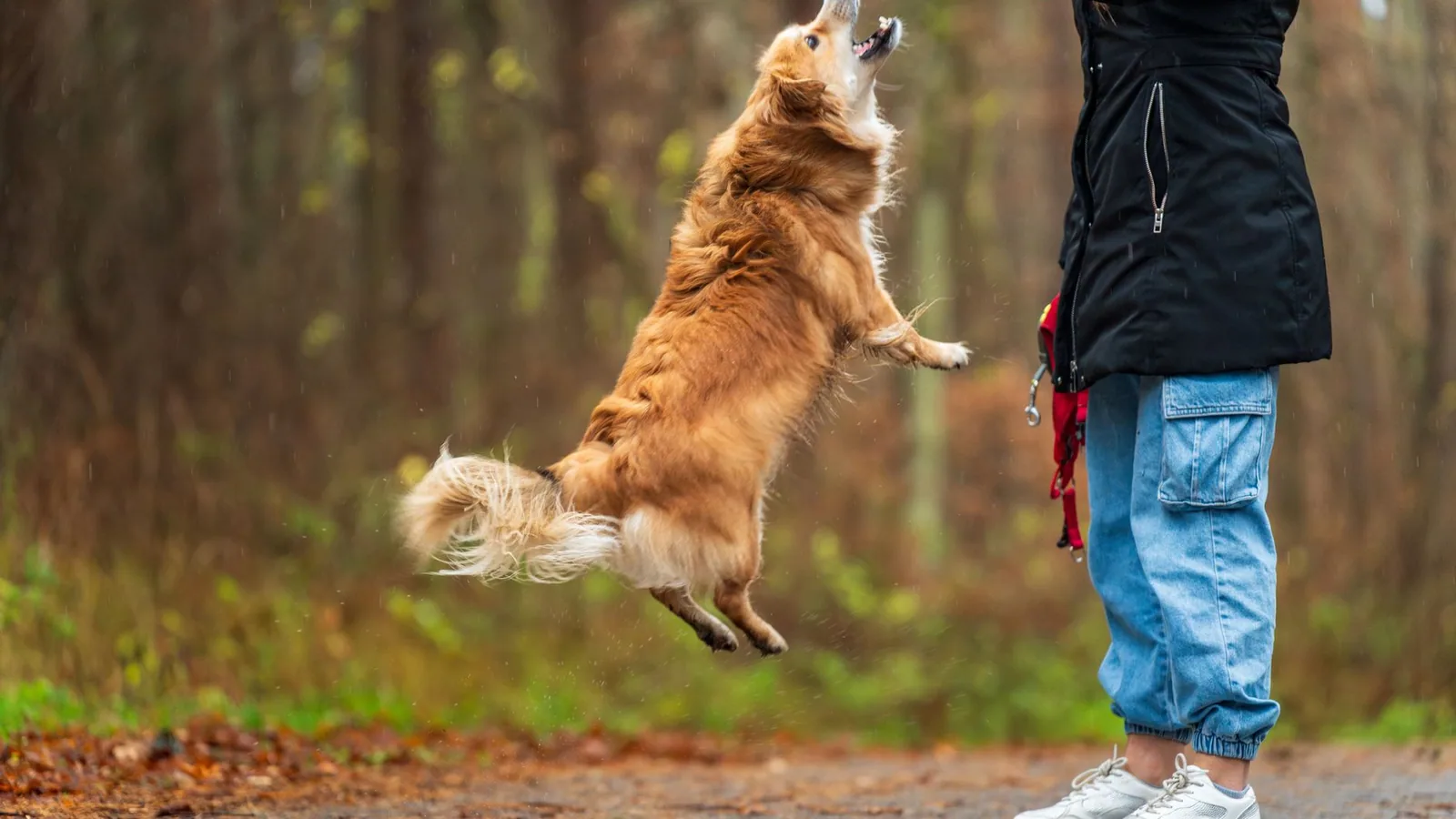
Key Takeaways
- Border Collies exhibit intense intelligence and a high drive for work, often masking early signs of illness due to their stoic nature; owners must vigilantly monitor for subtle behavioral shifts and implement routine preventive screenings including ophthalmologic exams for Collie Eye Anomaly (CEA) and gonioscopy for Pectinate Ligament Dysplasia (PLD).
- The breed's significant exercise needs necessitate both vigorous physical activity and structured mental enrichment, with reward-based, force-free training essential to avoid fear, anxiety, and a breakdown of the human-animal bond, particularly given their predisposition to conditions like Border Collie Collapse (BCC) triggered by over-arousal.
- Genetic predispositions include Collie Eye Anomaly (CEA), Trapped Neutrophil Syndrome (TNS), Idiopathic Epilepsy, and a potential genetic component for Lymphoma, underscoring the importance of genetic testing for breeding stock and early diagnostic evaluation in affected puppies.
- Preventive care should include regular veterinary check-ups, annual physical examinations, and specific screenings such as hip and elbow radiographs at 2 years of age to detect orthopaedic conditions like dysplasia, alongside monitoring for signs of cognitive dysfunction syndrome and arthritis in senior dogs.
- Owners must be aware of the breed's tendency to mask pain and illness, necessitating detailed home observation of subtle changes in enthusiasm, sleep patterns, gait, and food motivation, and preparing for veterinary visits with video documentation and a chronological timeline of symptoms.
This article is educational and is not a substitute for veterinary diagnosis or treatment.
At a Glance: Is a Border Collie the Right Dog for You?
| Aspect | Key Takeaway |
|---|---|
| Temperament | Intense, intelligent, biddable, and high-drive; thrives on a job and close human partnership |
| Exercise Needs | High; requires both physical exercise and structured mental enrichment. More exercise alone is not the answer for a hyperactive dog |
| Training Approach | Reward-based, force-free methods are essential; aversive tools can damage the human-animal bond and worsen behaviour |
| Size & Weight | Medium-sized; typically 18–22 inches (46–56 cm) at the shoulder, 27–45 pounds (12–20 kg) |
| Lifespan | 12–15 years, with many living into their mid-teens |
| Common Health Issues | Collie eye anomaly, epilepsy, trapped neutrophil syndrome, Border Collie collapse, pectinate ligament dysplasia, lymphoma |
| Preventive Screening | Eye examinations (gonioscopy, genetic testing for CEA), hip and elbow scoring, genetic testing for TNS, neurologic evaluation for epilepsy |
| Red Flags | Breeders who cannot show health clearances, who sell puppies before 8 weeks, or who cannot discuss breed-specific health problems |
Understanding the Border Collie Temperament
The Border Collie temperament is defined by an exceptional capacity for work, a high degree of intelligence, and a strong drive to interact with their handler. As Ridgway notes in a 2021 review, working-level herding breed dogs are intense, high-drive animals that will continue to work despite severe illness or pain, thereby masking clues that they are ailing [<a href="#ref-1">1</a>]. This characteristic has profound implications for owners and veterinarians alike: a Border Collie may hide early signs of disease, making routine preventive care and subtle behavioural changes critically important.
The breed was developed over centuries for herding stock, primarily sheep, in the border region between Scotland and England. The modern Border Collie retains these instincts. The American Kennel Club (AKC) describes the breed as "remarkably intelligent, with an instinctive drive to work," and notes that they are "eager to please" but require a great deal of mental stimulation [<a href="#ref-2">2</a>]. Owners often describe their Border Collies as having an "off switch" at home but an "on switch" that can be difficult to disengage when the dog is excited or working.
Breed Fit: Who Should Own a Border Collie?
A Border Collie is not a suitable dog for every household. The breed fits best with owners who:
- Can provide several daily opportunities for structured exercise, training, decompression, and mental enrichment
- Enjoy training and are committed to reward-based methods
- Can provide a job or outlet for the dog's herding instincts (e.g., agility, flyball, treibball, herding trials, nose work)
- Understand that a tired Border Collie is not just physically exercised but also mentally engaged
- Have a securely fenced yard (the breed is known for escape artistry)
- Are prepared for a dog that may be reserved with strangers and intensely focused on its owner
The breed can be challenging in homes with very young children or other pets, not due to aggression but because the herding instinct may lead to nipping at heels or chasing. Early socialisation and training are essential.
Border Collie Training: Reward-Based Methods and Settling Skills
The Case Against Aversive Training
Aversive training methods, which include the use of choke chains, prong collars, shock collars, and verbal or physical punishment, are not recommended for Border Collies. The breed's sensitivity and eagerness to please mean that harsh corrections can quickly lead to fear, anxiety, and a breakdown of trust. The American Veterinary Society of Animal Behavior (AVSAB) has issued position statements against the use of aversive methods, and the AVMA supports humane, science-based training.
For Border Collies, aversive tools are particularly problematic because they can suppress behaviour without addressing the underlying motivation. A dog that is corrected for barking may stop barking but remain anxious; a dog that is punished for herding behaviour may redirect that drive into compulsive circling or shadow-chasing. Reward-based training, which reinforces desired behaviours with treats, praise, or play, is both more effective and safer for the human-animal bond.
Core Training Principles
- Start early. Ask your veterinarian when a well-run, positive-reinforcement puppy class is appropriate based on the puppy's vaccine status and local infectious-disease risk.
- Use high-value rewards. Border Collies often work best for food, toys, or access to a favourite activity. Find what motivates your individual dog.
- Keep sessions short. Five to ten minutes of focused training several times a day is more effective than one long session.
- Teach an "off switch." Many Border Collies struggle to settle. Teaching a mat or bed command, and rewarding calm behaviour, is essential for household harmony.
- Avoid over-arousal. High-intensity games like endless fetch can increase arousal levels and make it harder for the dog to settle. Structured activities with clear start and stop cues are preferable.
Settling Skills: The "Off Switch"
A common misconception is that a hyperactive Border Collie simply needs more exercise. In reality, more exercise alone is not always the answer and can sometimes worsen the problem by building endurance without teaching the dog how to calm down. Many working-dog trainers and veterinary behaviourists recommend teaching an "off switch" through:
- Capturing calmness: Reward the dog when it lies down quietly on its own
- Mat training: Teach the dog to go to a mat and stay there for increasing durations
- Relaxation protocols: Structured programmes such as Karen Overall's Protocol for Relaxation
- Enrichment feeding: Use puzzle toys, snuffle mats, and scatter feeding to engage the dog's brain without adding physical exercise
Border Collie Exercise Needs: Physical and Mental
The Border Collie exercise needs are among the highest of any dog breed. The AKC notes that the breed "requires a great deal of exercise" and that "a bored Border Collie can become destructive" [<a href="#ref-2">2</a>]. However, the type and quality of exercise matter as much as the quantity.
Physical Exercise
Healthy adult Border Collies usually need substantial daily activity divided across physical exercise, training, and lower-arousal enrichment. The appropriate duration and intensity vary with age, health, conditioning, and the individual dog's ability to recover and settle. Activities can include:
- Running in a secure area (off-leash where legal)
- Hiking
- Swimming
- Agility or flyball training
- Herding (if available)
- Biking (with caution and proper equipment)
Puppies and adolescents should not be over-exercised on hard surfaces or for prolonged periods, as their growth plates are still open. The general guideline is 5 minutes of structured exercise per month of age, twice daily.
Mental Enrichment
Mental stimulation is arguably more important than physical exercise for this breed. Border Collies are problem-solvers by nature. Without adequate mental challenge, they may develop compulsive behaviours such as spinning, tail-chasing, or light/shadow chasing. Effective mental enrichment includes:
- Nose work: Scent detection games that tire the dog's brain
- Puzzle toys: Food-dispensing toys that require manipulation
- Trick training: Teaching novel behaviours keeps the dog engaged
- Herding instinct tests: Even if you do not have livestock, some trainers offer herding lessons using ducks or sheep
- Treibball: A sport that involves pushing large exercise balls into goals, which channels herding instincts
When Exercise Becomes Counterproductive
Some owners fall into a trap of providing more and more exercise to manage a hyperactive dog. This can create a cycle where the dog becomes fitter and needs even more exercise to feel tired. If your Border Collie seems unable to settle after adequate exercise, consider consulting a veterinary behaviourist or a certified trainer who uses reward-based methods. The problem may be one of arousal, not energy.
Border Collie Size, Weight, and Colors
Size and Weight
The Border Collie is a medium-sized breed. According to the AKC breed standard, males stand 19–22 inches (48–56 cm) at the shoulder, and females stand 18–21 inches (46–53 cm). The typical Border Collie weight ranges from 27 to 45 pounds (12–20 kg), with males generally heavier than females [<a href="#ref-2">2</a>]. However, there is considerable variation, and some working lines may be slightly smaller or larger.
Maintaining a healthy body condition score (BCS) is critical. A 2022 study by Morelli et al. found that overweight Border Collies had significantly different gut microbiota compared to lean dogs, and that breed influenced the microbial composition [<a href="#ref-3">3</a>]. Overweight dogs are at increased risk for orthopaedic problems, diabetes, and reduced lifespan. Owners should be able to feel their dog's ribs without a thick layer of fat and should see a visible waist when viewed from above.
Border Collie Colors
Border Collie colors are highly variable. The most common colour is black and white, but the breed also appears in:
- Blue merle (mottled grey and black)
- Red and white (liver/chocolate)
- Red merle
- Tri-colour (black, white, and tan)
- Sable
- Lilac
- Blue (dilute black)
White markings are common on the face, chest, legs, and tail tip. The AKC breed standard states that "colour is immaterial" [<a href="#ref-2">2</a>]. However, some coat colours are associated with specific health considerations; for example, merle-to-merle breeding can produce puppies with severe eye and ear abnormalities, and excessive white on the head may be associated with deafness. Responsible breeders avoid these high-risk pairings.
Coat and Grooming
Border Collies have two coat types: a rough (moderately long) coat and a smooth (short) coat. Both types have a dense double coat that provides insulation and weather resistance. The rough coat is more common and requires more grooming.
- Brushing: Rough-coated Border Collies need brushing 2–3 times per week to prevent matting, especially behind the ears and on the hindquarters. Smooth-coated dogs need weekly brushing.
- Shedding: Border Collies shed moderately year-round and heavily during seasonal coat blows (spring and autumn). A good undercoat rake or deshedding tool is helpful.
- Bathing: Every 6–8 weeks, or when dirty. Over-bathing can strip the coat of natural oils.
- Nail trimming: Every 2–4 weeks, depending on activity level. Dogs that walk on pavement may wear nails down naturally.
- Ear cleaning: Weekly inspection and cleaning with a vet-approved ear cleaner can help prevent infections, especially in dogs that swim.
Feeding and Nutrition
There is no single "best" diet for all Border Collies, but general principles apply:
- Life stage appropriate: Puppies need a growth formula; adults need a maintenance diet; seniors may benefit from a diet formulated for older dogs.
- Quality ingredients: Look for diets that meet the Association of American Feed Control Officials (AAFCO) or FEDIAF (European Pet Food Industry Federation) nutritional standards.
- Portion control: Obesity is a growing concern in companion dogs, including Border Collies [<a href="#ref-3">3</a>]. Measure food by weight, not volume, and adjust based on body condition.
- Avoid over-supplementation: A complete and balanced diet does not need additional vitamins or minerals unless prescribed by a veterinarian.
Working Border Collies, such as those used for herding or agility, may need a higher-calorie diet with increased fat and protein. Consult your veterinarian for individualised recommendations.
Border Collie Lifespan
The Border Collie lifespan typically ranges from 12 to 15 years, with many dogs living into their mid-teens. The AKC reports a lifespan of 12–15 years [<a href="#ref-2">2</a>]. Longevity is influenced by genetics, diet, exercise, and preventive healthcare. Responsible breeding practices that screen for hereditary diseases can help maximise lifespan.
Border Collie Health Issues
Border Collies are generally a healthy breed, but they are predisposed to several specific conditions. Owners and veterinarians should be aware of these health issues to facilitate early detection and management.
Collie Eye Anomaly (CEA)
Collie eye anomaly (CEA) is a congenital, inherited ocular condition that affects the choroid, retina, and optic nerve. It was first described in Border Collies by Bedford in 1982 [<a href="#ref-4">4</a>]. The condition ranges from mild choroidal hypoplasia to severe colobomas and retinal detachment, which can cause blindness.
A 2018 study by Grosås et al. examined 103 Norwegian Border Collie puppies and found that 1 puppy had clinical signs consistent with CEA, and genetic testing identified 17 carriers and 1 affected puppy, with an allele frequency of 6.3% [<a href="#ref-5">5</a>]. The mutation responsible is a 7.8-kb deletion in the NHEJ1 gene. Genetic testing is available and can identify affected dogs, carriers, and clear dogs. Responsible breeders should test their breeding stock and avoid breeding affected dogs or carriers to each other.
Pectinate Ligament Dysplasia (PLD) and Glaucoma
Pectinate ligament dysplasia (PLD) is a malformation of the pectinate ligament in the iridocorneal angle of the eye. It is significantly associated with primary closed-angle glaucoma (PCAG) in several breeds, including the Border Collie. Oliver et al. (2017) found that 13.8% of Border Collies in their UK study were moderately or severely affected by PLD [<a href="#ref-6">6</a>]. Gonioscopy screening is advised for breeding dogs, and affected dogs should be eliminated from breeding programmes to reduce the prevalence of PCAG.
Idiopathic Epilepsy
The prevalence of idiopathic epilepsy (IE) within the Border Collie breed is high. Santifort et al. (2022) conducted a retrospective study of 116 Border Collies with IE and found that the median age at onset of the first epileptic seizure was 33.5 months (range 6–188 months) [<a href="#ref-7">7</a>]. Dogs that experienced cluster seizures or status epilepticus had a significantly younger age at onset (median 27 months) compared to those that did not (median 43 months). Phenobarbital was the most commonly used antiseizure medication, used in 81% of treated dogs. Owner-reported quality of life was scored with a median of 7 out of 10, indicating that while the condition is manageable, it can impact the dog's wellbeing.
Trapped Neutrophil Syndrome (TNS)
Trapped neutrophil syndrome (TNS) is a rare congenital disease recognised in Border Collies, characterised by persistent neutropenia with myeloid hyperplasia. The condition was first described in the North American literature by Hegler et al. in 2020, who reported a 10-week-old female Border Collie presenting with haemorrhagic diarrhoea, pelvic limb lameness, joint pain and effusion, and pyrexia [<a href="#ref-8">8</a>]. Genetic testing confirmed a mutation in the vacuolar protein sorting-associated protein 13B (VPS13B) gene.
A subsequent case report by Zoto et al. (2022) described multiorgan neutrophilic inflammation in a young Border Collie with TNS, suggesting that neutrophils can leave the marrow and enter tissues, making the term "trapped" a misnomer [<a href="#ref-9">9</a>]. The prognosis for TNS is guarded; the dog in the Hegler case died at 9 months of age despite treatment [<a href="#ref-8">8</a>]. TNS should be considered in young Border Collies with signs suggestive of immune-mediated polyarthritis, septic arthritis, or hypertrophic osteodystrophy, combined with neutropenia or gastrointestinal signs.
Border Collie Collapse (BCC)
Border Collie collapse (BCC) is an episodic disorder characterised by abnormal gait or collapse during strenuous exercise. Taylor et al. (2016) conducted an owner survey and veterinary evaluation of videotaped episodes in 165 Border Collies [<a href="#ref-10">10</a>]. Most dogs were young adults (median 2 years) when episodes began. Retrieving was the activity most commonly associated with episodes (68%), followed by herding stock (24%). Owners reported that high environmental temperatures (67%) and excitement (41%) increased the likelihood of an episode.
Veterinary evaluation of videotapes showed altered mentation, symmetrical ataxia affecting all four limbs, increased pelvic limb extensor tone, toe scuffing or knuckling, truncal swaying, and falling to the side. These features suggest that BCC may be an episodic diffuse central nervous system disorder [<a href="#ref-10">10</a>]. There is no specific treatment, but management involves avoiding trigger activities, keeping the dog cool, and preventing over-arousal.
Lymphoma
Lymphoma is among the most common canine cancers. Soh et al. (2023) conducted a genome-wide association study (GWAS) and pedigree analysis of lymphoma in Border Collies, including 71 lymphoma cases from a pedigree of 83,000 dogs [<a href="#ref-11">11</a>]. The study identified significant SNPs on chromosomes 18 and 27, with candidate genes including DLA-79, WNT10B, LMBR1L, KMT2D, and CCNT1. This research suggests a genetic component to lymphoma in the breed.
Orthopaedic Conditions
Border Collies are at risk for hip dysplasia, elbow dysplasia, and patellar luxation. These conditions can cause pain, lameness, and secondary osteoarthritis. Preventive screening through hip and elbow scoring (e.g., PennHIP or OFA in the United States, BVA/KC schemes in the UK) is recommended for breeding dogs. Maintaining a lean body condition is one of the most effective ways to reduce the risk and severity of orthopaedic disease.
Hereditary Sensory Neuropathy
Correard et al. (2019) reviewed canine neuropathies and noted that Border Collies are among the breeds predisposed to hereditary sensory neuropathy (HSN) [<a href="#ref-12">12</a>]. This condition is characterised by progressive sensory loss, often accompanied by chronic skin ulcerations and nail dystrophic changes. The genetic basis for HSN in Border Collies has recently been discovered, and testing is available.
Preventive Screening and Health Monitoring
Given the breed's tendency to mask illness [<a href="#ref-1">1</a>], a proactive approach to preventive care is essential. The following screening measures are recommended:
| Condition | Screening Method | Timing |
|---|---|---|
| Collie Eye Anomaly | Ophthalmologic exam + genetic test (NHEJ1 mutation) | Puppies at 5–8 weeks, then annually |
| Pectinate Ligament Dysplasia | Gonioscopy | Annually in breeding dogs |
| Hip Dysplasia | Hip radiographs (OFA, PennHIP, BVA/KC) | At 2 years of age (or earlier for PennHIP) |
| Elbow Dysplasia | Elbow radiographs | At 2 years of age |
| Trapped Neutrophil Syndrome | Genetic test (VPS13B mutation) | Before breeding |
| Epilepsy | Neurologic evaluation, MRI if indicated | At onset of seizures |
| Lymphoma | Physical exam, lymph node palpation, bloodwork | Annually in adults |
| Border Collie Collapse | Video recording of episodes, veterinary evaluation | When episodes occur |
Ethical Breeder Questions and Red Flags
Choosing a responsible breeder is one of the most important decisions a prospective owner can make. The following questions can help identify ethical breeders:
- Can the breeder show health clearances for both parents (eyes, hips, elbows, genetic tests)?
- Are puppies raised in a home environment with early socialisation?
- Does the breeder ask you questions about your lifestyle and experience?
- Does the breeder take puppies back at any time if the owner cannot keep them?
- Can the breeder provide references from previous puppy buyers?
Red flags include:
- Breeders who cannot or will not show health test results
- Breeders who sell puppies before 8 weeks of age
- Breeders who have multiple litters available at once
- Breeders who pressure you to buy immediately
- Breeders who do not ask you any questions
- Breeders who claim their dogs are "rare" colours and charge a premium for them
- Breeders who recommend aversive training methods
Quality of Life Considerations
Maintaining quality of life (QoL) for a Border Collie requires attention to both physical and mental wellbeing. The breed's working drive means that a dog that cannot work (due to age, injury, or illness) may become frustrated or depressed. Owners should:
- Adapt activities as the dog ages (e.g., shorter walks, more mental games)
- Provide pain management for chronic conditions such as arthritis
- Monitor for signs of cognitive dysfunction in senior dogs
- Maintain social contact and routine
- Work with a veterinarian to adjust care as the dog's needs change
The QoL scoring system used by Santifort et al. (2022) in their epilepsy study is a useful model: owners rated QoL on a scale of 1–10, with a median of 7 for dogs with epilepsy [<a href="#ref-7">7</a>]. This suggests that even with a chronic condition, many Border Collies can enjoy a good quality of life with appropriate management.
Recognizing Subtle Signs of Illness in the Border Collie
The Border Collie temperament, characterized by an intense drive to work and please, creates a unique diagnostic challenge for owners and veterinarians. As Ridgway notes, working-level herding breed dogs will continue to work despite severe illness or pain, thereby masking clues that they are ailing [<a href="#ref-1">1</a>]. This stoicism means that by the time a Border Collie shows obvious signs of illness, the underlying condition may already be advanced. Owners must become skilled at detecting subtle changes that would be easy to overlook in a less driven breed.
What to Observe at Home
Because Border Collies are so attuned to routine, the earliest indicators of illness often manifest as deviations from normal patterns rather than dramatic symptoms. Owners should monitor for:
- Changes in work enthusiasm: A dog that hesitates before jumping into the car for a herding lesson, or that drops a toy mid-retrieve, may be experiencing pain or malaise
- Altered sleep patterns: Border Collies that sleep more deeply or for longer periods during the day may be compensating for illness
- Subtle gait changes: A slight head bob, shortened stride, or reluctance to turn in one direction can indicate orthopaedic pain
- Eye contact avoidance: A normally engaged dog that avoids direct eye contact may be experiencing visual discomfort or headache
- Food motivation shifts: A dog that normally inhales meals but begins leaving kibble may have dental pain, nausea, or systemic illness
Preparing for the Veterinary Visit
When a Border Collie owner suspects their dog is unwell, preparation for the veterinary visit can significantly improve diagnostic accuracy. The following steps are recommended:
- Record video footage: Capture the dog performing its normal activities, as well as any abnormal behaviours. Video is particularly valuable for conditions such as Border Collie collapse, where episodes are often triggered by specific activities and may not occur in the clinic setting [<a href="#ref-10">10</a>]
- Document timing and triggers: Note when symptoms occur, what the dog was doing beforehand, and how long episodes last
- Track food and water intake: Measure exact amounts consumed daily for at least three days before the appointment
- Monitor elimination patterns: Record frequency, consistency, and colour of stool and urine
- Bring a written timeline: List all observed changes in chronological order, including dates and approximate times
The Clinical Examination Challenge
Veterinarians face particular difficulty when examining Border Collies because the breed's high arousal state in the clinic can mask pain responses. A dog that is tense and focused on the veterinarian may not show the expected flinch or withdrawal when a painful joint is palpated. This phenomenon underscores the importance of combining physical examination findings with owner observations and, when indicated, advanced diagnostic imaging or laboratory testing.
Understanding the Genetic Landscape of Border Collie Health
The Border Collie breed has a relatively narrow genetic base due to its development from working lines, which has implications for hereditary disease prevalence. Advances in canine genetics have identified several breed-specific mutations, and understanding these can guide both breeding decisions and clinical care.
The Role of Genetic Testing in Preventive Care
Genetic testing is available for several conditions affecting Border Collies, including Collie eye anomaly (CEA), trapped neutrophil syndrome (TNS), and hereditary sensory neuropathy (HSN). The mutation responsible for CEA is a 7.8-kb deletion in the NHEJ1 gene, and genetic testing can identify affected dogs, carriers, and clear dogs [<a href="#ref-5">5</a>]. For TNS, testing confirms the mutation in the VPS13B gene [<a href="#ref-8">8</a>]. These tests are most useful when performed before breeding, but they also have clinical utility in diagnosing young dogs with compatible signs.
Limitations of Genetic Testing
It is important for owners to understand that genetic testing has limitations. A negative genetic test for a known mutation does not guarantee that a dog will never develop the associated condition, as other genetic or environmental factors may contribute. Conversely, a positive test for a mutation such as the NHEJ1 deletion does not predict the severity of CEA, which ranges from mild choroidal hypoplasia to blinding retinal detachment [<a href="#ref-5">5</a>]. Genetic testing should be interpreted in the context of clinical examination and, where applicable, breed-specific screening protocols.
The Emerging Role of Genome-Wide Association Studies
Research into the genetic basis of complex diseases in Border Collies is ongoing. The genome-wide association study of lymphoma by Soh et al. identified significant SNPs on chromosomes 18 and 27, with candidate genes including DLA-79, WNT10B, LMBR1L, KMT2D, and CCNT1 [<a href="#ref-11">11</a>]. While these findings are not yet translated into clinical genetic tests, they highlight the potential for future risk assessment tools. Owners should be aware that the field is evolving and that current recommendations may change as new evidence emerges.
Special Considerations for the Senior Border Collie
As Border Collies age, their care needs change, and the breed's characteristic drive can complicate the recognition of age-related conditions. The Border Collie lifespan of 12 to 15 years means that many dogs will enter their senior years around age 8 to 10. Owners should be prepared for the following considerations.
Cognitive Dysfunction Syndrome
Canine cognitive dysfunction syndrome (CDS) is a neurodegenerative condition analogous to Alzheimer's disease in humans. In Border Collies, early signs may be subtle and easily attributed to normal aging. Owners should watch for:
- Disorientation: Getting lost in familiar environments or staring at walls
- Changes in social interaction: Reduced enthusiasm for greetings or decreased interest in play
- Sleep-wake cycle disturbances: Pacing at night or increased daytime sleeping
- House soiling: Loss of housetraining in a previously reliable dog
- Anxiety: New onset of separation anxiety or noise phobias
Management of CDS involves environmental enrichment, dietary modifications, and, in some cases, medication. Early intervention may slow progression, making prompt recognition important.
Arthritis and Mobility Management
Osteoarthritis is common in aging Border Collies, particularly those with a history of hip dysplasia or elbow dysplasia. The breed's stoicism means that owners may not recognize pain until the dog is significantly lame. Preventive strategies include:
- Weight management: Maintaining a lean body condition score is the single most effective intervention for reducing osteoarthritis progression
- Joint supplements: Products containing glucosamine, chondroitin, and omega-3 fatty acids may provide symptomatic benefit, though evidence is mixed
- Physical therapy: Therapeutic exercises, hydrotherapy, and massage can maintain muscle mass and joint mobility
- Pain management: Non-steroidal anti-inflammatory drugs, gabapentin, and other analgesics should be used under veterinary guidance
Dental Disease in Senior Dogs
Periodontal disease is common in older Border Collies and can have systemic effects, including contributing to cardiac, renal, and hepatic disease. Owners should maintain regular dental care, including professional cleanings under anaesthesia as recommended by their veterinarian. Signs of dental disease include halitosis, drooling, difficulty eating, and pawing at the mouth.
The Border Collie in Multi-Pet Households
Integrating a Border Collie into a home with other pets requires careful planning. The breed's herding instinct can create challenges, particularly with cats, small dogs, or livestock.
Herding Behaviour Toward Other Pets
Border Collies may attempt to herd other pets by circling, staring, and nipping at heels. This behaviour is not aggressive in intent but can be stressful for the target animal and dangerous if the other pet responds defensively. Management strategies include:
- Supervised introductions: Allow gradual, controlled introductions in neutral territory
- Providing escape routes: Ensure that other pets have access to areas where the Border Collie cannot follow
- Redirecting herding behaviour: Teach the dog an alternative behaviour, such as going to a mat, when it begins to stare or circle
- Managing arousal: Avoid situations that trigger intense herding, such as running or squeaky toys
Resource Guarding
Border Collies can develop resource guarding behaviours, particularly around food, toys, and attention from their owner. This tendency may be more pronounced in dogs from working lines that have been selected for intense focus. Management involves:
- Prevention: Avoid removing high-value items from the dog; instead, trade for something of equal or greater value
- Desensitization and counterconditioning: Work with a certified trainer to modify the dog's emotional response to approach
- Management: Feed dogs separately in multi-dog households and avoid leaving high-value items accessible
Environmental Enrichment for the Urban Border Collie
Not all Border Collies live on farms with access to livestock. Urban and suburban owners must be creative in meeting the breed's exercise needs and mental stimulation requirements.
Indoor Enrichment Strategies
When outdoor exercise is limited by weather, space, or time, indoor activities can provide meaningful engagement:
- Nose work games: Hide treats or toys around the house and encourage the dog to find them using scent
- Puzzle toys: Rotate a variety of food-dispensing toys to maintain novelty
- Trick training: Teach novel behaviours such as spinning, bowing, or closing doors
- Treadmill training: With proper introduction and supervision, a treadmill can provide controlled exercise
- Flirt pole: A toy on a rope attached to a pole allows the dog to chase and pounce without requiring a large space
Structured Activities for Mental Engagement
Structured activities that combine physical exercise with cognitive challenge are ideal for Border Collies:
- Agility: Provides physical exercise, mental problem-solving, and handler engagement
- Flyball: A relay race that combines running, jumping, and retrieving
- Treibball: Pushing large exercise balls into goals channels herding instincts without livestock
- Rally obedience: A sport that combines obedience exercises with course navigation
- Canine parkour: Navigating urban obstacles such as benches, walls, and poles
The Importance of Novelty
Border Collies are intelligent and can become bored with repetitive activities. Owners should rotate enrichment activities regularly to maintain engagement. A dog that has mastered a puzzle toy may benefit from a more challenging version, or from having the toy presented in a different location. Introducing new scents, sounds, and textures can also provide mental stimulation.
Understanding and Managing Arousal in Border Collies
Arousal refers to the dog's state of physiological and psychological activation. Border Collies are prone to high arousal states, which can interfere with learning, impulse control, and the ability to settle.
Signs of Over-Arousal
Owners should recognize the following signs that their Border Collie is becoming over-aroused:
- Rapid, shallow breathing that does not subside quickly after activity
- Dilated pupils and a fixed, intense stare
- Tense body posture with stiff tail and ears forward
- Inability to take food rewards even when hungry
- Repetitive behaviours such as spinning, pacing, or barking
- Difficulty responding to cues that the dog knows well
Strategies for Reducing Arousal
When a Border Collie becomes over-aroused, the following interventions can help:
- Remove the trigger: If possible, remove the dog from the stimulating situation
- Use calming cues: Teach a "settle" or "mat" cue that the dog can perform in a calm state
- Provide a calming activity: Chewing, licking, and sniffing are naturally calming behaviours
- Practice relaxation protocols: Structured programmes such as Karen Overall's Protocol for Relaxation can teach the dog to remain calm in progressively more stimulating environments
- Consider supplements: Products containing L-theanine, alpha-casozepine, or melatonin may help some dogs, but should be discussed with a veterinarian
The Relationship Between Arousal and Health
Chronic high arousal can have negative health consequences, including increased cortisol levels, impaired immune function, and gastrointestinal disturbances. Dogs that are constantly in a state of high arousal may also be at increased risk for conditions such as Border Collie collapse, where excitement is a known trigger [<a href="#ref-10">10</a>]. Teaching an "off switch" is not just a behavioural goal but a health-promoting intervention.
Preparing for the Veterinary Emergency
Border Collie owners should be prepared for potential emergencies, given the breed's activity level and predisposition to certain conditions.
Common Emergencies in Border Collies
- Collapse during exercise: May indicate Border Collie collapse, heat stroke, or cardiac arrhythmia
- Seizure activity: Idiopathic epilepsy is common, and owners should know how to safely manage a seizure [<a href="#ref-7">7</a>]
- Trauma: High-energy activities can lead to fractures, lacerations, or cruciate ligament rupture
- Gastric dilatation-volvulus (GDV): While more common in deep-chested breeds, Border Collies can be affected
- Heat stroke: The breed's dense double coat and high exercise drive increase risk
Creating an Emergency Plan
Every Border Collie owner should have:
- A list of emergency veterinary clinics with 24-hour availability
- A first aid kit appropriate for canine emergencies
- Knowledge of basic first aid, including how to check vital signs and transport an injured dog
- A plan for managing seizures, including when to seek emergency care
- A copy of the dog's medical records and vaccination history accessible at all times
The Role of Nutrition in Border Collie Health
While the existing article covers general feeding principles, additional consideration should be given to the nutritional needs of working and performance Border Collies.
Energy Requirements for Working Dogs
Border Collies engaged in herding, agility, or other demanding activities may require 1.5 to 3 times the maintenance energy requirements of a sedentary dog. These increased needs should be met with a diet that provides:
- Increased protein: For muscle repair and maintenance
- Moderate to high fat: For sustained energy during prolonged activity
- Complex carbohydrates: For glycogen replenishment
- Electrolytes: For hydration and nerve function
Timing of Meals
For dogs that exercise strenuously, avoid scheduling a large meal immediately around intense activity. Allow the dog to recover and cool normally, and ask the veterinarian for an individualized feeding plan when GDV risk, endurance work, or a medical condition is a concern.
Special Diets for Health Conditions
Border Collies with specific health conditions may benefit from therapeutic diets:
- Epilepsy: Medium-chain triglyceride (MCT) enriched diets may reduce seizure frequency in some dogs
- Osteoarthritis: Diets supplemented with omega-3 fatty acids, glucosamine, and chondroitin may support joint health
- Renal disease: Prescription diets with reduced protein and phosphorus can slow disease progression
- Gastrointestinal disease: Highly digestible diets or novel protein sources may be indicated
Any dietary change should be made gradually over 7 to 10 days to reduce the risk of gastrointestinal upset, and should be discussed with a veterinarian.
Conclusion
The Border Collie is a remarkable breed that rewards owners with unwavering loyalty, exceptional intelligence, and a profound capacity for partnership. However, these same qualities create unique challenges in health management, training, and daily care. By understanding the breed's temperament, recognizing subtle signs of illness, providing appropriate exercise and enrichment, and working closely with a veterinarian, owners can help their Border Collies live long, healthy, and fulfilling lives. The breed's lifespan of 12 to 15 years offers ample opportunity for a deep and rewarding relationship, provided that owners are prepared for the commitment that this extraordinary dog requires.
Frequently Asked Questions
What is the typical Border Collie lifespan?
The typical Border Collie lifespan is 12 to 15 years, with many dogs living into their mid-teens with good care.
How much exercise does a Border Collie need?
Healthy adult Border Collies usually need several daily opportunities for physical activity and mental enrichment, but there is no universal minute target. More exercise alone is not always the answer for an over-aroused dog; recovery time and settling skills matter too.
Are Border Collies good family dogs?
Border Collies can be good family dogs in the right home, but they are intense and high-drive. They may try to herd young children and can be reserved with strangers. Early socialisation and training are essential.
What health problems are Border Collies prone to?
Border Collies are prone to collie eye anomaly, epilepsy, trapped neutrophil syndrome, Border Collie collapse, pectinate ligament dysplasia, lymphoma, hip dysplasia, and hereditary sensory neuropathy.
What is Border Collie collapse?
Border Collie collapse is an episodic disorder where dogs develop abnormal gait or collapse during strenuous exercise, especially retrieving or herding. It is not a seizure disorder but may involve the central nervous system.
How big do Border Collies get?
Border Collies are medium-sized dogs. Males stand 19 to 22 inches at the shoulder, females 18 to 21 inches. Weight typically ranges from 27 to 45 pounds.
What colours do Border Collies come in?
Border Collies come in many colours, including black and white, blue merle, red and white, red merle, tri-colour, sable, lilac, and blue. Colour is not considered important in the breed standard.
How should I train my Border Collie?
Use reward-based, force-free training methods. Aversive tools such as prong collars or shock collars are not recommended. Border Collies are sensitive and respond best to positive reinforcement.
Related Veterinary Guides
- Canine Epilepsy: A Complete Owner's Guide
- Hip Dysplasia in Dogs: Diagnosis and Management
- Preventive Healthcare for Working and Herding Breeds
- Understanding Canine Eye Diseases: From CEA to Glaucoma
- Reward-Based Training: A Veterinary Perspective
Related Clinical & Scientific Guides
- Dog Allergic Reaction: Comprehensive Veterinary Reference Guide
- Puppy Socialization and Preventive Behavior: Early Training and Handling
- Dog Boarding 101: How to Choose the Best Facility for Your Pet