How to Tell If My Puppy Is in Heat: Signs and Stages
By Dr. Zubair Khalid, DVM, MS, PhD ·
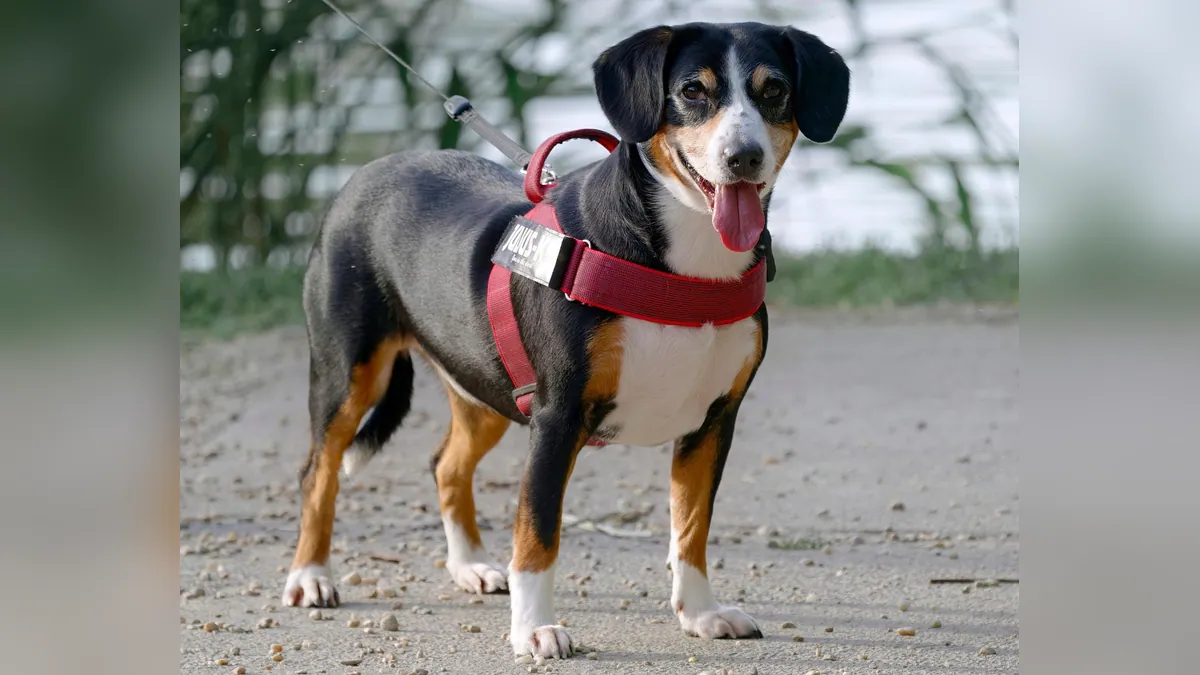
A puppy's first heat usually shows up between 6 and 12 months of age, and the clearest early signs are a swollen vulva, a bloody discharge, and a sudden change in behavior around other dogs. If you are asking how to tell if my puppy is in heat, start by checking her vulva and watching for licking, mood shifts, and male dogs paying unusual attention. This article is educational and is not a substitute for veterinary diagnosis or treatment.
Quick Answer
- A first heat typically happens around 6 to 12 months, but timing varies a lot by breed and body size.
- The most reliable early sign is a swollen vulva, often before you see any discharge.
- Expect three stages: proestrus (bleeding, swelling), estrus (standing heat, fertile), and diestrus (signs fade).
- Keep her leashed and away from intact males for the entire cycle, which can run about 2 to 4 weeks.
- Call your vet if she seems sick, strains to urinate, or bleeds heavily, since those are not normal heat signs.
How to Tell If My Puppy Is in Heat: Step by Step
Start with a simple physical check. Put on a glove or use a clean tissue and gently lift her tail. Look at the vulva. In early heat it becomes swollen and puffy, and the skin may look pinker than usual. This swelling often appears before you notice any blood, so it is your first clue.
Next, watch her behavior. Many puppies in heat lick the vulva more than usual. Some become clingy, restless, or grumpy. Others get unusually friendly with other dogs. A male dog's interest is a strong hint too. Intact males can detect a female in heat from a distance, and their marking and sniffing behavior increases around a female in estrus [1].
Then check for discharge. Early discharge is often bloody or pinkish. It may be light enough that you only see it on her bedding or when she sits. As the cycle moves into the fertile stage, the discharge often becomes lighter in color or more straw-colored.
Track the days on a calendar. Write down the date you first saw swelling, the first day of discharge, and any behavior changes. This record helps you predict the pattern for future cycles and gives your vet useful information.
Keep a close eye on her temperature and general comfort. If she feels warm, you can check her temperature at home using the method in How to Check Your Dog's Vital Signs at Home: Temperature, Pulse, and Respiration. A normal dog temperature is roughly 101 to 102.5 F, but a fever is not a normal part of heat. If you are unsure whether she has a fever, see How To Tell If Dog Has Fever.
Do not confuse heat with overheating. A puppy in heat is not the same as a puppy that is too hot from weather or exercise. If she is panting hard, drooling, or weak in warm weather, that is a heat emergency, not estrus. Learn the difference in How to Tell If Your Dog Has Heat Stroke and What to Do Immediately.
The Stages of a Puppy's First Heat
A canine estrous cycle has four phases, but owners usually notice three. The whole cycle can last about 2 to 4 weeks, though it varies by dog.
Proestrus. This is the start. The vulva swells and a bloody discharge begins. She is not yet receptive to males. This phase often lasts about 7 to 10 days.
Estrus. This is standing heat, the fertile window. The discharge may lighten, and she will often stand still and hold her tail to the side when a male approaches. This is when pregnancy can happen. It usually lasts about 5 to 9 days.
Diestrus. Whether or not she became pregnant, the cycle winds down. Swelling decreases, discharge stops, and her behavior returns to normal. If she was not bred, this phase leads back to a resting period.
Anestrus. This is the quiet time between cycles. It can last several months. One study of a shepherd breed found an average estrous cycle length of about 235 days [2]. That is a general figure, and your puppy's interval may be different.
Puberty timing is not identical for every dog. In male dogs, researchers have used permanent canine tooth eruption as a marker of pubertal maturity alongside the traditional 6-month age estimate [3]. For females, neutering timing relative to puberty can affect some health outcomes, which is one reason vets ask about cycle history before surgery [4].
Puppy Heat Schedule and Checklist
Use this table as a general guide. Every dog is different, so treat it as a rough map, not a rule.
| Stage | Typical length | Vulva | Discharge | Behavior with males |
|---|---|---|---|---|
| Proestrus | 7 to 10 days | Swollen | Bloody or pink | Not receptive, may snap |
| Estrus | 5 to 9 days | Swollen, softer | Lighter or straw-colored | Stands to be mounted |
| Diestrus | Days to weeks | Shrinking | Stops | No longer receptive |
| Anestrus | Months | Normal | None | Normal |
Daily checklist during heat:
- Check the vulva once a day for swelling and discharge color.
- Note any bleeding on bedding or furniture.
- Keep her on a leash outdoors, even in a fenced yard.
- Avoid dog parks, training classes, and pet stores.
- Wash bedding often and use pet-safe cleaners.
- Watch for straining to urinate or excessive licking.
- Log the date and any changes in a notebook or phone.
How to Tell If Your Dog Is Off Heat
Owners often ask how to tell if your dog is off heat. The signs reverse. The vulva shrinks back to normal size. Discharge stops or becomes clear and minimal. She no longer stands for males and may push them away again. Her energy and appetite usually return to baseline.
If you are unsure, your vet can confirm cycle stage with a vaginal cytology swab. Sampling site and swab handling can affect the results, so this test is best done in a clinic instead of at home [5]. For a fuller timeline, see How Long Are Dogs In Heat and How Long Does A Dog Stay In Heat.
Signs That Something Is Wrong
Heat itself is not an illness, but some signs point to a problem.
- Heavy bleeding. Soaking through pads or leaving pools of blood is not typical. Call your vet.
- Foul-smelling discharge. A bad odor can suggest infection.
- Straining to urinate or crying when she pees. This can signal a urinary tract infection or other issue.
- Vomiting, diarrhea, or refusing food for more than a day. These are not normal heat signs.
- Lethargy or collapse. Seek care right away.
- A fever. Heat does not cause a fever. If her temperature is above normal, have her checked. See How To Tell If Dog Has Fever.
- Signs of overheating. Panting, drooling, weakness, or confusion in warm weather is an emergency. See How to Tell If Your Dog Has Heat Stroke and What to Do Immediately.
Do not give human pain relievers or any medication without veterinary guidance. Many common drugs are toxic to dogs, and the safe dose depends on your dog's weight and health. Your veterinarian calculates any dose specifically for your pet.
Common Mistakes Owners Make
Mistake 1: Assuming no blood means no heat. Swelling can show up first. Some dogs have very light discharge.
Mistake 2: Letting her off leash. A female in heat can attract males from far away. Keep her leashed and supervised.
Mistake 3: Confusing heat with overheating. These are completely different problems. One is a normal cycle. The other is a medical emergency.
Mistake 4: Skipping the vet visit. A first heat is a good time to talk about spay timing and long-term health. Research on neutering timing and female dog health is still developing, so your vet will tailor advice to your dog [4].
Mistake 5: Using diapers and forgetting to check underneath. Diapers can help with mess, but check the skin daily for irritation or infection.
Mistake 6: Thinking she is safe because she is a puppy. A puppy can become pregnant on her first heat. Size does not protect her.
Supplies and Setup That Matter
A few simple items make the cycle easier and safer.
- Washable pet diapers or heat pants. Change them often and keep the area clean and dry.
- Unscented pet-safe wipes. Use them gently around the vulva if discharge collects.
- Extra bedding. Layer old towels or washable pads where she sleeps.
- A leash and a well-fitted harness. Walks should be short and controlled.
- A calendar or app. Track the start date, discharge changes, and behavior.
- A quiet space. If you have male dogs at home, separate them. Even a determined male can be hard to contain.
- A rectal thermometer. Useful for checking for fever, but only if you are comfortable. See How to Check Your Dog's Vital Signs at Home: Temperature, Pulse, and Respiration.
Keep her environment calm. Some puppies in heat sleep more and eat less for a few days. Offer small, frequent meals and fresh water. If she refuses food for more than 24 hours, call your vet.
Limitations and When to Contact a Veterinarian
This article covers general patterns. Your puppy's cycle may not match the averages, and only a veterinarian who examines her can confirm what is happening. Individual cases need a veterinarian.
Contact your vet the same day if:
- She strains to urinate, cries when urinating, or produces very little urine.
- Discharge has a foul smell or unusual color.
- She vomits repeatedly or has diarrhea.
- She seems painful when you touch her belly.
- Bleeding is heavy or does not slow down.
Go to an emergency clinic now if:
- She collapses, has trouble breathing, or has a seizure.
- She shows signs of heat stroke, such as heavy panting, drooling, weakness, or confusion in warm weather.
- She has a swollen, painful abdomen that is getting worse.
- She is bleeding heavily and seems weak or pale.
Schedule a routine visit if:
- This is her first heat and you want to discuss spay timing.
- Her cycle lasts longer than about 4 weeks.
- She has had multiple cycles with no clear pattern.
- You are unsure whether she is in heat or off heat.
Frequently Asked Questions
How old is a puppy at her first heat?
Most puppies have their first heat between 6 and 12 months, though small breeds often start earlier and large breeds later. One study of a shepherd breed reported a mean age at first estrus of about 427 days, which is later than the common range [2]. Your puppy's breed and body size both matter.
Can a puppy get pregnant on her first heat?
Yes. A puppy can become pregnant during her first estrus, which is the fertile stage of the cycle. Keep her away from intact males for the entire heat, not only the days you see bleeding.
How long does a puppy stay in heat?
Most cycles last about 2 to 4 weeks from the first sign to the end. The fertile window is usually in the middle. Track the days so you know when she is likely to be most attractive to males.
Does a puppy in heat act differently?
Many puppies become clingy, restless, or grumpy during heat. Some lick themselves more and urinate more often. Behavior usually returns to normal after the cycle ends.
Should I spay my puppy before or after her first heat?
There is no single answer that fits every dog. Research on neutering timing and female dog health is ongoing, and outcomes can differ by disease and breed [4]. Talk with your veterinarian about the best timing for your puppy's size, breed, and lifestyle.
Related Articles
- How To Tell If Dog Has Fever
- How to Tell If Your Dog Has Heat Stroke and What to Do Immediately
- How to Check Your Dog's Vital Signs at Home: Temperature, Pulse, and Respiration
- How Long Are Dogs In Heat
- How Long Does A Dog Stay In Heat
- How Long Does A Dogs Heat Last
- How to Care for a Dog in Heat: A First-Heat Guide
- Dog Feels Hot: Overheating vs Heat Cycle Explained
- When Do Dogs Go Into Heat? First Heat and Beyond
References
- Decoding dog communication through the physiology and behavior of urine marking. Scientific reports, 2025.
- Fertility and Growth Traits, Some Body Measurements, and Morphological Characteristics of Kars Shepherd Dogs. Veterinary medicine and science, 2025.
- Linking Canine Teeth Eruption, Testicular Histology and Testosterone Levels as Indicators of Pubertal Maturation in Male Dogs. Anatomia, histologia, embryologia, 2026.
- Effect of neutering timing in relation to puberty on health in the female dog-a scoping review. PloS one, 2024.
- Methodological Factors Affecting Canine Vaginal Cytology: The Influence of Sampling Site, Swab Condition, and Fixation Method. Veterinary medicine international, 2026.