Zyrtec for Cats: Liquid vs Tablet Forms
By Dr. Zubair Khalid, DVM, MS, PhD ·
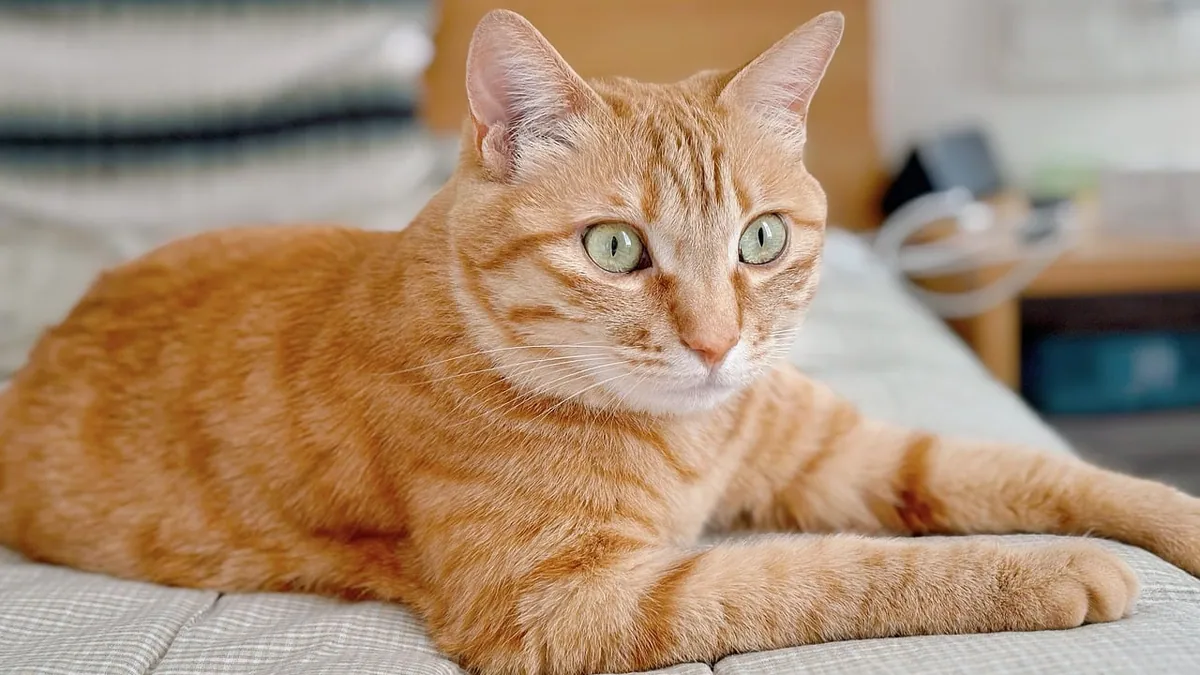
Zyrtec for cats liquid is not the same as the tablet, and most liquid versions sold in the United States should never be given to a cat. The only form your veterinarian is likely to approve is a plain cetirizine tablet or a liquid your vet compounds or dispenses directly. Many store-bought liquids contain extra ingredients, including decongestants and artificial sweeteners, that can poison a cat.
This article is educational and is not a substitute for veterinary diagnosis or treatment.
Quick Answer
- Plain cetirizine (the active ingredient in Zyrtec) is sometimes used in cats for allergy and itch relief, but only under veterinary direction.
- Never give a liquid Zyrtec that contains pseudoephedrine, phenylephrine, dextromethorphan, or any "-D" formula. These can be fatal to cats.
- Check the label for xylitol, alcohol, and propylene glycol. Cats tolerate some of these poorly.
- Your veterinarian calculates the dose from your cat's weight and health. Do not guess from a human label.
- Tablets are usually easier to dose accurately than human liquids. A veterinarian can also write a prescription for a cat-specific liquid.
What Is Zyrtec and What Do Veterinarians Use It For?
Zyrtec is the brand name for cetirizine, a second-generation antihistamine sold over the counter for human allergies. It comes as tablets, chewables, and several liquid formulations. In cats, veterinarians sometimes reach for cetirizine when a cat has itching, mild seasonal allergies, or certain skin conditions that respond to antihistamines.
Antihistamines are not a cure for feline allergies. They help some cats and do nothing for others. If your cat has severe itching, hair loss, or skin infections, the underlying problem needs a diagnosis, not just an antihistamine. Many cats with chronic skin disease end up on other medications entirely, and compliance with long-term oral treatment can be a real challenge for owners. In one survey of owners giving cats a long-term oral solution for skin disease, 55% found administration difficult and 60% stopped treatment, with administration difficulty cited in 21% of those cases [1]. That is worth knowing before you commit to a daily pill or syringe.
Cetirizine is also not approved by the FDA for use in cats. Any use in cats is extra-label, which means a veterinarian must examine your cat and decide the benefits outweigh the risks.
How Does Cetirizine Work in Cats?
Cetirizine blocks histamine receptors. Histamine is one of the chemicals your cat's immune system releases during an allergic reaction. It causes itching, sneezing, and watery eyes. By blocking the receptor, cetirizine can reduce those symptoms.
The catch is that histamine is only one part of feline allergies. Cats with food allergies, flea allergy dermatitis, or environmental allergies often have multiple pathways driving the itch. That is why antihistamines work well in some cats and barely help in others.
Cetirizine is generally less sedating than older antihistamines, but individual cats vary. Some get sleepy. Some get hyper. Some show no change in behavior at all.
Zyrtec for Cats Liquid: What You Need to Know Before You Buy
This is the part that trips up most owners. The word "Zyrtec" on the box does not tell you what is inside. You have to read the drug facts panel.
Safe versus unsafe liquid ingredients
Plain cetirizine liquid contains cetirizine as the active ingredient plus inactive ingredients like water, sugar alcohols, flavoring, and preservatives. Even plain liquids can be a problem for cats because of what is added.
- Xylitol is a sugar alcohol that is extremely toxic to dogs and can cause problems in cats. If it is on the label, do not use it.
- Alcohol can cause vomiting, wobbliness, and low blood sugar in cats.
- Propylene glycol is generally avoided in cat products.
- Artificial sweeteners like saccharin and sucralose are best avoided.
Why combination and decongestant formulas are dangerous
Zyrtec-D and similar products contain pseudoephedrine or phenylephrine. These are stimulants. In a cat, they can cause racing heart, dangerously high blood pressure, tremors, seizures, and death. There is no safe home dose.
Some formulas add dextromethorphan for cough. This can cause sedation, agitation, and serotonin problems in cats. Others add acetaminophen or ibuprofen, both of which are toxic to cats.
If you already gave your cat a combination product, treat it as an emergency. Call your veterinarian or a pet poison hotline right away. Do not wait for symptoms.
What about compounded liquid cetirizine?
Some veterinarians write a prescription for a liquid cetirizine that a compounding pharmacy prepares for cats. This is different from a human liquid. The concentration is set for small patients, the flavor is chosen for cats, and the inactive ingredients are selected with cats in mind. If your vet offers this option, it can make daily dosing much easier.
Dosing Basics for Cats
Your veterinarian decides the dose. Not the label. Not a friend. Not the internet. The dose depends on your cat's weight, kidney and liver function, other medications, and what condition is being treated.
Never use a human dose chart for a cat. Cats metabolize drugs differently from people and from dogs. A dose that is fine for a 150-pound human can be dangerous for a 10-pound cat.
Giving a tablet
Tablets are the most common way cetirizine is given to cats. You can hide a small piece in a soft treat, a pill pocket, or a tiny bit of wet food. Some cats will eat it. Many will not. If your cat is a pill detective, ask your veterinarian about a flavored chew or a compounded liquid instead.
Never crush a tablet into a full bowl of food unless your vet says it is fine. If your cat does not finish the bowl, you have no idea how much medicine was actually swallowed.
Giving a liquid
If you have a cat-safe liquid, use the dosing syringe that came with it. Do not use a kitchen spoon. Place the syringe in the side of the mouth, between the cheek and the teeth, and squirt slowly. Give the cat a moment to swallow between small amounts. If you need help, see our guide on how to give liquid medicine to a cat without a mess. If syringes are a battle at your house, there are alternative methods for giving liquid medicine without a syringe.
What if you miss a dose?
Give the missed dose when you remember, unless it is almost time for the next one. If it is close, skip the missed dose and go back to your normal schedule. Never double up to catch up. If you are unsure, call your veterinarian.
Side Effects of Cetirizine in Cats
Most cats handle cetirizine well at a veterinarian-chosen dose. Side effects are usually mild and go away on their own. Some cats are more sensitive.
| Side effect | How common or serious | What to do |
|---|---|---|
| Sleepiness or calm behavior | Common, mild | Usually settles with time. Mention it at your next visit. |
| Increased thirst or urination | Uncommon, mild | Watch for other changes. Call your vet if it continues. |
| Vomiting | Uncommon, mild to moderate | Stop the medication and call your vet. See our guide on why a cat vomits foamy liquid. |
| Drooling or lip smacking | Common with bad-tasting liquids | Try a different flavor or form. |
| Loss of appetite | Uncommon, moderate | Call your vet if it lasts more than a day. |
| Agitation or restlessness | Uncommon, moderate | Stop the medication and call your vet. |
| Tremors, seizures, racing heart | Rare, emergency | Go to a veterinarian now. |
| Difficulty breathing or swelling | Rare, emergency | Go to a veterinarian now. |
If your cat vomits yellow liquid after a dose, that is another sign to call your vet. Our article on why a cat throws up yellow liquid explains what that can mean.
Who Should Not Take Cetirizine and What Interacts With It
Cats with certain health problems should not take cetirizine, or should take it only with close monitoring. These include cats with liver disease, kidney disease, seizures, or glaucoma. Pregnant or nursing cats should not take it unless your veterinarian specifically says so.
Cetirizine can interact with other medications. Tell your veterinarian about everything your cat takes, including:
- Sedatives and anesthesia drugs
- Other antihistamines
- Antidepressants
- Seizure medications
- Opioid pain medications
- Supplements and herbal products
Do not stack two antihistamines unless your veterinarian tells you to. Do not give cetirizine with a decongestant. Do not give it with alcohol-containing products.
Some cats on long-term oral medication for chronic conditions struggle with the routine itself. If your cat is one of them, talk to your vet about alternatives. Long-term treatment plans sometimes need to change based on how well an owner and cat can manage the daily routine [1].
Overdose and When to Call for Help
If your cat ate more cetirizine than prescribed, or got into a bottle, call for help right away. Signs of overdose include extreme sleepiness, wobbliness, vomiting, racing heart, tremors, and seizures. These can appear within an hour.
Call your veterinarian first. If they are closed, call a pet poison hotline. Have the product bottle with you so you can read the ingredients and the strength. Tell them your cat's weight and how much you think was eaten.
Do not try to make your cat vomit unless a veterinarian tells you to. Do not give food, milk, or oil to "soak it up." Those home remedies can make things worse.
Limitations and When to Contact a Veterinarian
This article cannot tell you whether cetirizine is right for your cat. That decision needs an exam, a weight, and a health history. Individual cases need a veterinarian.
Call the same day if:
- Your cat vomits after a dose
- Your cat refuses food for more than 24 hours
- Your cat seems unusually sleepy or wobbly
- You are not sure whether you gave the right dose
Go to an emergency clinic now if:
- Your cat has a seizure
- Your cat is having trouble breathing
- Your cat's heart is racing or irregular
- Your cat collapsed or cannot stand
- You know or suspect your cat ate a Zyrtec-D or other combination product
Schedule a routine visit if:
- The itching has not improved after the trial period your vet set
- Your cat is scratching so much that the skin is broken
- You are struggling to give the medication every day
- You want to discuss a different form, like a compounded liquid or chew
Frequently Asked Questions
Can I give my cat liquid Zyrtec from the drugstore?
No, not without checking with your veterinarian first. Most human liquid Zyrtec products contain sweeteners, preservatives, or decongestants that are not safe for cats. Even plain liquid cetirizine is dosed for humans, not cats. Ask your vet for a cat-specific option.
What Zyrtec can I give my cat?
Only plain cetirizine, and only at a dose your veterinarian calculates. The product must not contain pseudoephedrine, phenylephrine, dextromethorphan, xylitol, or alcohol. If you are not sure what is in the bottle, do not give it.
Is cetirizine safe for cats long term?
Many cats take it for extended periods without problems, but long-term use should be monitored by a veterinarian. Your vet may want periodic bloodwork, especially if your cat has liver or kidney issues. If side effects appear, the plan may need to change.
How long does cetirizine take to work in a cat?
Some cats show improvement within a few hours of a dose. Others need several days of consistent dosing before you can judge whether it helps. If you see no change after the trial period your vet recommends, call them. Do not keep increasing the dose on your own.
What should I do if my cat ate a Zyrtec-D tablet?
Treat it as an emergency and call your veterinarian or a pet poison hotline immediately. Decongestants can cause serious heart and neurologic problems in cats, and signs can worsen quickly. Do not wait to see if your cat seems fine.
Related Articles
- How to Give Liquid Medicine to a Cat Without a Mess
- Cat Spraying vs. Urinating: How to Tell the Difference and What to Do
- How to Give Your Cat Liquid Medicine Without a Syringe: Alternative Methods
- Why Is My Cat vomiting foamy liquid? Hairballs vs Gastritis vs IBD
- My Cat Throw Up Yellow Liquid
- My Cat Is Throwing Up Yellow Liquid
- Zyrtec for Cats Dosage
- Zyrtec for Cats Side Effects and Safety
- Can You Give a Cat Zyrtec? Dosage and Safety
References
- Ciclosporin oral solution in cats: a retrospective survey of compliance with treatment and adverse effects. Journal of feline medicine and surgery, 2024.