Is Zymox Safe for Cats If They Lick It?
By Dr. Zubair Khalid, DVM, MS, PhD ·
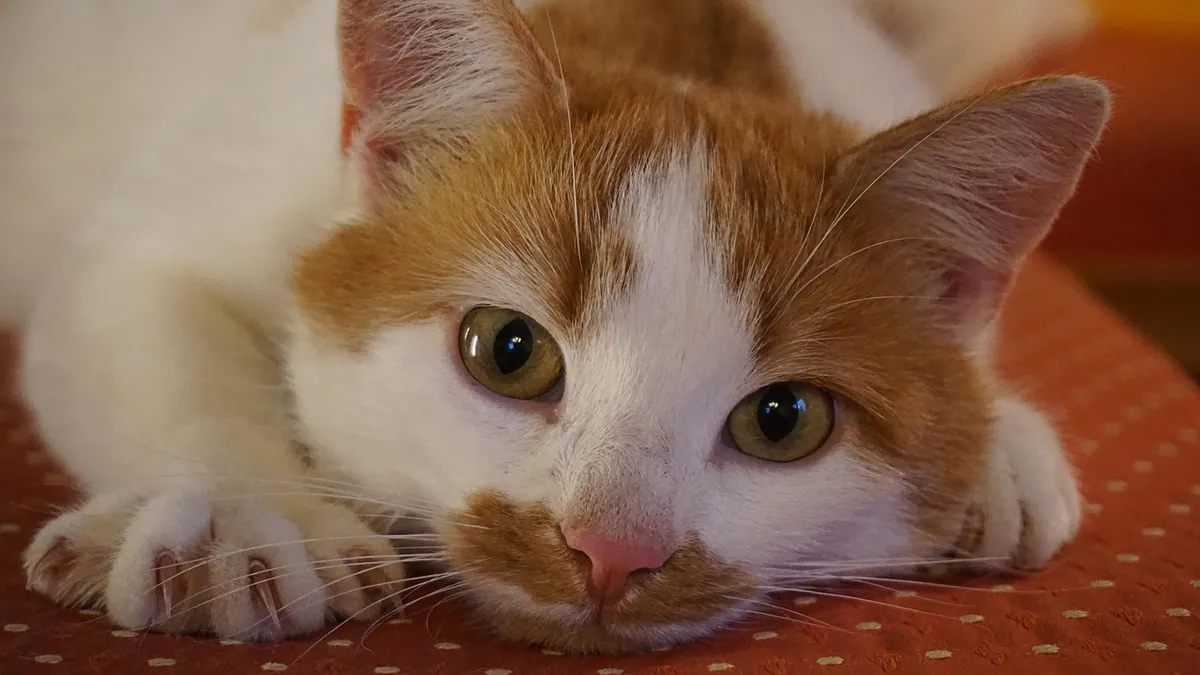
Zymox is generally considered low risk if your cat licks a small amount of the ear drops off their fur or paw, because the ingredients are not highly toxic to cats when swallowed in tiny quantities. The bigger concerns are stomach upset from the carrier ingredients and the fact that licking removes the medication from the ear canal before it can work. If your cat swallowed a large amount, is vomiting, or seems unwell, call your veterinarian or a pet poison hotline right away. This article is educational and is not a substitute for veterinary diagnosis or treatment.
Quick Answer
- Zymox otic products are topical ear medications, not oral drugs, so they are meant to stay in the ear canal, not in the mouth.
- Small licks of residue are usually not an emergency, but they can cause drooling, mild vomiting, or loose stool in sensitive cats.
- Licking the ear after application can reduce how well the product treats the infection, so distract your cat for a few minutes after each dose.
- Never put Zymox, or any ear product, into your cat's eyes. Otic products accidentally placed in the eye caused conjunctivitis, squinting, tearing, and corneal ulcers in reported cases [1].
- If your cat has a suspected ear infection, a veterinarian should confirm the cause (mites, yeast, bacteria, or other problems) before you start any treatment [2].
What Is Zymox and What Do Veterinarians Use It For?
Zymox is a brand of topical ear products sold for dogs and cats. The otic versions are liquids or creams that go into the ear canal to help manage otitis externa, which is inflammation or infection of the outer ear. Some versions contain hydrocortisone to calm itching and swelling, and some are made without it.
Ear disease is common in cats. In one study of owned cats in Northern Italy, the prevalence of otitis externa was 17 percent, and ear cytology was abnormal in 19 percent of cats [2]. The same study found ear mites in 6 percent of cats, and about half of those cats were exclusively indoor and completely asymptomatic [2]. That last point matters. A cat can have ear mites or another ear problem and show no obvious signs, which is one reason a veterinary exam and ear swab matter more than guesswork.
Veterinarians use otic products like Zymox as part of a broader plan. That plan may include cleaning the ear, treating an underlying allergy, removing mites, or using a prescription medication when bacteria or yeast are involved. Feline ear disease can also be immune-mediated. A rare condition called proliferative and necrotising otitis externa is usually self-limiting or responds to immunosuppressants such as topical tacrolimus, and some refractory cases have responded to oclacitinib [3]. This is a reminder that not every itchy ear is a simple infection.
How Zymox Ear Drops Work
Zymox otic products are designed to be applied directly into the ear canal. The idea is that the liquid coats the skin inside the ear, where it can act on microbes and, in hydrocortisone versions, reduce inflammation and itching. The product stays in the canal and works locally. It is not absorbed in a way that treats the whole body.
Because it is a topical product, the main risk from licking is what happens in the mouth and stomach, not what happens in the ear. Cats groom themselves for 30 to 50 percent of their day, according to a Cornell University behavior specialist, so residue on the fur or paw is likely to end up in your cat's mouth [4]. That is normal cat behavior, and it is why owners ask this question so often.
If your cat is licking at the ear more than usual, that licking itself can be a sign of itch or pain. Cats lick when an area is itchy or painful, and the licking tends to focus on the problem area [4]. If your cat keeps going after the treated ear, the ear may still be uncomfortable, or the product may be irritating them.
Zymox Ear Drops for Cats: Dosing Basics
Your veterinarian decides the dose, the frequency, and how many days to treat. Do not copy a dose from a dog, from a friend's cat, or from an online chart. The right plan depends on your cat's weight, the cause of the ear problem, and whether the eardrum is intact.
In general, otic products are given by:
- Holding the ear flap up gently and squeezing the prescribed amount into the canal.
- Massaging the base of the ear for a few seconds so the liquid spreads.
- Letting your cat shake their head, then wiping away excess with a clean cotton ball or gauze.
- Keeping your cat busy for a few minutes with play, a meal, or a treat so they do not immediately lick the ear clean.
If you miss a dose, give it when you remember, unless it is almost time for the next one. Do not double up. If you are unsure, call your veterinary clinic and ask how to adjust.
Never use an otic product in the eye. In a review of 79 dog and cat cases of eye exposure to ear medications, 86 percent involved mistaking an ear product for an eye product, and signs included conjunctivitis, eyelid spasms, tearing, eye discharge, and corneal ulceration [1]. Store ear and eye products in separate places so you never grab the wrong bottle in a hurry.
Side Effects of Zymox in Cats
Most reactions are mild and local. The table below covers what owners commonly see and what to do about it.
| Side effect | How common or serious | What to do |
|---|---|---|
| Drooling, lip smacking, or pawing at the mouth after licking | Common and usually mild | Offer water, wipe the mouth with a damp cloth, and watch for 30 to 60 minutes |
| Vomiting or diarrhea after swallowing residue | Uncommon and usually mild | Withhold food for a few hours, then offer small bland meals. Call your vet if it continues past 24 hours |
| Head shaking, scratching, or redness in the ear | Fairly common and often mild | This can be the ear problem itself or mild irritation. Tell your vet if it worsens |
| Head tilt, loss of balance, or walking in circles | Uncommon and serious | Call your veterinarian the same day. These signs can point to middle or inner ear involvement |
| Hearing changes after ear treatment | Reported in dogs, less clear in cats | Mention any change in response to sound to your vet. Hearing loss has been reported after topical ear medications in dogs, and cats were excluded from that report because of small case numbers [5] |
| Eye redness, squinting, or discharge | Uncommon but serious | This suggests the product reached the eye. Rinse with plain saline if your vet advises it and seek care promptly [1] |
If your cat has a known allergy to any ingredient, stop using the product and call your veterinarian. If you are not sure what is in the bottle, read the label or ask the clinic.
Who Should Not Use Zymox and What Interacts With It
Do not use an otic product if your cat's eardrum may be ruptured, unless your veterinarian specifically says it is safe. Do not use it in the eye. Do not use it on a cat who has had a reaction to the product before.
Tell your veterinarian about everything your cat takes, including flea and tick products, because some of those can cause serious neurologic signs in cats. Permethrin toxicosis, for example, can cause weakness, tremors, hyperthermia, and seizures, and one cat treated for it later developed acute kidney injury and severe electrolyte problems [6]. If your cat is on flea or tick prevention, make sure the product is labeled for cats. You can read more about safe options in Cat Flea Treatment Safe For Cats and Tick Prevention for Cats: What's Safe and Effective?.
Drug interactions with topical ear products are not well established in veterinary research. The main interaction risk is combining products in the same ear, such as a cleaner plus a medicated drop plus a home remedy. That can irritate the canal or cancel out the treatment. Ask your vet before adding anything.
Overdose and When to Call for Help
A true overdose would mean your cat swallowed a large volume of the product, chewed through the bottle, or ate a hydrocortisone-containing cream. Signs to watch for include repeated vomiting, drooling that will not stop, diarrhea, wobbliness, or unusual sleepiness.
Call your veterinarian or a pet poison hotline if:
- Your cat swallowed more than a small lick of residue.
- Your cat is vomiting more than once or has bloody diarrhea.
- Your cat is wobbly, disoriented, or having trouble standing.
- Your cat's ear is swelling, bleeding, or draining pus.
- Your cat stops eating or seems painful when you touch the head.
If you are in the United States, the ASPCA Animal Poison Control Center is available at (888) 426-4435, and the Pet Poison Helpline is available at (855) 764-7661. Both may charge a consultation fee.
Limitations and When to Contact a Veterinarian
This article cannot tell you whether your specific cat's ear problem is mites, yeast, bacteria, allergies, or something else. Only a veterinarian who examines your cat and looks at the ear can do that. Individual cases need a veterinarian, and ear disease in cats often has more than one cause at the same time [2].
Contact your veterinarian the same day if your cat has a head tilt, loss of balance, eye redness or squinting after application, or a sudden change in hearing [1][5].
Go to an emergency clinic now if your cat is having seizures, cannot stand, is breathing hard, or has collapsed. Permethrin exposure is one example of a poisoning that can cause seizures and other severe signs in cats [6].
Schedule a routine visit if your cat has been shaking their head, scratching one ear, or has a bad smell from the ear for more than a day or two. Also book a visit if the ear problem keeps coming back after treatment. Recurrent ear disease often means an underlying allergy or another condition needs to be addressed.
If your cat is licking odd surfaces along with their ear, that can be a separate behavior or medical issue. See Cat Licking Walls or Floors: Pica or Medical Issue?. If you are worried about what your cat swallowed, Cat Ate a Cleaning Product: Immediate Steps and Toxicity Risks walks through the first steps.
Frequently Asked Questions
Is Zymox safe for cats to lick?
A small lick of residue is usually not dangerous for cats. The ingredients are not considered highly toxic when swallowed in tiny amounts, but they can cause drooling, mild vomiting, or loose stool in sensitive cats. If your cat swallowed a large amount or seems sick, call your veterinarian or a pet poison hotline.
Can I use Zymox ear drops on my cat without seeing a vet?
It is better to have your cat examined first. Ear problems in cats can be caused by mites, yeast, bacteria, allergies, or immune-mediated disease, and treatment differs for each one [3][2]. Using the wrong product can delay the right treatment or irritate the ear canal.
What if my cat licks the ear right after I apply the drops?
Try to distract your cat for a few minutes after each dose so the product has time to work. If they lick immediately, do not reapply a full dose unless your veterinarian tells you to. Repeatedly licking the ear clean can make the treatment less effective.
Does Zymox with hydrocortisone cause problems in cats?
Hydrocortisone is a mild steroid used to reduce itching and swelling in the ear. Small amounts licked from the fur are unlikely to cause systemic effects, but swallowing a large amount of a steroid cream is a different situation. Call your veterinarian if your cat ate a significant quantity.
How long does it take for a cat ear infection to get better?
It depends on the cause and the treatment plan your veterinarian chooses. Some cats improve within a few days, while others need weeks of treatment or a change in medication. If your cat is not improving after a few days, or gets worse, call your veterinary clinic.
Related Articles
- Cat Licking Walls or Floors: Pica or Medical Issue?
- Can Cats Eat Catnip? Nepetalactone and Safe Use Guide
- Cat Ate a Cleaning Product: Immediate Steps and Toxicity Risks
- Cat Flea Treatment Safe For Cats
- Tick Prevention for Cats: What's Safe and Effective?
- Can Cats Eat Parsley? Furocoumarin Phototoxicity
- Is Neosporin Safe for Cats to Lick?
- What If My Cat Licks NexGard? Safety and Risks
- Is Revolution Safe If My Cat Licks It?
References
- Eyes Instead of Ears: Eye Injuries Following Ocular Exposure to Otic Medications. Journal of the American Animal Hospital Association, 2023.
- Prevalence of Otitis Externa in a Population of Owned Cats in Northern Italy. Animals : an open access journal from MDPI, 2026.
- Oclacitinib therapy in two cats with refractory proliferative and necrotising otitis externa. Veterinary dermatology, 2024.
- Cats that Lick Too Much. Cornell University College of Veterinary Medicine.
- Hearing loss following the use of topical otitis therapeutics in dogs. Tierarztliche Praxis. Ausgabe K, Kleintiere/Heimtiere, 2022.
- Refractory Hyperkalemia With Type 4 Renal Tubular Acidosis Associated With Tubulointerstitial Nephritis and Renal Papillary Necrosis Following Intravenous Lipid Emulsion Therapy in a Cat. Journal of veterinary emergency and critical care (San Antonio, Tex. : 2001), 2025.