Can You Give a Cat Zofran for Vomiting? Dosage and Safety
By Dr. Zubair Khalid, DVM, MS, PhD ·
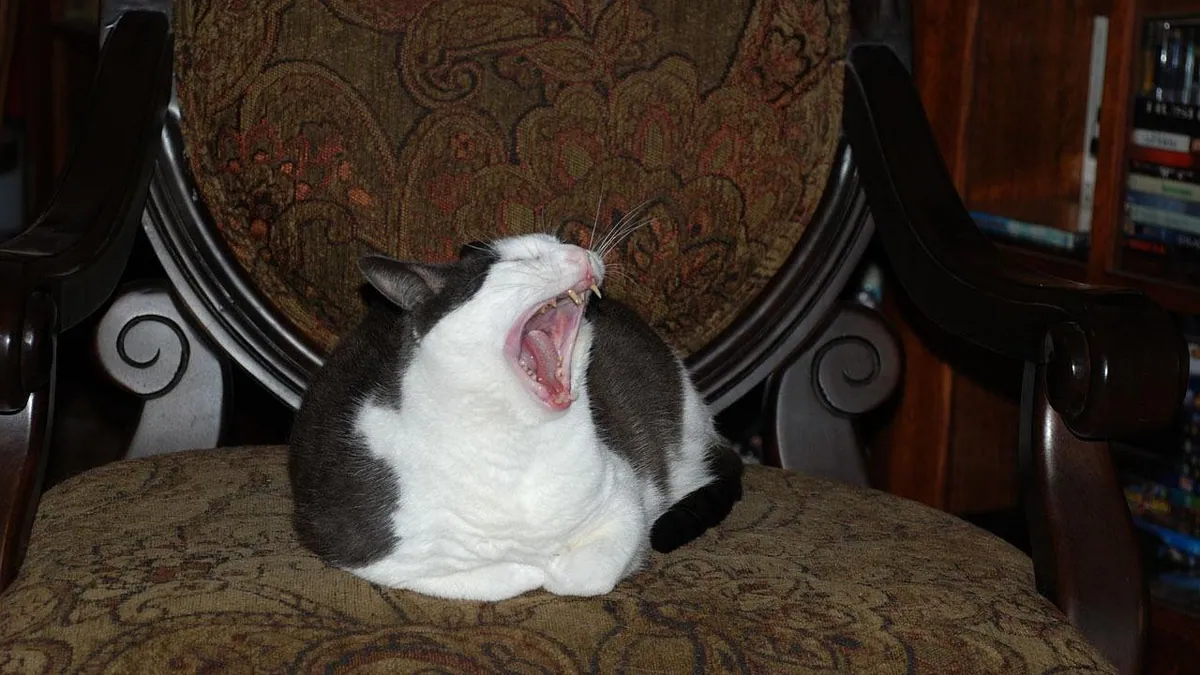
Can I give my cat Zofran for vomiting? Yes, but only with a veterinarian's guidance. Zofran (ondansetron) is a human anti-nausea drug that veterinarians do prescribe for cats, and it can help with certain types of vomiting. The dose depends on your cat's weight and health, so you should never guess it at home.
This article is educational and is not a substitute for veterinary diagnosis or treatment.
Quick Answer
- Zofran is the brand name for ondansetron, an antiemetic (anti-vomiting) drug that veterinarians use in cats for nausea and vomiting.
- A dose used in one feline study was ondansetron 0.22 mg/kg given by injection, which is a veterinary setting, not a home dose [1].
- Never give your cat a whole human tablet or a dose based on a human label. Your veterinarian calculates the dose from your cat's weight and condition.
- Vomiting can be a symptom of something serious, including a heart rhythm problem triggered by vomiting in one reported cat [2].
- If your cat vomits repeatedly, seems painful, or acts dull, call your veterinarian or an emergency clinic the same day.
What Zofran Is and What Veterinarians Use It For
Zofran is a prescription medicine made for people. Its active ingredient is ondansetron. In veterinary medicine, ondansetron is used as an antiemetic, which means it works against nausea and vomiting.
Veterinarians reach for ondansetron when a cat's vomiting is tied to a known trigger or a treatable cause. It is also studied as a way to prevent vomiting before procedures. In one study, cats given ondansetron before dexmedetomidine (a sedative that often causes vomiting) had less retching and vomiting than cats given a saline solution [1]. A larger review of antiemetic strategies in cats looked at ondansetron along with maropitant and metoclopramide for preventing and treating vomiting [3].
That does not mean ondansetron is right for every vomiting cat. Vomiting is a symptom, not a disease. If your cat swallowed a toy, has a blocked intestine, or has kidney disease, an anti-nausea drug may quiet the symptom while the real problem keeps getting worse.
If your cat's vomiting started after a new medication, that is a different conversation. Our guide on whether your cat's medication is causing vomiting walks through what to watch for.
How Ondansetron Works in Cats
Ondansetron blocks serotonin receptors in the gut and in the brain's vomiting center. Serotonin is one of the chemical signals that tells the body to throw up. By blocking that signal, ondansetron can reduce nausea and the urge to vomit.
Different antiemetics block different signals. Maropitant blocks a different receptor and is heavily studied in cats for vomiting prevention [3][4]. Metoclopramide works through yet another pathway and also speeds stomach emptying. Because the pathways differ, your veterinarian may choose one drug, or combine drugs, based on what is likely causing the vomiting.
One practical point: ondansetron does not fix the cause. It reduces the symptom. If the underlying problem is inflammation of the pancreas, a foreign object, or kidney disease, the drug buys comfort but not a cure.
Dosing Basics for Cats
Who decides the dose
Your veterinarian decides. There is no safe at-home dose chart for ondansetron in cats. The dose depends on your cat's weight, the cause of the vomiting, other medicines your cat takes, and liver and kidney function.
For context, a study that used ondansetron in cats gave 0.22 mg/kg by intramuscular injection 30 minutes before a sedative [1]. That is a research protocol given by a veterinary team, not a home instruction. Your veterinarian may use a different dose, a different route, or a different drug entirely.
How it is given
In veterinary hospitals, ondansetron can be given by injection [1]. At home, it is usually given by mouth as a tablet or liquid. Human Zofran comes in several forms and strengths, including orally disintegrating tablets. Those forms are made for people, and the strengths do not match cat-sized doses. A veterinarian may send you home with a compounded liquid made for your cat's exact dose.
Never split a human tablet and guess. Small errors matter a lot in a 8-pound cat.
What to do about a missed dose
If you miss a dose, do not double up. Give the next dose at the regular time, or call your veterinarian for instructions. If you are not sure whether your cat kept the dose down, do not repeat it without asking. A second dose on top of the first can push your cat toward overdose.
Side Effects of Ondansetron in Cats
Ondansetron is generally well tolerated in cats, but side effects happen. The table below separates the common from the serious.
| Side effect | How common or serious | What to do |
|---|---|---|
| Sleepiness or sedation | Reported in cats given sedating drugs alongside antiemetics [5] | Keep your cat quiet and watch her breathing. Call your vet if she is hard to wake. |
| Drooling, lip licking, retching | These are nausea signs tracked in feline antiemetic studies [1][4] | Note how often they happen. If they continue after treatment, call your vet. |
| Vomiting that does not stop | Serious. It can signal a blockage, toxin, or organ disease | Call your veterinarian or an emergency clinic the same day. |
| Fainting or collapse after vomiting | Rare but serious. One cat had a high-grade heart block triggered by vomiting [2] | Treat this as an emergency. Go to a veterinary hospital now. |
| Constipation or changes in stool | Possible with ondansetron in people, less well documented in cats | Mention it at your next visit, or call sooner if your cat strains or stops eating. |
Sedation is the most commonly reported adverse effect when antiemetics are used around emesis-inducing drugs in cats [5]. That does not mean ondansetron itself always causes it, since other drugs are often on board at the same time.
Who Should Not Take Ondansetron and What It Interacts With
Ondansetron is not right for every cat. Your veterinarian may avoid it or adjust the plan if your cat:
- Has liver disease. The liver processes ondansetron, so a damaged liver changes how long the drug stays in the body.
- Has a known heart rhythm problem. One cat developed a serious heart block triggered by vomiting, and that case improved with antiemetic treatment alone [2]. Heart issues need a veterinarian's eyes before any drug is added.
- Is pregnant or nursing. There is little feline-specific safety data, so this is a veterinarian's call.
- Is already on other anti-nausea drugs. Stacking antiemetics can increase sedation and other side effects.
- Is a kitten. See the FAQ below.
Drug interactions matter. Tell your veterinarian every drug, supplement, and flea product your cat takes. Do not mix ondansetron with other sedating drugs unless your veterinarian says it is fine. If you are considering other human medicines for your cat, our article on Benadryl for cats explains why human drugs need veterinary dosing every time.
Overdose: What to Do Right Away
Signs of too much ondansetron can include heavy sedation, tremors, agitation, vomiting that will not stop, or a cat that is hard to rouse. If you think your cat got too much:
- Remove the medicine from reach.
- Note how much your cat may have taken and when.
- Call your veterinarian or a pet poison hotline right away. The ASPCA Animal Poison Control Center is (888) 426-4435. The Pet Poison Helpline is (855) 764-7661. Fees may apply.
- Do not wait for symptoms to appear before you call.
Do not try to make your cat vomit to get the drug out. Inducing vomiting in cats is difficult and often fails, and it can cause harm [5]. Our article on why inducing vomiting in a cat is rarely recommended explains the risks.
Limitations and When to Contact a Veterinarian
Ondansetron treats the symptom, not the cause. Masking vomiting can delay a diagnosis that matters. A cat with a swallowed string, a urinary blockage, or pancreatitis can look a little better on an anti-nausea drug while the real problem grows.
Call your veterinarian the same day if your cat:
- Vomits more than two or three times in a day
- Vomits after drinking, or cannot keep water down
- Has diarrhea along with vomiting
- Seems painful in the belly, or cries when picked up
- Is a kitten, senior, or has a chronic illness
- Is on a new medication and started vomiting after the first doses
Go to an emergency clinic now if your cat:
- Collapses, faints, or has a seizure after vomiting [2]
- Vomits blood, or the vomit looks like coffee grounds
- Breathes fast or with effort
- Has a swollen, hard belly
- Cannot stand, or is limp and unresponsive
- May have eaten a toxin, human medicine, or a foreign object
Schedule a routine visit if the vomiting comes and goes over days, if your cat is losing weight, or if the vomiting happens mostly after meals. If your cat's vomiting is tied to a medication change, our guide on what to do if your cat's medication is causing vomiting covers home care and when to call.
Every cat is different. Only your veterinarian can examine your cat, run tests if needed, and set a treatment plan for her.
Frequently Asked Questions
Can I give my cat Zofran without seeing a vet?
No. Ondansetron is a prescription drug, and the dose depends on your cat's weight and health. Giving it without a diagnosis can hide a serious problem like a blockage or organ disease. Call your veterinarian first.
Can I give my kitten Zofran?
Only if a veterinarian prescribes it for that kitten. Kittens are small and dehydrate fast, so vomiting in a kitten needs a veterinary exam quickly. There is no home dose you can safely guess.
How long does ondansetron take to work in a cat?
It usually starts working within about an hour when given by mouth, and faster when injected. If your cat is still vomiting after treatment, that is a sign the cause needs more investigation. Call your veterinarian.
Is ondansetron the same as Cerenia?
No. Cerenia is the brand name for maropitant, a different antiemetic that blocks a different receptor. Maropitant has strong evidence for reducing vomiting in cats [3][4]. Your veterinarian picks between them, or combines them, based on your cat.
Can I give my cat ondansetron every day?
Only if your veterinarian sets a schedule and a stop date. Long-term use needs monitoring, especially if your cat has liver or kidney disease. Do not refill or continue the drug on your own.
What if my cat throws up the Zofran pill?
Do not give another dose right away. Call your veterinarian and describe what happened, including how soon after the pill your cat vomited. A repeated dose can lead to too much drug in the body.
Related Articles
- Can You Give Your Cat Benadryl? Dosage and Safety Guide
- Is Your Cat's Medication Causing Vomiting? When to Worry
- Can I Give My Cat Melatonin? Safety, Dosage, and When to Avoid It
- What to Do If Your Cat's Medication Is Causing Vomiting: Home Care and When to Call the Vet
- How to Safely Induce Vomiting in a Cat: Why It's Rarely Recommended
- Can You Give Your Dog Imodium? Dosage and Safety Guide
- Zofran for Cats: Dosing, Frequency and Safety
- Cat Nausea and Vomiting: Safe Home Treatment
- Zantac for Cats: Is It Safe and What Dose?
References
- The Effect of Maropitant, Ondansetron and Metoclopramide on Dexmedetomidine-Induced Vomiting in Cats. Veterinary medicine and science, 2025.
- Situational syncope caused by vomiting in a cat. The Journal of veterinary medical science, 2024.
- Receptor-Targeted Antiemetic Strategies in Cats: A Systematic Review and Intervention-Specific Meta-Analysis. Veterinary medicine and science, 2026.
- Evaluation of the antiemetic, sedative and analgesic effects of butorphanol and maropitant in combination with dexmedetomidine in cats undergoing ovariohysterectomy. The Veterinary record, 2025.
- Inducing emesis in Australian dogs and cats: agents, adverse effects and antiemetic administration. Australian veterinary journal, 2025.