Revolution for Dogs and Cats: What It Treats and How to Use It
By Dr. Zubair Khalid, DVM, MS, PhD ·
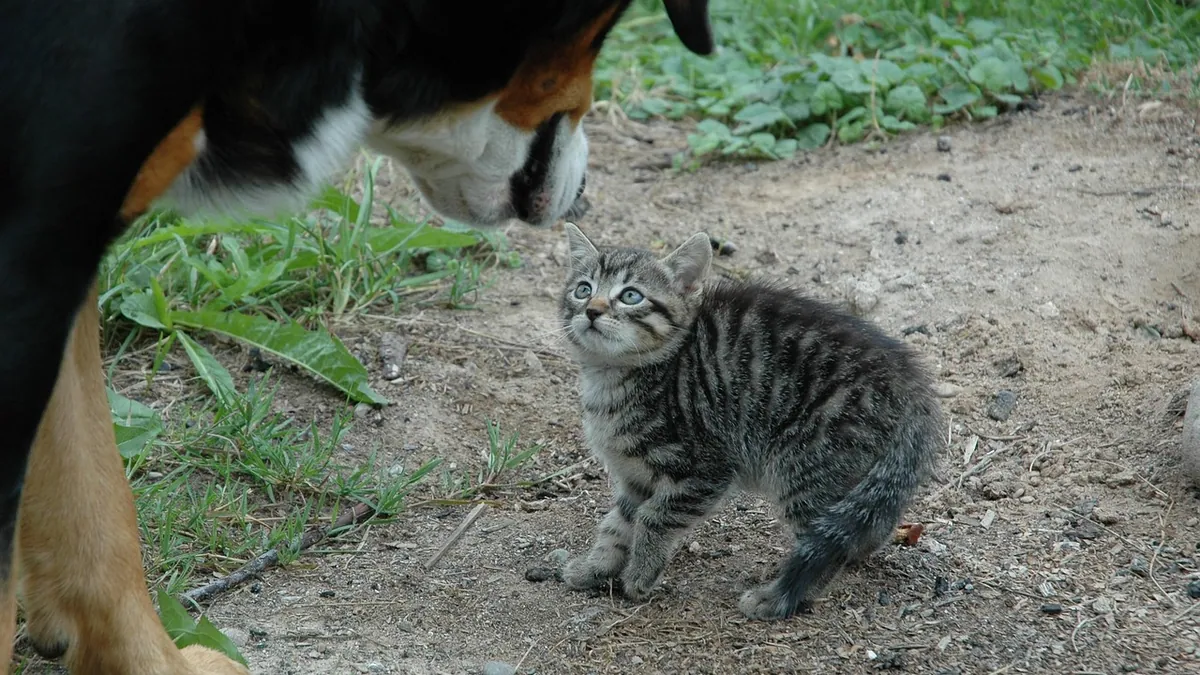
Revolution for dogs and cats is a prescription topical parasiticide applied once a month to kill fleas, ticks, and several internal parasites. What it covers depends on the species and on which version your veterinarian prescribes, since the plain selamectin product and the newer selamectin plus sarolaner product have different labels. The drug is generally well tolerated, but correct application and realistic expectations about what it does and does not do matter a great deal.
This article is educational and is not a substitute for veterinary diagnosis or treatment.
Quick Answer
- Revolution (selamectin) is a monthly spot-on that treats fleas, prevents heartworm, and controls ear mites, sarcoptic mange, and some roundworm and hookworm infections in dogs and cats.
- Revolution Plus adds sarolaner, which broadens tick coverage and is labeled for cats at a minimum dose of 6.0 mg/kg selamectin plus 1.0 mg/kg sarolaner [1].
- Apply the entire tube directly to the skin at the base of the neck, between the shoulder blades, on a pet that is dry and has no broken skin there.
- Most side effects are mild and temporary at the application site, but hair loss, drooling, and rare neurologic signs can occur.
- Never split a tube between pets or switch between dog and cat products without veterinary guidance, because the formulations and doses are not interchangeable.
What Revolution Is and What It Covers
Revolution is the brand name for selamectin, a topical parasiticide in the avermectin family. It is absorbed through the skin into the bloodstream and then redistributed to the skin surface, where it kills parasites that feed on your pet. Because it reaches the bloodstream, it also works against heartworm larvae and some intestinal worms.
Revolution Plus is a different product. It combines selamectin with sarolaner, a second ingredient with a different mode of action. The two act together to give high efficacy and a fast speed of kill against fleas, which reduces flea egg production, lowers the burden of flea allergic dermatitis, and reduces the risk of infection with the tapeworm Dipylidium caninum [1]. In cats, a single dose of Revolution Plus prevented Dipylidium caninum infection for a month by killing the flea that carries the tapeworm [2].
Tick coverage is where the two products differ most. Revolution Plus has demonstrated broad-spectrum efficacy against ten tick species, with efficacy above 90% for at least four weeks after a single treatment against Amblyomma americanum, Amblyomma maculatum, Dermacentor reticulatus, Dermacentor variabilis, Haemaphysalis longicornis, Ixodes hexagonus, Ixodes holocyclus, Ixodes ricinus, Ixodes scapularis, and Rhipicephalus sanguineus [1]. That fast kill also reduces the chance that a tick will transmit a disease such as Borrelia burgdorferi, the agent of Lyme disease [1]. In cats specifically, Revolution Plus has been shown to protect against transmission of Borrelia burgdorferi from infected Ixodes scapularis ticks by killing the ticks before transmission occurs [3]. Separate studies confirmed efficacy against lone star ticks (Amblyomma americanum) in cats across multiple US isolates, with no treatment-related adverse reactions reported [4].
Plain selamectin (Revolution) does not carry that same tick label. If tick control is your goal, ask your veterinarian which product is appropriate for your pet and your region.
If you are specifically comparing the feline products, our guide to Revolution Plus for cats walks through the differences in more detail.
How It Works
Selamectin and sarolaner both interfere with the nervous system of parasites, but they do it in different ways. That is why combining them produces both high efficacy and a fast kill against fleas [1]. The drug is applied to the skin, absorbed systemically, and then delivered back to the skin surface where fleas and ticks feed.
Because the medication is systemic, it does not depend on the parasite biting exactly where you applied the dose. It also means the product keeps working through bathing and normal grooming, though you should still follow label guidance about when your pet can get wet after application.
Dosing Basics for Dogs and Cats
Who decides the dose
Your veterinarian does. Revolution and Revolution Plus come in premeasured tubes sized to weight ranges, and your veterinarian selects the tube that matches your pet's current weight and health status. Do not estimate the dose yourself, and do not use a tube left over from a pet of a different size.
For reference, the labeled minimum feline dose for the selamectin plus sarolaner product is 6.0 mg/kg selamectin and 1.0 mg/kg sarolaner, given once monthly as a low-volume spot-on [1]. That is a label minimum, not a dose you calculate at home. If you want to understand how feline dosing is structured, see the Revolution Plus for Cats: Selamectin Sarolaner Feline Dose Guide.
How to apply it correctly
- Confirm your pet is dry and has not been bathed recently.
- Part the hair at the base of the neck, between the shoulder blades, until you can see skin.
- Place the tip of the tube against the skin and squeeze out the entire contents in one spot.
- Keep the pet from licking the area until it dries, and keep other pets away from the treated spot.
- Wash your hands afterward.
Applying to the fur instead of the skin is the most common reason a dose fails. If the product ends up mostly on the hair coat, it may not be absorbed properly.
Missed doses
If you miss a month, apply the next dose as soon as you remember, then restart a monthly schedule from that date. Do not double up to catch up. If your pet is on heartworm prevention and you have missed more than a month or two, call your veterinarian, because a heartworm test may be needed before you restart.
Revolution for Dogs and Cats: Side Effects to Watch For
Most reactions are mild and resolve without treatment. The table below separates the common from the serious.
| Side effect | How common or serious | What to do |
|---|---|---|
| Temporary hair loss, itching, or redness at the application site | Common and usually mild | Leave the area alone and monitor. Call your veterinarian if it worsens or does not improve in a few days. |
| Drooling, gagging, or brief lethargy right after application | Uncommon and usually short-lived | Prevent licking of the site. Call your veterinarian if it persists. |
| Vomiting or diarrhea | Uncommon | Withhold food briefly if your veterinarian advises it, and call if it continues. |
| Tremors, wobbling, dilated pupils, or seizures | Rare but serious | Stop using the product and contact a veterinarian immediately. |
| Severe swelling, hives, or difficulty breathing | Rare and an emergency | Go to an emergency clinic now. |
In controlled feline studies of the selamectin plus sarolaner product, no treatment-related adverse reactions occurred [4]. That is reassuring, but it does not mean reactions never happen in real-world use. Individual pets can respond differently, and any new or worsening sign after application deserves a phone call.
Who Should Not Use It and What Interacts With It
Do not use Revolution or Revolution Plus on a pet that is sick, underweight, or recovering from illness without veterinary clearance. Do not use it on puppies or kittens below the minimum age and weight on the label, and do not use the dog product on a cat or the cat product on a dog.
Use caution in pets with a history of neurologic problems, including seizures. Avermectin-class drugs can lower the seizure threshold in susceptible animals, and your veterinarian may choose a different product.
Collies and related herding breeds have a well-known sensitivity to some avermectin drugs because of a mutation in the MDR1 gene. Selamectin is generally considered safer in these breeds than some other drugs in the class, but tell your veterinarian your dog's breed and any known genetic testing results so the decision is made with that information.
Drug interactions with selamectin and sarolaner are not well established in veterinary research. Tell your veterinarian about every product your pet receives, including other flea and tick products, dewormers, and any medication for heart, seizure, or behavioral conditions. Using two products that contain overlapping ingredients can unintentionally increase the dose.
If you are adding a new pet to the household, our article on introducing a new dog and cat covers how to manage the transition, including keeping treated pets separated while the product dries.
Overdose and When to Call for Help
Overdose is most likely when a pet licks off a freshly applied dose, when a tube meant for a large dog is used on a small one, or when a pet chews open a tube. Signs of avermectin toxicity include drooling, vomiting, dilated pupils, tremors, wobbling, and seizures.
If you suspect an overdose or your pet is showing neurologic signs, call your veterinarian or an animal poison control service right away. Have the product name, the tube size, your pet's weight, and the time of exposure ready. Do not wait to see if signs improve on their own.
Limitations and When to Contact a Veterinarian
Revolution is not a treatment for an active flea infestation in your home. It kills fleas on the pet, but eggs, larvae, and pupae in the environment survive and will keep emerging. You usually need to treat the environment as well, and it can take several weeks before the flea population drops noticeably.
Revolution does not treat tapeworms directly in the way it treats roundworms and hookworms. It reduces tapeworm risk indirectly by killing the fleas that carry them [2][1]. If your pet already has a tapeworm infection, a separate deworming treatment is needed.
Contact your veterinarian the same day if you see swelling or hives at the application site, if your pet vomits repeatedly, or if your pet seems unusually tired or unsteady. Go to an emergency clinic immediately for seizures, collapse, difficulty breathing, or a swollen face. Schedule a routine visit if your pet keeps getting fleas or ticks despite monthly treatment, because that usually points to an application problem, a product mismatch, or an environmental source.
Every pet is different, and your veterinarian is the only one who can decide whether this product is right for yours.
Frequently Asked Questions
Can I use Revolution on both my dog and my cat?
Only if your veterinarian prescribes the correct species-specific product for each pet. Dog and cat formulations are not interchangeable, and the selamectin plus sarolaner product has its own feline label and dosing [1]. Never split one tube between two pets.
How long does Revolution take to start killing fleas?
The selamectin and sarolaner combination was designed for a fast speed of kill against fleas, which is one reason it also reduces tapeworm risk [1]. Your veterinarian can tell you what to expect for your pet's specific situation.
What happens if my pet licks the medication off?
Licking the application site can cause drooling, gagging, or brief stomach upset. Apply the product where your pet cannot reach it, and separate pets until the area is dry. Call your veterinarian if signs are severe or do not settle.
Does Revolution protect against Lyme disease?
In cats, the selamectin plus sarolaner product has been shown to prevent transmission of Borrelia burgdorferi from infected Ixodes scapularis ticks by killing the ticks before transmission occurs [3]. Protection depends on using the correct product and applying it on schedule.
Can I bathe my pet after applying Revolution?
Follow the label guidance on your specific product, since timing varies. In general, wait until the application site is fully dry and avoid bathing right after application. If you are unsure, ask your veterinarian before the next dose.
Related Articles
- Revolution Plus For Cats
- Revolution Plus for Cats: Selamectin Sarolaner Feline Dose Guide
- Home Dental Care for Cats: Brushing Alternatives and Dental Treats
- Choosing the Right Kitten Formula: A Veterinary Guide to Milk Replacers
- Introducing New Dog Cat
- Cat Treats
- Is Revolution Safe If My Cat Licks It?
- Frontline for Cats: Dosage, Application, and Safety
- Simparica for Cats: What It Covers and How It Works
- Canine Heartworm Prevention and Flea Control: Combination Pill Options and Veterinary Guide
- Canine Heartworm and Flea Control: Integrated Parasite Prevention with Oral Combination Products
References
- A review of the parasiticidal efficacy of a selamectin plus sarolaner combination for use on cats. Veterinary parasitology, regional studies and reports, 2026.
- Efficacy of Revolution®Plus in cats for the prevention of Dipylidium caninum transmission by infected Ctenocephalides felis. Parasites & vectors, 2025.
- Efficacy of Revolution® Plus (selamectin plus sarolaner) for the prevention of transmission of Borrelia burgdorferi from infected Ixodes scapularis to cats. Parasites & vectors, 2026.
- Efficacy of Revolution® Plus (selamectin plus sarolaner) against Amblyomma americanum (lone star ticks) in cats. Parasites & vectors, 2025.