Pyrantel for Cats: Dosage and How Often to Give It
By Dr. Zubair Khalid, DVM, MS, PhD ·
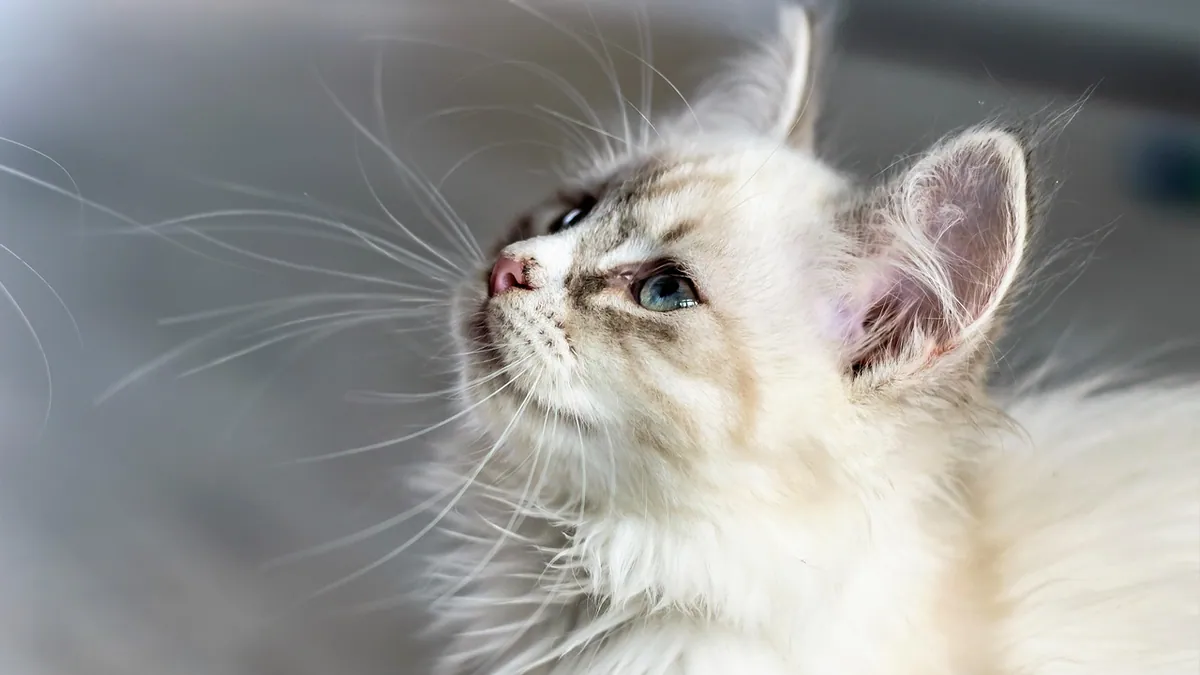
Pyrantel for cats dosage per pound is not something you should guess at home. Your veterinarian calculates the exact amount from your cat's current weight, and the right product must be labeled for cats. Giving a dog dewormer or a human pinworm medicine to your cat can cause serious harm.
This article is educational and is not a substitute for veterinary diagnosis or treatment.
Quick Answer
- Pyrantel is a dewormer that treats roundworms and hookworms in cats. It does not treat tapeworms, so a tapeworm diagnosis needs a different drug.
- The dose is based on body weight in pounds or kilograms, and only your veterinarian can set the number for your cat.
- Most deworming schedules repeat the dose, often in 2 to 3 weeks, because pyrantel kills adult worms but not all developing stages.
- Never use a pyrantel product made for dogs, livestock, or humans unless your veterinarian specifically prescribes it for your cat.
- Call your vet or a poison control line right away if your cat gets the wrong amount or the wrong product.
What Pyrantel Is and What Veterinarians Use It For
Pyrantel is an anti-parasitic drug, most often sold as pyrantel pamoate. It belongs to a group of medicines that paralyze certain intestinal worms so the cat's body can pass them out in the stool. In cats, veterinarians use it mainly for two worms: roundworms (Toxocara and Toxascaris species) and hookworms (Ancylostoma and Uncinaria species).
Pyrantel shows up in several forms. Some cat-labeled dewormers are liquids or small tablets you give by mouth. Pyrantel also appears in combination products for dogs, where it is mixed with other drugs to cover a wider range of parasites. One example is a chewable tablet for dogs that combines fluralaner, moxidectin, and pyrantel, and it is used to treat and prevent canine lungworm infection [1]. Another dog product pairs lotilaner, moxidectin, praziquantel, and pyrantel pamoate to provide month-long parasite control after a single oral treatment [2]. These products are made for dogs. They are not cat dewormers, and the doses inside them are not designed for cats.
This is where many owners get into trouble. A dewormer that works well for a dog can be dangerous for a cat, even if the active ingredient sounds familiar. Always check the label for the species. If it says dog, do not give it to your cat.
If your cat has tapeworms, pyrantel will not help. Tapeworms need a different medicine, and you can read more about that in Tapeworm Medicine For Cats.
How Pyrantel Works
Pyrantel acts on the nervous system of susceptible worms. It causes a type of sustained muscle contraction that paralyzes the worm. Once paralyzed, the worm loses its grip on the intestinal wall and is swept out of the body with normal stool passage. Because the drug works in the gut and is poorly absorbed into the bloodstream, its main activity stays where the worms live.
That same feature explains its limits. Pyrantel kills worms that are living in the intestinal tract at the time of treatment. It does not kill migrating larvae moving through tissues, and it does not kill every developing stage. This is why a single dose often is not enough. Worms that were too young to be affected can mature days or weeks later, which is why veterinarians repeat the treatment.
Pyrantel also has no activity against fleas, ticks, or tapeworms. If your cat has fleas, those fleas can carry tapeworm larvae, and a cat that swallows an infected flea can develop tapeworms. Monthly parasite prevention products address a different set of problems. For example, a topical combination of selamectin and sarolaner provides a minimum dose of 6.0 mg/kg selamectin and 1.0 mg/kg sarolaner and works against fleas and many tick species [3]. You can read more about that type of product in Revolution Plus for Cats: Selamectin Sarolaner Feline Dose Guide. Deworming and flea control are separate jobs, and a good parasite plan usually includes both.
Pyrantel for Cats Dosage Per Pound: The Basics
Who decides the dose
Your veterinarian decides the dose. There is no safe universal number you can apply at home, because the right amount depends on your cat's weight, age, overall health, and the specific product being used. A kitten weighs far less than an adult cat, and a small error in measurement can mean a large error in dose. Your vet will weigh your cat, choose a product labeled for cats, and calculate the amount.
How it is given
Pyrantel for cats is given by mouth. It may come as a liquid measured with a syringe or as a tablet. If you use a liquid, use the dosing syringe that came with the product, not a kitchen spoon. Kitchen spoons vary in size and can throw the dose off. If you use a tablet, follow your vet's instructions about whether to give it with food or on an empty stomach.
Some cats spit medicine out or hide it in their cheek pouch. Watch your cat for a minute after dosing to make sure the medicine was swallowed. If you are not sure your cat got the full dose, call your vet before giving more.
What to do about a missed dose
If you miss a dose, contact your veterinarian for guidance. Do not double up to make up for the missed dose. Doubling can push your cat into an overdose range. Your vet will tell you whether to give the missed dose late or wait until the next scheduled treatment.
How often to repeat it
Pyrantel for cats is usually repeated on a schedule set by your veterinarian, commonly about 2 to 3 weeks after the first dose. The repeat catches worms that were not vulnerable the first time. Some cats need additional rounds based on fecal testing results, their age, and their risk of re-exposure. Kittens, cats that hunt, and cats in multi-cat homes often need a more structured deworming plan.
Pyrantel pamoate dosage for cats is not a one-time event for most infections. Follow the schedule your vet gives you, and do not stop early just because your cat seems fine. Worms can be present without obvious signs.
Side Effects of Pyrantel in Cats
Most cats tolerate pyrantel well when it is dosed correctly. Side effects tend to be mild and short-lived. The table below covers what owners most often see.
| Side effect | How common or serious | What to do |
|---|---|---|
| Vomiting | Uncommon, usually mild | Withhold food for a short time if your vet agrees, offer water, and call your vet if vomiting repeats or lasts more than a day |
| Diarrhea or loose stool | Uncommon, usually mild | Keep water available, call your vet if diarrhea is severe, bloody, or lasts more than 24 hours |
| Drooling or lip smacking | Uncommon, often from the taste of the medicine | Offer a small drink of water, watch for a few minutes, call your vet if it continues |
| Loss of appetite | Uncommon, usually brief | Call your vet if your cat refuses food for more than 24 hours |
| Lethargy or sleepiness | Uncommon, usually mild | Let your cat rest, call your vet if your cat is hard to wake or seems weak |
| Tremors, wobbling, or trouble walking | Rare, potentially serious | Call your veterinarian or an animal poison control service right away |
| Seizures or collapse | Rare, serious | This is an emergency, go to a veterinary hospital now |
Serious reactions are more likely when a cat receives too much drug, receives a product meant for another species, or has an underlying health problem. If your cat has ever reacted badly to a dewormer, tell your vet before the next dose.
Who Should Not Take It and What Interacts With It
Pyrantel is not right for every cat. Your veterinarian will weigh the risks and benefits in these situations:
- Cats that are sick, weak, or severely underweight may need treatment delayed until they are more stable.
- Cats with liver or kidney disease need careful evaluation, because the body handles drugs differently when these organs are not working well.
- Pregnant or nursing cats should only be treated under direct veterinary supervision.
- Kittens need a product and dose appropriate for their age and size. Never use an adult dose on a kitten.
- Cats taking other medications may need a different plan. Tell your vet about every drug, supplement, and parasite product your cat receives.
Drug interactions with pyrantel are not common, but they can happen. Some dewormers are combined with other drugs, and the combination changes the safety profile. For example, a long-term safety study in dogs examined a chewable tablet containing lotilaner, moxidectin, praziquantel, and pyrantel pamoate at the upper end of the recommended dose range, which was 20 to 41 mg/kg lotilaner, 0.02 to 0.04 mg/kg moxidectin, 5 to 10 mg/kg praziquantel, and 5 to 10 mg/kg pyrantel, and at multiples of that dose given repeatedly [2]. That study was done in dogs, and it does not tell us what is safe for cats. It does show that combination parasite products are dosed very specifically. This is another reason not to borrow a dog product for your cat.
If your cat is on medication for another condition, bring the list to your appointment. That includes thyroid medicine, which you can read about in Methimazole Cat Dose: Feline Hyperthyroidism Dose and Monitoring, and insulin for diabetes, covered in Insulin Glargine for Cats: Feline Diabetes Dose and Glucose Curve. Your vet needs the full picture to choose a dewormer safely.
Overdose and When to Call for Help
An overdose can happen in a few ways. A cat may chew into a package and eat tablets. An owner may misread a label or use a dog product. A liquid may be measured with the wrong tool. Signs of overdose can include vomiting, drooling, tremors, wobbling, weakness, or seizures.
If you think your cat got too much pyrantel, call your veterinarian or an animal poison control service immediately. Do not wait for symptoms to appear. Have the product packaging with you so you can read the drug name, strength, and the amount your cat may have swallowed. Your vet may recommend bringing your cat in for examination and supportive care.
If your cat is having a seizure, is collapsing, or is struggling to breathe, treat it as an emergency and go to the nearest veterinary hospital now.
Limitations and When to Contact a Veterinarian
Pyrantel treats roundworms and hookworms. It does not treat tapeworms, fleas, ticks, or other parasites. A negative response to pyrantel does not always mean the drug failed. It may mean your cat has a different parasite, or that the dose or schedule needs to change. Only your veterinarian can sort that out, and individual cases always need a veterinary exam and plan.
Contact your veterinarian the same day if your cat vomits repeatedly after a dose, has diarrhea that lasts more than a day, refuses food for more than 24 hours, or seems unusually tired.
Go to an emergency clinic now if your cat has a seizure, collapses, has trouble breathing, shows severe weakness, or cannot stand.
Schedule a routine visit if you see worms in the stool or around the tail area, if your cat scoots or has an itchy rear end, if your cat has a potbelly or a dull coat, or if you need a deworming schedule for a new kitten. Bring a fresh stool sample if you can. Fecal testing helps your vet confirm which worms are present and whether treatment worked.
Frequently Asked Questions
Can I use a dog dewormer with pyrantel on my cat?
No. Dog dewormers are formulated and dosed for dogs, and some contain additional drugs that are not safe for cats. Even when the active ingredient is the same, the amount and the combination matter. Use only a product your veterinarian has approved for your cat.
How often should I deworm my cat with pyrantel?
Your veterinarian sets the schedule. A common approach is to repeat the dose a few weeks after the first treatment, then follow a prevention plan based on your cat's lifestyle and risk. Cats that hunt or live with other cats often need more frequent deworming than indoor-only cats.
Does pyrantel treat tapeworms in cats?
No. Pyrantel does not kill tapeworms. Tapeworms need a different medication, and your vet will choose it based on a fecal test or on seeing tapeworm segments around your cat's rear end. If you see rice-like segments, tell your vet.
What happens if I give my cat too much pyrantel?
Too much pyrantel can cause vomiting, drooling, tremors, wobbling, weakness, or seizures. Call your veterinarian or an animal poison control service right away, even if your cat seems normal at first. Bring the packaging so the amount and strength can be confirmed.
Can kittens take pyrantel?
Kittens can be treated for worms, but they need a product and dose made for their age and weight. Never give a kitten an adult dose or a product labeled for adult cats. Your veterinarian will set up a kitten deworming schedule and check your kitten's weight at each visit.
Related Articles
- Can I Give My Cat Melatonin? Safety, Dosage, and When to Avoid It
- Revolution Plus for Cats: Selamectin Sarolaner Feline Dose Guide
- Methimazole Cat Dose: Feline Hyperthyroidism Dose and Monitoring
- Insulin Glargine for Cats: Feline Diabetes Dose and Glucose Curve
- Tapeworm Medicine For Cats
- Can You Give Your Cat Benadryl? Dosage and Safety Guide
- Pyrantel for Cats: Side Effects and What to Watch For
- Praziquantel for Cats: Dosage, Safety, and OTC Options
- Drontal for Cats: Dosage, Schedule, and How Often
References
- Efficacy of a single oral administration of a formulation of fluralaner, moxidectin and pyrantel (BRAVECTO® TriUNO) in dogs for the treatment and prevention of angiostrongylosis. Parasites & vectors, 2026.
- Long-term safety of Credelio Quattro™ (lotilaner, moxidectin, praziquantel, and pyrantel chewable tablets), a novel orally administered combination endectocide for dogs. Parasites & vectors, 2025.
- A review of the parasiticidal efficacy of a selamectin plus sarolaner combination for use on cats. Veterinary parasitology, regional studies and reports, 2026.