Prednisone and Incontinence in Dogs: What to Expect
By Dr. Zubair Khalid, DVM, MS, PhD ·
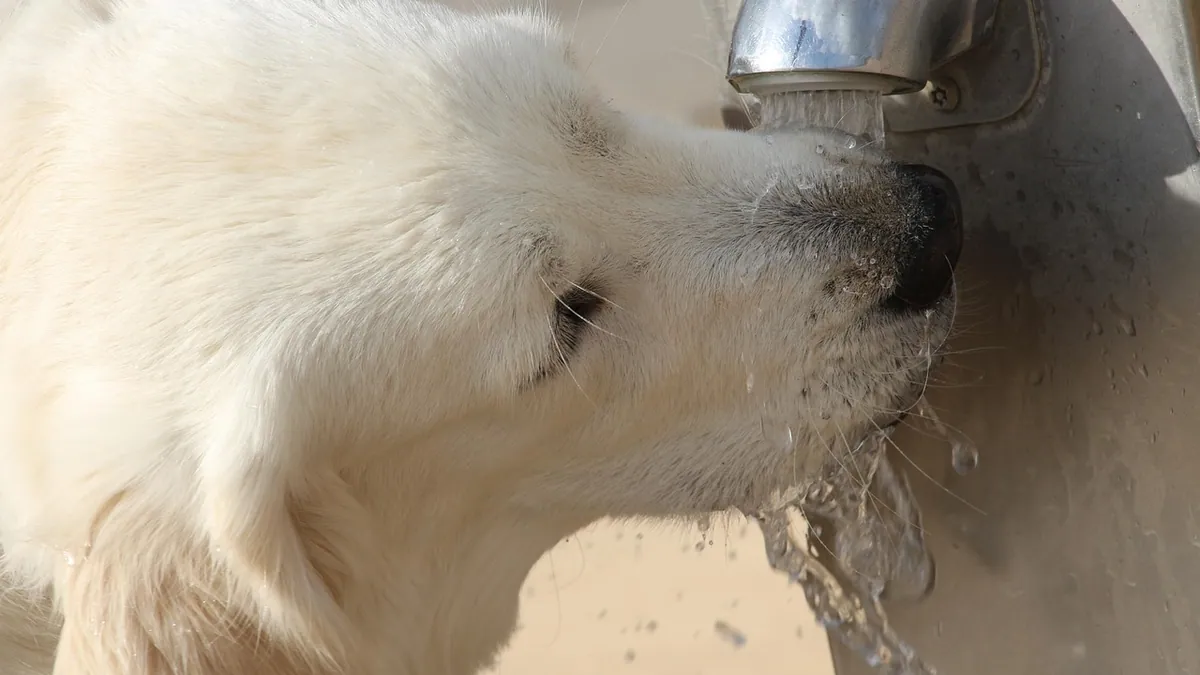
Incontinence in dogs on prednisone is usually not true incontinence at all. Prednisone makes dogs drink more and urinate more, and that extra volume can overwhelm the bladder's ability to hold urine [1][2]. The result looks like leaking or accidents, but the underlying problem is often the medication's normal effect on water balance.
This article is educational and is not a substitute for veterinary diagnosis or treatment.
Quick Answer
- Prednisone commonly causes increased thirst and urination, which owners often mistake for incontinence [2].
- In one small study, 9 of 12 dogs on prednisolone at 1.5 mg/kg or higher developed excessive thirst, and 6 developed dilute urine [2].
- True incontinence is a separate problem, most often caused by urethral sphincter weakness, and it is most common in large-breed spayed females [3].
- Never stop prednisone suddenly on your own. Your veterinarian decides the dose and any taper.
- Call your vet if your dog cannot urinate, strains to urinate, seems painful, or leaks urine while resting or sleeping.
What Prednisone Is and Why Veterinarians Prescribe It
Prednisone is a glucocorticoid, a synthetic version of a hormone your dog's body makes naturally. Glucocorticoids are the most effective anti-inflammatory drugs available in veterinary medicine, and they are also the most commonly used [1]. They work by suppressing many parts of the inflammatory and immune response at once, which is why they help with so many different conditions [1].
Veterinarians prescribe prednisone for allergic skin disease, inflammatory bowel conditions, immune-mediated diseases, some cancers, and many other problems. The dose and the length of treatment depend on the condition. Some dogs take a low dose for a few days. Others take a higher dose for weeks or months. Some dogs stay on a low maintenance dose long term.
If you want a broader look at how this drug is used, see Prednisone for Dogs: Uses, Side Effects, and Safety Guidelines.
How Prednisone Causes Increased Thirst and Urination
Glucocorticoids affect how the kidneys handle water and sodium. They increase urine production, which pulls water out of the body. Your dog then drinks more to keep up. This is called polyuria (excessive urination) and polydipsia (excessive thirst), and it is one of the most predictable effects of steroid treatment in dogs [2].
In a randomized crossover trial, 12 dogs with diseases requiring oral prednisolone were treated with a daily dose of at least 1.5 mg/kg. Nine dogs developed polydipsia and 6 developed dilute urine consistent with polyuria [2]. The median dose in that study was 1.7 mg/kg per day [2]. The researchers compared once-daily dosing with divided twice-daily dosing and found no difference in how many dogs developed these effects [2].
That last point matters. Splitting the dose does not prevent the drinking and urination. It is a drug effect, not a schedule problem.
Why It Looks Like Incontinence
True urinary incontinence means involuntary leakage of urine during the storage phase, when the bladder should be holding urine [4]. The most common cause is urethral sphincter mechanism incompetence, a weakness of the muscle that keeps urine in. It affects 11% to 20% of large-breed spayed female dogs, though it can also occur in intact females, male dogs, and cats [3].
When a dog on prednisone produces a large volume of dilute urine, the bladder fills faster than usual. A dog that normally holds urine for hours may suddenly need to go every hour or two. If you are not home, or if your dog is asleep, urine may escape. This is a volume and urgency problem, not a sphincter problem.
The distinction matters because the treatments are different. Drugs used for true sphincter incompetence, such as alpha-adrenergic agonists and estrogen compounds, do not fix steroid-related urination [3]. Lowering the prednisone dose, when medically safe, usually does.
Dosing Basics
Your veterinarian calculates the prednisone dose from your dog's weight, diagnosis, and response to treatment. Do not adjust the dose on your own, even if the urination seems excessive. Some conditions require a specific dose for a specific number of weeks, and cutting it short can let the disease flare.
Prednisone is usually given by mouth as a tablet or liquid. It is best given with food to reduce stomach upset. If your dog vomits right after a dose, call your vet for advice instead of giving a second dose blindly.
If you miss a dose, give it when you remember, unless it is almost time for the next one. In that case, skip the missed dose and continue on schedule. Do not double up. If you miss doses often, tell your vet so the plan can be adjusted.
Never stop prednisone suddenly after long-term use. The body's own cortisol production can be suppressed, and abrupt withdrawal can cause serious illness. Your vet will give you a tapering plan if one is needed. For more on how tapering works, see Prednisone for Dogs: Steroid Dosing Tapering and Side Effects.
Side Effects: What Is Common and What Is Serious
Most side effects from prednisone are dose-related and improve as the dose is lowered. Some are expected and manageable. Others need a phone call or a visit.
| Side effect | How common or serious | What to do |
|---|---|---|
| Increased thirst and urination | Very common, expected, not dangerous by itself [2] | Keep fresh water available. Offer more frequent bathroom breaks. Tell your vet if it is unmanageable. |
| Increased appetite | Common, expected | Measure meals. Do not free-feed. Watch for weight gain. |
| Panting, restlessness | Common, expected | Keep your dog cool. Mention it at the next recheck. |
| Potbelly appearance, muscle wasting | Common with longer courses | Ask your vet about the lowest effective dose. |
| Stomach upset or vomiting | Possible | Give with food. Call your vet if vomiting continues. |
| Changes in gut bacteria | Documented with high-dose prednisone | Report diarrhea or appetite changes to your vet. |
| Increased risk of infection | Serious | Call your vet for fever, lethargy, or non-healing wounds. |
| Bloody urine, straining, or inability to urinate | Serious | Call your vet the same day. |
| Collapse, severe weakness, or seizures | Emergency | Go to an emergency clinic now. |
A study of healthy dogs given immunosuppressive prednisone at 2 mg/kg per day found changes in some gut bacteria over the treatment period, though overall bacterial diversity did not differ significantly between groups [5]. This is a reminder that high doses affect the body in ways beyond thirst and urination.
If you want a full list of steroid effects, see What Are the Side Effects of Prednisone in Dogs?.
Who Should Not Take Prednisone and What Interacts With It
Prednisone is not right for every dog. Your veterinarian will weigh the risks if your dog has diabetes, heart disease, kidney disease, a current infection, or a history of stomach ulcers. Steroids can raise blood sugar, increase blood pressure, and mask or worsen infections.
Prednisone can interact with other medications. Nonsteroidal anti-inflammatory drugs (NSAIDs) increase the risk of stomach ulcers when combined with steroids. Diuretics can worsen fluid and electrolyte problems. Insulin and diabetes medications may need dose adjustments because steroids raise blood sugar. Tell your vet about every medication, supplement, and topical product your dog receives, including over-the-counter items.
Vaccines and steroids are also a tricky combination. Steroids suppress the immune response, so your vet may want to delay non-urgent vaccines until treatment is finished or the dose is low.
Overdose and When to Call a Veterinarian or Poison Control
If your dog eats a large number of prednisone tablets, call for help right away. Signs of a significant overdose can include severe vomiting, diarrhea, weakness, collapse, and abnormal heart rhythms. Do not wait for symptoms to appear.
Call your veterinarian first. If they are closed, call an animal poison control hotline. In the United States, you can reach the ASPCA Animal Poison Control Center at (888) 426-4435 or the Pet Poison Helpline at (855) 764-7661. Both may charge a consultation fee.
Bring the pill bottle with you or have it nearby. Knowing the strength of the tablets and how many were in the bottle helps the veterinarian estimate how much your dog swallowed.
Managing Incontinence in Dogs on Prednisone at Home
You cannot stop the drug effect, but you can make the weeks easier for both of you.
- Provide constant access to fresh water. Do not restrict water unless your veterinarian specifically tells you to. Restricting water in a dog on steroids can lead to dehydration.
- Take your dog out more often. Every 1 to 2 hours during the day is reasonable for many dogs on higher doses.
- Offer a last bathroom trip right before bed. Some owners set an alarm once during the night for the first week or two.
- Use waterproof pads or belly bands if accidents happen indoors. These are management tools, not cures.
- Keep a simple log of water intake and bathroom trips. This helps your vet judge whether the dose needs adjusting.
- Do not change the dose on your own. Call your vet and describe what you are seeing.
If your dog is a spayed female with leaking that continues after the prednisone course ends, the problem may be true sphincter incompetence instead. That condition has its own treatments. See Spay Incontinence in Female Dogs: Estrogen Deficiency and Propalin Dosing.
Limitations and When to Contact a Veterinarian
This article cannot tell you whether your dog's urination is from the steroid, from a urinary tract infection, from sphincter weakness, or from something else. Only your veterinarian can sort that out with an exam, a urinalysis, and sometimes blood work or imaging. Individual cases need individual veterinary advice.
Call your veterinarian the same day if your dog:
- Strains to urinate or produces only small amounts
- Has blood in the urine
- Cries or seems painful when urinating
- Leaks urine while resting or sleeping, especially after the prednisone course ends
- Develops vomiting, diarrhea, or refuses to eat
- Seems more lethargic than usual
Go to an emergency clinic now if your dog:
- Cannot urinate at all
- Has a hard, painful belly
- Collapses or cannot stand
- Has a seizure
- Breathes rapidly or has pale gums
Schedule a routine recheck if the urination is manageable but you want to discuss lowering the dose, adding a medication, or changing the treatment plan. Your vet may also want to check a urine sample to rule out infection, since steroids can mask the signs of a urinary tract infection.
Frequently Asked Questions
Will the increased urination stop when prednisone is stopped?
Yes, in most dogs the excessive drinking and urination fade within a few days to a couple of weeks after the drug is fully out of the body. The exact timing depends on how long your dog was on the medication and how high the dose was. If leaking continues well after the course ends, tell your vet, because another cause may be at play.
Can I give my dog less prednisone to reduce the urination?
No, do not change the dose without talking to your veterinarian first. The dose was chosen to control a specific disease, and lowering it too soon can cause a flare. Your vet may be able to adjust the plan safely, but that decision needs their input.
Is leaking urine a sign that prednisone is harming my dog's kidneys?
Usually not. The increased urination is an expected effect of the drug on water and sodium handling, not a sign of kidney damage. That said, kidney problems can also cause increased drinking and urination, so your vet may run blood work to check kidney values if the pattern seems unusual.
Should I limit my dog's water while on prednisone?
No, do not restrict water unless your veterinarian specifically instructs you to. Dogs on steroids need water to match their increased urine output, and limiting it can cause dehydration. If the drinking seems extreme, call your vet instead of cutting back on your own.
Does it matter if I give prednisone once a day or split the dose?
In one study, once-daily and divided twice-daily dosing produced similar rates of excessive thirst and dilute urine [2]. The schedule is usually chosen based on the condition being treated and how your dog tolerates the medication, not on preventing urination side effects. Follow the schedule your veterinarian gave you.
Related Articles
- What Are the Side Effects of Prednisone in Dogs?
- Prednisone for Dogs: Steroid Dosing Tapering and Side Effects
- Prednisone for Dogs: Uses, Side Effects, and Safety Guidelines
- Spay Incontinence in Female Dogs: Estrogen Deficiency and Propalin Dosing
- Dog Prednisone for Allergies: Side Effects and Safe Use
- How to Care for a Senior Dog with Incontinence: Tips and Products
- Incontinence in Dogs: Causes, Symptoms, and What to Do
- Prednisone Dosage for Dogs: How Vets Dose and Taper
- Prednisolone for Dogs: Uses, Forms, and How It Differs From Prednisone
References
- Corticosteroids in Animals - Pharmacology. Merck Veterinary Manual.
- Comparison of polydipsia and polyuria in dogs treated with once-daily or divided twice-daily oral prednisolone in 12 dogs. The Journal of small animal practice, 2026.
- Pharmacotherapeutics in Urinary Incontinence in Dogs and Cats - Pharmacology. Merck Veterinary Manual.
- An international survey on canine urinary incontinence: case frequency, diagnosis, treatment and follow-up. Frontiers in veterinary science, 2024.
- Effects of High-Dose Prednisone on the Gastrointestinal Microbiota of Healthy Dogs. Veterinary sciences, 2025.