Pepcid for Cats Dosage: Famotidine
By Dr. Zubair Khalid, DVM, MS, PhD ·
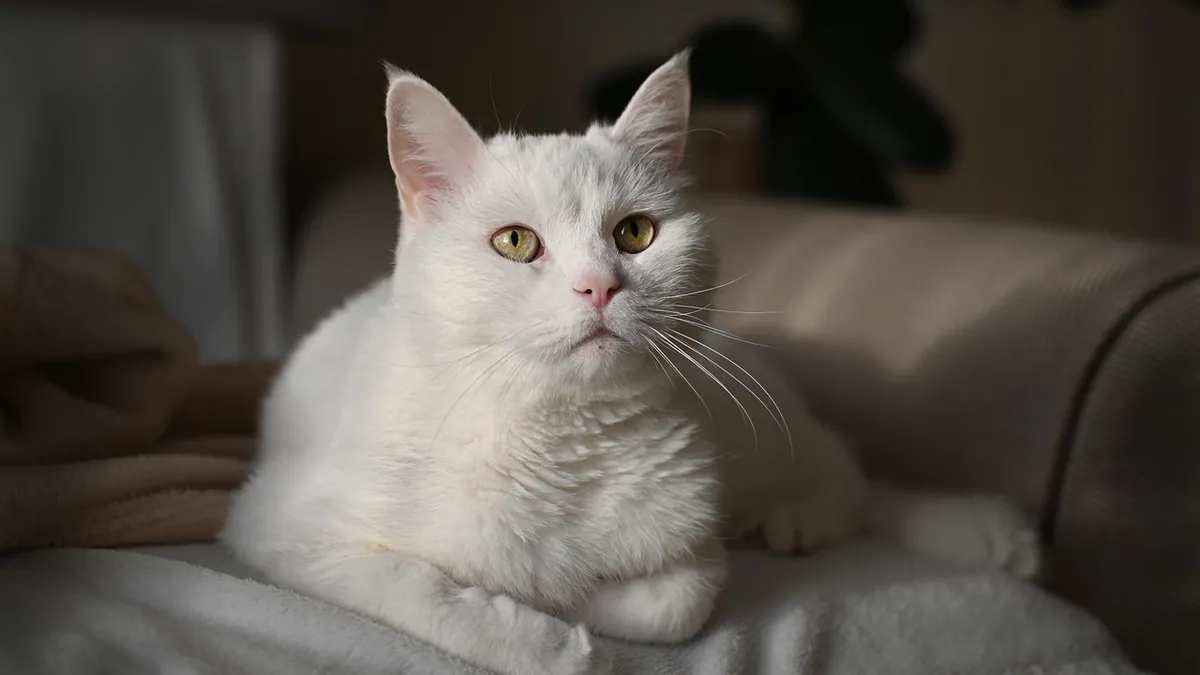
Pepcid for cats dosage is not a one-size number you can guess from a human label. Veterinarians calculate famotidine doses from your cat's body weight and health, and the studies behind those doses used specific amounts that owners cannot safely translate on their own. Giving the wrong amount, or giving it to the wrong cat, can cause real harm.
This article is educational and is not a substitute for veterinary diagnosis or treatment.
Quick Answer
- Famotidine (Pepcid) is an acid-reducing drug that veterinarians sometimes prescribe for cats with stomach or intestinal problems.
- The dose is based on your cat's weight in kilograms, and only your veterinarian should calculate it.
- Human Pepcid comes in tablets and liquids made for people, so the strength rarely matches what a cat needs. Tablets often must be split into tiny pieces.
- Never give famotidine to a cat unless a veterinarian has examined your cat and told you the exact amount and schedule.
- If you think your cat swallowed too much, call your veterinarian or a pet poison hotline right away.
What Is Pepcid and Why Do Veterinarians Use It in Cats?
Pepcid is the brand name for famotidine, a drug that lowers the amount of acid your cat's stomach produces. It belongs to a group of medicines called H2 receptor antagonists. In cats, famotidine reduces the stomach's response to histamine, one of the signals that triggers acid release [1].
Veterinarians reach for famotidine when a cat has conditions linked to too much stomach acid or irritation of the upper digestive tract. That can include vomiting, gastritis, stomach ulcers, or reflux. It is also sometimes used in cats who are stressed or ill and need protection for an irritated stomach lining.
Famotidine is not a cure for whatever is causing the vomiting or stomach pain. It reduces acid, which can ease symptoms while your veterinarian works on the underlying problem. If your cat keeps vomiting or stops eating, the drug alone will not fix it.
How Famotidine Works in a Cat's Body
When your cat eats, histamine binds to H2 receptors on the acid-producing cells in the stomach. That binding tells the cells to release acid. Famotidine blocks those receptors, so histamine has less room to attach and less acid gets released [1].
In a laboratory study of cats with surgically created gastric fistulas, famotidine produced a dose-dependent drop in stomach acid secretion. It was about 4.5 times as potent as ranitidine, an older acid reducer, at suppressing acid triggered by a stimulant [1]. That means smaller amounts of famotidine can do the same acid-blocking job.
One thing owners should understand is that famotidine's effect can fade with repeated use. In a study of healthy cats given famotidine by mouth, the drug's ability to raise stomach pH weakened over 14 days when it was given twice daily, compared with a less frequent schedule [2]. A similar pattern of diminishing effect was seen in dogs given famotidine every 12 hours for 14 days [3]. This is one reason your veterinarian may adjust the plan over time instead of leaving your cat on the same dose forever.
Pepcid for Cats Dosage: What Owners Need to Know
Who decides the dose
Your veterinarian decides the dose. There is no safe, universal number that applies to every cat. The right amount depends on your cat's weight, the reason for treatment, other medicines your cat takes, and how well your cat's kidneys and liver are working.
In research settings, cats have received famotidine at 0.5 to 1.24 mg/kg by mouth, with a median of 0.87 mg/kg, given twice daily [2]. That range comes from a controlled study of healthy cats, not from a home dosing guide. Your veterinarian will use their own judgment and your cat's specific situation to pick a number within a safe range.
Why human tablets are hard to use
Pepcid sold for people is made in strengths designed for human bodies, which are much larger than a cat. A typical human tablet contains far more famotidine than most cats need. To get close to a cat-sized amount, you often have to cut a tablet into quarters or smaller pieces, and even then the piece may not match the exact dose your veterinarian wants.
Cutting tablets is imprecise. A quarter of a tablet does not always contain exactly a quarter of the drug, and crumbs get lost. If your veterinarian prescribes famotidine, ask whether a veterinary compounding pharmacy can make a liquid or a smaller, accurately measured dose for your cat. That is often easier and safer than splitting human pills at home.
How it is given
Famotidine for cats is usually given by mouth, either as a tablet or a liquid. Some veterinarians use an injectable form in the clinic, but that is a hospital decision, not something owners do at home.
If your cat is hard to pill, ask your veterinarian about a liquid form or a flavored compound. Never crush or hide a tablet in food unless your veterinarian says it is fine, because some cats will not eat the whole portion and will get only part of the dose.
What to do about a missed dose
If you miss a dose, do not double up to catch up. Give the next dose at the regularly scheduled time, or call your veterinarian for instructions. Doubling a dose can push your cat into overdose territory, especially with a drug that affects stomach acid and, in some cases, red blood cells.
Side Effects of Famotidine in Cats
Most cats tolerate famotidine well when the dose is correct. Still, any drug can cause problems, and some reactions are serious.
| Side effect | How common or serious | What to do |
|---|---|---|
| Vomiting or nausea after the dose | Uncommon, usually mild | Note the time and tell your veterinarian if it repeats |
| Diarrhea or changes in appetite | Uncommon, usually mild | Mention it at your next visit, or call if it lasts more than a day |
| Drowsiness or seeming "off" | Uncommon, usually mild | Watch your cat and call your veterinarian if it does not improve |
| Drop in red blood cell count (hemolytic anemia) | Rare, but serious, and linked to intravenous use in hospitalized cats | This is a hospital concern. If your cat becomes weak, pale, or breathes fast after treatment, seek emergency care |
| Severe allergic reaction (swelling, trouble breathing, collapse) | Very rare, emergency | Go to an emergency clinic immediately |
A review of hospitalized cats found that a drop in packed cell volume (the percentage of red blood cells in the blood) was similar whether cats received famotidine intravenously, under the skin, or not at all. The median drop was about 3 to 4 percent in all groups, so the drug did not appear to cause a meaningful drop on its own in that hospital population [4]. Even so, hemolytic anemia has been reported anecdotally with intravenous famotidine in cats, which is why some veterinarians avoid the intravenous route when they can [4].
Who Should Not Take Famotidine, and What Interacts With It
Cats with certain health problems may not be good candidates for famotidine. Your veterinarian will weigh the risks if your cat has kidney disease, liver disease, or a history of anemia or blood disorders. Cats who have had a bad reaction to famotidine or another H2 blocker in the past should not get it again without a careful discussion.
Famotidine can interact with other medicines. Drugs that change stomach acid can affect how well other oral medicines are absorbed, and some medicines used for nausea, infections, or pain may not mix well with famotidine. Always give your veterinarian a complete list of everything your cat takes, including prescription drugs, over-the-counter products, and supplements.
If your cat is on other medications, ask your veterinarian whether the timing of doses matters. Sometimes separating doses by a few hours helps. Do not make that decision on your own.
For a broader look at how acid-reducing drugs are dosed in cats and dogs, see this famotidine H2 blocker dose guide. If your cat is also being treated for an infection or needs help eating, these guides may help you understand the rest of the plan: amoxicillin dose guide and mirtazapine appetite stimulant guide.
Overdose: What to Do If Your Cat Gets Too Much
If your cat swallows more famotidine than prescribed, or chews into a bottle of human Pepcid, treat it as an emergency. Signs of overdose can include vomiting, drooling, wobbliness, a fast heartbeat, or unusual sleepiness. Some cats may show no signs at first, which does not mean they are safe.
Call your veterinarian right away. If your regular clinic is closed, call an emergency veterinary hospital or a pet poison hotline. Have the bottle with you so you can tell them the strength of the tablets and how many your cat may have eaten. Do not wait for symptoms to appear before you call.
Do not try to make your cat vomit unless a veterinarian tells you to. Home remedies can make things worse.
Limitations and When to Contact a Veterinarian
This article cannot tell you the right dose for your cat. Only a veterinarian who has examined your cat can do that. Individual cases need a veterinarian's judgment, and the information here is general.
Call your veterinarian the same day if your cat vomits repeatedly, refuses food for more than a day, seems painful in the belly, or has diarrhea that does not stop. These signs may mean the original problem is getting worse, not that the famotidine dose is wrong.
Go to an emergency clinic now if your cat collapses, breathes fast or with effort, has pale or white gums, has a seizure, or cannot stand. These are red flags for a serious reaction or a major overdose.
Schedule a routine visit if your cat's symptoms are mild but keep coming back, or if you are not sure whether the medicine is helping. Your veterinarian may want to recheck your cat, adjust the dose, or switch to a different treatment.
Frequently Asked Questions
Can I give my cat human Pepcid?
Only if your veterinarian tells you to and gives you the exact amount. Human Pepcid is sold in strengths made for people, and the tablets usually have to be cut into small pieces to approach a cat-sized dose. Giving a whole human tablet to a cat can be an overdose.
How many times a day do cats get famotidine?
That depends on your veterinarian's plan. In one study of healthy cats, famotidine was given twice daily, and the effect on stomach acid weakened over two weeks on that schedule [2]. Your veterinarian may choose a different frequency based on your cat's condition.
Is famotidine safe for kittens?
Kittens are not small adults, and their bodies handle drugs differently. Do not give famotidine to a kitten unless a veterinarian has examined the kitten and calculated a dose. The research behind cat dosing has mostly involved adult cats.
What if my cat vomits right after taking famotidine?
Call your veterinarian for advice. Do not give another dose on your own, because you do not know how much your cat absorbed. Your veterinarian can tell you whether to wait, repeat the dose, or change the plan.
Can famotidine hide a more serious problem?
Yes. Famotidine reduces stomach acid, so it can ease vomiting and stomach discomfort without fixing the cause. If your cat's signs keep coming back after the medicine wears off, your veterinarian needs to look for the underlying disease.
Related Articles
- Famotidine H2 Blocker Dose: Gastric Acid Reduction Guide Dogs Cats
- Amoxicillin Dog Cat Dose: Broad-Spectrum Antibiotic Weight-Based Guide
- Mirtazapine Appetite Stimulant: Dose for Cats and Dogs Guide
- Insulin Glargine for Cats: Feline Diabetes Dose and Glucose Curve
- Veterinary Emergency Drug Dosing: Weight-Based Calculations
- Methimazole Cat Dose: Feline Hyperthyroidism Dose and Monitoring
- Famotidine for Cats: Dosage and Safe Use
- Famotidine for Cats With Kidney Disease: Safe or Not?
- Famotidine for Cats: Side Effects and Vomiting Relief
References
- Inhibitory effect of famotidine on cat gastric secretion. Agents and actions, 1986.
- The frequency of oral famotidine administration influences its effect on gastric pH in cats over time. Journal of veterinary internal medicine, 2019.
- Repeated Famotidine Administration Results in a Diminished Effect on Intragastric pH in Dogs. Journal of veterinary internal medicine, 2017.
- Risk of hemolytic anemia with intravenous administration of famotidine to hospitalized cats. Journal of veterinary internal medicine, 2008.