Mirtazapine Not Working in Cats: Why and What Next
By Dr. Zubair Khalid, DVM, MS, PhD ·
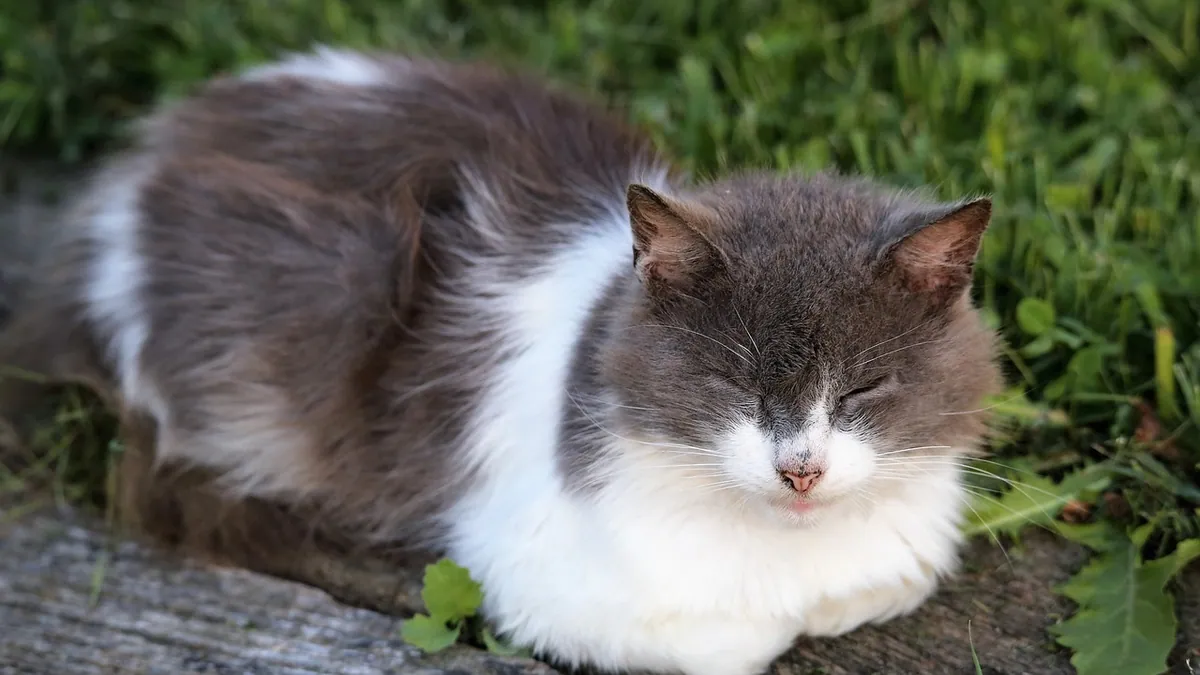
If your cat is still not eating after mirtazapine, you are not imagining it. Mirtazapine helps many cats, but it does not work for every cat every time, and a poor response can mean the dose is wrong, the form is not absorbing, the underlying disease is winning, or the drug is causing a side effect that outweighs the benefit. This article is educational and is not a substitute for veterinary diagnosis or treatment.
Quick Answer
- A cat that has eaten nothing for 2 to 3 days needs veterinary care now, whether or not mirtazapine was given. Cats break down fat for energy fast, and that can lead to a dangerous liver condition called hepatic lipidosis.
- Transdermal mirtazapine applied to the ear was judged effective by 77% of owners in one survey, so about 1 in 4 owners did not see the result they hoped for [1].
- If the ear gel is not working, ask your veterinarian whether the oral form is a better fit. Absorption through the skin varies between cats, and some owners in that same survey preferred the oral version [1].
- Never give a second dose or a higher dose on your own. Mirtazapine can cause vocalization, restlessness, and redness at the application site, and overdoses can be serious [1].
- The most important question is not "which appetite stimulant" but "why is my cat not eating." Appetite stimulants do not treat the disease behind the appetite loss.
What Mirtazapine Is and What Veterinarians Use It For
Mirtazapine is a tetracyclic antidepressant that was originally developed for people [2]. In veterinary medicine it is used mainly as an appetite stimulant, and it also has anti-nausea (antiemetic) effects in dogs and cats [3]. Your veterinarian may prescribe it when a cat has lost interest in food because of chronic kidney disease, cancer, recovery from surgery, or another illness.
Chronic kidney disease is the most common reason veterinarians prescribe transdermal mirtazapine to cats, based on a survey of 70 owners whose cats received the treatment [1]. It is also used in cats receiving chemotherapy. In one small study of cats getting doxorubicin chemotherapy, cats treated with mirtazapine gained significantly more body weight than cats given a placebo, and their appetite and activity scores were significantly higher [3].
Mirtazapine is not a treatment for the disease itself. It is a bridge. The goal is to keep your cat eating while your veterinarian treats the real problem.
How Mirtazapine Works in Cats
Mirtazapine changes signaling in the brain and gut. It blocks certain serotonin and histamine receptors, which is thought to drive appetite up and nausea down. That is why it can help a cat with kidney disease or cancer eat when nothing else seems to work.
The drug comes in two common forms for cats. One is a tablet or compounded oral liquid. The other is a transdermal ointment that you rub on the inside of the ear, alternating ears. In a survey of owners using the ear ointment, 97% said application was easy and 91% followed the instructions to alternate ears [1].
Absorption is the weak point of the transdermal route. In rhesus macaques, transdermal mirtazapine was absorbed at a lower level than published values in domestic cats [2]. That study was in monkeys, not cats, but it shows that skin absorption is not guaranteed and can vary. If your cat is not responding to the ear gel, poor absorption is one possible reason.
There is also a practical problem with the oral form. Mirtazapine tastes intensely bitter, and that bitterness can make cats salivate, foam, or refuse the next dose. Researchers are working on taste-masked formulations to solve this, which tells you how real the problem is [4].
Dosing Basics for Cats
Your veterinarian decides the dose. It is calculated from your cat's weight, the reason for treatment, other medications, and how your cat has responded so far. Do not adjust it yourself.
Give the medication exactly as directed, at the same times each day. For the ear ointment, wear gloves or wash your hands after applying, and rotate ears as instructed. For the oral form, follow your veterinarian's advice about whether to give it with or without food.
If you miss a dose, do not double up. Call your veterinary clinic and ask what to do. If you are not sure whether the dose went in (for example, your cat shook its head or licked the ear), tell the clinic instead of applying more.
If you want a general reference for how this drug is dosed in cats and dogs, see this mirtazapine appetite stimulant dose guide. Your own cat's dose still comes from your veterinarian.
Mirtazapine for Cats Not Working: The Most Likely Reasons
When a cat still will not eat on mirtazapine, veterinarians think through a short list.
The dose or form is not right for this cat. Transdermal absorption varies, and the oral form may work better for some cats, or the reverse. In the owner survey, 9 owners had used the oral form before, and most found the transdermal option easier, though some preferred oral because it cost less [1]. Cost and convenience matter, but so does whether the drug is actually getting in.
The cat is not absorbing the drug well. Skin thickness, application technique, and grooming the ointment off the ear can all reduce how much drug reaches the bloodstream.
The underlying disease has progressed. Mirtazapine can push appetite up, but it cannot overcome severe nausea, pain, fever, or organ failure. If your cat was eating on mirtazapine and then stopped, that change matters and needs to be reported.
The cat feels nauseated for another reason. Mirtazapine has antiemetic effects [3], but it does not cover every cause of nausea. Your veterinarian may add or switch to a different anti-nausea medication.
The cat is having a side effect that looks like failure. Restlessness, pacing, and loud vocalization can make a cat too agitated to settle at the food bowl. About 20% of owners in the survey reported side effects, most often increased vocalization, redness at the application site, or restlessness [1].
The cat has a heart condition or is on other drugs. In one reported case, a cat with hypertrophic cardiomyopathy taking atenolol developed severe bradycardia (a very slow heart rhythm) after mirtazapine was added, and the mirtazapine was discontinued because of its possible effects on heart rhythm [5]. Drug interactions are a real reason a cat may do poorly on this medication.
The cat is not actually getting the drug. This sounds obvious, but it happens with ear gel, especially in multi-cat homes or with cats that groom each other.
Common and Serious Side Effects
| Side effect | How common or serious | What to do |
|---|---|---|
| Increased vocalization | Reported by about 20% of owners in one survey, usually mild [1] | Mention it at the next visit. Call if it is constant or distressing |
| Redness or irritation at the ear application site | Reported among the most common side effects [1] | Stop applying to that ear, call your veterinarian |
| Restlessness or agitation | Reported among the most common side effects [1] | Call your veterinarian, especially if your cat will not settle or eat |
| Vomiting, drooling, or foaming after oral dosing | Related to the bitter taste of the drug [4] | Ask about a compounded or taste-masked form |
| Very slow heart rate, weakness, collapse | Serious, reported in a cat also taking atenolol [5] | Emergency. Go to a veterinarian now |
| Signs of serotonin excess (tremors, agitation, dilated pupils, high body temperature) | Serious | Emergency. Call poison control or go in now |
If your cat shows any serious sign, stop the medication and seek care. Do not wait to see if it passes.
Who Should Not Take Mirtazapine and What Interacts With It
Mirtazapine is not right for every cat. Your veterinarian will weigh the risks if your cat has heart disease, liver disease, kidney disease, seizures, or is pregnant or nursing. The reported case of severe bradycardia in a cat taking atenolol for hypertrophic cardiomyopathy is a reminder that heart patients need extra caution [5].
Drug interactions matter. Tell your veterinarian about everything your cat takes, including prescription drugs, over-the-counter products, and supplements. Drugs that affect serotonin, sedatives, and heart medications are common concerns. If your cat also takes something for anxiety, read cat anxiety medication: what you need to know and bring the list to your visit.
Mirtazapine is sometimes used alongside other medications that affect appetite or behavior. Gabapentin, for example, is used for pain and anxiety in cats, and it can cause sedation that affects eating. If your cat takes gabapentin, see gabapentin for cats and gabapentin for cat anxiety for context, then confirm with your veterinarian whether the combination is appropriate.
Overdose and When to Call for Help
An overdose of mirtazapine can cause agitation, tremors, rapid heart rate, vomiting, and dangerously high body temperature. Cats are small, so a dose meant for a person or a dog can be a serious overdose.
If you think your cat ate extra mirtazapine, or licked a large amount of the ear ointment, call for help right away. In the United States, contact the ASPCA Animal Poison Control Center at (888) 426-4435 or the Pet Poison Helpline at (855) 764-7661. These services may charge a consultation fee. Call your own veterinarian or the nearest emergency clinic at the same time.
Do not try to make your cat vomit unless a veterinarian tells you to.
Limitations and When to Contact a Veterinarian
Mirtazapine is a tool, not a cure. It can improve appetite and reduce nausea, but it does not fix kidney disease, cancer, or any other condition causing the appetite loss. If your cat is not eating on mirtazapine, the answer is usually found by looking harder at the underlying problem, not by simply raising the dose.
Call your veterinarian the same day if:
- Your cat has eaten little or nothing for 24 to 48 hours.
- Your cat is vomiting, has diarrhea, or seems painful.
- You see new restlessness, pacing, or loud vocalization after a dose.
- The ear application site is red, crusted, or painful.
- Your cat is hiding more, sleeping more, or seems weaker.
Go to an emergency clinic now if:
- Your cat has not eaten for 2 to 3 days or longer.
- Your cat is yellow around the gums, ears, or eyes (jaundice).
- Your cat is weak, wobbly, collapsing, or breathing hard.
- Your cat has a very slow or very fast heart rate.
- Your cat shows tremors, severe agitation, or a high body temperature.
Hepatic lipidosis is the red flag that worries veterinarians most when a cat stops eating. It is a serious liver condition that develops when a cat mobilizes fat too quickly, and it can happen in any cat that goes without food for several days, overweight cats especially. It is treatable when caught early, often with a feeding tube and intensive care, but it becomes much harder to manage the longer a cat goes without nutrition. That is why "she is still not eating" is never something to wait out.
Every cat is different. Your veterinarian needs to examine your cat, run blood work, and review the medication history to decide what comes next.
Frequently Asked Questions
How long should mirtazapine take to work in a cat?
Most cats show some interest in food within a few hours to a day of a dose, though this varies by cat and by form. In one study of dogs, food acceptance improved on the first day but the effect was not maintained on the second day [6]. If your cat has shown no change after a full day or two on the correct dose, call your veterinarian.
Can I give my cat a higher dose if the first one did not work?
No. Never increase the dose on your own. Side effects like vocalization, restlessness, and redness are already reported in about 20% of cats on the standard transdermal product [1], and higher doses raise the risk of serious problems. Your veterinarian can decide whether a dose change, a different form, or a different drug is the right move.
What if my cat licks the mirtazapine off its ear?
Call your veterinarian and describe how much time passed and how much ointment was involved. Some absorption through the mouth is possible, and the bitter taste can cause drooling or vomiting [4]. Your veterinarian may want to monitor your cat or adjust the next dose.
Is there a different appetite stimulant if mirtazapine does not work?
Yes, veterinarians have other options, including different anti-nausea drugs, other appetite stimulants, and in some cases a feeding tube to provide nutrition while the underlying disease is treated. The right choice depends on your cat's diagnosis, blood work, and heart health. Ask your veterinarian what fits your cat.
Can mirtazapine be used long term in cats?
It can be used for extended periods in some cats, but the plan should be reviewed regularly. In one survey, about half of owners gave the transdermal product for less than 14 days [1]. Long-term use means regular weigh-ins, blood work, and a clear plan for treating the disease causing the appetite loss.
My cat is on mirtazapine and another medication. Is that safe?
It depends on the combination. A cat taking atenolol for hypertrophic cardiomyopathy developed a severe slow heart rhythm after mirtazapine was added, and the mirtazapine was stopped [5]. Always tell your veterinarian about every medication and supplement your cat receives, and ask before adding anything new.
Related Articles
- Mirtazapine Appetite Stimulant: Dose for Cats and Dogs Guide
- Gabapentin For Cats
- Gabapentin for Cat Anxiety: How It Works and What to Expect
- What Are the Side Effects of Apoquel for Cats?
- Cat Anxiety Medication: What You Need to Know
- Cat Hyperthyroidism: How to Tell If Your Cat's Medication Is Working
- Mirtazapine for Cats: Side Effects, Dosage, and Safety
- Mirtazapine for Cats: How Long It Lasts and Dosing Frequency
- Does Mirataz Cause Restlessness in Cats? Side Effects
References
- Owner's Perspective About the Use of Mirtazapine Transdermal Ointment in Cats-A Survey-Based Study. Animals : an open access journal from MDPI, 2025.
- Pharmacokinetics of a Single Transdermal Dose of Mirtazapine in Rhesus Macaques (Macaca mulatta). Comparative medicine, 2023.
- Oral mirtazapine decreases the gastrointestinal adverse effects in cats on doxorubicin chemotherapy. Veterinary journal (London, England : 1997), 2024.
- Overcoming mirtazapine's therapeutic limitations in veterinary practice: Development of a taste - masked orally disintegrating tablet with microsphere-based controlled release. Veterinary journal (London, England : 1997), 2026.
- Bradyarrhythmia after treatment with atenolol and mirtazapine in a cat with hypertrophic cardiomyopathy. Journal of veterinary cardiology : the official journal of the European Society of Veterinary Cardiology, 2024.
- Evaluation of the Short-Term Effects of Mirtazapine on Appetite Stimulants in Dogs: A Retrospective Study and a Placebo-Controlled Trial. Animals : an open access journal from MDPI, 2025.