Can You Get Mirtazapine for Cats Without a Vet Prescription?
By Dr. Zubair Khalid, DVM, MS, PhD ·
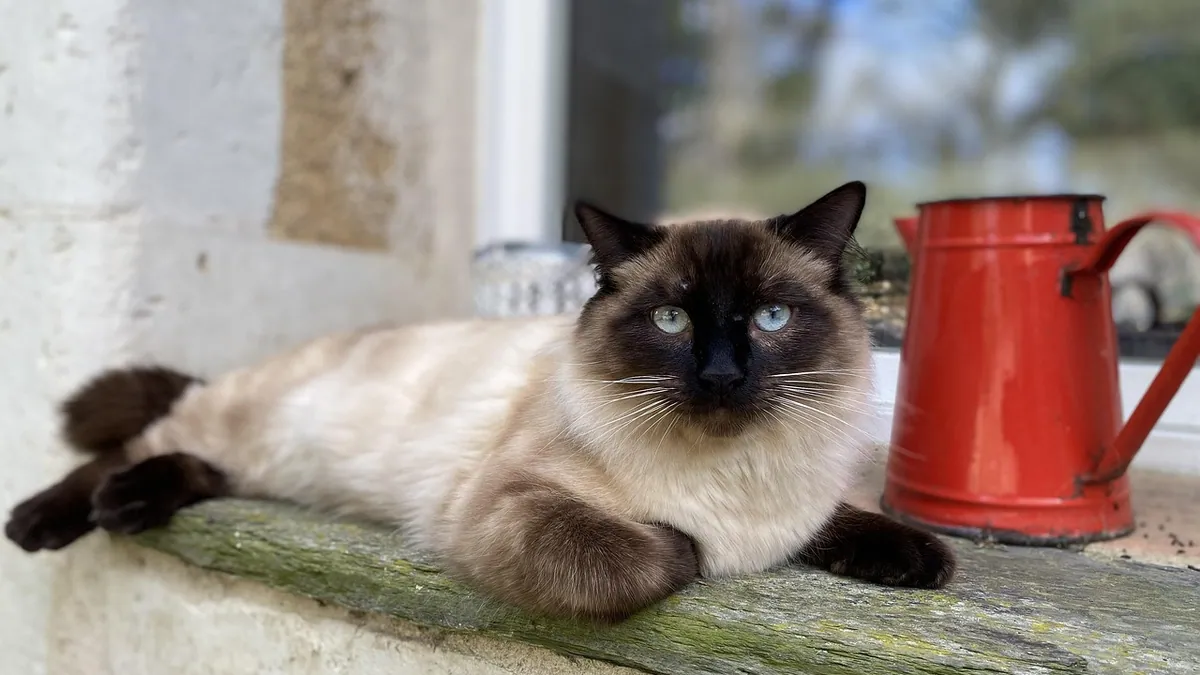
You cannot legally get mirtazapine for cats without a vet prescription in the United States. Mirtazapine is a prescription-only medication, and giving your cat human tablets or pills bought online without veterinary guidance can cause serious harm. This article is educational and is not a substitute for veterinary diagnosis or treatment.
Quick Answer
- Mirtazapine is a prescription drug in the US. A licensed veterinarian must examine your cat and authorize the prescription before you can buy it legally.
- Human mirtazapine tablets are not dosed for cats. A veterinarian calculates the dose from your cat's weight and health, and human pills often contain far more drug than a cat should receive.
- Buying mirtazapine online without a prescription is illegal and risky. You may receive counterfeit, expired, or contaminated product with no way to verify it.
- Transdermal mirtazapine ointment applied to the ear is an option many owners find easy to use, and 97% of surveyed owners said ear application was easy [1].
- If your cat needs an appetite stimulant today, call your veterinarian or a telehealth vet service. Many clinics can see a cat quickly for weight loss or poor appetite.
What Mirtazapine Is and What Veterinarians Use It For
Mirtazapine is a tetracyclic antidepressant that was originally developed for humans [2]. In veterinary medicine, it is used mainly as an appetite stimulant and antiemetic in cats and dogs [3]. When a cat stops eating because of illness, stress, or medication side effects, mirtazapine can help restart normal food intake.
Veterinarians prescribe mirtazapine for several common situations in cats:
- Chronic kidney disease. This was the most common reason for prescribing transdermal mirtazapine in a survey of 70 cat owners [1].
- Chemotherapy support. In cats receiving doxorubicin chemotherapy, mirtazapine increased body weight and improved appetite and activity scores compared with placebo [3].
- General anorexia or hyporexia. Any illness that causes a cat to stop eating can lead a veterinarian to consider mirtazapine.
- Nausea and vomiting. Mirtazapine has antiemetic effects, which is why it is sometimes used alongside other treatments [3].
Mirtazapine is not a treatment for the underlying disease. It buys time and supports nutrition while your veterinarian addresses the real problem. If your cat has a chronic condition that requires daily medication, our guide on how to give your cat medication without the fight can help make treatment easier.
How Mirtazapine Works in Cats
Mirtazapine works by blocking certain serotonin and adrenergic receptors in the brain. This triggers hunger signals and reduces nausea. In cats, the drug is absorbed well when given by mouth or through the skin.
A pharmacokinetic study in rhesus macaques found that transdermal mirtazapine is absorbed at a lower level than in domestic cats, with a peak serum concentration of 1.2 ± 0.3 ng/mL [2]. This tells us that cats absorb the transdermal form more effectively than some other species, which is one reason the ear ointment has become popular in veterinary practice.
The drug also has a relatively long half-life in cats, which is why many veterinarians prescribe it once daily or every other day. Your veterinarian will decide the schedule based on your cat's response and tolerance.
Dosing Basics for Cats
Who decides the dose. Only your veterinarian decides the dose. Mirtazapine dosing in cats depends on weight, the form of the drug (oral tablet, oral solution, or transdermal ointment), and the reason it is being prescribed. Never use a dose you found online or a dose meant for a human.
How it is given. Mirtazapine comes in three main forms for cats:
- Oral tablet. This is the traditional form. Some cats accept it in a pill pocket or with food. The tablet is bitter, which can make cats drool or refuse it.
- Oral solution. A liquid form that can be squirted into the mouth. It is also bitter for some cats.
- Transdermal ointment. This is applied to the inside of the ear flap. In a survey of 70 owners, 97% said ear application was easy, and 91% followed the instructions to alternate ears [1]. About 77% of owners considered the treatment effective at stimulating appetite [1].
A newer formulation under development uses taste-masked orally disintegrating tablets with controlled release to address the bitterness and absorption problems of current forms [4]. This is not yet widely available, so your veterinarian will work with what is on the market now.
Missed dose. If you miss a dose, do not double up. Give the next dose at the regularly scheduled time, or call your veterinarian for instructions. If you are not sure whether your cat received the dose (for example, if you applied the ointment and your cat immediately rubbed it off), call your vet before reapplying.
Do not split human tablets. Human mirtazapine tablets come in strengths that are much higher than what a cat typically needs. Cutting a human tablet to guess a cat dose is dangerous and can lead to overdose.
Common and Serious Side Effects
Side effects are possible even at the correct dose. In the owner survey, 20% of owners reported side effects, most often increased vocalization, redness at the application site, or restlessness [1].
| Side effect | How common or serious | What to do |
|---|---|---|
| Increased vocalization | Common, usually mild | This often settles with continued use. Call your vet if it is constant or distressing. |
| Redness or irritation at the ear application site | Common, usually mild | Alternate ears as directed. Call your vet if redness worsens or the skin breaks down. |
| Restlessness or agitation | Common, usually mild | Keep your cat in a quiet space. Call your vet if it does not improve. |
| Vomiting or diarrhea | Less common | Call your vet if it lasts more than 24 hours or your cat stops eating again. |
| Excessive sleepiness or weakness | Uncommon, potentially serious | Call your vet the same day. |
| Tremors, seizures, or collapse | Rare, emergency | Go to an emergency clinic immediately. |
| Severe allergic reaction (facial swelling, trouble breathing) | Rare, emergency | Go to an emergency clinic immediately. |
Some cats may become more affectionate or more vocal in a way that owners find pleasant. Others become agitated. Every cat responds differently, so monitor your cat closely for the first few days after starting the medication.
Who Should Not Take Mirtazapine and Drug Interactions
Mirtazapine is not right for every cat. Your veterinarian will review your cat's full medical history before prescribing it.
Cats with certain conditions may need extra caution or a different medication. These include cats with liver disease, kidney disease that is not stable, or a history of seizures. Your veterinarian will weigh the risks and benefits for your individual cat.
Drug interactions matter. Mirtazapine can interact with other medications that affect serotonin, including some antidepressants and certain pain medications. It can also interact with drugs that are processed by the same liver enzymes. Always tell your veterinarian about every medication, supplement, or topical product your cat receives, including flea and tick products.
Do not combine mirtazapine with any other medication unless your veterinarian approves it. If your cat is already taking something for anxiety, read our guide on cat anxiety medication and share it with your vet so they can check for interactions.
Overdose and When to Call a Veterinarian or Poison Control
An overdose of mirtazapine can cause serious signs in cats, including extreme sedation, agitation, tremors, rapid heart rate, vomiting, and seizures. If you suspect your cat received too much mirtazapine, call for help immediately.
- ASPCA Animal Poison Control Center: (888) 426-4435
- Pet Poison Helpline: (855) 764-7661
Have your cat's weight, the strength of the medication, and an estimate of how much was given ready when you call. Do not wait for symptoms to appear. Call first, then follow the instructions you receive.
If your cat collapses, has a seizure, or has trouble breathing, go to the nearest emergency veterinary clinic right away. Do not try to induce vomiting unless a veterinarian tells you to.
Can You Get Mirtazapine for Cats Without a Vet Prescription?
No. Mirtazapine is a prescription-only medication in the United States. There is no legal way to buy it for your cat without a veterinarian's authorization.
Some websites sell mirtazapine without requiring a prescription. Using these sites carries real risks:
- Legal risk. Buying prescription drugs without a valid prescription is illegal.
- Safety risk. The product may be counterfeit, expired, contaminated, or a different drug entirely.
- Dosing risk. Even if the product is real mirtazapine, you will not know the correct dose for your cat.
- No veterinary oversight. Your cat's underlying condition will go undiagnosed and untreated.
If cost is a concern, ask your veterinarian about options. Some clinics can prescribe a compounded transdermal ointment or an oral solution that may be more affordable than you expect. Some owners in the survey preferred the oral form because it cost less than the transdermal form [1]. Your veterinarian can help you compare options.
How to Get a Legitimate Prescription Quickly
Getting a legitimate mirtazapine prescription for your cat does not have to take weeks. Here is how to move quickly:
- Call your regular veterinarian. Explain that your cat is not eating and you are concerned. Most clinics keep same-day or next-day appointments open for sick cats.
- Use a telehealth service if your clinic cannot see you today. Many veterinary telehealth providers can evaluate your cat by video and, if appropriate, call in a prescription to a pharmacy.
- Bring your cat's records. If you are seeing a new veterinarian, bring any recent lab work, medication history, and notes about your cat's appetite and weight.
- Ask about the form. If your cat is hard to pill, ask whether transdermal ointment is an option. Ear application was easy for 97% of owners in one survey [1].
- Prepare for the visit. Our guide on how to prepare your cat for a vet visit to get a prescription walks you through reducing stress before the appointment.
Once you have a prescription, you can fill it at a veterinary pharmacy, a human pharmacy that accepts veterinary prescriptions, or a reputable online pet pharmacy that verifies prescriptions with your vet. For more on how prescription medicines for cats work, see our article on prescription medicine for cats.
Limitations and When to Contact a Veterinarian
This article gives general information. Your cat's individual case needs a veterinarian who can examine your cat, run tests, and set a dose. No article can replace that.
Contact your veterinarian the same day if:
- Your cat has not eaten for more than 24 hours.
- Your cat is vomiting repeatedly or has diarrhea that lasts more than a day.
- Your cat seems more sedated, agitated, or vocal than expected after a dose.
- You are not sure whether your cat received the correct dose.
Go to an emergency clinic now if:
- Your cat has a seizure, tremors, or collapses.
- Your cat has trouble breathing or its gums look pale or blue.
- Your cat is unresponsive or cannot be woken.
- You know or suspect your cat ate human mirtazapine tablets.
Schedule a routine visit if:
- Your cat's appetite improved but then dropped again.
- Your cat has lost weight despite eating.
- You notice new symptoms like increased thirst, urination, or vomiting.
- You need a refill and your cat has not been examined recently.
Frequently Asked Questions
Can I buy mirtazapine for my cat online without a prescription?
No. Mirtazapine is prescription-only in the US, and legitimate online pharmacies require a prescription from your veterinarian. Sites that sell it without one are operating illegally and may send you unsafe or fake product.
Is human mirtazapine safe for cats?
Human mirtazapine is the same active drug, but the tablet strengths are made for people, not cats. A veterinarian must calculate the correct dose for your cat's weight and health. Giving a human tablet without veterinary guidance can cause an overdose.
How fast does mirtazapine work in cats?
Many owners report increased appetite within the first day or two of treatment. In a study of dogs, food acceptance increased significantly on the first day after dosing, with an average latency to feeding of about 120 minutes [5]. Cats may respond on a similar timeline, but your veterinarian will tell you what to expect.
Can my cat stay on mirtazapine long term?
That depends on the underlying cause of your cat's poor appetite. In one survey, about half of owners administered transdermal mirtazapine for less than 14 days [1]. Some cats need longer treatment. Your veterinarian will decide how long your cat should take it based on response and the condition being treated.
What if my cat vomits after taking mirtazapine?
A single episode of vomiting may not be serious, but repeated vomiting is a reason to call your veterinarian. Mirtazapine has antiemetic effects, so vomiting while on the drug can be a sign that something else is going on [3]. Your vet may want to adjust the dose or check for another cause.
Related Articles
- Prescription Medicine For Cats
- Mirtazapine Appetite Stimulant: Dose for Cats and Dogs Guide
- How to Prepare Your Cat for a Vet Visit to Get a Prescription
- Cat Anxiety Medication: What You Need to Know
- Cat Hyperthyroidism: How to Give Your Cat Medication Without the Fight
- How to Give Your Cat Liquid Medicine Without a Syringe: Alternative Methods
- Mirtazapine for Cats: Side Effects, Dosage, and Safety
- Mirtazapine for Cats: How Long It Lasts and Dosing Frequency
- How to Apply Mirtazapine to a Cat's Ear: Step-by-Step
References
- Owner's Perspective About the Use of Mirtazapine Transdermal Ointment in Cats-A Survey-Based Study. Animals : an open access journal from MDPI, 2025.
- Pharmacokinetics of a Single Transdermal Dose of Mirtazapine in Rhesus Macaques (Macaca mulatta). Comparative medicine, 2023.
- Oral mirtazapine decreases the gastrointestinal adverse effects in cats on doxorubicin chemotherapy. Veterinary journal (London, England : 1997), 2024.
- Overcoming mirtazapine's therapeutic limitations in veterinary practice: Development of a taste - masked orally disintegrating tablet with microsphere-based controlled release. Veterinary journal (London, England : 1997), 2026.
- Evaluation of the Short-Term Effects of Mirtazapine on Appetite Stimulants in Dogs: A Retrospective Study and a Placebo-Controlled Trial. Animals : an open access journal from MDPI, 2025.