Librela for Small Dogs Under 11 lbs: Dosing and Safety
By Dr. Zubair Khalid, DVM, MS, PhD ·
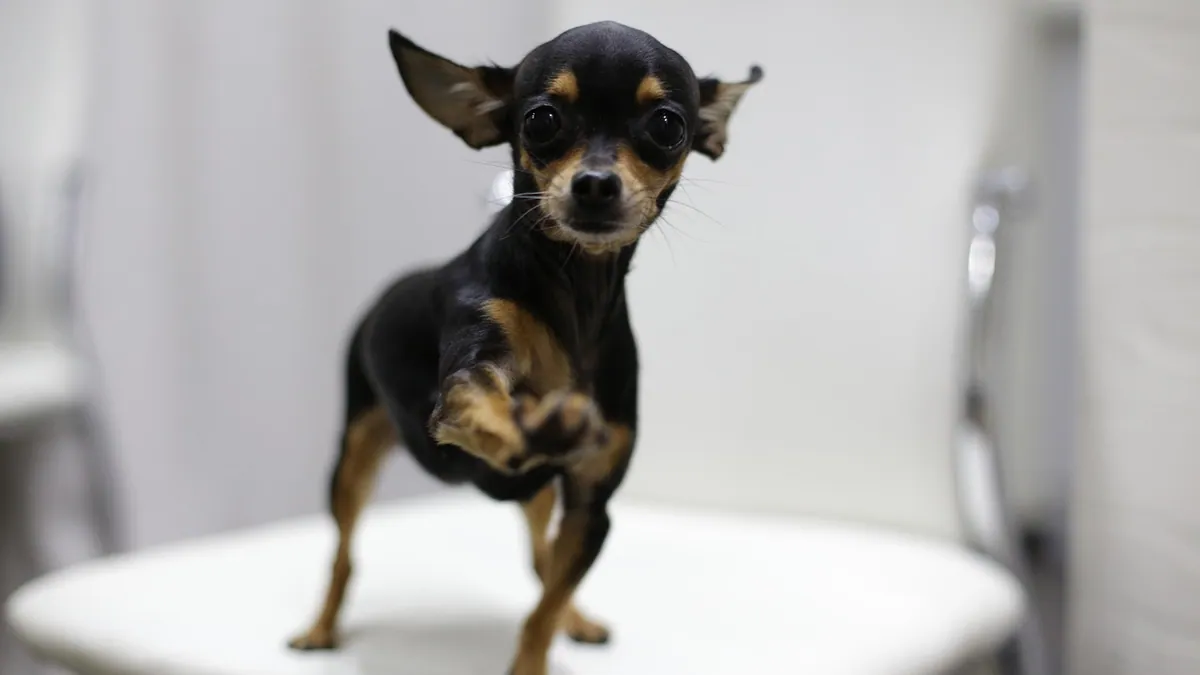
Librela for dogs under 11 lbs is given as a fixed minimum dose that does not drop below 5 mg, no matter how small your dog is. That means a 6 lb Chihuahua and a 10 lb Yorkie typically receive the same amount. Your veterinarian decides whether your dog is a good candidate and calculates the dose from body weight and health status.
This article is educational and is not a substitute for veterinary diagnosis or treatment.
Quick Answer
- Librela (bedinvetmab) is a once-monthly injection for osteoarthritis pain in dogs, given by your veterinarian under the skin [1].
- The dose is fixed by weight band, and dogs at the low end of the scale still receive the minimum labeled dose. Your vet sets the exact amount.
- Most owners report improvement within the first one to two monthly injections, though timing varies by dog.
- The most common side effects in real-world use are mild and short-lived, such as injection-site reactions, vomiting, and lethargy.
- Serious musculoskeletal events have been reported, including ligament and tendon injuries and atypical radiographic changes, so report any new limping, swelling, or sudden pain right away [2][3].
What Librela Is and What Veterinarians Use It For
Librela is the brand name for bedinvetmab, a monoclonal antibody approved for managing osteoarthritis pain in dogs. It belongs to a newer class of canine osteoarthritis pain therapy that works differently from traditional pain medications [1].
Osteoarthritis in toy breeds is common. Knees (luxating patella), hips, and elbows are frequent problem joints in dogs under 11 lbs. Small dogs often hide pain well, so owners may notice reluctance to jump on the couch, slower walks, or stiffness after rest before they notice obvious limping.
Veterinarians prescribe Librela broadly, across different patient weights, ages, and severity stages of osteoarthritis [1]. In a large European review of real-world use, veterinarians reported an average satisfaction score of 8.0 out of 10 with bedinvetmab, and fewer than 1% discontinued the drug because they were dissatisfied [1]. After starting treatment, the share of dogs needing multiple osteoarthritis pain medications fell from 47% to 31% [1].
That last point matters for small dogs. Toy breeds are often sensitive to NSAIDs and other pain drugs because of liver, kidney, or stomach issues. Having an option that reduces the need for stacked medications can simplify care.
If you want a broader overview of this drug class, see Librela Injection for Canine Osteoarthritis: Efficacy, Dosing and Side Effects.
How Librela Works
Librela is an anti-nerve growth factor monoclonal antibody. Nerve growth factor (NGF) is a protein the body makes that helps pain signals travel from inflamed joints to the brain. By binding NGF, Librela reduces nociceptive signaling and can improve comfort [4].
NGF also plays roles in nerve, bone, and cartilage maintenance. That dual role is why researchers continue to study both the benefits and the risks of blocking it [4].
A randomized clinical trial compared bedinvetmab to meloxicam, a common NSAID, in dogs with appendicular osteoarthritis. Both groups showed significant improvement in Canine Orthopaedic Index scores from baseline [5]. This supports what many owners see in practice: a meaningful reduction in pain-related behaviors.
Librela for Dogs Dosage: What Owners Need to Know
Who decides the dose
Your veterinarian does. Librela is a prescription injectable, not something you give at home. The dose is based on your dog's body weight and overall health, and it is given in the clinic.
The minimum dose question for tiny dogs
This is the part that worries owners of 4 lb, 6 lb, and 9 lb dogs. Librela is dosed by weight band, and there is a minimum dose that applies to the smallest dogs. A dog under 11 lbs generally receives the same minimum labeled amount as any other dog in that lowest band. Your veterinarian confirms the exact dose for your pet.
That fixed minimum is not a mistake. It reflects how the drug was studied and labeled. It also means you should not try to split, reduce, or stretch doses on your own to save money or lower exposure. Only your vet can adjust the plan.
How it is given
Librela is injected under the skin, usually over the back between the shoulder blades or along the flank. The injection takes seconds. Most dogs barely react. You do not need to fast your dog beforehand unless your vet says otherwise for other reasons.
Missed dose
Librela is given once a month. If you miss your appointment, call your veterinary clinic and reschedule as soon as you can. Do not double up or give an injection at home. In real-world use, adherence to monthly dosing per the label was over 99%, which shows how well this schedule works when owners stay on track [1].
How fast it works
Owners often ask how fast Librela works. Response time varies. Some dogs seem more comfortable within the first week or two after the first injection. Others need the second monthly dose before you see clear change. Your veterinarian will assess your dog at follow-up visits and decide whether to continue.
Side Effects: Common and Serious
| Side effect | How common or serious | What to do |
|---|---|---|
| Injection-site reaction (small bump, tenderness) | Common, usually mild and short-lived | Note it, mention it at the next visit. Call if it grows, drains, or hurts |
| Vomiting, diarrhea, reduced appetite | Reported, often mild | Call your vet if it lasts more than 24 hours or your dog stops eating |
| Lethargy or sleepiness after the injection | Reported, usually brief | Monitor for 24 to 48 hours. Call if your dog seems weak or unresponsive |
| Ligament or tendon injury | Reported as a musculoskeletal adverse event [2] | Call your vet the same day if your dog suddenly limps, drags a leg, or yelps |
| Polyarthritis (joint inflammation) | Reported as a musculoskeletal adverse event [2] | Treat as urgent. Call your vet right away |
| Bone fracture without clear trauma | Reported as a musculoskeletal adverse event [2] | Emergency visit |
| Atypical radiographic changes in joints | Identified in a review of adverse event reports [3] | Your vet may recommend X-rays if your dog worsens |
| Rapidly progressive osteoarthritis | Raised as a safety concern in the veterinary literature [4] | Report any sudden worsening of lameness or joint swelling immediately |
A disproportionality analysis of adverse event reports compared Librela to six other osteoarthritis pain drugs. The analysis did not support the idea that Librela's musculoskeletal adverse event rate exceeded the comparators by more than 50% [2]. That is reassuring at the population level, but it does not rule out risk for an individual dog.
A separate review of the manufacturer's global safety database found 186 cases with atypical radiographic findings among 319 potential musculoskeletal cases reviewed [3]. These findings included abnormal periosteal changes and other patterns that did not match typical osteoarthritis progression. Researchers have also raised concern that blocking NGF could mask early joint deterioration and potentially accelerate joint damage, similar to what was seen with human anti-NGF drugs [4].
Global pharmacovigilance data collected from February 2021 through June 2024 covered more than 18 million doses sold [6]. That volume gives a reasonable picture of the safety profile in general practice, though reporting patterns vary by country and time on market [6].
The bottom line for toy-breed owners: most dogs tolerate Librela well, but this is an active area of safety monitoring. Report anything new, even if you are not sure it is related.
Who Should Not Take Librela and Drug Interactions
Librela is not right for every dog. Your veterinarian will review your dog's history before prescribing. Dogs with certain active infections, immune conditions, or a prior serious reaction to the drug may not be candidates. Puppies and pregnant or breeding dogs are generally not prescribed Librela because safety in those groups is not well established in veterinary research.
Librela can be used alongside other osteoarthritis treatments, and many dogs stay on joint supplements, physical therapy, or other pain medications. In the real-world review, the proportion of dogs needing multiple osteoarthritis pain drugs dropped after starting bedinvetmab, but some dogs still needed them [1]. Your vet will decide what combination is safe.
Tell your veterinarian about every medication, supplement, and topical product your dog receives. That includes flea and tick preventives, heartworm medication, joint chews, and anything you give occasionally. If you ever need to calculate a dose of another medication at home, tools like this antibiotic dosage calculation guide can help you understand how weight-based dosing works, but always confirm with your vet.
Overdose and When to Call a Veterinarian or Poison Control
Librela is given in a clinic, so at-home overdose is unlikely. If you believe your dog received too much, call your veterinary clinic immediately. Signs to watch for include severe vomiting, marked lethargy, wobbliness, or collapse.
If your dog ate something else that worries you, such as a human medication, contact poison control right away:
- ASPCA Animal Poison Control Center: (888) 426-4435
- Pet Poison Helpline: (855) 764-7661
For a swallowed pill concern, this guide on dogs eating vitamin D pills explains how dangerous doses are assessed.
Limitations and When to Contact a Veterinarian
Individual cases need a veterinarian. No article can tell you whether your specific dog should start, continue, or stop Librela.
Call your veterinarian the same day if your dog:
- Starts limping suddenly or refuses to bear weight on a leg
- Yelps when touched or moved
- Has swelling, heat, or visible deformity in a joint
- Vomits repeatedly or stops eating
Go to an emergency clinic now if your dog:
- Collapses or cannot stand
- Has trouble breathing
- Shows severe pain that does not improve
- Has a suspected fracture after minimal or no trauma
Schedule a routine visit if your dog:
- Seems slightly stiffer or slower than usual
- Has a small lump at the injection site that is not shrinking
- Is due for the next monthly dose
Your veterinarian may recommend X-rays, bloodwork, or a change in treatment plan based on what they find.
Frequently Asked Questions
Is Librela safe for a 5 lb dog?
Librela is labeled for use in dogs, and the minimum dose applies to the smallest weight band, so a 5 lb dog can receive it. Safety depends on your dog's overall health, other conditions, and medications. Your veterinarian decides whether the benefits outweigh the risks for your individual pet.
Can I give Librela at home?
No. Librela is a prescription injection given by a veterinarian in the clinic. It must be stored and handled properly, and the dose must be confirmed by your vet. Do not attempt to inject your dog at home.
What if my dog misses a monthly Librela dose?
Call your veterinary clinic and reschedule as soon as possible. Do not give an extra dose or try to catch up on your own. Your vet will advise whether to continue on the original schedule or adjust it.
Does Librela cure arthritis in dogs?
No. Librela manages osteoarthritis pain, it does not reverse joint damage or cure arthritis. Many dogs still need weight management, joint supplements, physical therapy, or other pain control. The goal is comfort and better daily function.
How long can my dog stay on Librela?
There is no fixed limit set in published veterinary research. Duration depends on your dog's response, side effects, and overall health. Your veterinarian will reassess at each visit and decide whether to continue.
Can Librela be given with other pain medications?
Sometimes, yes. Many dogs remain on other osteoarthritis treatments alongside Librela, and one real-world review showed fewer dogs needed multiple pain drugs after starting it [1]. Your vet will review all medications and supplements to avoid interactions.
What should I watch for after the injection?
Watch for injection-site swelling, vomiting, diarrhea, appetite changes, and lethargy in the first day or two. Also watch for any new limping, stiffness, or reluctance to move in the weeks after. Report anything unusual to your vet, even if it seems minor.
Related Articles
- Librela Injection for Canine Osteoarthritis: Efficacy, Dosing and Side Effects
- Pyrantel Pamoate Puppy Dose: Safe Weight-Based Roundworm Dosing
- Antibiotic Dosage Calculation for Dogs: A Practical Guide
- Trazodone Dosage for Dogs: Calming Post-Surgery Rest Dose by Weight
- My Dog Ate a Vitamin D Pill: How Much Is Dangerous?
- Cephalexin for Dogs: Weight-Based Skin Infection Antibiotic Dosing
- Librela for Dogs With Kidney Disease: Safe or Not?
- Robenacoxib (Onsior) for Dogs: Dosage and Safe Use
- Sentinel for Dogs: Sizes, Weight Ranges, and Dosing
References
- Use of Bedinvetmab (Librela®) for Canine Osteoarthritis in France, Germany, Italy, Spain, and the UK: Quantitative Analysis of Veterinarian Satisfaction and Real-World Treatment Patterns. Animals : an open access journal from MDPI, 2024.
- Musculoskeletal adverse events in dogs receiving bedinvetmab (Librela). Frontiers in veterinary science, 2025.
- Atypical radiographic changes seen in dogs treated with bedinvetmab (Librela). Journal of the American Veterinary Medical Association, 2026.
- Bedinvetmab (Librela/Beransa) in dogs raises safety concerns, including rapidly progressive osteoarthritis, and warrants vigilant adverse event reporting. Journal of the American Veterinary Medical Association, 2026.
- A randomised, parallel-group clinical trial comparing bedinvetmab to meloxicam for the management of canine osteoarthritis. Frontiers in veterinary science, 2025.
- Global pharmacovigilance reporting of the first monoclonal antibody for canine osteoarthritis: a case study with bedinvetmab (Librela™). Frontiers in veterinary science, 2025.