Ketoconazole Shampoo, Cream, and Spray for Cats: How to Use
By Dr. Zubair Khalid, DVM, MS, PhD ·
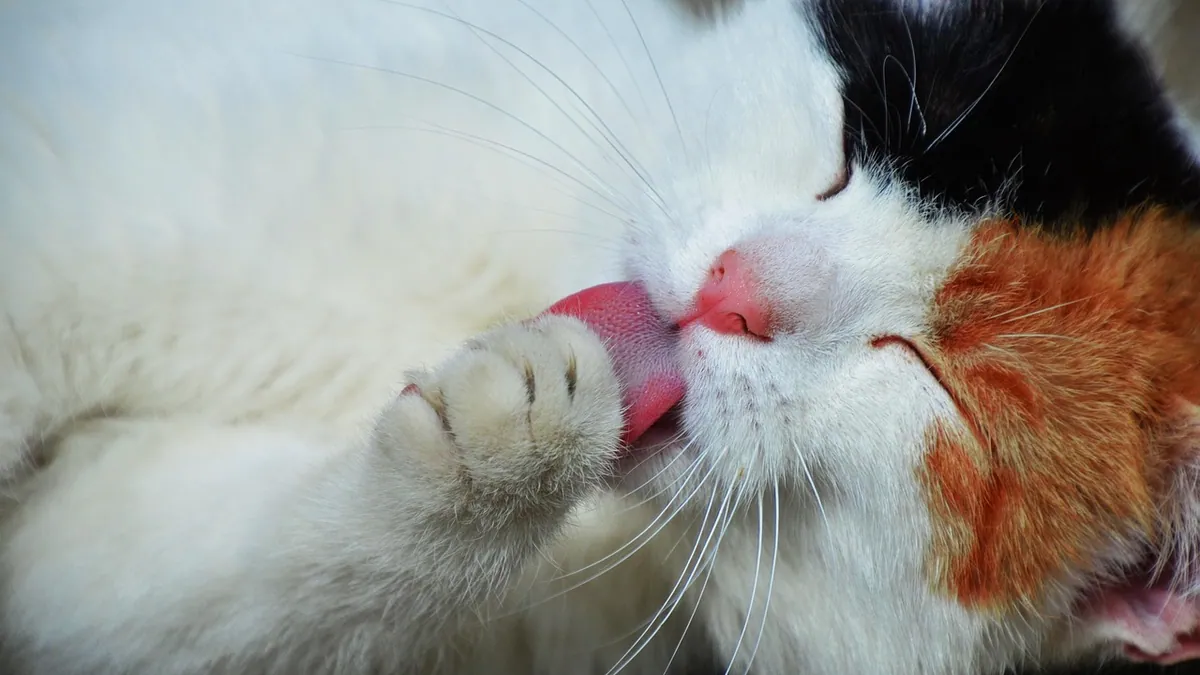
Ketoconazole shampoo for cats is a medicated antifungal product your veterinarian may prescribe for skin infections caused by yeast or ringworm. It comes in several forms, including shampoo, cream, spray, and wipes, and each one is used differently. Cats are not small dogs, so the product, strength, and schedule your veterinarian chooses will be specific to your cat.
This article is educational and is not a substitute for veterinary diagnosis or treatment.
Quick Answer
- Ketoconazole is an antifungal medicine used topically on cats for yeast overgrowth (Malassezia) and some fungal skin infections [1][2].
- Shampoo is the most common form for cats with widespread skin involvement. Your veterinarian sets how often to bathe your cat and how long the lather stays on.
- Cream, spray, and wipes are usually for small or hard-to-bathe areas, such as the face, paws, or ears.
- Cats groom themselves, so any topical product can be licked off. Use an Elizabethan collar or a recovery cone if your veterinarian recommends one.
- Never use a product made for dogs or people on your cat unless your veterinarian specifically tells you to.
What Ketoconazole Is and What Veterinarians Use It For
Ketoconazole belongs to a group of antifungal drugs called azoles. It works against yeasts and dermatophytes, the fungi that cause ringworm. Dermatophytosis, the medical term for ringworm, is a superficial fungal skin disease of cats and dogs caused most often by Microsporum and Trichophyton species [3]. It matters because it is contagious and can spread to people [3].
Veterinarians use topical ketoconazole most often for two situations. The first is Malassezia yeast overgrowth, a common cause of greasy, smelly, itchy skin and ear problems in cats. A study of yeast on cat facial hair found Malassezia pachydermatis was the most common yeast species, present in 45.8% of the cat samples tested [2]. The second is ringworm, where topical therapy is often combined with an oral antifungal for more severe or widespread cases.
Ketoconazole also appears in products designed for Malassezia, and laboratory work shows it keeps its antifungal activity against Malassezia furfur, Malassezia globosa, and Malassezia pachydermatis [1]. That is one reason it remains a common ingredient in veterinary shampoos and sprays.
Your veterinarian may prescribe ketoconazole alone or as part of a combination product that also contains an antibacterial or anti-inflammatory ingredient. Combination products are common because yeast infections often come with bacterial overgrowth or skin inflammation.
How Ketoconazole Works
Ketoconazole blocks an enzyme the fungus needs to build its cell membrane. Without a working membrane, the fungus cannot grow and eventually dies. The target enzyme is called lanosterol-14α-demethylase, also known as CYP51 [1]. This is the same basic mechanism shared by many azole antifungals.
Because it acts on the fungus directly, ketoconazole does not fix the underlying reason your cat developed a skin infection. Allergies, immune problems, diabetes, and other conditions can all make a cat more likely to have yeast or fungal overgrowth. Your veterinarian will look for those causes while treating the surface infection.
Topical ketoconazole acts where you put it. It is not designed to treat infection inside the body. If your cat has a deep or systemic fungal infection, your veterinarian will use a different approach, often an oral antifungal. One report described a cat with fungal pyelonephritis (a kidney infection) that was treated with oral fluconazole, direct infusion into the kidney, and intravenous caspofungin, not a topical product [4]. That case shows how different deep fungal infections are from surface skin problems.
How Ketoconazole Shampoo for Cats Is Used
Shampoo is the workhorse form for cats with yeast or fungal problems over a large area of the body. It reaches the skin between hairs better than a cream or spray can.
Who decides the dose and schedule
Your veterinarian decides the shampoo concentration, how often to bathe your cat, and how long to leave the lather on the skin. There is no single schedule that fits every cat. Some cats need baths every few days at first, then less often as the skin improves. Follow the written instructions you are given, not the label on a product made for another species.
How to bathe a cat with medicated shampoo
Work in a warm room with a non-slip mat in the sink or tub. Wet your cat thoroughly, then apply the shampoo and massage it into the skin, not just the fur. Pay attention to the armpits, groin, between the toes, and under the chin. Let the lather sit for the time your veterinarian specified, then rinse until the water runs clear. Rinsing well matters because leftover shampoo residue can irritate skin.
Most cats tolerate bathing better if you keep the water low, use a cup instead of a sprayer, and keep one hand supporting the chest. If bathing is too stressful or your cat has a heart condition, ask your veterinarian about spray, wipes, or a spot treatment instead. For general bathing tips, see Cat Shampoo.
Cream, spray, and wipes
Ketoconazole cream for cats is a thick product you rub into a small area, such as a single ringworm lesion or a patch of yeasty skin on the face. Wear gloves if your veterinarian advises it, and wash your hands afterward.
Ketoconazole spray for cats covers larger areas than cream but is easier than a full bath. Part the fur so the spray reaches the skin, and keep the nozzle away from your cat's eyes, nose, and mouth.
Ketoconazole wipes for cats are pre-moistened pads, useful for the face, paws, and skin folds. Wipes are also handy for cats that will not tolerate a bath or spray. Do not use the same wipe on multiple cats, and do not let wipes dry out.
Missed doses
If you forget a bath or treatment, do it as soon as you remember. If it is almost time for the next one, skip the missed treatment and go back to your regular schedule. Do not double up to catch up. Call your veterinarian if you are unsure.
Side Effects
Topical ketoconazole is generally well tolerated, but reactions happen. The table below covers the most common ones.
| Side effect | How common or serious | What to do |
|---|---|---|
| Dry, flaky, or red skin at the treated area | Common, usually mild | Keep using as directed unless it worsens. Call your veterinarian if it does. |
| Itching or irritation right after application | Common, usually mild | Rinse the area with plain water if the product was just applied. Call your veterinarian if it continues. |
| Drooling, vomiting, or loss of appetite after licking the product | Less common, can be serious | Stop the product and call your veterinarian or a poison control line. |
| Lethargy, wobbliness, or tremors | Uncommon, serious | Treat as an emergency. Call your veterinarian or poison control right away. |
| Hair loss or coat discoloration at the treated area | Uncommon, cosmetic | Mention it at your next visit. Do not stop treatment without asking. |
| Signs of liver problems (yellow gums or eyes, dark urine) with oral ketoconazole | Rare with topical use, serious | Seek veterinary care the same day. |
Most side effects from topical ketoconazole are skin-level and go away when the product is stopped. The bigger risk with cats is swallowing the product during grooming. That is why preventing licking matters so much.
Who Should Not Use It and Drug Interactions
Do not use topical ketoconazole on a cat with a known allergy to ketoconazole or other azole antifungals. Do not apply it to broken skin, open wounds, or the eyes, ears, or mouth unless your veterinarian specifically instructs you to treat those areas.
Use extra caution in kittens, pregnant or nursing cats, and cats with liver disease. Your veterinarian will weigh the benefits against the risks in these groups.
Topical ketoconazole is absorbed through the skin in small amounts. If your cat also takes oral antifungals or other medicines, tell your veterinarian about everything your cat receives, including supplements and flea products. Drug interactions are a bigger concern with the oral form of ketoconazole than with shampoo or spray, but your veterinarian still needs the full list.
Do not use human ketoconazole products on your cat unless your veterinarian approves the exact product and strength. Human shampoos and creams can contain ingredients or concentrations that are not right for cats.
Overdose and When to Call for Help
An overdose most often happens when a cat licks a large amount of shampoo, cream, or spray off the coat. Signs to watch for include drooling, vomiting, diarrhea, wobbliness, and tremors.
If you see these signs, call your veterinarian right away. You can also call the ASPCA Animal Poison Control Center at (888) 426-4435 or the Pet Poison Helpline at (855) 764-7661. Both may charge a consultation fee. Have the product container with you so you can read the ingredients and strength to the person who answers.
If your cat swallowed a large amount of product or is having tremors, trouble breathing, or collapse, go to an emergency veterinary hospital now. Do not wait to see if signs improve on their own.
Preventing Licking During Treatment
Licking is the number one reason topical treatment fails or causes side effects. A few habits make a real difference.
- Put an Elizabethan collar or recovery cone on your cat for the time your veterinarian recommends after each application.
- Distract your cat with food, play, or a favorite bed right after treatment so grooming is less likely.
- Separate treated cats from untreated cats until the product dries.
- Apply treatment at a time when you can watch your cat for the next hour or two.
- Check the treated area daily for redness, new sores, or worsening itch.
If your cat cannot tolerate a cone, ask your veterinarian about alternatives, such as a soft recovery collar or a body suit that covers the treated area.
Limitations and When to Contact a Veterinarian
Topical ketoconazole treats the surface of the skin. It cannot fix an underlying allergy, immune problem, or deep fungal infection on its own. If your cat's skin is not improving after the treatment course your veterinarian set, the plan needs to be reviewed.
Contact your veterinarian the same day if you see spreading redness, new bald patches, open sores, or a bad smell from the skin. Call right away if your cat is drooling heavily, vomiting, wobbly, or having tremors after a treatment. Go to an emergency clinic now if your cat collapses, has trouble breathing, or has a seizure.
Schedule a routine recheck if the skin is improving but not fully clear, if your cat seems itchy again after finishing treatment, or if you are struggling to apply the product as directed. Some fungal infections need months of treatment, and some are resistant to standard antifungals, which is a growing concern in veterinary dermatology [3][5]. Your veterinarian may need to adjust the plan or run more tests.
Every cat is different. The right product, strength, and schedule for your cat depend on the diagnosis, your cat's weight, and your cat's overall health. Your veterinarian is the only one who can make that call.
Frequently Asked Questions
Is ketoconazole shampoo safe for cats?
Yes, when a veterinarian prescribes it for your cat and you follow the instructions. The main risk is your cat licking the product off during grooming, which can cause drooling, vomiting, or wobbliness. Using a cone after each treatment lowers that risk.
Can I use ketoconazole cream for cats on ringworm?
Your veterinarian may prescribe it for a small, single lesion, often alongside an oral antifungal for more widespread ringworm. Ringworm is contagious to people, so wash your hands after applying the cream and follow your veterinarian's cleaning instructions for bedding and surfaces [3].
How often should I use ketoconazole spray for cats?
Your veterinarian sets the schedule based on your cat's diagnosis and how much of the body is affected. Do not guess based on the label of a product made for dogs or people. If you miss a treatment, apply it when you remember unless it is almost time for the next one.
Are ketoconazole wipes for cats as effective as a bath?
Wipes are best for small areas, the face, paws, and skin folds, or for cats that will not tolerate bathing. For widespread skin disease, a medicated bath usually reaches the skin better. Ask your veterinarian which form fits your cat's case.
What should I do if my cat licks ketoconazole off its skin?
Wipe away any remaining product with a damp cloth and watch your cat closely for drooling, vomiting, or wobbliness. Call your veterinarian or a poison control line if you see those signs. For mild licking with no symptoms, mention it at your next visit and use a cone going forward.
Related Articles
- Cat Shampoo
- How To Help Cat Dandruff
- Cat Dandruff Natural Remedy
- How To Treat Cat Dandruff Home Remedies
- Cat Hairball Remedy
- How Can I Treat My Cat's Dandruff At Home
- Ketoconazole for Cats: Ringworm and Ear Infection Use
- Ketoconazole for Cats: Side Effects and Safety Explained
- Miconazole for Cats: Acne, Shampoos, and Skin Use
References
- Design and Synthesis of Ketoconazole Derivatives as Innovative Anti-Infective Agents. Archiv der Pharmazie, 2025.
- Comparative analysis of the distribution and antifungal susceptibility of yeast species in cat facial hair and human nails. Scientific reports, 2024.
- Refractory Dermatophytosis in a Spitz Dog Successfully Managed with Posaconazole: A Case Report. Animals : an open access journal from MDPI, 2026.
- Fungal pyelonephritis (Candida tropicalis) in a cat successfully treated with a subcutaneous ureteral bypass device and topical and systemic antifungals. JFMS open reports, 2025.
- Transcriptome analysis of multi-azole-resistant Microsporum canis isolated from a case of feline dermatophytosis. The Journal of veterinary medical science, 2026.