How to Give Sucralfate to a Cat Without a Fight
By Dr. Zubair Khalid, DVM, MS, PhD ·
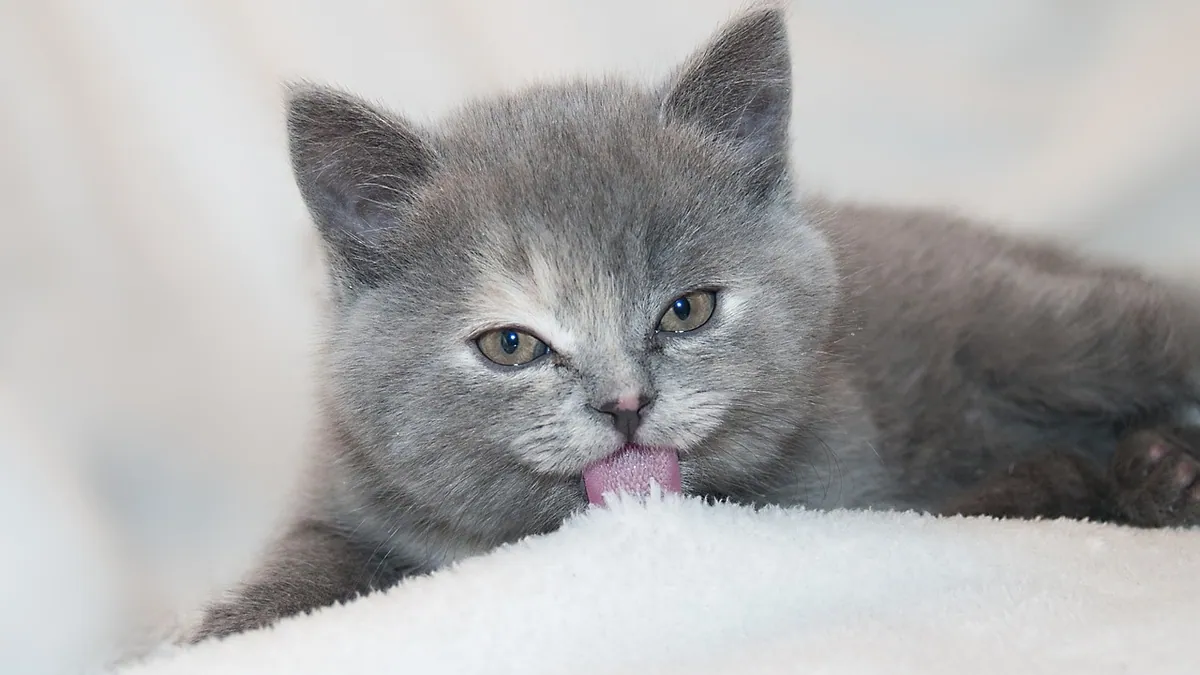
Giving sucralfate to a cat is easier when you crush the tablet, mix it into a small slurry, and syringe it about one hour before a meal. Sucralfate works best on an empty stomach, so timing matters as much as technique. With a calm approach and the right tools, most cats take it in seconds.
This article is educational and is not a substitute for veterinary diagnosis or treatment.
Quick Answer
- Crush the tablet into a fine powder, then mix it with a small amount of water or broth to make a thin slurry you can draw into a syringe.
- Give it about one hour before meals so the medicine can coat the stomach lining before food arrives.
- Separate sucralfate from other oral medications by at least two hours when your veterinarian says to, because it can block absorption of some drugs.
- Use a pet piller or a syringe placed toward the back of the tongue to reduce spitting and stress [1].
- Ask your veterinarian for the exact dose, since it is calculated from your cat's weight and health.
What Sucralfate Is and Why Cats Take It
Sucralfate is a mucoprotective medication. It forms a protective coating over damaged tissue in the stomach and upper intestine, which helps ulcers and irritated areas heal. Veterinarians prescribe it for cats with stomach ulcers, gastritis, and other gastrointestinal irritation.
It is also used in hospitalized cats, though one review of 110 hospitalized cats found that 60.9% were prescribed a gastroprotectant without a clear appropriate indication [2]. That does not mean your cat should not take it. It means the decision should come from a veterinarian who has examined your cat and knows the reason for treatment.
Sucralfate has also been studied for topical wound use, where it may help protect growth factors and support healing [3]. That research is mostly from rodent and pig models, and veterinary-specific evidence is still limited [3]. For cats, the oral form is the one most owners deal with at home.
How to Give Sucralfate to a Cat: Step by Step
Step 1: Check the Form Your Veterinarian Sent Home
Sucralfate comes as a tablet or as a liquid suspension. Tablets are common and can be crushed. If you have liquid, you can often give it directly by syringe. Never change the form or dose on your own. Your veterinarian calculates the dose from your cat's weight and condition.
Step 2: Crush the Tablet Into a Fine Powder
Place the tablet between two spoons or inside a pill crusher. Crush until no chunks remain. Chunks are harder to hide and easier for a cat to spit out. If your cat is small and the tablet is large, ask your veterinarian whether the tablet can be split before crushing.
Step 3: Mix a Small Slurry
Add just enough water, tuna water, or low-sodium broth to make a thin paste. Too much liquid means more volume to swallow, which gives your cat more chances to fight back. A small slurry works better than a dry powder, which can stick to the mouth and taste gritty.
Step 4: Draw It Into a Syringe
Use a needleless oral syringe. Draw up the slurry and tap the syringe so any air bubbles rise to the top. If you have never used an oral syringe, ask your veterinarian to show you the technique. The same basic skill applies to other liquid medicines, and you can read more in How to Give Liquid Medicine to a Cat Without a Mess.
Step 5: Give It Toward the Back of the Mouth
Hold your cat's head steady with one hand. Place the syringe tip in the side of the mouth, between the cheek and the back teeth. Squeeze slowly so the liquid lands at the back of the mouth [1]. Give your cat a moment to swallow between small squirts. If you push too fast, the medicine can come right back out.
Step 6: Follow With a Small Treat or Water
A tiny lick of something tasty can clear the taste and help your cat swallow. Keep it small so you do not turn the dose into a meal. Food in the stomach changes how sucralfate works.
Timing Sucralfate Around Meals and Other Medications
Sucralfate needs an empty stomach to coat the stomach lining well. Give it about one hour before a meal. If your cat eats free-choice dry food all day, talk to your veterinarian about a feeding schedule that creates a window for the dose.
Sucralfate can also bind other medications in the gut and reduce how much your cat absorbs. Your veterinarian will tell you which drugs need to be separated and by how long. A common instruction is to wait at least two hours between sucralfate and other oral medicines. If your cat takes several drugs, ask for a written schedule. Owners often struggle with complex medication routines, and compliance problems are common in cats [4].
Tricks for Difficult Cats
Some cats will not tolerate a syringe. Others clamp their jaws shut the moment they see one. Try these approaches.
- Use a pet piller for tablets. A pet piller is a handheld device with a rubber tip that places the pill far back on the tongue [1]. This works if your veterinarian says the tablet does not need to be crushed.
- Try a churu-style lickable treat. Mix the slurry into a small amount of a soft treat your cat loves. Use only a teaspoon or so so the dose is finished quickly.
- Wrap your cat gently. A towel wrap can keep front paws still and protect your hands. Keep the wrap loose around the neck and never cover the face.
- Work on a counter or table. Cats feel less able to bolt when they are on a raised, non-slip surface.
- Have a second person help. One person holds, the other gives the medicine. Trade roles if your cat does better with one of you.
- Give a small chaser. A few licks of broth or a tiny piece of plain cooked chicken can reset your cat's mood after the dose.
If your cat is extremely fearful, ask your veterinarian about options. A scoping review of oral sedative and anxiolytic medications in cats found that several agents can reduce fear-based behavior, though palatability and other factors vary [5]. Your veterinarian can decide whether a short-term medication before dosing is appropriate.
For cats who refuse all oral routes, ask about other techniques. The same principles used for eye drops and other medications can help, and you can read more in How to Give Your Cat Eye Drops Without a Fight. If your cat is on long-term medication for a chronic condition, see Cat Hyperthyroidism: How to Give Your Cat Medication Without the Fight.
What Happens During the Dose
The actual dose takes seconds. You will crush, mix, draw up, and give. The hard part is the setup and the calm handling. Keep the room quiet. Do not chase your cat around the house. If your cat hides, wait a few minutes and try again with a treat nearby.
Some cats swallow the slurry without any fuss. Others hold it in their cheeks and spit it out the moment you turn away. Watch for a swallow before you release your cat. If you see the medicine on the floor or on your cat's chin, do not give a second full dose. Call your veterinarian for guidance.
Recovery Timeline and Home Care
Sucralfate is usually part of a larger treatment plan. The timeline below shows what to expect during a typical course. Your veterinarian will set the actual length of treatment.
| Timeframe | What to Expect | What You Do |
|---|---|---|
| Day 1 | First dose may cause drooling or mild lip smacking | Give with a small slurry, follow with a tiny treat |
| Days 2 to 3 | Most cats accept the routine faster | Keep the same time, place, and helper |
| Days 4 to 7 | Stomach discomfort may start to improve | Watch appetite, energy, and stool |
| Week 2 | Many cats are comfortable with the routine | Continue the schedule your veterinarian set |
| End of course | Recheck if symptoms return | Do not stop early without asking |
Keep a simple log of doses, meals, and other medications. This helps your veterinarian adjust the plan if your cat is not improving.
Possible Complications and Warning Signs
Sucralfate is generally well tolerated. The most common issue is constipation, which happens because the medication can slow things down in some cats. Other cats may vomit or drool after a dose.
Call your veterinarian if you see:
- Vomiting that continues after the dose
- Constipation lasting more than a day or two
- Loss of appetite that gets worse
- Drooling or lip smacking that does not stop
- Your cat refusing all food and water
Questions to Ask Your Veterinarian
- What is the exact dose, and how many times a day should I give it?
- Should I give it one hour before meals, and how do I handle free feeding?
- Which other medications need to be separated from sucralfate, and by how long?
- Can I crush the tablet, or does it need to stay whole?
- What should I do if my cat spits out a dose or vomits right after?
- How long should the course last, and what signs mean we should recheck?
Limitations and When to Contact a Veterinarian
Sucralfate is not a treatment for every stomach problem. It coats and protects, but it does not cure infections, blockages, or other serious conditions. If your cat's symptoms are caused by something else, sucralfate alone will not fix it.
Contact your veterinarian the same day if your cat vomits repeatedly, refuses food for more than 24 hours, or seems painful when you touch the belly. Go to an emergency clinic now if your cat is struggling to breathe, collapses, has a swollen or rigid abdomen, or vomits blood. Call your veterinarian for a routine visit if your cat's appetite or energy has not improved after several days of treatment.
Every cat is different, and your veterinarian needs to see your cat to make the right call.
Frequently Asked Questions
Can I crush sucralfate tablets for my cat?
Yes, crushing is a common way to give sucralfate to cats. Crush the tablet into a fine powder, mix it with a small amount of water or broth, and give it by syringe. Ask your veterinarian first, because some formulations should not be crushed.
How long before a meal should I give sucralfate?
About one hour before a meal is the standard timing. This lets the medicine coat the stomach lining before food arrives. If your cat free-feeds, ask your veterinarian how to create an empty-stomach window.
Can I mix sucralfate with my cat's wet food?
You can mix it with a small amount of wet food, but timing matters. Sucralfate works best on an empty stomach, so a full meal right after the dose can reduce its effect. A tiny taste to mask the flavor is fine, but keep it small.
What if my cat spits out the sucralfate?
Do not give a second full dose on your own. Call your veterinarian and describe what happened. They can tell you whether to wait until the next scheduled dose or adjust the plan.
Can I give sucralfate at the same time as other medications?
Often no. Sucralfate can bind other drugs in the gut and reduce how much your cat absorbs. Your veterinarian will tell you which medications to separate and by how long, and a written schedule helps you stay on track.
Related Articles
- How to Give Your Cat Eye Drops Without a Fight
- Cat Hyperthyroidism: How to Give Your Cat Medication Without the Fight
- How to Give Liquid Medicine to a Cat Without a Mess
- How to Give Your Cat Medication in Food Without Them Knowing
- How to Give Your Cat Liquid Medicine Without a Syringe: Alternative Methods
- How to Give Your Cat a Pill Without a Pill Gun: Simple Techniques
- Sucralfate for Cats: Uses, Dosage, and Side Effects
- How to Give a Cat Medicine: Tips, Tricks, and Food
- Cat Won't Take Medicine? Tips for Pills and Liquids
References
- Giving Medicine to a Cat - Cat Owners. Merck Veterinary Manual.
- Evaluation of gastroprotectant administration in hospitalized cats in a tertiary referral hospital. Journal of feline medicine and surgery, 2023.
- Topical Use of Sucralfate in Cutaneous Wound Management: A Narrative Review with a Veterinary Perspective. Veterinary sciences, 2025.
- Medication compliance by cat owners prescribed treatment for home administration. Journal of veterinary internal medicine, 2025.
- Oral use of anxiolytic, sedative, and anaesthetic medications in domestic cats (Felis catus): A scoping review. Veterinary journal (London, England : 1997), 2026.