Guaifenesin for Dogs: Uses, Dosing, and Safety Concerns
By Dr. Zubair Khalid, DVM, MS, PhD ·
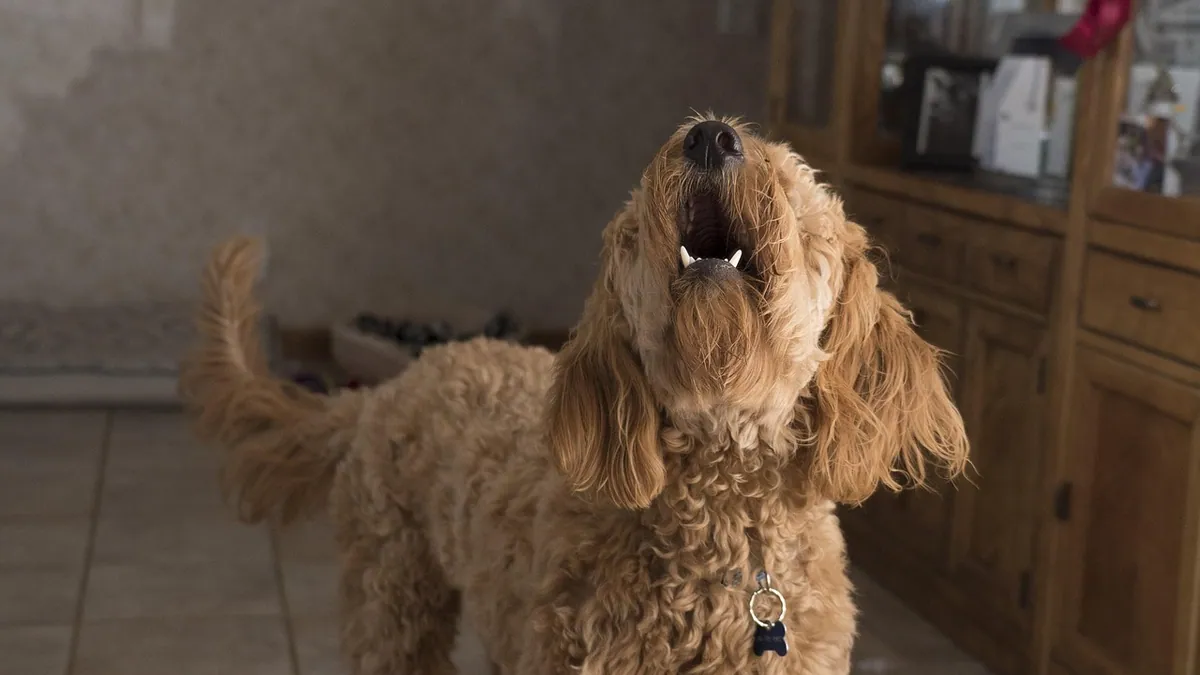
Guaifenesin is a human expectorant that some owners ask about for a coughing dog, but there is no standard guaifenesin for dogs dosage you can safely measure at home from a human product. In veterinary medicine, guaifenesin is used mainly as an injectable muscle relaxant during anesthesia, not as an oral cough syrup. Giving your dog an over-the-counter human cough preparation is far more likely to cause harm than relief.
This article is educational and is not a substitute for veterinary diagnosis or treatment.
Quick Answer
- Guaifenesin is not approved as an oral cough medicine for dogs, and no safe home dose exists for the human products sold in pharmacies.
- In dogs, guaifenesin appears in veterinary medicine as an injectable drug given by veterinarians during anesthesia, where it relaxes muscles and reduces the amount of other anesthetic drugs needed [1].
- Human cough syrups often combine guaifenesin with decongestants, acetaminophen, xylitol, or other ingredients that are toxic to dogs.
- A cough in a dog can signal heart disease, collapsing trachea, kennel cough, pneumonia, or a foreign object, so the cause matters more than the cough itself.
- If your dog is coughing, call your veterinarian before giving any human medication.
What Guaifenesin Is and What Veterinarians Use It For
Guaifenesin is a medication that thins and loosens mucus in people. That is how it is marketed in human cough and cold products. In dogs, the story is different. Guaifenesin is used as an injectable agent that relaxes skeletal muscle and helps smooth the induction of general anesthesia [1]. It is given intravenously by a veterinarian, not poured into a bowl or squirted into a mouth.
Veterinary studies of guaifenesin in dogs focus on anesthesia. In one study, healthy dogs received guaifenesin intravenously at 50 mg/kg or 100 mg/kg before propofol induction, and researchers measured heart rate, blood pressure, and how much propofol was needed [1]. Those doses were given under controlled conditions with monitoring equipment, not at home. The drug has also been studied as part of anesthesia protocols in other species, including calves and horses, where it is combined with other injectable drugs to maintain anesthesia [2][3].
You will not find a veterinary-labeled oral guaifenesin product for coughing dogs on the market. If your veterinarian wants to treat a cough, they will choose a drug made for that purpose and dosed for your dog's weight and condition.
How Guaifenesin Works
In people, guaifenesin is thought to reduce the thickness of mucus so it is easier to cough up. That effect is the basis for its use in human chest congestion. In dogs, the documented effects are different. When given intravenously, guaifenesin produces muscle relaxation and reduces the dose of induction drugs needed for anesthesia [1]. It acts on the central nervous system and on skeletal muscle, which is why it is grouped with anesthetic adjuncts in veterinary practice.
There is no reliable evidence that oral guaifenesin loosens mucus in dogs the way it does in people. Even if it did, the dose would need to be calculated for your dog, and the human products on the shelf are not made for that purpose. Many contain additional active ingredients, and some contain sweeteners or fillers that dogs cannot safely process.
Guaifenesin for Dogs Dosage: Why Online Charts Are Risky
This is the part that matters most. You may find websites or forum posts offering a guaifenesin for dogs dosage per pound or a guaifenesin for dogs dosage chart. Treat those with suspicion. Here is why.
The dose depends on the drug form and the route
The only guaifenesin doses described in the veterinary literature for dogs are intravenous doses given during anesthesia, such as 50 mg/kg and 100 mg/kg [1]. Those numbers apply to an injectable product given by a veterinarian with monitoring. They do not translate into a safe oral dose from a human tablet or syrup.
Human products are not single-ingredient
Walk down any pharmacy cough aisle and you will see guaifenesin combined with other drugs. Common additions include decongestants, antihistamines, acetaminophen, and cough suppressants. Some liquid formulations contain xylitol or alcohol. Several of these ingredients are toxic to dogs at small amounts. Acetaminophen can damage a dog's liver and red blood cells. Xylitol can cause dangerous drops in blood sugar. Decongestants can raise heart rate and blood pressure. The guaifenesin is rarely the ingredient that hurts the dog.
Your dog's health changes the math
A dog with heart disease, kidney disease, liver disease, or seizures may not tolerate a drug that a healthy dog could. A dog taking other medications may have interactions. A veterinarian calculates a dose from your dog's weight, age, health history, and current drugs. No chart can do that.
The cause of the cough matters
A cough is a symptom, not a diagnosis. It can come from tracheal collapse, heart failure, bronchitis, pneumonia, heartworm disease, or a foreign object stuck in the airway. Giving a cough medicine without knowing the cause can mask a problem that needs treatment right away. If your dog has been coughing, your veterinarian may want to listen to the heart and lungs, take X-rays, or run blood tests before choosing any drug.
If you are comparing options for a dog with a cough or allergies, our guide to Can I Give My Dog Benadryl? Dosage, Safety, and When to Call the Vet explains how veterinarians think about human antihistamines. For allergy-related itching, see Can You Give Your Dog Zyrtec for Allergies? Dosage and Safety.
How it would be given if a veterinarian prescribed it
If a veterinarian ever prescribed an oral guaifenesin product for your dog (which is uncommon), they would tell you the exact amount, how often to give it, and whether to give it with food. You would use the measuring device that comes with the product, not a kitchen spoon. You would not split or crush tablets unless the veterinarian said it was safe. You would keep the product out of your dog's reach between doses.
What to do about a missed dose
If your veterinarian prescribed a medication and you miss a dose, do not double up. Give the next dose at the regular time unless your veterinarian tells you otherwise. If you are not sure what to do, call the clinic. For a drug like guaifenesin that is not a standard at-home dog medication, a missed dose is a sign you should call your veterinarian and confirm the plan.
Guaifenesin for Dogs Side Effects
Side effects depend on the form of the drug, the route, and the other ingredients in the product. The table below separates what is known about guaifenesin itself from what happens when a dog gets a human combination product.
| Side effect | How common or serious | What to do |
|---|---|---|
| Drowsiness or sedation | Possible with injectable use during anesthesia [1] | Expected in a hospital setting. At home, call your veterinarian if your dog seems overly sleepy after any medication |
| Changes in heart rate or blood pressure | Monitored during anesthesia studies in dogs [1] | Not something you can check at home. Report weakness, collapse, or pale gums right away |
| Vomiting or stomach upset | Common with many oral human products | Stop the product and call your veterinarian |
| Agitation, fast heart rate, or tremors | Can happen with decongestant-containing products | This is an emergency. Call poison control or an emergency clinic now |
| Low blood sugar, weakness, or collapse | Can happen with xylitol-containing liquids | This is an emergency. Go to a veterinary hospital now |
| Liver or red blood cell damage | Can happen with acetaminophen-containing products | This is an emergency. Call poison control or an emergency clinic now |
The key point is that most serious reactions in dogs come from the other ingredients in human cough products, not from guaifenesin alone. If you gave your dog a human cough syrup and you are not sure what was in it, keep the package and call for help.
Who Should Not Take Guaifenesin and What Interacts With It
Dogs with certain health conditions should not receive guaifenesin or human cough products without a veterinarian's guidance. This includes dogs with heart disease, uncontrolled high blood pressure, liver disease, kidney disease, or a history of seizures. Dogs that are pregnant, nursing, or very young should also be evaluated by a veterinarian first.
Drug interactions are a real concern. Guaifenesin is used with other anesthetic drugs in veterinary medicine, and those combinations are managed by a veterinarian who can monitor the dog [1][2]. At home, the bigger risk is combining a human cough product with your dog's existing medications. Sedatives, pain medications, heart medications, and seizure medications can all interact with the ingredients in cough syrups. If your dog takes any prescription medication, do not add an over-the-counter product without asking your veterinarian.
If your dog is on other supplements or medications, our article on CBD Oil for Dogs: Dose Safety and Drug Interaction Warnings covers how to think about interactions. If your dog takes steroids for a cough or airway issue, see Prednisone for Dogs: Uses, Side Effects, and Safety Guidelines.
Overdose and When to Call a Veterinarian or Poison Control
If your dog ate guaifenesin tablets or drank a human cough syrup, treat it as a possible poisoning. The dose of guaifenesin alone may not be the main problem. The other ingredients can be. Do not wait for symptoms. Call for advice right away.
In the United States, you can call the ASPCA Animal Poison Control Center at (888) 426-4435 or the Pet Poison Helpline at (855) 764-7661. Both may charge a consultation fee. Have the product package, the estimated amount your dog ate, your dog's weight, and the time it happened ready. If your dog is collapsing, having seizures, breathing hard, or has pale gums, go to the nearest emergency veterinary hospital instead of calling first.
Limitations and When to Contact a Veterinarian
There is no safe, standard guaifenesin for dogs dosage you can use at home from a human product. The drug is used in veterinary medicine as an injectable anesthetic adjunct, and the doses in the literature are for monitored hospital use [1]. If your dog is coughing, the right next step is a veterinary visit, not a pharmacy run.
Call your veterinarian the same day if your dog has a new cough, a cough that has lasted more than a day or two, a change in cough character, or a cough that comes with mild lethargy or reduced appetite. Go to an emergency clinic now if your dog is struggling to breathe, has blue or pale gums, collapses, coughs up blood, or has a swollen abdomen with a cough. These signs can point to heart failure, pneumonia, or an airway obstruction.
If your dog is stable and the cough is mild, a routine visit is fine. Your veterinarian can listen to the heart and lungs, check for heartworm status, and decide whether imaging or other tests are needed. Individual cases need a veterinarian who can examine your dog and review the full history.
Frequently Asked Questions
Can I give my dog human guaifenesin cough syrup?
No, you should not give your dog human guaifenesin cough syrup without direct veterinary instruction. Many products contain additional ingredients that are toxic to dogs, and there is no standard home dose. Call your veterinarian instead.
Is guaifenesin used in dogs at all?
Yes, but mainly as an injectable drug during anesthesia, where it relaxes muscles and reduces the amount of other anesthetic drugs needed. That use happens in a hospital with monitoring, not at home.
What should I do if my dog ate guaifenesin?
Call the ASPCA Animal Poison Control Center at (888) 426-4435 or the Pet Poison Helpline at (855) 764-7661 right away. Keep the package and note how much your dog may have eaten. If your dog is collapsing or having trouble breathing, go to an emergency clinic now.
Are there safer cough options for dogs?
Yes, but they depend on the cause of the cough. Your veterinarian may treat heart disease, infection, airway inflammation, or another condition directly. Some coughs need no medication at all once the trigger is removed.
Can a cough in dogs wait until tomorrow?
A mild cough in an otherwise bright, eating, drinking dog can often wait for a routine visit. A cough with trouble breathing, collapse, blood, or a swollen belly cannot wait. Call your veterinarian or an emergency clinic right away if any of those signs appear.
Related Articles
- CBD Oil for Dogs: Dose Safety and Drug Interaction Warnings
- Prednisone for Dogs: Uses, Side Effects, and Safety Guidelines
- Can You Give Your Dog Melatonin for Anxiety? Safety and Dosage
- Can You Give Your Dog Zyrtec for Allergies? Dosage and Safety
- Can I Give My Dog Benadryl? Dosage, Safety, and When to Call the Vet
- Dog Prednisone for Allergies: Side Effects and Safe Use
- Robitussin for Dogs: Dosage and Safety Rules
- Mucinex for Dogs: Dosage and Safety
- Guaifenesin for Cats: Uses, Dosage, and Side Effects
References
- Heart rate, arterial pressure and propofol-sparing effects of guaifenesin in dogs. Veterinary anaesthesia and analgesia, 2023.
- Analgesic and cardiopulmonary effects of premedication with tramadol in calves anesthetized with the infusion of guaifenesin and thiamylal. The Journal of veterinary medical science, 2021.
- A retrospective comparison of induction with thiopental/guaifenesin and propofol/ketamine in Thoroughbred racehorses anesthetized with sevoflurane and medetomidine during arthroscopic surgery. Journal of equine science, 2019.