Furosemide for Cats: Side Effects and Monitoring
By Dr. Zubair Khalid, DVM, MS, PhD ·
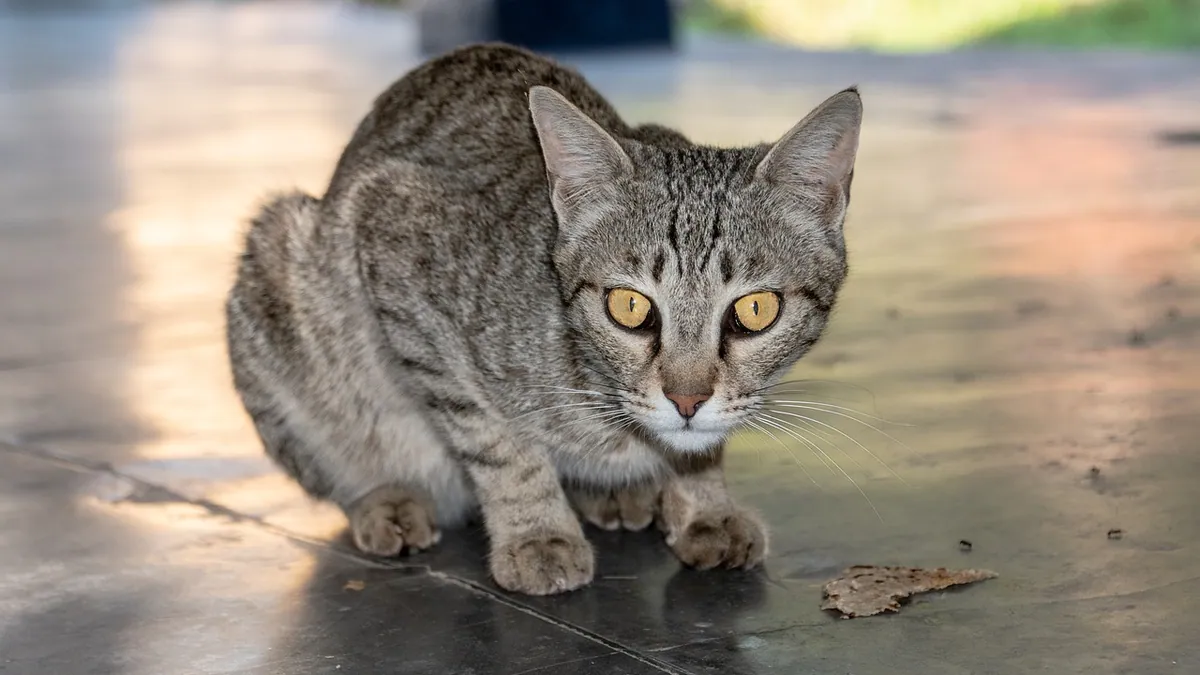
Furosemide for cats side effects are mostly the result of the drug doing its job: it pulls extra fluid out of the body, so your cat pees more, drinks more, and can become dehydrated if the dose is too high. Most cats tolerate it well when the dose is matched to their weight and kidney function, but the drug can raise kidney values and shift electrolytes, so blood tests matter. This article is educational and is not a substitute for veterinary diagnosis or treatment.
Quick Answer
- Furosemide (brand name Lasix) is a loop diuretic used first-line for fluid buildup from congestive heart failure, and it works within hours [1].
- The side effects you will actually see at home are heavy urination, increased thirst, and sometimes lethargy or poor appetite from dehydration.
- Kidney values (creatinine and BUN) and electrolytes (especially chloride, potassium, and sodium) are the main lab tests your veterinarian will recheck [2][3].
- Azotemia (elevated kidney values) is common in cats with congestive heart failure, showing up in 44% of cats at the time of diagnosis, and kidney injury was documented in 66% of treated cats in one study [2].
- Never change the dose on your own. Call your veterinarian if your cat stops eating, seems weak, breathes fast at rest, or urinates far more than expected.
What Furosemide Is and Why Veterinarians Use It
Furosemide is a prescription diuretic, often called a water pill. In cats, it is the first-line therapy for cardiogenic pulmonary edema, which is fluid that backs up into the lungs when the heart cannot pump efficiently [1]. It is also used for other forms of congestive heart failure and for fluid accumulation linked to heart disease.
Left-sided congestive heart failure is a common cause of sudden breathing difficulty in cats, and it can look identical to asthma or other lung disease [1]. That is why your veterinarian may reach for furosemide quickly when a cat arrives struggling to breathe.
Furosemide is not a treatment for kidney disease, high blood pressure, or urinary problems. It does not fix the underlying heart disease. It buys comfort and time by removing fluid, and it is usually paired with heart medications that address the cause.
How Furosemide Works in Cats
Furosemide acts on the loop of Henle, a section of the kidney tubules. It blocks the reabsorption of sodium and chloride, and water follows that salt out of the body in the urine. This is why it is called a loop diuretic.
The effect is fast. In a study of 25 cats with acute left-sided congestive heart failure, left atrial size dropped measurably within three hours of a furosemide dose [1]. That speed is useful in an emergency, but it also means fluid and electrolytes leave the body quickly.
Because the drug removes fluid, it can lower the volume of blood circulating through the kidneys. When that happens, kidney values can rise. This is a known trade-off in heart failure treatment, and it is why monitoring is not optional [2].
Dosing Basics for Cats
Your veterinarian calculates the furosemide dose from your cat's weight, current kidney values, breathing rate, and how much fluid needs to come off. There is no single dose that fits every cat, and doses often change over time as heart disease progresses.
Furosemide comes as tablets and as an injectable form. Most cats at home get oral tablets, often with or without food. If your cat is hard to pill, ask your veterinarian about compounding into a liquid or a flavored chew, since getting the dose in matters more than the form.
Some cats with advanced, refractory heart failure are managed with subcutaneous furosemide, meaning the drug is injected under the skin at home or in the clinic. In one review of 17 cats with refractory congestive heart failure, subcutaneous furosemide controlled breathing rate and effort, and owners reported satisfaction with the approach [4]. Median survival after starting subcutaneous furosemide was 89 days in that group of cats [4]. This route is reserved for cats who stop responding to oral diuretics, and it is always started by a veterinarian.
If you miss a dose, do not double up. Give the next dose at the normal time and call your veterinarian if you are unsure. Doubling a diuretic dose can cause sudden dehydration and a sharp drop in kidney function.
Furosemide for Cats Side Effects: What You Will See
Most side effects are extensions of the drug's fluid-removing action. The table below covers what owners report and what each sign means.
| Side effect | How common or serious | What to do |
|---|---|---|
| More urination (sometimes accidents outside the box) | Very common and expected | Keep the litter box clean and accessible. Do not restrict water. |
| Increased thirst | Very common and expected | Always leave fresh water available. Thirst is the body's response to fluid loss. |
| Dehydration (tacky gums, skin that stays tented, sunken eyes) | Common if the dose is too high | Call your veterinarian the same day. This can worsen kidney values. |
| Lethargy or weakness | Common with dehydration or electrolyte shifts | Call your veterinarian. Do not wait for the next scheduled visit. |
| Poor appetite or vomiting | Less common but concerning | Call your veterinarian. A cat that stops eating needs to be seen. |
| Elevated kidney values (azotemia) | Common. Azotemia was present in 44% of cats at CHF diagnosis, and kidney injury occurred in 66% during treatment [2] | Your veterinarian will recheck bloodwork. Never adjust the dose yourself. |
| Low chloride (hypochloremia) | Seen in cats with stable CHF and linked to shorter survival in one study [3] | This is found on bloodwork, not at home. Keep monitoring appointments. |
| Electrolyte imbalance (potassium, sodium) | Possible with any diuretic | Recheck bloodwork as directed. Report muscle weakness or wobbliness. |
| Collapse or fainting | Uncommon but serious | Emergency visit right away. |
A few notes on the numbers. Higher furosemide doses were linked to larger rises in serum creatinine in cats treated for congestive heart failure [2]. Continuous rate infusion of furosemide during hospitalization was also associated with a higher risk of kidney injury [2]. That does not mean the drug is wrong to use. It means the dose and the monitoring plan have to be right for your cat.
Hypochloremia, a low blood chloride level, was an independent predictor of death in cats with stable congestive heart failure, and cats with low chloride were on higher diuretic doses [3]. Again, this is a lab finding. You cannot spot it at home, which is exactly why follow-up bloodwork is scheduled.
If your cat is on other medications for allergies, pain, or seizures, the same principle applies: watch for changes and report them. Our guide to cat allergy medication side effects and our article on gabapentin side effects in cats cover what to track for those drugs.
Furosemide Cat Kidney Values: What Gets Monitored
Your veterinarian will run bloodwork before starting furosemide if your cat is stable enough, and then recheck it regularly. The key values are:
- Creatinine and BUN. These reflect kidney filtration. A rise of 0.3 mg/dL or more in creatinine is used to flag kidney injury in cats being treated for congestive heart failure [2].
- Chloride. Low chloride is common in cats with heart failure on diuretics and is tied to worse outcomes [3].
- Potassium and sodium. Diuretics can pull these down, and both affect heart rhythm and muscle strength.
- Phosphorus and sometimes SDMA. These give a fuller picture of kidney health.
Your cat's kidney values may look worse on furosemide than they would off it, because the drug reduces blood flow to the kidneys. Your veterinarian has to balance heart fluid against kidney numbers. Sometimes the dose is lowered, sometimes a fluid adjustment is made, and sometimes the values are accepted as the cost of controlling heart failure.
Do not skip recheck appointments because your cat seems fine. Cats hide kidney changes well until they are advanced.
Furosemide Cat Dehydration: What to Watch For
Dehydration is the side effect owners are most likely to catch early. Signs include:
- Gums that feel dry or tacky instead of slick
- Skin on the back of the neck that stays tented when gently pinched
- Sunken-looking eyes
- Less interest in food or play
- Urinating large volumes but seeming tired afterward
Mild dehydration after a dose increase is not unusual. Severe dehydration is a problem. If your cat looks unwell, call your veterinarian the same day. Do not withhold water to reduce urination. Cats on furosemide need free access to water.
Furosemide Cat Electrolyte Imbalance
Electrolyte shifts are invisible at home until they are significant. Low potassium can cause weakness, a wobbly gait, or a poor appetite. Low chloride has been linked to shorter survival in cats with stable congestive heart failure [3]. Low sodium can cause confusion or seizures in severe cases.
You cannot fix electrolytes with food alone once they are off. Your veterinarian may add a potassium supplement or adjust the diuretic dose based on bloodwork. Never give human electrolyte drinks or supplements to a cat unless your veterinarian tells you to.
Who Should Not Take Furosemide and What Interacts With It
Furosemide is not right for every cat. Your veterinarian will be cautious or choose another option if your cat has:
- Severe dehydration or shock
- Anuria, meaning the kidneys are not making urine
- Severe electrolyte imbalances that have not been corrected
- Known hypersensitivity to furosemide
Drug interactions matter too. Furosemide can increase the risk of kidney injury when combined with other drugs that stress the kidneys, such as some pain medications in the NSAID class. It can worsen potassium loss when paired with other diuretics. It may change how the body handles some heart medications.
Tell your veterinarian about every medication, supplement, and topical product your cat receives, including flea and tick preventives. If your cat takes seizure medication, our article on seizure medication side effects in cats explains why regular bloodwork matters for those drugs as well.
Furosemide Overdose in Cats
An overdose of furosemide can cause severe dehydration, dangerously low blood pressure, collapse, and acute kidney injury. Signs to watch for include extreme weakness, vomiting, not urinating at all, or a cat that cannot stand.
If you think your cat received too much furosemide, call your veterinarian or an emergency clinic immediately. You can also call the ASPCA Animal Poison Control Center at (888) 426-4435 or the Pet Poison Helpline at (855) 764-7661. These services may charge a consultation fee.
Do not wait for symptoms to appear. Dehydration and kidney injury from a diuretic overdose can worsen quickly, and early treatment with fluids makes a real difference.
Limitations and When to Contact a Veterinarian
Furosemide is a powerful drug with a narrow margin between helpful and harmful. The right dose for your cat depends on details only your veterinarian can assess, so individual cases always need professional guidance.
Call an emergency clinic now if your cat:
- Collapses, faints, or cannot stand
- Breathes with an open mouth or at a fast rate while resting
- Stops urinating entirely
- Vomits repeatedly or has a seizure
- Has gums that are very dry, pale, or blue-tinged
Call your veterinarian the same day if your cat:
- Refuses food for more than 24 hours
- Seems weak, wobbly, or unusually quiet
- Has severe diarrhea or vomiting
- Urinates far more than usual with a sudden change in behavior
- Shows signs of dehydration (tacky gums, tented skin)
Bring up at your next routine visit:
- Any change in urination habits or thirst
- Any new medication or supplement
- Whether the current dose still matches your cat's breathing and energy level
- When the last bloodwork was done and what it showed
Frequently Asked Questions
How long does furosemide stay in a cat's system?
Furosemide acts within about an hour of an oral dose and its diuretic effect lasts roughly four to six hours, though the exact duration varies by cat and dose. The drug itself is cleared by the kidneys, so cats with reduced kidney function may clear it more slowly. Your veterinarian sets the dosing schedule around your cat's specific situation.
Can furosemide make my cat's kidney disease worse?
It can raise kidney values, especially at higher doses, and kidney injury is a recognized risk during congestive heart failure treatment. That does not mean the drug should be stopped, because uncontrolled heart failure is also life-threatening. Your veterinarian balances the two by adjusting the dose and rechecking bloodwork.
Is it safe to give furosemide to a cat with no appetite?
A cat that will not eat needs veterinary attention, and furosemide can contribute to poor appetite through dehydration and electrolyte loss. Do not force the pill if your cat is vomiting or unable to swallow. Call your veterinarian to discuss the next step.
What should I do if my cat urinates outside the litter box on furosemide?
Increased urination is expected on this drug, and accidents often mean the box is not being reached in time or the dose is too high. Add extra boxes in easy-to-reach spots and keep them clean. If the volume seems extreme or your cat seems unwell, call your veterinarian.
Can furosemide be stopped suddenly?
No, furosemide should not be stopped without veterinary guidance, because fluid can build back up in the lungs quickly. If your cat is having side effects, call your veterinarian about adjusting the dose instead of skipping doses on your own. Stopping suddenly can trigger a breathing emergency.
Related Articles
- Cat Allergy Medication Side Effects: What to Watch For
- What Are the Side Effects of Gabapentin for Cats?
- What Are the Side Effects of Apoquel for Cats?
- What Are the Side Effects of Seizure Medication in Cats?
- Cat Urinary Tract Infection Side Effects
- Therapeutic Monitoring of Antiepileptic Drugs in Dogs and Cats
- Benazepril for Cats: Side Effects and What It Does
- Spironolactone for Cats: Side Effects and Safe Dosing
- Pimobendan for Cats: Side Effects and Safety
References
- Acute Effect of Furosemide on Left Atrium Size in Cats with Acute Left-Sided Congestive Heart Failure. Animals : an open access journal from MDPI, 2025.
- Frequency and progression of azotemia during acute and chronic treatment of congestive heart failure in cats. Journal of veterinary internal medicine, 2025.
- Hypochloremia is negatively associated with outcomes in cats with stable congestive heart failure. American journal of veterinary research, 2026.
- Subcutaneous Furosemide Therapy for Chronic Management of Refractory Congestive Heart Failure in Dogs and Cats. Animals : an open access journal from MDPI, 2025.