Enrofloxacin for Dogs: Uses, Dose, and Warnings
By Dr. Zubair Khalid, DVM, MS, PhD ·
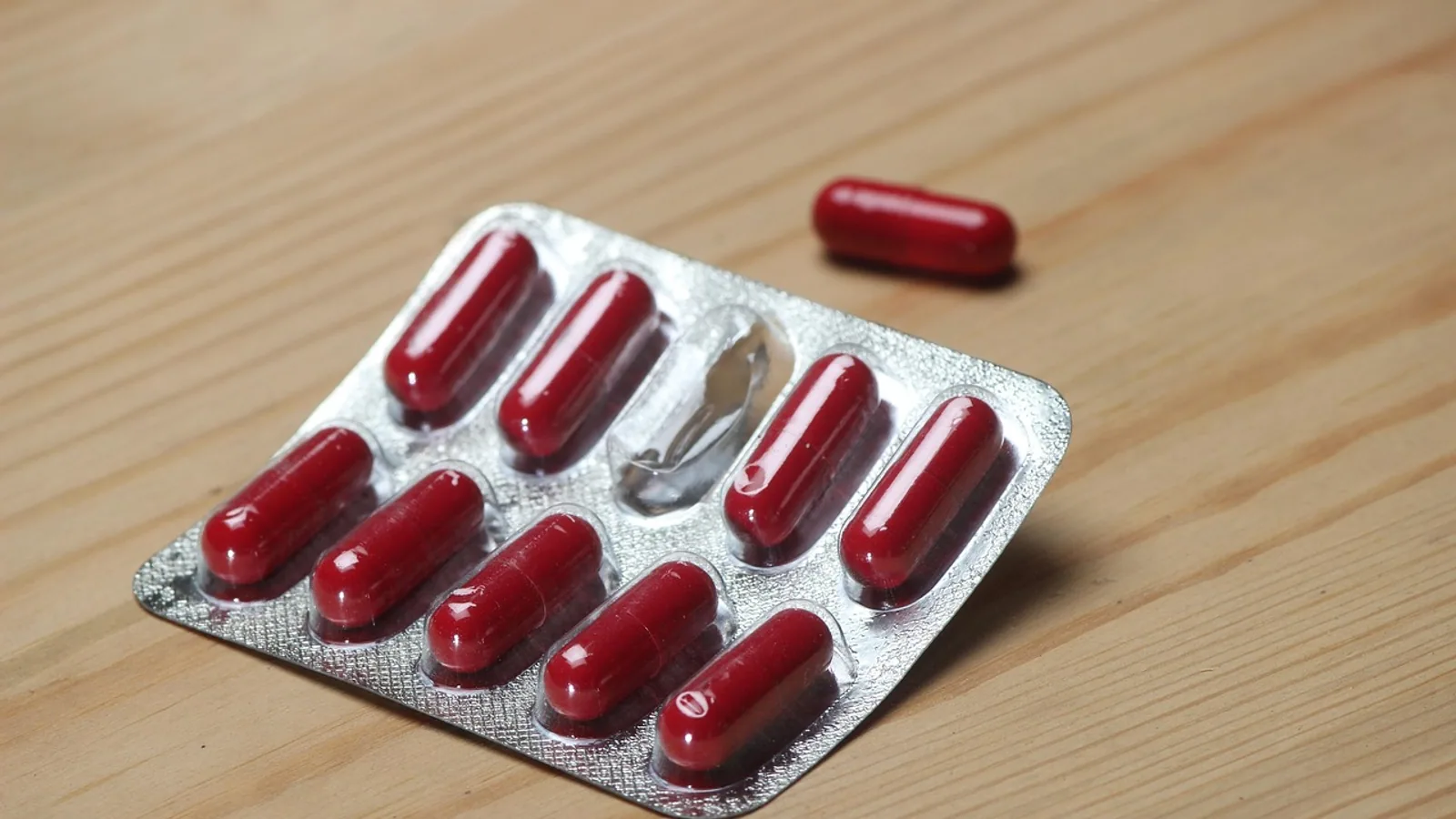
Enrofloxacin for dogs is a prescription-only veterinary antibiotic in the fluoroquinolone class. It is used to treat bacterial infections caused by susceptible organisms, most often gram-negative bacteria and a limited set of gram-positive bacteria. Enrofloxacin is a concentration-dependent antibiotic, which means the peak drug level in the body drives how well it kills bacteria rather than how long the drug stays above a threshold [1][2]. In the United States it is sold under the brand name Baytril and as generic enrofloxacin tablets and injectable solutions, and it is available only with a veterinarian's prescription [3].
This article covers what enrofloxacin treats, how it is dosed by body weight, why growing dogs and large-breed puppies carry special risk, how to give it so it actually works, and what an owner should watch for at home.
This article is educational and is not a substitute for veterinary diagnosis or treatment.
At a Glance
| Feature | Detail |
|---|---|
| Active ingredient | Enrofloxacin (a fluoroquinolone antibiotic) |
| Metabolite | Ciprofloxacin, formed in the dog's body and also active [4] |
| Species | Dogs, and other animals under separate labels |
| Minimum age or weight on the label | Follow the label and your veterinarian. Fluoroquinolones carry cartilage and joint warnings in growing animals, so use in puppies is a case-by-case veterinary decision |
| How it is given | Oral tablets or liquid, or by injection in hospital [1][5] |
| How fast it works | Oral absorption is rapid, with peak blood levels typically reached within a few hours [2] |
| How long it lasts | Roughly a 4 to 5 hour elimination half-life in healthy dogs, which is why most regimens are once or twice daily [2] |
| Prescription status | Prescription only in the United States [3] |
| Main caution | Joint and cartilage toxicity in growing dogs, tendon injury, and reduced absorption when given with antacids, sucralfate, or dairy |
What Enrofloxacin Is and How It Works
Enrofloxacin belongs to the fluoroquinolone family of antibiotics. It works by blocking two bacterial enzymes, DNA gyrase and topoisomerase IV, that bacteria need to copy and repair their DNA. When those enzymes are blocked, the bacteria cannot replicate and they die. This is a bactericidal mechanism, meaning the drug kills bacteria rather than only stopping their growth.
Enrofloxacin is a concentration-dependent antibiotic. Its killing power rises as the peak concentration in blood and tissue rises, and it also has a post-antibiotic effect, meaning bacterial growth stays suppressed for a period after drug levels fall [1][2]. This is the pharmacologic reason fluoroquinolones are usually dosed once daily at a full dose rather than split into small frequent doses. A study comparing four fluoroquinolones in dogs found that enrofloxacin reached a peak serum concentration of about 1.41 micrograms per milliliter after a 5 mg/kg oral dose and had a terminal half-life of about 4.1 hours [2]. That favorable profile, combined with strong in vitro activity, gave enrofloxacin better pharmacodynamic predictors of bacterial killing than several comparator drugs in the same class [2].
A key feature of enrofloxacin is that the dog's liver converts part of each dose into ciprofloxacin, which is itself an active antibiotic [4]. In healthy dogs, this conversion contributes meaningfully to the total antibacterial effect. In critically ill dogs, the percentage conversion to ciprofloxacin appears to be lower than in healthy dogs, and there is wide variation between individual patients in how they handle the drug [1]. That variability is one reason veterinarians sometimes adjust dose or interval based on the specific infection and the dog's condition.
What Enrofloxacin Treats in Dogs
Enrofloxacin is used against infections caused by bacteria that are susceptible to it. Its spectrum leans heavily toward gram-negative organisms, including Escherichia coli, and it also covers some gram-positive bacteria. It is not a broad, cover-everything antibiotic, and it does not treat viral, fungal, or parasitic infections.
Documented uses and clinical scenarios in the veterinary literature include the following.
- Urinary tract infections. A three-day course of oral enrofloxacin at 20 mg/kg once daily was effective for uncomplicated urinary tract infection in dogs in a pharmacokinetic study, and urine concentrations exceeded the mutant prevention concentration targets for E. coli isolated from canine UTIs [6]. However, bacteria that form intracellular communities inside bladder cells can be tolerant to enrofloxacin at concentrations typical of standard dosing, which is relevant to recurrent infections [7].
- Life-threatening bacterial infections in critical care. Enrofloxacin is frequently used for serious bacterial infections in emergency and critical care, and a 10 mg/kg intravenous dose once daily in critically ill dogs is predicted to treat infections caused by susceptible and susceptible dose-dependent bacteria [1].
- Skin infections. Enrofloxacin at 10 mg/kg once daily for one week was part of successful treatment of a cutaneous Serratia marcescens infection in a dog [8].
- Leptospirosis. A specific enrofloxacin formulation given by injection at 10 mg/kg per day, followed by oral dosing, was used in an outpatient clinical trial in dogs with leptospirosis, with most dogs testing negative after treatment [9]. This is a specialized use that depends on the formulation and the clinical setting.
- Prostatitis. Enrofloxacin was used for eight weeks to treat Salmonella prostatitis in an immunocompetent dog, with negative repeat cultures after treatment stopped [10].
- Mycobacterial disease. Enrofloxacin was part of a long-term multi-drug regimen for a rare hepatic mycobacterial infection in a dog, alongside clarithromycin and doxycycline [11].
- Central nervous system infections. A systematic review of pharmacological evidence identified enrofloxacin as potentially effective against bacteria frequently found in bacterial meningitis in dogs, based on its ability to reach the cerebrospinal fluid [12].
The common thread is that enrofloxacin is chosen when a veterinarian has reason to believe the infection is caused by a susceptible gram-negative organism, or when culture and susceptibility testing supports it. It is not a first-choice drug for every infection, and it should not be used casually.
Enrofloxacin Dose for Dogs: Weight-Based Table
Enrofloxacin dosing is weight-based, and the correct dose depends on the infection being treated, the route of administration, and the susceptibility of the bacteria involved. The table below reflects doses reported in the veterinary literature and the labeled range. Your veterinarian will set the actual dose for your dog.
| Body weight | 5 mg/kg dose (once daily) | 10 mg/kg dose (once daily) | 20 mg/kg dose (once daily) |
|---|---|---|---|
| 5 lb (2.3 kg) | 11.5 mg | 23 mg | 46 mg |
| 10 lb (4.5 kg) | 22.5 mg | 45 mg | 90 mg |
| 20 lb (9.1 kg) | 45.5 mg | 91 mg | 182 mg |
| 30 lb (13.6 kg) | 68 mg | 136 mg | 272 mg |
| 40 lb (18.2 kg) | 91 mg | 182 mg | 364 mg |
| 50 lb (22.7 kg) | 113.5 mg | 227 mg | 454 mg |
| 60 lb (27.3 kg) | 136.5 mg | 273 mg | 546 mg |
| 70 lb (31.8 kg) | 159 mg | 318 mg | 636 mg |
| 80 lb (36.4 kg) | 182 mg | 364 mg | 728 mg |
| 100 lb (45.5 kg) | 227.5 mg | 455 mg | 910 mg |
The 5 mg/kg dose is the traditional labeled dose for many routine infections [2]. The 10 mg/kg dose is used for more serious infections and is the dose studied in critically ill dogs given intravenously [1]. The 20 mg/kg dose is a high-end dose used for specific indications such as uncomplicated urinary tract infection, where urine drug concentrations are very high [6]. Higher doses are also associated with revised susceptibility breakpoints, meaning a higher dose can overcome bacteria that would be classified as resistant at a lower dose [13].
Doses in this class are not simply "more is better." The Clinical and Laboratory Standards Institute revised its fluoroquinolone breakpoints for dogs, and the new susceptible breakpoint for enrofloxacin is 0.06 micrograms per milliliter at a 5 mg/kg dose, 0.12 micrograms per milliliter at a 10 mg/kg dose, and 0.25 micrograms per milliliter at a 20 mg/kg dose, with resistance defined at 0.5 micrograms per milliliter or higher [13]. This means the dose a veterinarian chooses is tied to the susceptibility of the bacteria and the site of infection, not just the dog's size.
Giving the Dose Correctly
Enrofloxacin is usually given once daily. It can be given with or without food, but absorption drops sharply when it is given with certain other products. Give the dose at roughly the same time each day, and finish the full course even if the dog looks better after a few days. Stopping early is one of the main drivers of resistant bacteria.
Why Absorption Matters: Chelation and What Not to Give With It
Oral enrofloxacin is well absorbed in dogs, but it binds (chelates) to metal ions and certain other compounds in the gut, which prevents it from being absorbed into the bloodstream. When that happens, the dog gets a fraction of the intended dose, and the infection may not clear. This is one of the most common reasons a course of enrofloxacin fails at home.
Products that reduce enrofloxacin absorption include:
- Antacids that contain aluminum, magnesium, or calcium
- Sucralfate, used for stomach ulcers
- Dairy products such as milk, cheese, and yogurt, because of their calcium content
- Iron and zinc supplements
- Calcium supplements
The practical rule is to separate enrofloxacin from any of these products by at least two hours. Give the antibiotic first, wait at least two hours, then give the antacid, sucralfate, dairy, or mineral supplement. If your dog is on a prescription gastrointestinal diet or a calcium-fortified food, ask your veterinarian how to time the doses.
This interaction is not a minor detail. A dog that is underdosed because of chelation may appear to improve and then relapse, and the surviving bacteria are more likely to be resistant the next time.
Cartilage and Tendon Toxicity: The Growing-Dog Warning
Fluoroquinolones carry a class warning for cartilage damage in growing animals. Enrofloxacin is no exception. The concern is that these drugs can affect developing joint cartilage in young, rapidly growing dogs, which can lead to lameness or joint problems later.
This risk is why enrofloxacin is used cautiously, if at all, in puppies and in large-breed puppies in particular. Large-breed dogs grow fast and for longer than small breeds, so their joints are in a vulnerable, actively developing state for more weeks and months. A Great Dane, Labrador, or German Shepherd puppy at four to six months of age is still building cartilage, and that is exactly the window where the risk is highest.
Practical points for owners:
- Do not give leftover enrofloxacin to a puppy.
- If your veterinarian prescribes enrofloxacin for a young dog, ask specifically about the risk to growing joints and whether an alternative antibiotic would be safer for that infection.
- Watch for lameness, stiffness, reluctance to rise, or a change in gait during and after treatment, and report it promptly.
- The risk is dose and duration related, so shorter courses at the lowest effective dose are preferred in young animals when the drug is truly needed.
Tendon injury is a related concern in the fluoroquinolone class. Tendon problems are more often reported in people, but the class warning applies to animals as well, and older or heavy dogs may be at higher risk. Report any sudden lameness, swelling near a joint, or difficulty walking to your veterinarian.
Retinal Toxicity Reported in Cats
Enrofloxacin has been associated with retinal toxicity in cats, and this is a species-specific concern that owners of multi-pet households should know about. Cats can develop acute blindness or retinal damage after enrofloxacin, sometimes at doses that would be considered normal for a dog. This is one reason enrofloxacin is dosed differently in cats, and it is a reason never to give a dog's enrofloxacin to a cat. If you have both species at home, keep the medications strictly separated and confirm with your veterinarian before giving any fluoroquinolone to a cat.
Side Effects and What to Do About Them
Most dogs tolerate enrofloxacin well when it is dosed correctly. When side effects occur, they usually fall into a few categories.
- Gastrointestinal upset. Vomiting, diarrhea, and reduced appetite are the most common complaints. Giving the dose with a small amount of food can help, unless your veterinarian has told you to give it on an empty stomach. In a pharmacokinetic study, one dog was excluded after vomiting a 20 mg/kg oral dose, which shows that vomiting right after dosing can mean the dose was lost [14]. If your dog vomits within an hour of a dose, call your veterinarian before redosing.
- Neurologic signs. Fluoroquinolones can cause wobbliness, head tilt, tremors, or seizures in susceptible animals. These are uncommon but serious. Stop the medication and contact your veterinarian.
- Joint and tendon signs. Lameness, stiffness, or joint swelling, as discussed above.
- Skin reactions. Hives, facial swelling, and itching can occur. These may signal an allergic reaction and need prompt veterinary attention.
- Changes in bloodwork. Enrofloxacin can affect liver enzymes in some dogs. Your veterinarian may recheck bloodwork during a long course.
If you see any sign that worries you, do not simply stop the antibiotic and wait. Call your veterinarian. Stopping partway through a course can allow the infection to return and can promote resistance.
Who Should Not Receive Enrofloxacin
Enrofloxacin is not appropriate for every dog. Situations that require caution or a different antibiotic include:
- Puppies and growing dogs, especially large-breed puppies, because of cartilage toxicity risk.
- Dogs with a known fluoroquinolone allergy.
- Dogs with certain neurologic conditions or a history of seizures, because fluoroquinolones can lower the seizure threshold.
- Dogs already on antacids, sucralfate, or mineral supplements, unless the doses can be separated by at least two hours.
- Dogs with liver or kidney disease, where dose adjustment may be needed.
- Pregnant or breeding dogs, where the risk to developing fetuses is a concern with this drug class.
Cats should not receive enrofloxacin formulated or dosed for a dog because of the retinal toxicity risk.
Drug and Food Interactions
The most important interaction is chelation, covered above. Other interactions to know about:
- Antacids, sucralfate, dairy, iron, and zinc reduce absorption. Separate by at least two hours.
- Nonsteroidal anti-inflammatory drugs (NSAIDs) can increase the risk of neurologic side effects when combined with fluoroquinolones. Tell your veterinarian about every medication and supplement your dog takes.
- Theophylline and caffeine-like compounds can interact with fluoroquinolones and increase side effects.
- Warfarin and other blood thinners may have their effects altered.
- Other antibiotics, such as chloramphenicol or certain tetracyclines, can interfere with enrofloxacin's killing action when used at the same time.
Always give your veterinarian a complete list of medications, supplements, and even the dog's regular food and treats. A short conversation about timing can prevent a treatment failure.
Fluoroquinolone Resistance: Why This Drug Is Reserved
Antibiotic resistance is the single biggest threat to the long-term usefulness of enrofloxacin. When bacteria are exposed to enrofloxacin at concentrations too low to kill them, the surviving bacteria can develop resistance, and that resistance can spread.
Surveillance data show that resistance is already present in canine pathogens. In a European monitoring program, resistance to enrofloxacin among E. coli from canine urinary tract infections was 10.5% in one collection period, alongside resistance to marbofloxacin at 11.4% [15]. In a Hong Kong study of dogs with pyoderma and otitis externa, enrofloxacin resistance was 50% in pyoderma isolates and 55.5% in otitis externa isolates, with multidrug resistance detected in roughly two-thirds of isolates [16]. These numbers show that enrofloxacin is not a guaranteed cure and that culture and susceptibility testing matters.
Because of this, responsible use means:
- Reserve enrofloxacin for infections where it is the right choice, not as a routine first antibiotic for minor problems.
- Use culture and susceptibility testing when possible, especially for recurrent or serious infections.
- Give the full course at the prescribed dose and interval.
- Do not share enrofloxacin between pets or reuse leftover medication.
- Do not use enrofloxacin for viral infections such as kennel cough caused by viruses, or for nonspecific diarrhea without a diagnosis.
The revised breakpoints from the Clinical and Laboratory Standards Institute reflect the same principle. A bacterium that is resistant at a 5 mg/kg dose may be treatable at a higher dose, but only under veterinary direction and only when the infection site and the dog's condition allow it [13].
How Enrofloxacin Compares With Alternatives
Enrofloxacin sits within a family of fluoroquinolones used in dogs, including marbofloxacin, orbifloxacin, difloxacin, and pradofloxacin. A comparative study in Beagle dogs found that marbofloxacin had a longer half-life (about 9.1 hours) and a larger area under the curve than enrofloxacin, while enrofloxacin had excellent in vitro activity and favorable pharmacodynamic predictors [2]. Pradofloxacin, a newer fluoroquinolone, achieved target pharmacodynamic values against several canine pathogens in serum and interstitial fluid in a separate study [17].
Outside the fluoroquinolone class, common alternatives include beta-lactams such as amoxicillin-clavulanate and cephalosporins, trimethoprim-sulfamethoxazole, doxycycline, and clindamycin. The right choice depends on the bacteria involved, the site of infection, the dog's age and health, and prior antibiotic exposure. Enrofloxacin is often chosen when a gram-negative infection is suspected or confirmed, when the infection is in a tissue where enrofloxacin penetrates well, or when other antibiotics have failed.
One advantage of enrofloxacin is its ability to concentrate in certain tissues. It accumulates in white blood cells and is carried to sites of inflammation, which helps deliver drug to infected tissue [18]. It also reaches interstitial fluid, the fluid between cells where many infections occur, at concentrations similar to the unbound drug in plasma [4]. A more recent study confirmed that enrofloxacin and its metabolite ciprofloxacin reach interstitial fluid with delayed peaks and greater overall exposure than plasma alone would suggest [14]. This tissue penetration is part of why enrofloxacin works well for infections in skin, prostate, and urinary tract.
Monitoring Your Dog at Home
Owners play a real role in whether an enrofloxacin course succeeds. Monitoring points to track:
- Appetite and energy. A dog that is eating and active again is a good sign. A dog that worsens after a few days of improvement needs a recheck.
- Vomiting and diarrhea. Note the timing relative to the dose. Vomiting within an hour of a dose may mean the dose was lost.
- Lameness or stiffness. Report any change in gait, especially in young or large-breed dogs.
- Neurologic signs. Wobbliness, head tilt, tremors, or seizures are reasons to call immediately.
- Urination and drinking. For urinary infections, watch for straining, accidents in the house, or blood in the urine.
- Skin and ears. For skin or ear infections, note whether redness, discharge, or odor is improving.
- Medication timing. Keep a simple log of when you give the antibiotic and when you give other medications or supplements, so you can confirm the two-hour separation.
Your veterinarian will typically schedule a recheck near the end of the course, or sooner if the infection is serious. For some infections, repeat culture or bloodwork is needed to confirm the bacteria are gone.
Limitations and When to Contact a Veterinarian
This article is educational and is not a substitute for veterinary diagnosis or treatment. Every dog is different, and the right antibiotic, dose, and duration depend on the specific infection, the dog's age and health, and the results of diagnostic testing. Your veterinarian is the only person who can prescribe enrofloxacin safely for your dog.
Contact your veterinarian promptly if any of the following occur:
- Vomiting, diarrhea, or loss of appetite that lasts more than a day
- Vomiting within one hour of a dose
- Lameness, stiffness, or reluctance to walk
- Wobbliness, head tilt, tremors, or a seizure
- Hives, facial swelling, or difficulty breathing
- No improvement after three to four days of treatment
- Worsening of the original signs at any point
- You miss a dose or are unsure whether the dose was given
- You gave the antibiotic with an antacid, sucralfate, dairy, or a mineral supplement
Do not stop the antibiotic on your own, and do not save leftover enrofloxacin for a future problem. Call your veterinary clinic for guidance.
Frequently Asked Questions
What is enrofloxacin used for in dogs?
Enrofloxacin is a prescription fluoroquinolone antibiotic used to treat bacterial infections in dogs, especially those caused by gram-negative bacteria. It is used for urinary tract infections, skin infections, serious infections in hospitalized dogs, and other infections when culture results support it [6][1][8].
How is enrofloxacin dosed in dogs?
It is dosed by body weight, most often once daily. Common doses are 5 mg/kg, 10 mg/kg, or 20 mg/kg depending on the infection, and your veterinarian will set the exact dose based on your dog's weight and diagnosis [6][1][2].
Can I give enrofloxacin to a puppy?
Only if your veterinarian prescribes it. Fluoroquinolones carry a cartilage toxicity warning in growing animals, and large-breed puppies are at particular risk because their joints develop over a longer period. Ask your veterinarian about safer alternatives for a puppy when one exists.
Why can't I give enrofloxacin with milk or antacids?
Calcium, aluminum, magnesium, iron, and zinc bind to enrofloxacin in the gut and prevent it from being absorbed. Separate enrofloxacin from antacids, sucralfate, dairy, and mineral supplements by at least two hours.
How long does enrofloxacin take to work in dogs?
Many dogs start to improve within two to three days, but the full course must be completed. The elimination half-life in healthy dogs is roughly four to five hours, which is why once-daily dosing works for most infections [2].
What are the side effects of enrofloxacin in dogs?
The most common side effects are vomiting, diarrhea, and reduced appetite. Less common but more serious effects include lameness, neurologic signs such as wobbliness or seizures, and allergic skin reactions. Report any of these to your veterinarian.
Is enrofloxacin safe for cats?
Enrofloxacin has been linked to retinal toxicity in cats, so it should not be given to a cat unless a veterinarian specifically prescribes it for that cat at a cat-appropriate dose. Never give a dog's enrofloxacin to a cat.
Why do veterinarians reserve enrofloxacin?
Because fluoroquinolone resistance is already common in some canine infections, including skin and ear infections, enrofloxacin is saved for infections where it is the right choice rather than used as a routine first antibiotic [15][16].
Related Articles
- Enrofloxacin Baytril Dose: Fluoroquinolone Dose and Tendon Warning
- Avian Enrofloxacin: Pharmacology, Clinical Use, and Resistance in Poultry
- Enrofloxacin Use in Avian Medicine: Indications and Withdrawal Periods
- CBD Oil for Dogs: Dose Safety and Drug Interaction Warnings
- Enrofloxacin Use in Avian Medicine: Pharmacokinetics, Clinical Applications, and Regulatory Considerations
- Enrofloxacin in Avian Medicine: Pharmacokinetics, Indications, and Regulatory Considerations
- Meloxicam for Dogs: Dose, Uses, and Warnings
- Amantadine for Dogs: Uses, Doses, and Safety
- Prednisolone Acetate: Uses, Doses and Side Effects
Sources
- Routine Doses of Enrofloxacin Achieve Pharmacodynamic Target Likely to Treat Susceptible and Susceptible Dose-Dependent Bacterial Infections in Critically Ill Dogs.
- Comparative serum pharmacokinetics of the fluoroquinolones enrofloxacin, difloxacin, marbofloxacin, and orbifloxacin in dogs after single oral administration.
- Enrofloxacin (Baytril) - Veterinary Partner - VIN
- Plasma and interstitial fluid pharmacokinetics of enrofloxacin, its metabolite ciprofloxacin, and marbofloxacin after oral administration and a constant rate intravenous infusion in dogs.
- Pharmacokinetics studies of enrofloxacin injectable in situ forming gel in dogs.
- Fluoroquinolone levels in healthy dog urine following a 20-mg/kg oral dose of enrofloxacin exceed mutant prevention concentration targets against Escherichia coli isolated from canine urinary tract infections.
- Canine urothelial cell model to study intracellular bacterial community development by uropathogenic Escherichia coli.
- Cutaneous Serratia marcescens infection in two dogs.
- Outpatient Clinical Trial in Dogs With Leptospirosis Treated With Enrofloxacin Hydrochloride-Dihydrate (ENRO-C).
- Bacterial Prostatitis Secondary to Salmonella enterica serovar Enteritidis in an Immunocompetent Dog.
- Hepatic Mycobacterium heckeshornense infection in a dog with cavitary lung disease.
- Systematic Review of the Pharmacological Evidence for the Selection of Antimicrobials in Bacterial Infections of the Central Nervous System in Dogs and Cats.
- Revision of fluoroquinolone breakpoints used for interpretation of antimicrobial susceptibility testing of canine bacterial isolates.
- Exploratory Pharmacokinetic Characterization of Enrofloxacin and Ciprofloxacin in Plasma and Interstitial Fluid of Dogs: Nonlinear Mixed-Effects Modeling and PK/PD Target Attainment Analysis.
- Antimicrobial Susceptibility of Canine and Feline Urinary Tract Infection Pathogens Isolated from Animals with Clinical Signs in European Veterinary Practices during the Period 2013-2018.
- Canine Pyoderma and Otitis Externa: A Retrospective Analysis of Multidrug-Resistant Bacterial Carriage in Hong Kong.
- Pharmacokinetics and pharmacodynamics of oral pradofloxacin administration in dogs.
- Evaluation of the distribution of enrofloxacin by circulating leukocytes to sites of inflammation in dogs.