Clomipramine for Cats: Dosage and Dosing Guide
By Dr. Zubair Khalid, DVM, MS, PhD ·
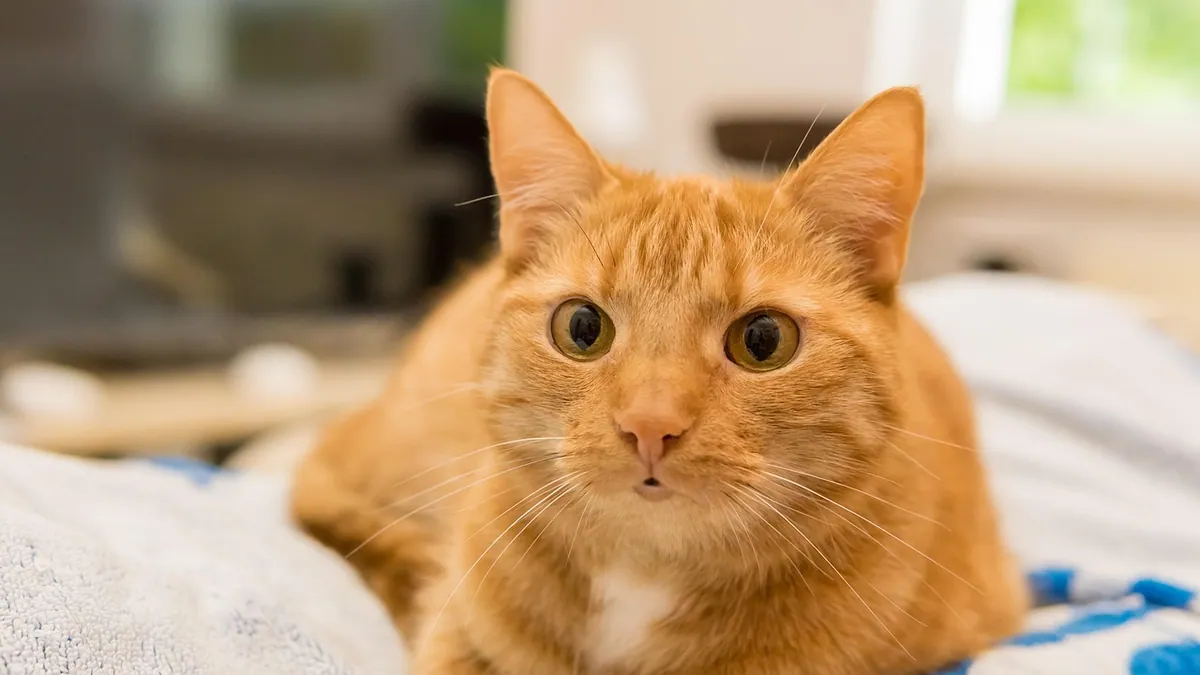
Clomipramine is a prescription tricyclic antidepressant that veterinarians sometimes prescribe for cats with anxiety, urine marking, or compulsive grooming. There is no single clomipramine for cats dosage chart that fits every cat, because the right dose depends on your cat's weight, health, and the problem being treated. Your veterinarian calculates the dose, and you should never adjust it on your own.
This article is educational and is not a substitute for veterinary diagnosis or treatment.
Quick Answer
- Clomipramine is a prescription-only medication. Your veterinarian decides the dose based on your cat's weight and condition, so there is no universal number you can apply at home.
Always follow the exact instructions on your label.
- Treatment usually starts at a low dose and is adjusted slowly over weeks, not days. Behavior changes take time to appear.
- Never give a dose that was prescribed for another cat, another species, or a previous illness.
- Call your veterinarian or a pet poison control hotline right away if your cat gets too much, acts sedated, vomits repeatedly, or has a seizure.
What Clomipramine Is and What Veterinarians Use It For
Clomipramine belongs to a class of drugs called tricyclic antidepressants. In cats, veterinarians prescribe it to help with certain behavior problems, including anxiety, urine marking, and compulsive grooming such as psychogenic alopecia. It is also used in some cases of owner-directed aggression, though other medications are often tried first.
One review of treatment options for owner-directed feline aggression noted that severe cases are commonly treated with selective serotonin reuptake inhibitors such as fluoxetine, and that side effects like transient anorexia often discourage owners from starting treatment [1]. That context matters. Clomipramine is one tool among several, and your veterinarian will weigh the risks and benefits for your specific cat.
It is also worth knowing that the evidence for clomipramine in cats is not strong. A controlled study looking at whether clomipramine reduces overgrooming in cats with psychogenic alopecia found no evidence that clomipramine alone reduced grooming episodes, alopecia, or improved hair regrowth [2]. That does not mean the drug never helps. It means the research is limited, and behavior therapy plus changes at home often matter just as much as medication.
How Clomipramine Works
Clomipramine changes the balance of chemical messengers in the brain, mainly serotonin and norepinephrine. By affecting how long these messengers stay active between nerve cells, the drug can reduce anxiety and dampen compulsive urges.
This is a slow process. The brain does not rewire itself overnight, and you may not see clear improvement for several weeks. Your veterinarian will likely want to check in during that time to see how your cat is doing and whether the dose needs adjusting.
Because clomipramine affects brain chemistry, it can interact with other drugs that do the same thing. Always tell your veterinarian about every medication, supplement, or product your cat receives, including anything you buy without a prescription.
Clomipramine for Cats Dosage Chart: What Owners Need to Know
There is no published clomipramine for cats dosage chart that applies to every pet that gives a fixed mg per pound number for every cat. That is not a gap in your education. It reflects how veterinary medicine works. Dosing depends on the individual cat.
Who Decides the Dose
Your veterinarian decides the dose. They consider your cat's weight, age, kidney and liver function, other medications, and the behavior problem being treated. They also consider whether your cat is on any other serotonin-affecting drug, because combining them can be dangerous.
Never use a dose you found online, in a forum, or from a friend's cat. A dose that is safe for one cat can be too high for another.
How the Medication Is Given
Clomipramine is given by mouth, usually as a tablet. It can be given with or without food, but giving it with a small amount of food can help prevent stomach upset. If your cat is hard to pill, ask your veterinarian about compounding into a flavored liquid or treat. Do not crush or split a tablet unless your veterinarian tells you to, because some forms are designed to release the drug slowly.
If you are also managing other medications for your cat, our guides on a gabapentin dosage calculator for cats and dogs and mirtazapine appetite stimulant dosing can help you understand how those drugs are dosed, but always confirm with your veterinarian before combining anything.
Using 5 mg Tablets
Many cats need only a fraction of a tablet, so your veterinarian may tell you to give a half or a quarter. Use a pill splitter for accuracy, and only split the tablet if your veterinarian says it is safe for that specific product.
If your cat needs a very small dose, ask whether a compounded liquid is available. Measuring a liquid with an oral syringe is often more accurate than trying to cut a tiny tablet into equal pieces.
Missed Doses
If you miss a dose, give it as soon as you remember, unless it is almost time for the next dose. In that case, skip the missed dose and go back to your regular schedule. Do not give two doses at once to make up for a missed one. Call your veterinarian if you are unsure what to do.
Titration Timing
Veterinarians usually start at a low dose and increase slowly. This is called titration. The goal is to find the lowest dose that helps your cat while causing the fewest side effects. Do not increase the dose on your own because you think it is not working yet. Give the medication exactly as prescribed and report back at your follow-up visit.
Side Effects of Clomipramine in Cats
Most cats tolerate clomipramine, but side effects can happen. Some are mild and fade as the body adjusts. Others need a call to your veterinarian.
| Side effect | How common or serious | What to do |
|---|---|---|
| Sleepiness or sedation | Common, usually mild | Watch your cat. Call your veterinarian if it is severe or does not improve. |
| Vomiting or diarrhea | Common, usually mild | Give with food if your veterinarian approves. Call if it continues. |
| Loss of appetite | Can happen, sometimes severe enough to stop treatment | Call your veterinarian if your cat stops eating for more than a day. |
| Dry mouth or constipation | Possible | Mention it at your next visit. Call if your cat seems uncomfortable. |
| Agitation or restlessness | Less common | Call your veterinarian. The dose may need adjusting. |
| Tremors, seizures, or severe weakness | Rare but serious | Stop the medication and call your veterinarian or an emergency clinic right away. |
| Fast or irregular heartbeat | Rare but serious | Seek emergency care immediately. |
| Serotonin syndrome (agitation, tremors, high body temperature, rapid heart rate) | Rare but serious, especially with other serotonin drugs | This is an emergency. Call your veterinarian or a pet poison control hotline now. |
If your cat is being treated for anxiety and also needs help with appetite, do not add anything on your own. Some appetite stimulants affect the same brain chemicals as clomipramine. Ask your veterinarian first, and see our guide on mirtazapine appetite stimulant dosing for cats and dogs for background.
Who Should Not Take Clomipramine and Drug Interactions
Clomipramine is not right for every cat. Your veterinarian may avoid it or use it with extra caution if your cat has:
- Heart disease or an irregular heartbeat
- Liver or kidney disease
- Glaucoma
- A history of seizures
- An overactive thyroid
- An allergy to clomipramine or similar drugs
Drug interactions matter a lot with this medication. Do not give clomipramine with another serotonin-affecting drug unless your veterinarian specifically approves it. This includes other antidepressants, some pain medications, and certain supplements. Tell your veterinarian about everything your cat takes, including over-the-counter products.
Some over-the-counter products can cause serious problems in cats. A case report described a cat that developed dangerously high magnesium levels after long-term at-home use of an anxiolytic supplement containing magnesium stearate as an inactive ingredient [3]. That is a reminder that "natural" or "supplement" does not always mean safe. If you are considering any over-the-counter product for your cat, check with your veterinarian first. Our guide on Benadryl dosing and safety for cats explains why human medications and supplements need veterinary guidance.
Overdose and When to Call a Veterinarian or Poison Control
If your cat gets too much clomipramine, this is an emergency. Signs of overdose can include severe sedation, tremors, seizures, vomiting, a very fast or very slow heartbeat, and trouble breathing.
Call your veterinarian right away. If your regular clinic is closed, call an emergency veterinary hospital or a pet poison control hotline. Have the medication bottle with you so you can tell them the strength and how much your cat may have taken.
Do not wait to see if your cat "seems fine." Some signs of overdose appear quickly, and others develop over hours. Early treatment is safer.
Limitations and When to Contact a Veterinarian
Individual cases need a veterinarian. No article can tell you the right dose or the right plan for your cat. Use the guidance below to know when to reach out.
Call the same day if:
- Your cat vomits more than once or has diarrhea that does not stop
- Your cat refuses food for more than 24 hours
- Your cat seems more sleepy than usual or is hard to wake
- Your cat seems more anxious, restless, or agitated than before starting the medication
- You missed several doses and are not sure how to restart
Go to an emergency clinic now if:
- Your cat has a seizure
- Your cat is collapsing, very weak, or cannot stand
- Your cat is breathing fast or with effort
- Your cat has a very fast, very slow, or irregular heartbeat
- You know or suspect your cat ate extra tablets
Schedule a routine visit if:
- You have been giving the medication for several weeks and see no improvement
- You want to discuss whether to continue, change, or stop treatment
- Your cat needs a refill and has not been seen recently
Never stop clomipramine suddenly without talking to your veterinarian first. Stopping some behavior medications abruptly can cause problems.
Frequently Asked Questions
Can I give my cat human clomipramine?
No. Only give clomipramine that your veterinarian prescribed for your cat. Human formulations may have different strengths, coatings, or fillers that are not safe for cats, and the dose will not match what your cat needs.
How long does clomipramine take to work in cats?
It usually takes several weeks to see a clear change in behavior. Your veterinarian will likely check in during that time and may adjust the dose slowly. Do not expect a quick fix in the first few days.
Can clomipramine be used for urine marking in cats?
Veterinarians do prescribe it for urine marking and other anxiety-related behaviors, but it is not a cure on its own. Cleaning soiled areas, reducing stress, and using behavioral strategies are part of the plan. Ask your veterinarian for a full treatment approach.
Is clomipramine safe to give with other anxiety medications?
Not always. Combining clomipramine with other drugs that affect serotonin can raise the risk of serious side effects. Tell your veterinarian about every medication and supplement your cat takes before starting or adding anything.
What should I do if my cat vomits after taking clomipramine?
Give the next dose with a small amount of food if your veterinarian approves. If vomiting continues, if your cat stops eating, or if your cat seems unwell, call your veterinarian. Do not give an extra dose to make up for the one that was vomited.
Related Articles
- Clavamox Feline Dosage & Administration Calculator: Veterinary Dosage Guide
- Mirtazapine Appetite Stimulant: Dose for Cats and Dogs Guide
- Gabapentin Dosage Calculator for Cats & Dogs: Veterinary Dosage Guide
- Can You Give Your Cat Benadryl? Dosage and Safety Guide
- Benadryl Diphenhydramine Cat Dose: Feline Allergy and Sedation Guide
- Revolution Plus for Cats: Selamectin Sarolaner Feline Dose Guide
- Clomipramine for Cats: Inappropriate Urination and Spraying
- Clomipramine for Dogs: Dosage and Dosing
- Fluoxetine and Levetiracetam Dosing for Cats
References
- Owner-Directed Feline Aggression in Thailand: Characteristics, Associated Factors, and a Clinical Comparison of Treatments. Life (Basel, Switzerland), 2026.
- Does treatment with clomipramine reduce cat psychogenic alopecia?. Veterinary evidence, 2022.
- Hypermagnesemia in a Cat Secondary to Suspected Intoxication. Journal of veterinary emergency and critical care (San Antonio, Tex. : 2001), 2025.