Chlorhexidine for Dogs: Dilution, Mouth, and Skin Use
By Dr. Zubair Khalid, DVM, MS, PhD ·
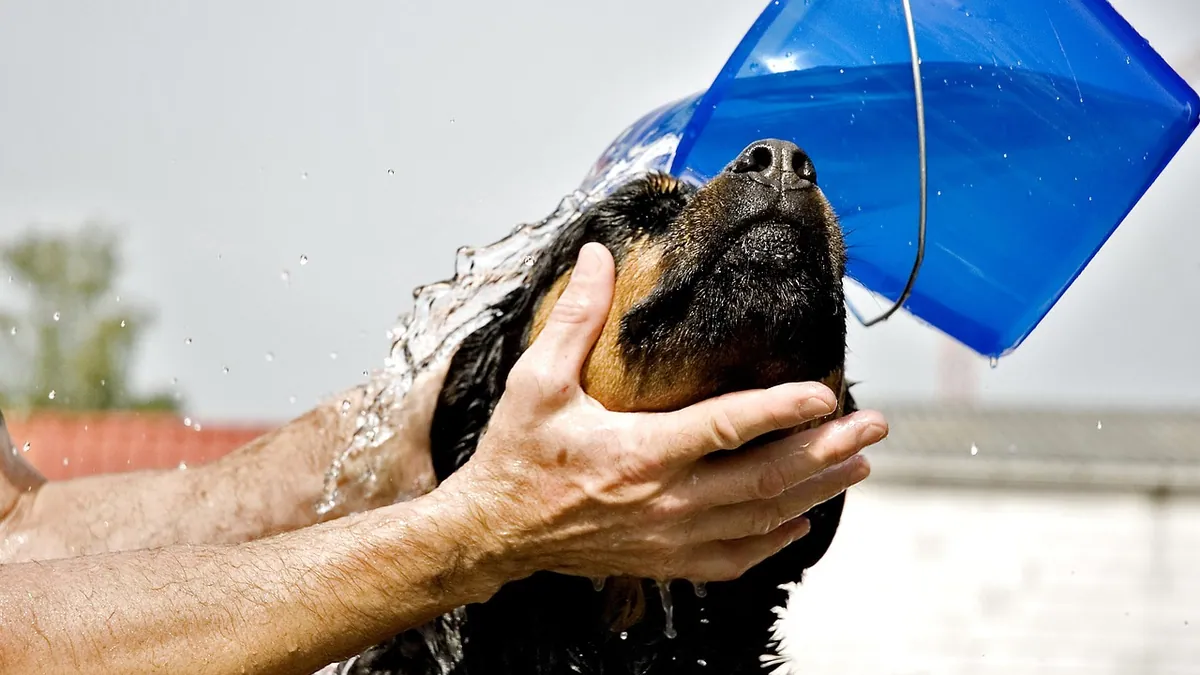
Chlorhexidine for dogs how to use depends on the job. For skin and ears, veterinarians typically reach for ready-to-use pet products at 2% to 3% strength, and for the mouth they use a much lower concentration. You should never pour human mouthwash into your dog's bowl or guess at a dilution.
This article is educational and is not a substitute for veterinary diagnosis or treatment.
Quick Answer
- Use only chlorhexidine products labeled for dogs, or a dilution your veterinarian calculates for your dog's specific problem.
- Skin and ear products commonly contain 2% to 3% chlorhexidine, and these are usually applied as-is, not diluted further [1][2].
- Oral chlorhexidine for dogs is a very low concentration, and human mouthwash is not made for dogs.
- Chlorhexidine works best on clean skin, so bathe or wipe away debris first [3].
- Call your veterinarian or a poison control hotline right away if your dog swallows a concentrated product.
What Chlorhexidine Is and What Veterinarians Use It For
Chlorhexidine is an antiseptic. It kills bacteria and yeast on contact and keeps working on the skin for a while after it dries. That staying power is why it shows up in so many dog shampoos, mousses, wipes, ear cleaners, and oral gels.
Veterinarians use it for skin infections, often called pyoderma, and for yeast overgrowth on the skin. In one study, daily pads containing 3% chlorhexidine digluconate reduced bacterial and yeast counts on affected patches of skin over 14 days [1]. A 3% chlorhexidine shampoo also showed antimicrobial activity against common skin organisms, including drug-resistant staph, when left on the coat for several minutes [2].
It also has a role in ear cleaning when a veterinarian identifies a bacterial or yeast component. And it appears in oral products for dogs with gum inflammation, though the mouth version is a different strength and a different formula than what you would use on the body.
One thing to understand: chlorhexidine treats the surface. It does not fix the underlying reason your dog got an infection in the first place. Allergies, hormonal disease, and skin fold problems often drive repeat infections, and those need their own plan. If your dog keeps getting skin infections, ask your veterinarian about antibiotic stewardship in canine skin infections so you are not relying on antiseptics or antibiotics forever.
How Chlorhexidine Works
Chlorhexidine attaches to the skin and to the outer surfaces of microbes. It disrupts the cell membrane, which kills bacteria and yeast. Because it binds to skin, some activity lingers after application, which is why a single bath or wipe can keep working for a period of time.
That binding is also why contact time matters. A shampoo that is lathered and rinsed off in 30 seconds does less than one left on for several minutes. In one study, shampoo contact times of 3, 5, and 10 minutes were compared, and the researchers looked at how much antimicrobial activity remained on hair afterward [2]. Your veterinarian's instructions about how long to leave a product on are based on this principle, so follow the timing you are given.
Chlorhexidine also pairs well with other agents. Combinations of chlorhexidine with miconazole or ketoconazole have shown additive or synergistic effects against multidrug-resistant Staphylococcus pseudintermedius and Malassezia pachydermatis in laboratory testing [4]. A 2:1 chlorhexidine and clotrimazole combination has also been studied against staph from canine pyoderma [5]. This is why so many pet products combine chlorhexidine with an antifungal.
Chlorhexidine for Dogs: Dilution and Dosing Basics
Who decides the dose
Your veterinarian does. The right strength depends on where you are applying it, how severe the problem is, and what else is going on with your dog. Do not invent a dilution from something you read online. Do not assume that a stronger mix works faster. Higher concentrations can irritate skin and are more dangerous if swallowed.
Skin use
Most veterinary skin products are already formulated at the right strength. A 3% chlorhexidine digluconate product is used as-is in studies of dogs with focal bacterial and yeast overgrowth [1]. A 3% chlorhexidine shampoo is also applied as-is, with the key variable being contact time [2]. A 2% chlorhexidine and 2% miconazole shampoo is likewise used directly on the coat [6].
So for skin, the answer is usually simple: use the product as labeled, do not water it down unless your veterinarian tells you to. If you have a concentrated chlorhexidine solution meant for dilution, your veterinarian will give you the exact ratio for your dog.
Wash your dog with a plain cleansing shampoo and rinse well before applying a medicated shampoo, because medicated shampoos often do not lather or clean well on a dirty coat [3]. Then apply the medicated product, work it into the coat, and leave it on for the time your veterinarian specifies.
Ear use
Ear cleaning solutions for dogs often contain chlorhexidine, sometimes with an antifungal or a drying agent. Use only products labeled for ears, and only after your veterinarian has looked in the ear canals. If the eardrum is ruptured, some ear products can cause serious harm. Never push a cotton swab down into the canal. Fill the canal as directed, massage the base of the ear, let your dog shake, then wipe away what comes out.
Mouth and teeth use
This is where owners get into trouble. Chlorhexidine for dogs' teeth and gums is a real thing, but it is a low-concentration oral product made for dogs. Human mouthwash is not. Human rinses often contain alcohol, flavorings, and other ingredients that dogs should not swallow, and dogs swallow whatever goes in their mouths.
Human chlorhexidine mouthwash is typically around 0.12%, and even in people it causes tooth staining, taste changes, and mouth irritation [7]. Those side effects are a signal that this is a strong drug, not a gentle rinse. Giving it to a dog that will swallow it is a bad idea.
If your dog has gum disease, the better path is a veterinary dental exam, professional cleaning when needed, and an oral product your veterinarian recommends. You can read more about the overall approach in how to treat gum disease in dogs.
What to do about a missed dose
If you miss an application, do not double up. Apply the next dose at the normal time and continue on schedule. Doubling a topical antiseptic increases the chance of skin irritation and, if your dog licks it off, the chance of stomach upset. If you miss several days in a row, tell your veterinarian, because the treatment plan may need to be restarted or adjusted.
Side Effects of Chlorhexidine in Dogs
| Side effect | How common or serious | What to do |
|---|---|---|
| Mild redness or itching where applied | Uncommon, usually mild | Stop the product and call your veterinarian |
| Dry, flaky skin after repeated bathing | Can happen with antiseptic shampoos | Ask your veterinarian about a moisturizing spray or rinse used after bathing |
| Drooling, lip smacking, or pawing at the mouth after oral use | Possible with oral products | Stop use and call your veterinarian |
| Vomiting, diarrhea, or stomach upset after licking or swallowing | Serious if a concentrated product was swallowed | Call your veterinarian or poison control right away |
| Tooth staining, taste changes, mouth irritation | Known effects of chlorhexidine mouthwash in people | Do not use human mouthwash in dogs at all |
| Severe swelling, hives, or trouble breathing | Rare but an emergency | Go to a veterinary emergency clinic now |
Antiseptic shampoos can dry out the skin, which matters for dogs who already have dry or allergic skin. One study looked at whether a hydrating spray applied after bathing with a 2% chlorhexidine and 2% miconazole shampoo changed skin hydration in healthy dogs, and it found a significant effect of time and a time-treatment interaction on hydration [6]. In plain terms, what you put on after the bath can matter. Ask your veterinarian whether a moisturizing product should follow the medicated bath.
Who Should Not Use Chlorhexidine and What It Interacts With
Do not use chlorhexidine on a dog who has had a reaction to it before. Do not use it in the eyes or deep inside the ear canal unless the product is labeled for that use and your veterinarian has cleared it.
Be careful with open wounds, surgical incisions, and raw, oozing skin. Chlorhexidine can sting, and some products are not meant for broken skin. Ask before you apply anything to a wound.
Puppies, very small dogs, and dogs who are debilitated need a veterinarian's guidance, because a small body absorbs and reacts differently and because licking is a bigger risk.
Tell your veterinarian about every product you are using, including shampoos, ear cleaners, paw balms, and any oral rinse. Using several chlorhexidine products at once stacks up exposure and irritation. If your dog is also on medication for allergies or itching, bring that list too. If you are considering an over-the-counter antihistamine, read Benadryl for dogs and weight-based diphenhydramine dosing first, and confirm the dose with your veterinarian.
Overdose and When to Call for Help
The main overdose risk with chlorhexidine is swallowing it. A dog who licks a small amount of diluted shampoo off the coat usually has mild stomach upset at most. A dog who drinks from a bottle of concentrated solution, or who swallows a large amount of an oral product, is a different situation.
Signs to watch for after swallowing chlorhexidine include vomiting, drooling, diarrhea, lethargy, wobbliness, and mouth or throat irritation. Severe cases can involve breathing problems or collapse.
Call your veterinarian first. If your regular clinic is closed, call a pet poison control hotline or go to an emergency clinic. Have the product bottle with you so you can read the exact concentration and ingredients. Do not induce vomiting unless a veterinarian tells you to.
If the exposure was to the skin only, rinse the area with plain water and call your veterinarian for advice.
Limitations and When to Contact a Veterinarian
Chlorhexidine is a tool, not a cure. It cannot fix an allergy, a hormone problem, a foreign body, or a broken tooth. If you use it without addressing the cause, the problem will come back.
Contact your veterinarian the same day if you see new redness, swelling, or itching after starting a product, if your dog starts drooling or pawing at the mouth after an oral product, or if your dog vomits after licking a treated area.
Go to an emergency clinic now if your dog swallowed a concentrated chlorhexidine product, is having trouble breathing, has facial swelling, is collapsing, or is having repeated vomiting.
Schedule a routine visit if the skin or ear problem is not clearly better after the treatment course your veterinarian set, if the infection keeps returning, or if your dog has bad breath, tartar, or red gums that need a dental assessment.
Every dog is different. A product and strength that is right for one dog may be wrong for another, so individual cases need a veterinarian who can examine your dog and see the whole picture.
Frequently Asked Questions
Can I dilute chlorhexidine myself for my dog?
Only if your veterinarian gives you the exact ratio for your dog and the specific product you have. Most pet skin and ear products are already at the right strength and should be used as-is[2]. Guessing at a dilution can leave the product too weak to work or too strong and irritating.
Is human mouthwash safe for my dog's teeth?
No. Human chlorhexidine mouthwash is formulated for people who spit it out, and dogs swallow what goes in their mouths. Even in people, chlorhexidine mouthwash can cause tooth staining, taste changes, and mouth irritation [7]. Use an oral product made for dogs and recommended by your veterinarian.
How long should I leave chlorhexidine shampoo on my dog?
Follow the contact time your veterinarian gives you, because it affects how well the product works. Shampoo contact times of 3, 5, and 10 minutes have been compared in dogs, with antimicrobial activity measured on hair afterward [2]. Rinsing too soon is a common reason owners think a medicated shampoo "did not work."
Can chlorhexidine help with both bacteria and yeast on my dog's skin?
Yes, it has activity against both. Chlorhexidine alone or combined with miconazole or ketoconazole has shown activity against Malassezia pachydermatis and multidrug-resistant Staphylococcus pseudintermedius in laboratory testing [4]. That is why many veterinary products combine chlorhexidine with an antifungal.
What should I do if my dog licks chlorhexidine off its skin?
Rinse the area with plain water and watch your dog for vomiting, drooling, or diarrhea. A small lick of a diluted product is usually minor, but a large amount or a concentrated product needs a call to your veterinarian or a poison control hotline. Bring the product label with you when you call.
Related Articles
- How To Treat Gum Disease In Dogs
- Benadryl For Dogs
- Antibiotic Stewardship in Canine Skin Infections: Choosing Wisely
- Hydro-Massage Dog Bathing Systems: Shampoo Dilution Injection, Water Pressure Ratios, and Bathing Time
- Benadryl Diphenhydramine for Dogs: Weight-Based Dosing for Allergies
- Glucosamine Supplement For Dogs
- Chlorhexidine for Dogs: Wipes, Paws, and Shampoo
- Chloramphenicol for Dogs: Eye, Ear, and Skin Uses
- Neomycin for Dogs: Eye, Ear, and Skin Uses and Safety
References
- Performance of Daily Pads Containing Ophytrium and Chlorhexidine Digluconate 3% in Dogs With Local Cutaneous Bacterial and/or Malassezia Overgrowth. Frontiers in veterinary science, 2021.
- Evaluation of the Antimicrobial Activity of a 3% Chlorhexidine/Ophytrium Mousse and Shampoo in 18 Healthy Dogs. Veterinary dermatology, 2026.
- Treatment of Skin Disorders in Dogs - Dog Owners. Merck Veterinary Manual.
- In vitro evaluation of the antimicrobial activity of chlorhexidine alone or in combination with ketoconazole or miconazole against clinical isolates of Malassezia pachydermatis and multidrug-resistant Staphylococcus pseudintermedius. Microbiology (Reading, England), 2026.
- Antibacterial Effect of the In Vitro Interaction Between Clotrimazole and Chlorhexidine Against Staphylococcus pseudintermedius With Known Resistance Patterns Isolated From Canine Pyoderma. Veterinary medicine and science, 2026.
- Effect of a Spray Containing Occlusive Agents, Humectants and Physiological Lipids on Skin Hydration of Healthy Dogs When Applied After Bathing With a Chlorhexidine 2%/Miconazole 2% Shampoo. Veterinary dermatology, 2026.
- Efficacy of 0.12% chlorhexidine mouthwash containing 0.001% EDTA versus commercially available chlorhexidine mouthwash in minimizing tooth staining: a randomized clinical trial. BMC oral health, 2025.