Benazepril for Cats: Uses for CKD and HCM
By Dr. Zubair Khalid, DVM, MS, PhD ·
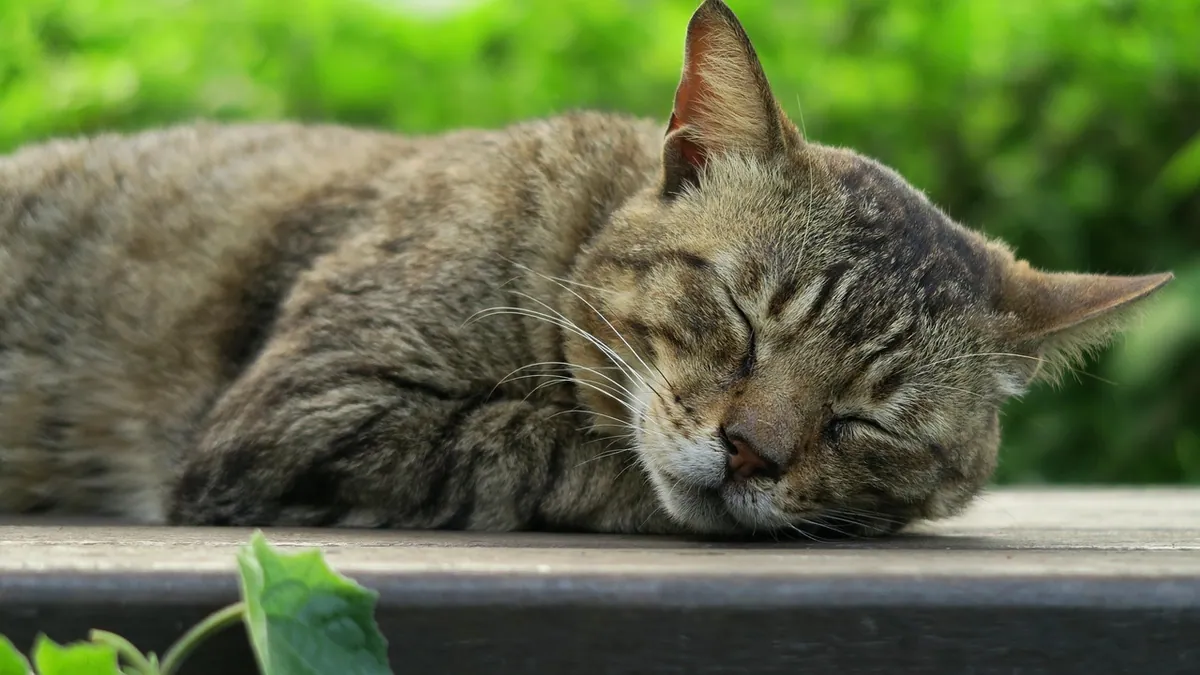
Benazepril for cats with CKD is an angiotensin-converting enzyme (ACE) inhibitor, a medication that relaxes blood vessels and reduces pressure inside the kidneys. Veterinarians also prescribe it for some cats with heart disease, including hypertrophic cardiomyopathy (HCM). It is given by mouth, usually once daily, and works best alongside a kidney-friendly diet and regular bloodwork.
This article is educational and is not a substitute for veterinary diagnosis or treatment.
Quick Answer
- Benazepril is an ACE inhibitor. In cats it is used most often to lower protein loss through the kidneys in chronic kidney disease (CKD) and to reduce the heart's workload in some forms of heart disease [1][2].
- It does not cure kidney disease or heart disease. It slows certain damaging processes and is one part of a broader treatment plan.
- Most cats take it once daily by mouth, but the exact dose is calculated by your veterinarian based on your cat's weight and health [3].
- Routine monitoring matters. Your vet will recheck kidney values, blood pressure, and sometimes urine protein after starting the drug.
- Never change the dose or stop the medication on your own. Call your vet first.
What Benazepril Is and What Veterinarians Use It For
Benazepril hydrochloride for cats is a prescription medication in the ACE inhibitor family. It comes as a tablet or sometimes as a flavored liquid made by a compounding pharmacy. The same drug is used in people and dogs, but the dose and monitoring plan for a cat are different.
Veterinarians use benazepril for cats in two main situations.
Chronic kidney disease (CKD). In CKD, the kidneys leak protein into the urine, and that protein loss can speed up kidney damage. Benazepril is used as an antiproteinuric drug, meaning it reduces how much protein escapes through the kidney filters [2]. Lowering protein loss is one goal of CKD treatment, along with diet, hydration, blood pressure control, and phosphate management. You can read more about staging and daily care in our guide to Chronic Kidney Disease CKD in Cats: Stage 1-4 Renal Management Guide.
Heart disease, including HCM. Benazepril for cats HCM is prescribed to reduce the workload on the heart by widening blood vessels. It is often used together with other heart medications. In a large clinical trial of 151 cats with heart disease of various causes, benazepril at 0.5 to 1.0 mg/kg once daily did not delay treatment failure compared with a placebo [3]. That does not mean the drug never helps an individual cat. It means the evidence for a clear survival benefit in a mixed group of heart patients is limited, so your vet weighs the risks and benefits for your cat specifically.
Benazepril is also sometimes used in cats with nephrotic-range proteinuria, a severe form of protein loss in the urine. In one published case report, an 8-year-old cat with heavy protein loss was treated with a combination that included benazepril, furosemide, a steroid, omega-3 fatty acids, mirtazapine, and a renal diet, and the cat improved over several weeks [4]. Single case reports cannot predict how any other cat will respond, but they show how benazepril fits into a multi-drug plan.
How Benazepril Works
Benazepril belongs to a group of drugs that block angiotensin-converting enzyme. This enzyme is part of the renin-angiotensin-aldosterone system (RAAS), a hormone system that tightens blood vessels and tells the body to hold onto sodium and water.
When benazepril blocks that enzyme, three things happen:
- Blood vessels relax, which lowers blood pressure.
- Pressure inside the tiny filters of the kidney drops, which can reduce protein leaking into the urine.
- The heart does not have to push against as much resistance.
There is direct evidence that this system is overactive in cats with kidney disease. In a study comparing cats with surgically induced CKD to healthy cats, a marker of kidney RAAS activity (urinary angiotensinogen) was higher in the cats with CKD [5]. That is part of the scientific reason ACE inhibitors are used in feline kidney disease.
One practical detail about how benazepril behaves in the body: for a given daily dose, benazepril is more effective when it is given in several smaller doses across the day, but that schedule can be hard for owners to keep up with [2]. Researchers have explored putting benazepril into a palatable kidney diet so cats can nibble it throughout the day. In that work, cats eating the medicated diet had lower overall drug exposure than cats taking once-daily tablets, yet ACE inhibition was at least as strong in the CKD cats and stronger in healthy cats [2]. This is an active area of research, not a standard prescription you can buy today.
Dosing Basics for Benazepril in Cats
Your veterinarian decides the dose. It is calculated from your cat's body weight, kidney values, blood pressure, and other medications. In the heart disease trial mentioned above, the studied dose was 0.5 to 1.0 mg/kg given by mouth once daily for up to 2 years [3]. That is a research dose, not a dosing chart for your cat. Do not use it to measure pills at home.
How it is given. Most cats get benazepril as a small tablet, often hidden in a treat or given with a pill popper. Some veterinarians prescribe a flavored liquid. Giving it with a small amount of food can help with stomach upset, but follow your vet's instructions about timing, especially if your cat is on a prescription kidney diet. Our article on What Cat Food Is Best For Kidney Disease explains how diet and medication work together.
Missed dose. If you miss a dose, give it when you remember, unless it is almost time for the next one. In that case, skip the missed dose and go back to your normal schedule. Do not double up.
Never stop suddenly. If you want to stop the medication because of cost, difficulty giving pills, or side effects, call your vet first. Stopping suddenly can cause blood pressure or protein loss to rebound.
Refills. Do not let the bottle run out. Ask for a refill a few days before you need it, since some pharmacies need time to prepare liquid versions.
Side Effects: What to Watch For
Most cats tolerate benazepril well, but side effects can happen. The table below separates the common and mild from the serious.
| Side effect | How common or serious | What to do |
|---|---|---|
| Vomiting, soft stool, or reduced appetite | Fairly common and usually mild, especially in the first days | Offer food with the dose, and call your vet if it lasts more than a day or two |
| Tiredness or less playful behavior | Can be mild and temporary | Note the change and mention it at your next recheck |
| Low blood pressure (weakness, wobbling, collapse) | Uncommon but serious | Stop the medication and call your vet right away |
| Worsening kidney values on bloodwork | Possible, which is why monitoring is done | Keep scheduled recheck appointments, do not skip them |
| High potassium in the blood | Uncommon, found on bloodwork | Your vet will adjust treatment if it appears |
| Swelling of the face, lips, or throat, or trouble breathing | Rare but a medical emergency | Go to an emergency clinic immediately |
Cats with congestive heart failure have their own kidney risks. In a study of 116 cats treated for congestive heart failure, azotemia (elevated kidney values) was common at every time point, including at the first diagnosis in 44% of cats, and kidney injury was documented in 66% [6]. Higher furosemide doses were linked to rising creatinine [6]. This is one reason your vet checks kidney values often when your cat is on heart medications, including benazepril.
Who Should Not Take Benazepril and What Interacts With It
Benazepril is not right for every cat. Your veterinarian may avoid it or use it with extra caution if your cat:
- Has very low blood pressure
- Has severe dehydration or is in a crisis from vomiting or diarrhea
- Has high potassium levels or certain electrolyte imbalances
- Has a known allergy to ACE inhibitors
- Is pregnant or nursing
- Has kidney values that are changing quickly
Tell your vet about every medication, supplement, and diet your cat receives. Drug interactions that matter with ACE inhibitors include:
- Diuretics such as furosemide. These remove fluid and can drop blood pressure and kidney function further when combined with benazepril. In the heart failure study, higher furosemide doses were associated with kidney injury, so the combination needs careful monitoring [6].
- Other blood pressure medications. The effects can stack and cause hypotension.
- Potassium supplements or potassium-sparing diuretics. These can push potassium too high.
- NSAIDs (pain relievers like meloxicam or carprofen). These can reduce kidney blood flow and are usually avoided in cats with kidney disease.
- Steroids. These are sometimes used together with benazepril in specific cases, such as the nephrotic syndrome case report, but only under direct veterinary supervision [4].
Never give your cat a human medication or a dog medication without asking your vet first.
Overdose and When to Call for Help
An overdose of benazepril can cause dangerously low blood pressure, weakness, collapse, vomiting, and changes in kidney function. If you think your cat ate extra tablets, or if you are not sure how many were swallowed, act right away.
Call your veterinarian or an emergency veterinary clinic immediately. You can also call poison control for guidance:
- ASPCA Animal Poison Control Center: (888) 426-4435
- Pet Poison Helpline: (855) 764-7661
Have the medication bottle with you so you can tell them the strength of each tablet and how many might be missing. Do not wait for symptoms to appear before calling.
Limitations and When to Contact a Veterinarian
Benazepril is one tool, not a complete treatment. It does not reverse existing kidney damage, and it did not show a clear benefit for delaying treatment failure in a mixed group of cats with heart disease [3]. Response varies from cat to cat, and individual cases always need a veterinarian's judgment.
Contact your veterinarian the same day if you notice:
- Your cat refuses food for more than 24 hours
- Vomiting or diarrhea that does not stop
- Marked lethargy or hiding
- You missed several doses and are unsure how to restart
Go to an emergency clinic right away if you see:
- Collapse, severe weakness, or inability to stand
- Trouble breathing, open-mouth breathing, or blue gums
- Swelling of the face or throat
- A suspected overdose
Keep routine recheck visits even when your cat seems fine. Bloodwork, blood pressure, and urine protein checks are how your vet knows whether the dose is right. If your cat is also on a kidney diet, our article on Treatment For Kidney Failure In Older Cats covers what else may be part of the plan.
Frequently Asked Questions
Is benazepril safe for long-term use in cats?
Yes, many cats take it for months or years under veterinary supervision. Safety depends on regular monitoring of kidney values, blood pressure, and electrolytes. Cats in the heart disease trial received it for up to 2 years [3].
Can I give benazepril with food?
Usually yes, and giving it with a small meal can reduce stomach upset. If your cat eats a prescription kidney diet, ask your vet whether the timing of the dose matters for your cat's specific plan.
Does benazepril cure kidney disease in cats?
No. It slows protein loss through the kidneys, which is one part of managing CKD. Diet, hydration, blood pressure control, and phosphate management are also central to care [2][7].
How often does my cat need bloodwork while on benazepril?
Your veterinarian will set the schedule, often starting with a recheck a few weeks after the first dose and then spacing checks out if values are stable. Cats with heart failure may need more frequent checks because azotemia is common in that group [6].
What happens if I stop benazepril suddenly?
Blood pressure and urine protein can rise again, and your cat's condition may worsen. Call your vet before making any change so the transition can be managed safely.
Related Articles
- Chronic Kidney Disease CKD in Cats: Stage 1-4 Renal Management Guide
- What Cat Food Is Best For Kidney Disease
- Treatment For Kidney Failure In Older Cats
- What Is A Good Cat Food For Kidney Disease
- Chronic Kidney Disease in Cats
- Cat Kidney Disease Diet Reddit
- ACE Inhibitors for Cats: Heart and Kidney Uses
- Enalapril for Cats: Kidney Disease and Heart Use
- Benazepril for Cats: Side Effects and What It Does
References
- Treatment of Cardiovascular Disease in Cats - Cat Owners. Merck Veterinary Manual.
- Why incorporating benazepril into a renal diet may improve treatment efficiency and compliance in cats with chronic kidney disease. Frontiers in veterinary science, 2026.
- Evaluation of benazepril in cats with heart disease in a prospective, randomized, blinded, placebo-controlled clinical trial. Journal of veterinary internal medicine, 2019.
- Treatment of glomerular and tubular proteinuria in the nephrotic range in a female cat: case report. Brazilian journal of veterinary medicine, 2026.
- Urinary angiotensinogen indexed to creatinine or protein is higher in cats with surgically induced chronic kidney disease compared to healthy cats. American journal of veterinary research, 2026.
- Frequency and progression of azotemia during acute and chronic treatment of congestive heart failure in cats. Journal of veterinary internal medicine, 2025.
- Clinical management of feline chronic kidney disease in Portugal: a questionnaire-based study. Journal of feline medicine and surgery, 2023.