Antibiotics for Cat Scratch: What Vets Prescribe
By Dr. Zubair Khalid, DVM, MS, PhD ·
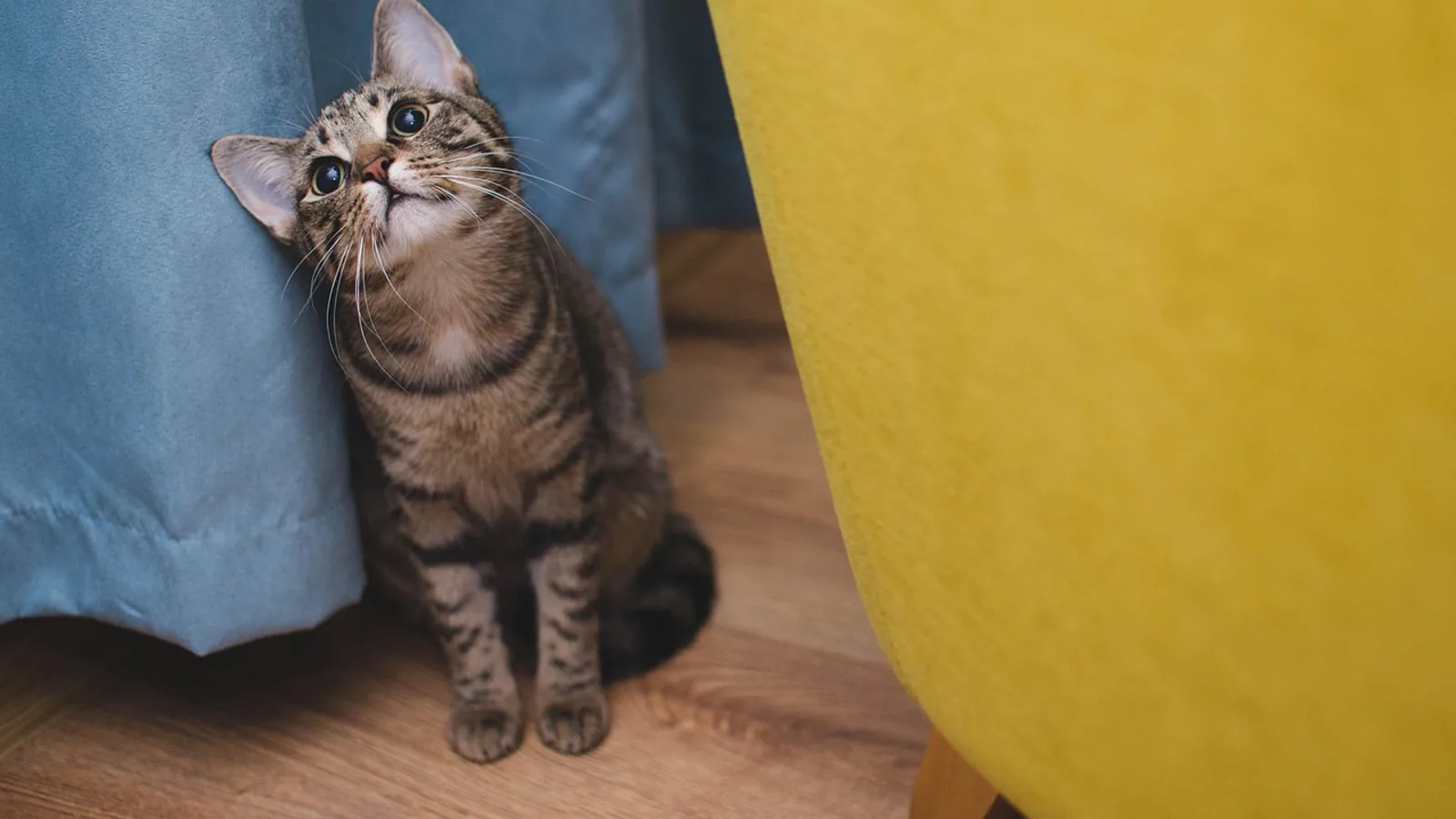
A cat scratch or bite sets up two very different infections, and the antibiotic that treats one may do nothing for the other. The first is a fast-moving wound infection driven by Pasteurella multocida, a bacterium that lives in cat saliva and reaches deep tissue within hours. The second is cat scratch disease, a slower zoonotic illness caused by Bartonella henselae, the organism cats carry in their blood and shed through fleas. Vets and physicians pick drugs based on which of these two problems they are facing, how deep the wound went, and whether the patient is a person or a cat.
This guide walks through the antibiotic decisions for cat scratch and cat bite injuries. It covers why amoxicillin-clavulanate is the standard first choice for bite wounds, why azithromycin is preferred for Bartonella with doxycycline as the alternative, and how long treatment usually runs. It also explains a point that surprises many owners: a cat that scratches a person is almost never treated with antibiotics itself unless the cat is actually sick.
The Two Pathogens Behind Cat Scratch Infections
Cat scratches and bites are not a single disease. They are a family of infections, and the organism that matters most depends on how the injury happened and how quickly symptoms appear.
Pasteurella multocida: The Bite and Scratch Wound Pathogen
Pasteurella multocida colonizes the mouths and claws of cats and is the leading cause of infection after a cat bite or scratch [1]. The bacterium was described as colonizing animal scratches and bites, and it can be cultured directly from cat saliva. In one documented case, a patient's blood cultures and the cat's saliva both grew P. multocida with matching antibiotic sensitivity, confirming direct transmission from the animal [1].
This organism is aggressive. A wound that looks minor can become inflamed, swollen, and painful within a day. In severe cases it spreads beyond the skin. Reported complications include sepsis, aortitis with mycotic aneurysm, prosthetic joint infection, and polymicrobial wound infection requiring surgical debridement and skin grafting [2][3][4][1]. One case described a 92-year-old woman who developed sepsis and a stroke a week after a cat bite that her family had initially downplayed [1]. Another described a 68-year-old man whose cat bite cellulitis was treated, only for P. multocida aortitis to surface four weeks later [2].
The clinical lesson is that Pasteurella infections can escalate quickly and can present late. Early, appropriate antibiotics matter.
Bartonella henselae: The Cat Scratch Disease Pathogen
Bartonella henselae is a Gram-negative, intracellular bacterium and the primary cause of cat scratch disease (CSD) [5]. Cats are the major reservoir, and human infection usually follows contact with a pet cat, most often through a scratch, bite, or lick [6][5]. Cat fleas (Ctenocephalides felis) are the main vectors that spread the bacterium between cats, and flea feces contaminating claws or skin can also transmit infection to people [5].
CSD typically produces regional lymph node swelling near the inoculation site, sometimes with fever and mild systemic symptoms [5][7]. In immunocompetent people it is often self-limiting. In some patients it spreads to the liver, spleen, eyes, and central nervous system [5]. Reported atypical presentations include neuroretinitis, choroidal granuloma, panuveitis, hepatosplenic lesions, and neuropsychiatric symptoms with fever [8][9][10][11][12]. A Portuguese cohort found that 43.6 percent of confirmed CSD patients had systemic presentations, and most of those were immunocompetent [7].
Why the Distinction Changes the Drug
Pasteurella is a extracellular bacterium that responds to beta-lactam antibiotics, especially amoxicillin-clavulanate. Bartonella is intracellular and does not respond reliably to beta-lactams. It requires drugs that penetrate cells, such as azithromycin or doxycycline [8][10][6]. Treating a Bartonella infection with a standard wound antibiotic will not work, and treating a Pasteurella wound infection with a macrolide may be a weaker choice than a beta-lactam. Getting the pathogen right is the whole game.
How Vets and Physicians Decide Which Antibiotic to Use
The decision tree has three branches: a fresh bite or scratch wound, a suspected Bartonella infection, or a cat that is itself ill.
Step 1: Assess the Wound and the Risk
A cat bite is treated more aggressively than a superficial scratch. Bite wounds are puncture injuries that inject bacteria deep into tissue, and Pasteurella is present in a high proportion of cat mouths. Any patient with a prosthetic joint should receive antibiotic prophylaxis after a cat bite, because P. multocida joint infections can present late and are easily missed [4]. Immunocompromised patients and those with diabetes or other chronic conditions need a lower threshold for treatment.
Step 2: Choose Empiric Coverage
For a bite wound, empiric coverage targets Pasteurella plus the other oral flora introduced by the teeth. Amoxicillin-clavulanate covers both. For suspected Bartonella, empiric coverage targets the intracellular organism, and azithromycin is the usual first choice.
Step 3: Confirm and Adjust
Wound cultures, serology, and molecular testing refine the choice. Polymerase chain reaction (PCR) from lymph node tissue is more sensitive than blood testing for Bartonella, with one study reporting 79.2 percent positivity in lymph node tissue versus 15.8 percent in blood [7]. Metagenomic next-generation sequencing (mNGS) has also confirmed B. henselae in cases where routine testing was inconclusive [6][11][13].
Step 4: Decide Whether the Cat Needs Treatment
This is the step owners ask about most. A cat that scratches a person does not automatically need antibiotics. Bartonella bacteremia in naturally infected cats is typically asymptomatic [5]. Veterinary guidance treats the cat only when it is clinically ill, and the decision belongs to the veterinarian examining that cat.
Drug Selection Table: Pathogen, First-Line, Alternative, Duration
The table below summarizes the standard antibiotic choices for the two main cat scratch and bite pathogens. It reflects human and veterinary clinical practice as described in the case literature and reviews cited in this article.
| Pathogen | Clinical Problem | First-Line Drug | Alternative | Typical Duration |
|---|---|---|---|---|
| Pasteurella multocida | Cat bite or scratch wound infection, prophylaxis after bite | Amoxicillin-clavulanate | Doxycycline, fluoroquinolone, or other agent guided by culture | 5 to 7 days for prophylaxis or uncomplicated treatment |
| Bartonella henselae | Cat scratch disease, including regional lymphadenopathy and atypical systemic disease | Azithromycin | Doxycycline, sometimes combined with rifampicin in severe or refractory cases | 5 days or longer for azithromycin, longer courses for disseminated disease |
| Mixed oral flora | Polymicrobial bite wound | Amoxicillin-clavulanate | Broad-spectrum regimen guided by culture and debridement | 5 to 7 days or longer depending on depth and response |
Duration is a starting point, not a fixed rule. Deep infections, prosthetic joint involvement, bacteremia, and disseminated Bartonella require longer courses and specialist input [2][4][10].
First-Line Treatment for Pasteurella Bite and Scratch Wounds
Amoxicillin-clavulanate is the first choice for cat bite wounds because it covers Pasteurella and the anaerobic and other bacteria that accompany it. The clavulanate component blocks the beta-lactamases that would otherwise inactivate amoxicillin, which is why the combination outperforms plain amoxicillin against resistant oral flora.
Why Pasteurella Resists Many Older Drugs
Pasteurella multocida is not uniformly susceptible to older antibiotics. Penicillin alone, some first-generation cephalosporins, and certain macrolides have gaps in coverage. This is the practical reason amoxicillin-clavulanate is preferred over amoxicillin by itself for bite wounds. The case literature repeatedly shows that P. multocida can cause severe disease when initial treatment is inadequate or delayed [2][1].
Prophylaxis Versus Treatment
Prophylactic antibiotics are given before infection is established, usually within hours of a bite. Treatment antibiotics are given once infection is present. The 5 to 7 day window applies to both uncomplicated prophylaxis and uncomplicated treatment. A bite in a patient with a prosthetic joint should trigger prophylaxis regardless of how clean the wound looks, because P. multocida joint infection can present late and be masked by other findings [4].
What Happens When Treatment Is Delayed
Delayed or inadequate treatment allows Pasteurella to spread. Documented outcomes include mycotic aortic aneurysm requiring surgery, sepsis with stroke, and polymicrobial limb infection requiring debridement and grafting [2][3][1]. These are uncommon but they explain why vets and physicians treat cat bites seriously rather than watching and waiting.
First-Line Treatment for Bartonella and Cat Scratch Disease


Azithromycin is the preferred antibiotic for Bartonella henselae infection, with doxycycline as the main alternative. Both drugs concentrate inside cells, which is necessary because B. henselae is an intracellular pathogen [8][6].
Azithromycin
Azithromycin is a macrolide that reaches high intracellular concentrations and has a long tissue half-life, which supports short courses. In a pediatric case of CSD with multifocal lymphadenitis, azithromycin treatment produced symptom improvement and shrinkage of enlarged lymph nodes on follow-up ultrasound [14]. In a pediatric neuroretinitis case, oral azithromycin combined with prednisolone was used and the ocular findings gradually improved [15].
Azithromycin is not always sufficient on its own. In a case of disseminated CSD during abatacept therapy for rheumatoid arthritis, azithromycin monotherapy failed to control symptoms, and the regimen was changed to azithromycin plus rifampicin, which produced gradual improvement [10]. That case is a reminder that immunocompromised patients and those with multiorgan involvement may need combination therapy.
Doxycycline
Doxycycline is the principal alternative and is often used when azithromycin is unavailable, not tolerated, or when a tetracycline is preferred. A case of CSD diagnosed by mNGS was treated with doxycycline, and lymph node enlargement resolved [6]. A case of isolated neuroretinitis was treated with oral doxycycline combined with azithromycin and low-dose glucocorticoids, with significant visual improvement [8]. Doxycycline is also active against Pasteurella, which makes it a useful option when the diagnosis is uncertain and both pathogens are possible.
Combination and Adjunctive Therapy
Severe or refractory CSD may require two antibiotics. Reported combinations include azithromycin plus rifampicin and doxycycline plus rifampicin [10][16]. In ocular disease, systemic steroids or low-dose glucocorticoids are sometimes added to control inflammation alongside antibiotics [8][15]. A New Zealand series of 17 neuroretinitis patients used several regimens, including rifampicin plus doxycycline, rifampicin plus azithromycin, doxycycline alone, and co-trimoxazole monotherapy [16]. That variety reflects the absence of a single universally agreed regimen for ocular CSD.
Duration for Bartonella
Azithromycin is typically given for 5 days or longer. Shorter courses are used in uncomplicated lymphadenopathy, and longer courses are used for disseminated or ocular disease. A case of CSD with hepatosplenic lesions was discharged on macrolides and rifampicin for 14 days, and the patient relapsed when he stopped taking the medication early [17]. Medication adherence matters, and relapse after incomplete treatment has been documented [17].
How Long Antibiotics Are Given: Duration Guide
Duration depends on the pathogen, the site, and the response.
- Pasteurella bite prophylaxis or uncomplicated treatment: 5 to 7 days.
- Pasteurella deep or complicated infection: longer, guided by clinical response, culture, and surgical findings.
- Bartonella uncomplicated lymphadenopathy: azithromycin for 5 days or longer.
- Bartonella disseminated or ocular disease: longer courses, often with a second antibiotic, guided by specialist input.
A 14-day course of macrolides and rifampicin was used in one disseminated case [17]. A treatment-resistant lymph node abscess in a child required drainage plus molecular diagnosis to guide therapy, showing that some cases do not resolve with a standard short course [18].
When the Cat Itself Needs Treatment
A common misunderstanding is that a cat which scratches a person must be treated with antibiotics. In most cases it does not. Bartonella bacteremia in naturally infected cats is typically asymptomatic, and cats are the reservoir, not the patient, in the usual transmission story [5]. Veterinary guidance treats the cat only when it is clinically ill, and the decision belongs to the veterinarian who examines that cat.
If a cat shows signs of illness such as fever, lethargy, or enlarged lymph nodes, the veterinarian will evaluate it directly. The antibiotic choice for a sick cat is a veterinary decision and may differ from the human regimen. Owners should not give a cat leftover human antibiotics, and should not assume that a scratch means the cat is infected.
Diagnostic Testing That Guides Antibiotic Choice
Testing supports the antibiotic decision, especially when the presentation is atypical.
Serology
Enzyme-linked immunosorbent assay (ELISA) and indirect fluorescence assay are the best initial tests for CSD [5]. Serology confirmed B. henselae in a neuroretinitis case with IgM 1:40 and IgG greater than or equal to 1:1024 [15]. A choroidal granuloma case had elevated IgG at 1:256 [9].
PCR and Molecular Testing
PCR from lymph node tissue is more sensitive than blood testing, with one cohort reporting 79.2 percent positivity in lymph node tissue versus 15.8 percent in blood [7]. PCR confirmed B. henselae in a treatment-resistant lymph node abscess and in a disseminated case during immunosuppressive therapy [10][18].
Metagenomic Next-Generation Sequencing
mNGS identified B. henselae in cases where routine testing was inconclusive, including an atypical neuropsychiatric presentation and a pediatric cohort [11][13]. It is a newer tool that can shorten the diagnostic delay in unusual cases.
Cultures for Pasteurella
Blood and tissue cultures grow P. multocida in severe bite infections. In one case, three consecutive blood cultures were positive, and the cat's saliva grew an organism with matching sensitivity [1]. Culture also guides antibiotic selection when resistance is a concern.
Special Populations and Higher-Risk Scenarios
Some patients need more aggressive or longer treatment.
Immunocompromised Patients
CSD can disseminate in patients on immunosuppressive therapy. A 79-year-old woman on abatacept for rheumatoid arthritis developed multiorgan involvement, and azithromycin monotherapy failed before combination therapy succeeded [10]. Immunocompromised patients should be treated with a lower threshold and followed closely.
Patients With Prosthetic Joints
Any patient with a prosthetic joint should receive antibiotic prophylaxis after a cat bite, because P. multocida joint infection can present late and be obscured by other findings [4]. A case of prosthetic joint infection initially presented with Enterococcus faecalis bacteremia, which delayed recognition of the P. multocida component [4].
Children
CSD is common in children, and pediatric cases include lymphadenitis, hepatic involvement, and ocular disease [18][14][19][15][13]. A pediatric cohort from southwestern China analyzed 20 mNGS-confirmed cases [13]. Children with persistent fever and abdominal pain after cat exposure may have disseminated disease even without classic lymphadenopathy [19].
Older Adults
Older adults can present with severe disease. A 92-year-old woman developed sepsis and stroke after a cat bite [1]. An 85-year-old man developed fever and neuropsychiatric symptoms three months after a cat scratch [11]. Age alone does not change the antibiotic choice, but it raises the index of suspicion for complications.
Expected Results and How to Read Them
Response to treatment is judged by symptom resolution and, in some cases, follow-up imaging.
For Pasteurella wound infection, expect reduced pain, swelling, and redness within the first few days of appropriate antibiotics. Failure to improve suggests the wrong drug, a deeper infection, or a second pathogen.
For Bartonella, lymph node swelling typically decreases over days to weeks. In one pediatric case, both enlarged lymph nodes decreased in size on follow-up ultrasound after azithromycin [14]. In a neuroretinitis case, visual acuity improved after combined doxycycline, azithromycin, and glucocorticoid therapy [8]. In a severe pediatric case with vitreous hemorrhage, visual acuity improved from counting fingers to 20/100 over 19 months, though a central scotoma remained [15].
Some CSD cases resolve without antibiotics. A choroidal granuloma with serous retinal detachment resolved completely after all treatments were discontinued within 24 hours, with visual acuity recovering to 20/20 [9]. That case shows that not every CSD lesion requires prolonged antibiotics, and that observation can be appropriate in selected patients.
Troubleshooting: When Treatment Does Not Work
| Problem | Likely Cause | What to Do |
|---|---|---|
| Wound worsens on amoxicillin-clavulanate | Deep infection, abscess, or resistant organism | Reassess for drainage, culture the wound, adjust antibiotics |
| Lymph nodes do not shrink on azithromycin | Inadequate duration, resistant or disseminated disease, or wrong diagnosis | Confirm diagnosis with PCR or mNGS, consider adding rifampicin or switching to doxycycline |
| Symptoms return after finishing antibiotics | Incomplete treatment or non-adherence | Restart therapy and complete the full course, recheck for disseminated disease |
| Fever persists despite antibiotics | Disseminated Bartonella or a second pathogen | Broaden testing, consider combination therapy, evaluate liver, spleen, and eyes |
| New joint pain after a bite | Pasteurella prosthetic joint infection | Culture the joint, involve orthopedics, use prolonged targeted antibiotics |
| Ocular symptoms develop | Neuroretinitis or panuveitis from Bartonella | Refer to ophthalmology, consider doxycycline plus rifampicin or azithromycin plus steroid |
Storage and Handling Notes for Owners
Antibiotics prescribed for a person or a pet should be stored according to the label, usually at room temperature away from moisture and heat. Liquid suspensions may need refrigeration. Owners should complete the full course even if symptoms improve early, because relapse after early discontinuation has been documented in CSD [17]. Leftover antibiotics should not be saved for a future illness or given to a pet without veterinary direction.
Limitations and When to Contact a Veterinarian
This article is educational and is not a substitute for veterinary diagnosis or treatment. Individual cases need a veterinarian, and the information here does not replace an examination.
Contact a veterinarian promptly if a cat bite or scratch wound becomes red, swollen, warm, or painful, if the wound does not heal, or if the person who was bitten develops fever, chills, or joint pain. For the cat, contact a veterinarian if it shows lethargy, fever, loss of appetite, or enlarged lymph nodes, or if it has been bitten or scratched by another animal. Seek urgent medical care for a person with a cat bite who has a prosthetic joint, is immunocompromised, or develops systemic symptoms.
Frequently Asked Questions
What antibiotic is used for cat scratch disease?
Azithromycin is the preferred antibiotic for cat scratch disease, with doxycycline as the main alternative. Both are chosen because they penetrate cells, which is necessary against the intracellular Bartonella henselae organism.
What antibiotic is used for a cat bite wound?
Amoxicillin-clavulanate is the first choice for cat bite wounds because it covers Pasteurella multocida and other oral bacteria. It is preferred over plain amoxicillin because Pasteurella can resist older beta-lactam drugs.
How long do you take antibiotics for a cat scratch?
For Pasteurella bite wounds, 5 to 7 days is typical for prophylaxis or uncomplicated treatment. For Bartonella, azithromycin is given for 5 days or longer, and disseminated or ocular disease needs longer courses.
Does a cat that scratches a person need antibiotics?
Usually not. Cats are the reservoir for Bartonella, and bacteremia in naturally infected cats is typically asymptomatic. A cat is treated only when it is clinically ill, and that decision belongs to a veterinarian.
Can I give my cat leftover human antibiotics?
No. Antibiotic choice for a cat is a veterinary decision, and human antibiotics may be the wrong drug or dose. Give a cat medication only when a veterinarian prescribes it for that cat.
What happens if cat scratch disease is not treated?
Some cases resolve on their own, but others spread to the liver, spleen, eyes, or nervous system. Untreated or inadequately treated disseminated disease can cause lasting complications, so persistent symptoms should be evaluated.
Is doxycycline as good as azithromycin for cat scratch?
Doxycycline is an accepted alternative and is often used when azithromycin is unavailable or not tolerated. In severe or refractory cases, either drug may be combined with rifampicin.
When should I worry about a cat bite?
Worry if the wound worsens, if you develop fever or chills, or if you have a prosthetic joint or a weakened immune system. Pasteurella infections can escalate quickly and can present late, so early evaluation is safer.
Related Articles
- Can an Online Vet Prescribe Medication? Rules and Limits
- Cat Skin Allergy Medicine: What Your Vet Might Prescribe
- Dog Anxiety Medication: What the Vet Might Prescribe and Costs
- What Is The Treatment For Cat Scratch Disease
- Can You Get Rabies From A Cat Scratch
- Dog Ear Scratch Protector
- Clindamycin for Toxoplasmosis in Cats: Dosing Guide
Sources
- Sepsis by Pasteurella multocida in an Elderly Immunocompetent Patient after a Cat Bite.
- Deadly case of Pasteurella multocida aortitis and mycotic aneurysm following a cat bite.
- Polymicrobial Pasteurella multocida-Anaerobic Coinfection Followhing a Cat Bite: Limb Salvage Through Metagenomic Next-Generation Sequencing-Guided Diagnosis and Multidisciplinary Management.
- A case of cat bite associated Pasteurella multocida prosthetic joint infection.
- Uncovering the truth about cat-scratch disease.
- Diagnosis of Cat-Scratch Disease by Metagenomic Next-Generation Sequencing.
- Clinical and epidemiological features of cat-scratch disease: a 16-year case retrospective study in a portuguese tertiary care centre.
- Cat-Scratch Disease Presenting as Isolated Neuroretinitis (Bartonella henselae): A Case Report.
- Self-limiting isolated choroidal granuloma with serous retinal detachment: atypical cat scratch disease without feline exposure.
- Disseminated cat-scratch disease during abatacept therapy for rheumatoid arthritis in an older patient: A case report and review of the literature.
- Atypical cat-scratch disease with acute high-grade fever and neuropsychiatric symptoms: a case report.
- Severe panuveitis - Uncommon presentation of cat scratch disease.
- Clinical and epidemiological characteristics of cat scratch disease in children from southwestern China: a retrospective analysis of mNGS-confirmed cases.
- Beyond Suspected Appendicitis: Ultrasonography in a Child With Multifocal Lymphadenitis and Suspected Cat-Scratch Disease.
- Severe Optic Neuroretinitis and Vitreous Hemorrhage in Pediatric Cat-Scratch Disease: A Case With Irreversible Visual Impairment.
- Clinical Characteristics and Visual Outcomes of Cat Scratch Disease.
- CASE REPORT OF CAT SCRATCH DISEASE (BARTONELLA).
- Treatment-Resistant Femoral Lymph Node Abscess Caused by Cat Scratch Disease: A Case Confirmed by Polymerase Chain Reaction.
- Atypical Presentation of Pediatric Cat Scratch Disease: A Case Report.